
Telescope Advisor Logo Telescope Advisor
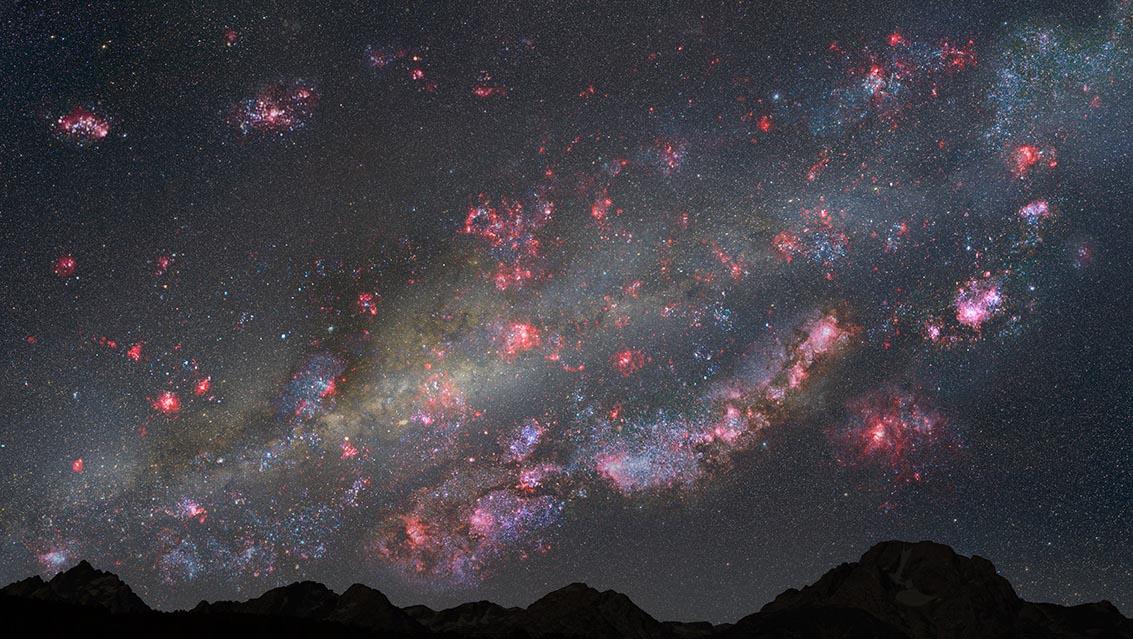
The Milky Way over the Oregon high desert — the Oregon Star Party is one of the premier amateur astronomy gatherings in North America

Stargazing Destination Guide · Oregon

Best Stargazing in Oregon: Dark Sky Parks, Coastal Sites & Complete Viewing Guide

Oregon is home to the Oregon Star Party — one of the largest annual amateur astronomy gatherings in North America — plus dark-sky certified parks in the high desert, coastal astronomy sites with unique marine layer conditions, and some of the lowest light pollution levels in the Pacific Northwest.

Dark Sky Sites3 certified + high desert
Best EventOregon Star Party (Aug)
Best Bortle1–2 (high desert)
Peak SeasonJuly–September
By Elena Reyes Published: Updated: Reviewed & approved by Juhi Sahni, Senior Editor Editorial Standards

Quick Answer: Where Is the Best Stargazing in Oregon?

The Oregon high desert — specifically the area around Prineville, Lake County, and the Oregon Star Party site at Indian Trail Spring — offers the darkest skies in the state. Bortle Class 1–2 conditions are common in Oregon's interior, where the rain shadow of the Cascades creates some of the clearest skies in the Pacific Northwest. The Oregon Star Party, held annually in August, draws 500+ amateur astronomers from across the country to this very location.

For coastal observers, the Oregon Dunes National Recreation Area and Nehalem Bay State Park offer dark skies with the unique foreground of the Pacific coastline. The marine layer can be unpredictable — check clear sky forecasts before driving to the coast. The best coastal viewing is typically in September–October when offshore fog is less frequent.


Why Oregon for Stargazing

Oregon offers a surprising diversity of stargazing environments for a Pacific Northwest state. East of the Cascade Range, the high desert receives as little as 10 inches of rain per year — comparable to Arizona — with 200+ clear nights annually. The low population density and minimal light pollution make central and eastern Oregon some of the best dark-sky territories in the lower 48 states.

The Oregon Star Party at Indian Trail Spring (elevation 5,100 feet) draws hundreds of amateur astronomers each August for a week of dark-sky observing under Bortle 1–2 conditions. The event features keynote speakers, telescope clinics, and astrophotography workshops. For those who can't make the Star Party, the same area offers excellent roadside observing year-round.

Star-filled night sky over Oregon's high desert — the Oregon Star Party draws 500+ amateur astronomers each August

Oregon's High Desert Skies

East of the Cascades, Oregon's high desert receives over 200 clear nights per year with Bortle 1-2 skies — among the best in the Pacific Northwest. Credit: NASA.

Oregon's Unique Astronomy Advantage

Oregon's Cascade rain shadow creates a stark dividing line: wet and cloudy west of the mountains, dry and clear east of them. This means observers in Portland or Eugene can drive 2–3 hours east to reach some of the darkest skies in America — a shorter drive than what most urban observers face. The high desert's elevation (3,000–5,000 feet) also provides steadier atmospheric seeing than lower-altitude sites.

Top Stargazing Sites in Oregon

🏆

Indian Trail Spring (Oregon Star Party site)

Bortle 1. The premier amateur astronomy site in the Pacific Northwest. Elevation 5,100 ft in the Ochoco National Forest near Prineville. Open year-round for camping and observing, but water is only available during the August Star Party. 360-degree unobstructed horizons. GPS: 44.33°N, 120.35°W.

🥇

Sunriver Nature Center Observatory

Bortle 2–3. Located in central Oregon near Bend. The observatory features a 17-inch Planewave CDK telescope and offers public viewing nights year-round. Sunriver is a resort community with excellent amenities for astronomy tourists — lodging, restaurants, and dark skies in walking distance.

Frequently Asked Questions

When is the Oregon Star Party in 2026?

The Oregon Star Party is typically held in late August, near the new moon. The 2026 dates were August 23–29. The event sells out — registration opens in January and often fills within weeks. Check the Oregon Star Party website for current availability.

Can you stargaze on the Oregon coast?

Yes, but coastal stargazing requires patience with the marine layer. September–October offers the best conditions. The Oregon Dunes area near Reedsport and the Samuel H. Boardman Scenic Corridor near Brookings offer dark skies with dramatic coastal foregrounds for photography.

What's the best telescope for Oregon's varied conditions?

A portable scope that's easy to transport to dark sites is ideal for Oregon observers. Tabletop Dobsonians (Sky-Watcher Heritage 150P) or compact Schmidt-Cassegrains (Celestron NexStar 4SE) are excellent choices that pack easily for trips to the high desert.