
Telescope Advisor Logo Telescope Advisor
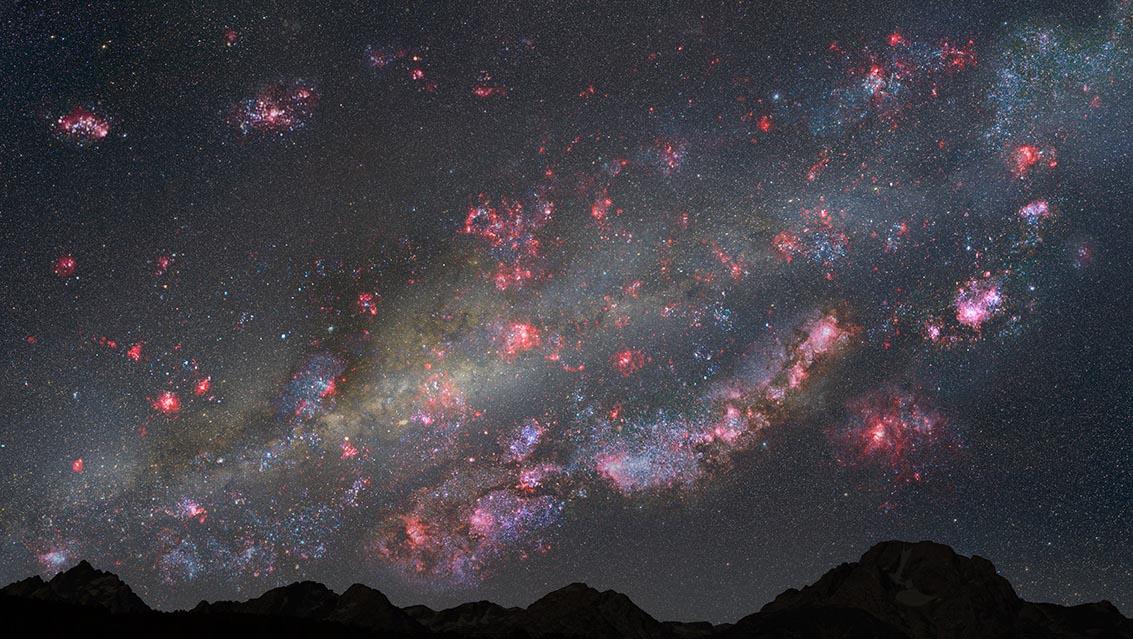
The Milky Way over a mountain landscape — Colorado's high elevation provides some of the darkest skies in the continental US

Stargazing Destination Guide · Colorado

Best Stargazing in Colorado: Dark Sky Parks, Mountain Sites & Complete Viewing Guide

Colorado has 12 certified dark sky parks, more than any other state except Utah. With an average elevation over 6,800 feet, thin dry air, and over 250 sunny days per year, Colorado offers exceptional stargazing from the Front Range to the Western Slope.

Dark Sky Parks12 certified sites
Avg Elevation6,800+ feet
Best Bortle1–2 (mountain parks)
Clear Nights250+ per year
By Elena Reyes Published: Updated: Reviewed & approved by Juhi Sahni, Senior Editor Editorial Standards

Quick Answer: Where Is the Best Stargazing in Colorado?

Great Sand Dunes National Park — Colorado's only International Dark Sky Park national park — offers the best combination of accessibility, dark skies (Bortle 2), and unique landscape. The dunes create surreal foreground silhouettes against the Milky Way. For the absolute darkest skies, head to Black Canyon of the Gunnison National Park (Bortle 1–2), where the canyon walls block distant light pollution and the sky overhead is intensely black.

Colorado's advantage is elevation. Most parks sit at 7,000–10,000 feet, above much of the atmospheric turbulence and moisture that degrades seeing at lower altitudes. The air is thin, dry, and steady — ideal conditions for both visual observing and astrophotography.


Why Colorado Is a Top Stargazing Destination

Colorado's combination of high elevation, arid climate, and protected dark skies makes it one of the best stargazing destinations in the continental United States. The state has 12 International Dark Sky Association certified sites — more than all but one other state — ranging from urban-accessible parks to remote mountain sanctuaries.

High Elevation

Most sites sit at 7,000–10,000 feet. The thin, dry air reduces atmospheric turbulence and light scattering by up to 40% compared to sea-level sites. The Milky Way appears brighter and more detailed through any telescope at altitude.

250+ Clear Nights

Colorado averages more than 250 clear or mostly-clear nights per year, especially on the Western Slope and San Juan Mountains. The Front Range has more cloud cover but still exceeds 200 clear nights annually.

12 Dark Sky Parks

Colorado's certified dark sky sites range from Great Sand Dunes National Park to small town parks like Westcliffe and Silver Cliff. Each offers different levels of access, elevation, and amenities.

Top Stargazing Sites in Colorado — Ranked

🏆

#1 Great Sand Dunes National Park

Colorado's only IDA-certified dark sky national park. Bortle 2. The 750-foot dunes create striking foreground silhouettes. The park hosts an annual Astronomy Festival in September. Elevation: 8,200 ft. Distance from Denver: 3.5 hours. Sandboards available for daytime fun too.

🥇

#2 Black Canyon of the Gunnison National Park

Bortle 1–2. The steep canyon walls block distant light pollution, creating exceptionally dark skies. The Milky Way rises over the canyon rim in a stunning vertical display. The South Rim Road is accessible year-round. Elevation: 8,000 ft.

🥈

#3 Westcliffe / Silver Cliff Dark Sky Park

Bortle 2. Colorado's first IDA-certified dark sky community. The Smokey Jack Observatory (open to the public) houses a 30-inch Dobsonian — one of the largest publicly accessible telescopes in the US. Free star parties every Saturday night from April through October.

🥉

#4 Rocky Mountain National Park

Bortle 2–3. Trail Ridge Road offers 360-degree views at 12,000+ feet. The park is a 90-minute drive from Denver/Boulder, making it the most accessible high-elevation dark sky site. Limited winter access but spectacular summer stargazing.

Colorado Dark Sky Sites Comparison Table

SiteBortleElevationFrom DenverBest SeasonCamping
Great Sand Dunes NP28,200 ft3.5 hrsApr–OctYes (Pinon Flats)
Black Canyon NP1–28,000 ft4.5 hrsMar–NovYes (South Rim)
Westcliffe/Silver Cliff27,800 ft2.5 hrsYear-roundNearby
Rocky Mountain NP2–38,000–12,000 ft1.5 hrsJun–OctYes (5 campgrounds)
Dinosaur NM25,500 ft6 hrsMar–OctYes (Green River)
Jackson Lake SP34,500 ft1.5 hrsYear-roundYes

Aurora Viewing in Colorado

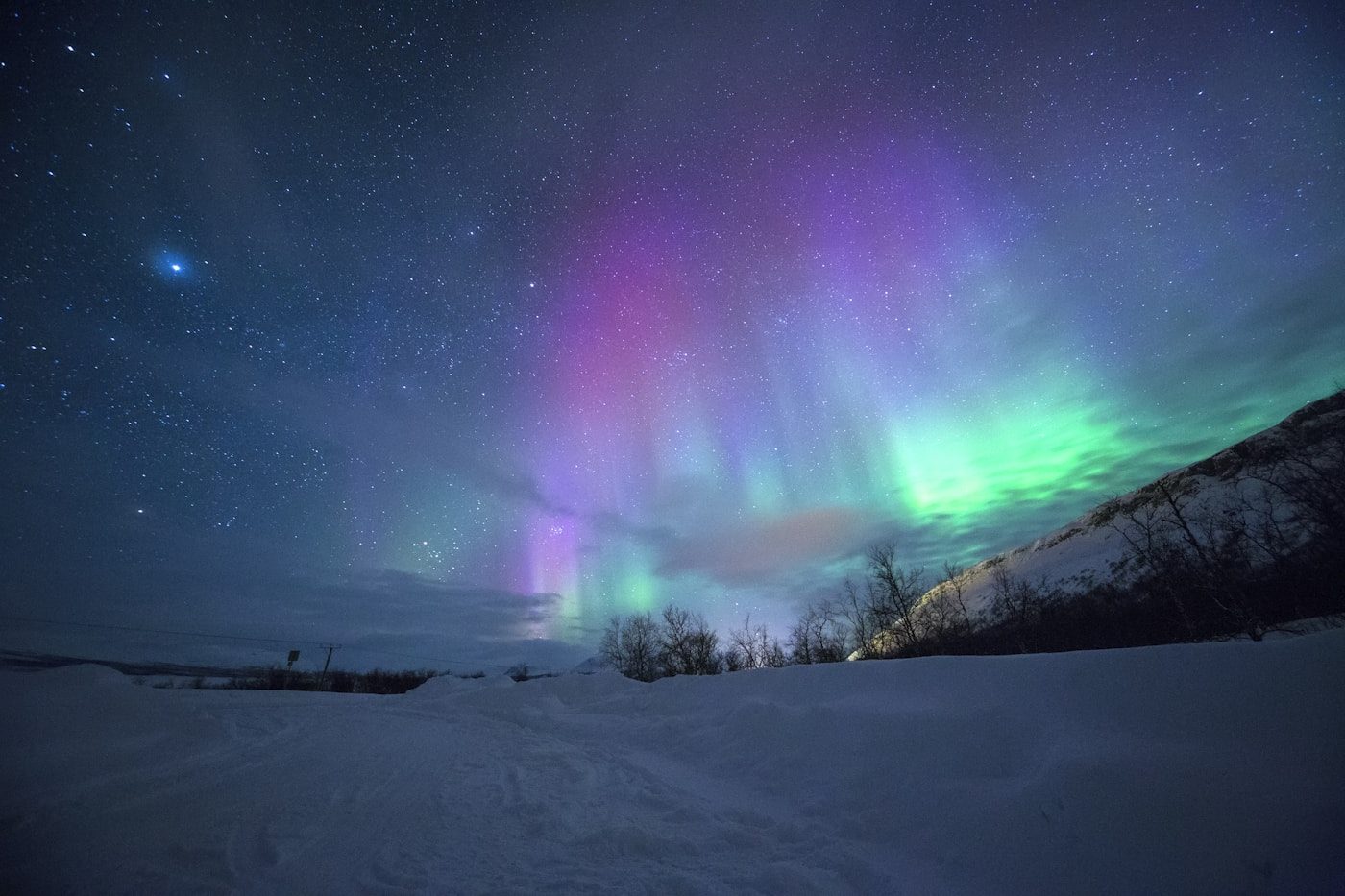
During Solar Cycle 25's peak (2025–2027), Colorado has experienced visible aurora 2–5 times per year — significantly more than during the last solar minimum. The best views come from high-elevation dark sky sites with unobstructed northern horizons, such as Jackson Lake State Park or Rocky Mountain National Park's Trail Ridge Road.

For a complete guide to Colorado aurora viewing, see our dedicated page: Northern Lights in Colorado: Complete Aurora Viewing Guide — covering Kp thresholds, best locations, and photography tips specific to Colorado.

The aurora borealis over a mountain landscape — Colorado's high elevation and dark skies offer excellent aurora viewing during Solar Cycle 25 peak

Aurora Borealis — Visible from Colorado During Strong Storms

During Solar Cycle 25's peak, Colorado has seen visible aurora 2–5 times per year during Kp 7+ geomagnetic storms. High-elevation sites like Rocky Mountain National Park offer the best views with unobstructed northern horizons. Credit: NASA.

Telescope Gear for High-Altitude Colorado Observing

Colorado's high elevation is a double-edged sword for observers. The thin air means less atmospheric turbulence — producing sharper images at any given magnification than the same telescope at sea level. But it also means faster cooling (your telescope reaches ambient temperature quicker, reducing tube currents) and a greater risk of dehydration for you.

Binoculars (recommended)

10×50 binoculars are ideal for Colorado's dark skies. Under Bortle 1–2 conditions at Great Sand Dunes or Black Canyon, they reveal hundreds of stars invisible from lower elevations. The Celestron SkyMaster 15×70 on a tripod is even better for wide-field Milky Way sweeping.

Medium Dobsonian

An 8-inch Dobsonian under Colorado's mountain skies performs more like a 10-inch at sea level. The combination of dark skies and steady seeing makes this the ideal setup for deep-sky observing. Targets like the Veil Nebula and Andromeda Galaxy are dramatically brighter.

Essential accessories

Red flashlight, warm clothing (temperatures drop 30°F after sunset even in summer), dew heater or hairdryer (condensation forms quickly despite low humidity at elevation), and a thermos with hot drink for all-night sessions above 8,000 feet.

For telescope recommendations, see our guides to Best Dobsonian Telescopes and Best Telescopes for Beginners. For binoculars, see Best Binoculars for Stargazing.

Frequently Asked Questions About Stargazing in Colorado

Do you need altitude acclimatization for Colorado stargazing?

Yes — if you're visiting from sea level, spend a day acclimatizing before attempting all-night observing above 8,000 feet. Altitude effects include dehydration, headaches, and fatigue. Drink twice as much water as usual and avoid alcohol. The thin air also means telescopes cool down faster — a bonus for thermal equilibrium.

Can you stargaze in Colorado in winter?

Yes — winter offers the longest nights, driest air, and clearest skies of the year. Great Sand Dunes and Black Canyon remain accessible. However, many high-elevation trailheads and campgrounds are closed. Temperatures can drop below −10°F at 8,000+ feet. Dress in layers and bring hand warmers.

What is the best Colorado dark sky park near Denver?

Rocky Mountain National Park (1.5 hours) is the closest dark sky park to Denver. For closer options, Jackson Lake State Park (1.5 hours, Bortle 3) and the Westcliffe/Silver Cliff area (2.5 hours, Bortle 2, with the 30-inch public telescope) are excellent alternatives.