
Quick Answer: Can You Actually Detect WASP-121b's Transit?
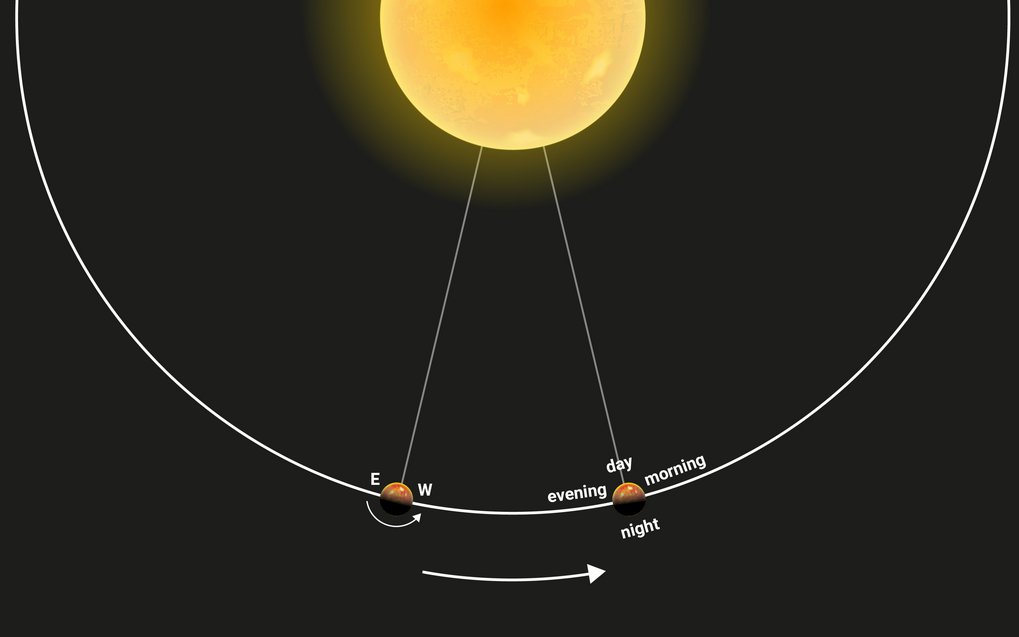
Yes — and this is one of the most underreported stories in amateur astronomy right now. Webb's NIRSpec and NIRISS instruments have just revealed that WASP-121b's morning and evening atmospheres are dramatically different from each other — a first-of-its-kind atmospheric asymmetry detection published in Nature Astronomy in June 2026. Every major outlet covered the discovery. Almost none of them mentioned that amateur astronomers with a 6–8 inch telescope and a DSLR can detect the same planet's transit from their own backyard.
Here is why WASP-121b is one of the best exoplanet transit targets for backyard astronomers: the host star WASP-121 sits at magnitude 10.4 in the constellation Puppis — reachable with any 70mm or larger telescope. The transit depth is approximately 1.5%, which is large enough to measure with careful differential photometry. The orbital period is just 1.27 days, meaning transits occur nearly every night. Each transit lasts roughly two hours. With a tracking mount, a camera, and free analysis software, you can produce a genuine exoplanet light curve from your driveway.