Moon Phase Today (USA): Live Illumination, Moon Age, and Next Full Moon
Telescope Advisor Logo Telescope Advisor
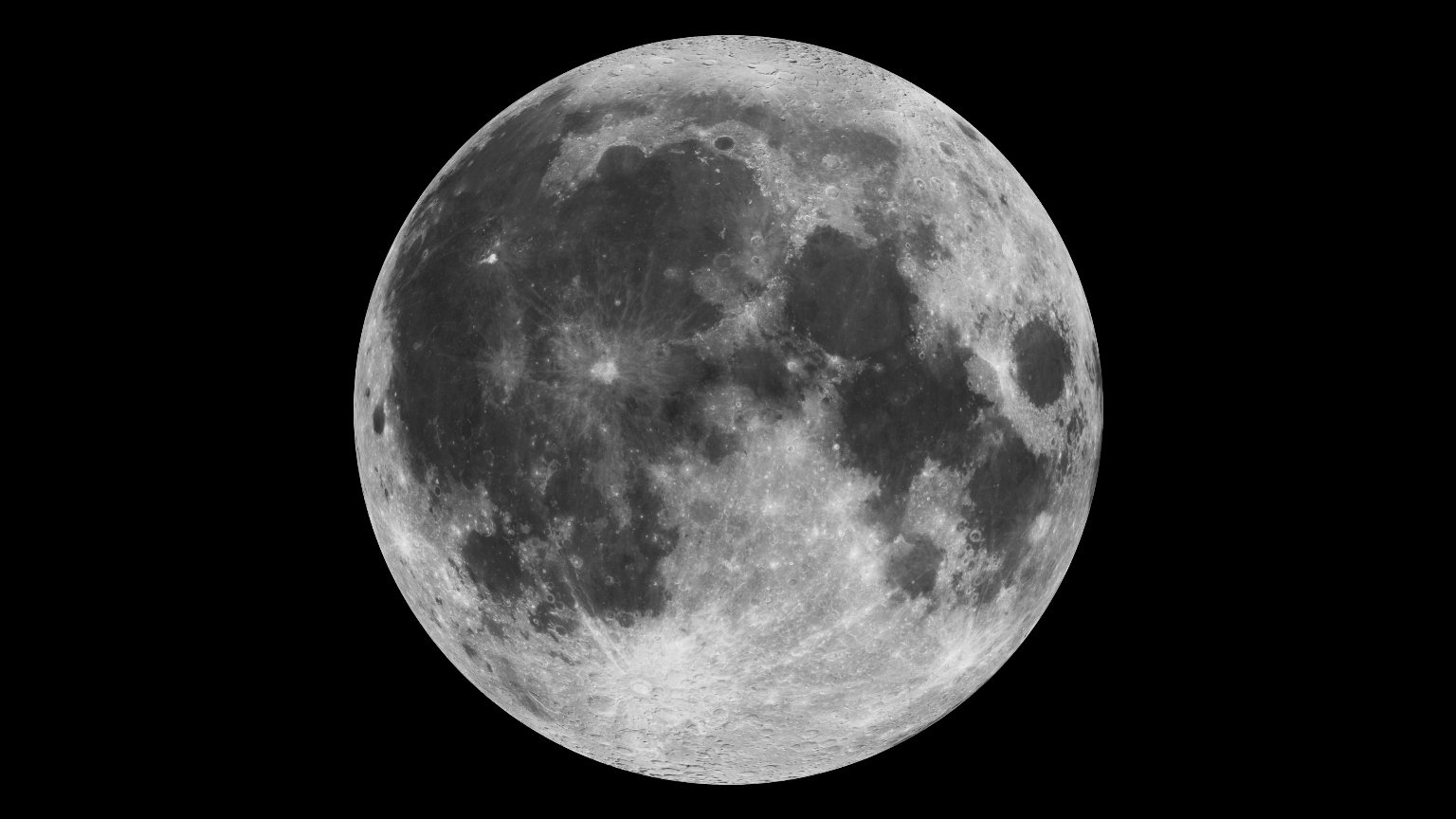
Full moon texture used as the base visual for live lunar phase rendering

Live Lunar Utility Hub · Daily Updated

Moon Phase Today (USA):
Live Illumination, Moon Age, and Next Full Moon

Get the current moon phase, illumination percentage, moon age, and next phase times in one place. Values update live on each page load, so this is built for quick daily checks before you plan tonight's observing session.

All hero stats are computed using Eastern Time (ET): 2026-05-27 00:09:45. UTC reference: 2026-05-27 04:09:45. PT/CT/MT timing is shown in the phase table below.

Tonight's Moon Snapshot (ET)

Waxing Gibbous

Current Phase

84.6%

Illumination

10.97d

Moon Age

Waxing

Directional Trend

May 27, 2026

Date Basis (ET)

By Telescope Advisor Editorial Team Published: Updated: Editorial Standards

Quick Answer: What Is the Moon Phase Today and Tonight?

Current answer: the Moon is in the Waxing Gibbous phase, approximately 84.6% illuminated, and about 10.97 days into the current lunar cycle. This means the Moon is currently brightening (waxing) from night to night.

For practical planning: quarter phases usually show the strongest crater-edge relief, gibbous phases are excellent for broad lunar features, and full moon is best for bright whole-disk views and outreach sessions.

🔭

Not sure which telescope actually fits your goals?

Answer 5 quick questions about your budget, observing targets, and experience level — our Telescope Finder Tool recommends a specific model in under 2 minutes.

Find My Telescope →

Live Moon Data Card

This card is the fastest daily checkpoint: current phase, illumination, moon age, and waxing or waning trend.

Phase Name

Waxing Gibbous

Use this as the top-level daily status. If you are deciding when to observe detail, pair the phase name with the "best target type" guidance later on this page.

Illumination

84.6%

This is the lit fraction of the near-side lunar disk as seen from Earth. High illumination is visually dramatic but often higher-glare for crater-edge contrast.

Moon Age

10.97 days

Moon age is the elapsed time since the most recent New Moon. It helps map where the terminator is likely to fall and which lunar landmarks are best placed tonight.

Trend

Waxing (getting brighter)

Waxing phases usually shift your best visual window to evening. Waning phases often move your strongest contrast windows later at night and toward pre-dawn.

Last computed (UTC): 2026-05-27 04:09:45. This page recalculates on each request and does not require an API or database lookup.

Moon Phase Image Graphic for Today

The graphic below uses a real lunar texture as the base image and overlays a mathematically generated lit region for today's phase. This lets the page show an "actual moon look" instead of a generic icon. It is not a direct observatory photo for the exact minute, but it is a faithful visual representation of illuminated fraction and waxing/waning orientation for daily planning.

Current visual summary

Waxing Gibbous · 84.6% illuminated

For practical observing, this value is useful because it predicts contrast behavior. Around quarter phases, topography near the terminator appears deeper and more textured. As illumination approaches full, the Moon remains spectacular, but overall relief can look flatter at medium and high magnification due to reduced shadow length.

If your goal tonight is visual detail, use moderate power first, keep your eye adapted for contrast, and prioritize features close to the day-night boundary. If your goal is outreach or family viewing, higher illumination is often easier for first-time observers to appreciate because the lunar disk appears bright and obvious even from urban skies.

Quick accessory tip: check current 15x70 moon-viewing price ->

Next Major Phase Times by US Time Zone

One of the biggest user frustrations with moon-phase content is timezone mismatch. Many pages show a single universal time and leave readers to convert manually. This page shows practical US timezone outputs directly so the answer is immediately usable. If your observing schedule is tied to workdays and short weeknight windows, this removes conversion friction and improves planning consistency.

Phase ET CT MT PT
Next New Moon Jun 14, 2026 10:54 PM Jun 14, 2026 9:54 PM Jun 14, 2026 8:54 PM Jun 14, 2026 7:54 PM
Next First Quarter Jun 21, 2026 5:10 PM Jun 21, 2026 4:10 PM Jun 21, 2026 3:10 PM Jun 21, 2026 2:10 PM
Next Full Moon May 31, 2026 4:47 AM May 31, 2026 3:47 AM May 31, 2026 2:47 AM May 31, 2026 1:47 AM
Next Last Quarter Jun 8, 2026 6:21 AM Jun 8, 2026 5:21 AM Jun 8, 2026 4:21 AM Jun 8, 2026 3:21 AM

If you check the Moon regularly, this table saves time by keeping next new moon, first quarter, full moon, and last quarter in one place with US time zones already converted. You do not need to jump between multiple pages or do timezone math manually before planning a session. It is built for quick practical planning on real weeknights.

Current Month Daily Moon Phase Calendar

Use this calendar to plan the best nights ahead. Each day includes phase, illumination, and a quick observing tip.

Day Phase Illumination Practical Tip
1 Full 100.0% Full Moon is bright and striking; prioritize ray systems and low-power whole-disk views.
2 Full 99.4% Full Moon is bright and striking; prioritize ray systems and low-power whole-disk views.
3 Full 97.1% Full Moon is bright and striking; prioritize ray systems and low-power whole-disk views.
4 Wan Gibb 93.1% Great for maria mapping and bright crater systems; use a moon filter at higher power.
5 Wan Gibb 87.5% Great for maria mapping and bright crater systems; use a moon filter at higher power.
6 Wan Gibb 80.6% Great for maria mapping and bright crater systems; use a moon filter at higher power.
7 Wan Gibb 72.6% Great for maria mapping and bright crater systems; use a moon filter at higher power.
8 Last Q 63.7% Peak lunar-detail phase for telescopes; shadows are dramatic.
9 Last Q 54.0% Peak lunar-detail phase for telescopes; shadows are dramatic.
10 Last Q 43.9% Peak lunar-detail phase for telescopes; shadows are dramatic.
11 Last Q 33.7% Peak lunar-detail phase for telescopes; shadows are dramatic.
12 Wan Cres 23.9% Excellent crater relief near the terminator; low glare and high contrast.
13 Wan Cres 15.0% Excellent crater relief near the terminator; low glare and high contrast.
14 Wan Cres 7.7% Excellent crater relief near the terminator; low glare and high contrast.
15 New 2.6% Best for deep-sky observing; moonlight impact is minimal.
16 New 0.2% Best for deep-sky observing; moonlight impact is minimal.
17 New 0.7% Best for deep-sky observing; moonlight impact is minimal.
18 Wax Cres 4.3% Excellent crater relief near the terminator; low glare and high contrast.
19 Wax Cres 10.6% Excellent crater relief near the terminator; low glare and high contrast.
20 Wax Cres 19.0% Excellent crater relief near the terminator; low glare and high contrast.
21 Wax Cres 29.0% Excellent crater relief near the terminator; low glare and high contrast.
22 First Q 39.7% Peak lunar-detail phase for telescopes; shadows are dramatic.
23 First Q 50.6% Peak lunar-detail phase for telescopes; shadows are dramatic.
24 First Q 61.1% Peak lunar-detail phase for telescopes; shadows are dramatic.
25 Wax Gibb 70.8% Great for maria mapping and bright crater systems; use a moon filter at higher power.
26 Wax Gibb 79.5% Great for maria mapping and bright crater systems; use a moon filter at higher power.
27 Wax Gibb 86.8% Great for maria mapping and bright crater systems; use a moon filter at higher power.
28 Wax Gibb 92.7% Great for maria mapping and bright crater systems; use a moon filter at higher power.
29 Full 96.9% Full Moon is bright and striking; prioritize ray systems and low-power whole-disk views.
30 Full 99.3% Full Moon is bright and striking; prioritize ray systems and low-power whole-disk views.
31 Full 100.0% Full Moon is bright and striking; prioritize ray systems and low-power whole-disk views.

If you are selecting the single best night for high-contrast crater observing, aim for windows around first quarter or last quarter. If your priority is whole-disk outreach views with family, bright gibbous phases and full moon windows are easier to schedule and still impressive, especially at low to moderate magnification where framing and comfort matter more than extreme detail.

How to Use This Page Every Week (Repeatable Workflow)

If your goal is to get better lunar sessions rather than random one-off observations, treat this page as a weekly planning dashboard. The process is simple and takes less than five minutes. First, check today's phase card and next phase timeline. Second, map your available observing nights to the nearest high-value phase window. Third, pick one target style for that session instead of trying to do everything in one night. This reduces cognitive load and increases success rate.

A practical example: suppose you can only observe Wednesday and Friday this week. If Wednesday is near first quarter, prioritize crater rims, mountain shadows, and terminator tracking at moderate magnification. If Friday is waxing gibbous, switch to maria boundaries, bright ejecta rays, and low-power whole-disk framing. You now get two distinct, high-quality lunar experiences in one week instead of repeating the same eyepiece routine.

For families and beginners, this framework is especially useful because it turns astronomy from "maybe if the sky is good" into a repeatable cadence. Consistent cadence is what creates retention, confidence, and better buying decisions later. It is also the reason this page is intentionally designed to be revisited: you should not need to relearn phase strategy each month. The logic stays stable; only the live values change.

Five-minute pre-session checklist

  • Check current phase name and illumination % above.
  • Confirm whether the moon is waxing or waning.
  • Select one primary target style (craters, maria, rays, whole disk).
  • Set one magnification band and avoid over-switching eyepieces.
  • Log one note after session to improve next week's plan.

Best Observing Strategy by Moon Phase

There is no single "best moon phase" for every goal. The best phase depends on what you want to see and how long you can observe. Crescent and quarter phases are usually the strongest for topographic detail because shadow length is long and contrast is high. Gibbous phases are excellent for broad structure and mapping. Full Moon is often underrated: while relief is flatter at high power, ray systems are most striking and first-time observers often find full-disk brightness emotionally memorable.

New Moon Window

Use this period for deep-sky observing rather than lunar detail. If your site is dark enough, this is when galaxies and nebulae perform best. For lunar observers, this window is still useful for planning and instrument prep: collimate, refine finder alignment, and test eyepiece combinations before bright-lunar sessions return.

Waxing Crescent to First Quarter

This is one of the highest-value windows for crater relief. The terminator advances nightly and reveals fresh features with long, dramatic shadows. Start with lower power to orient, then move to moderate magnification once seeing stabilizes. If you are training your visual skills, this phase band gives the fastest feedback because subtle details become easier to notice across consecutive nights.

Waxing and Waning Gibbous

Gibbous phases are ideal for broad context viewing and maria boundaries. The Moon is bright enough for quick sessions, yet still offers meaningful detail across much of the disk. This is also a strong phase for outreach, since observers can immediately identify large structures without long orientation time.

Full Moon

Full Moon is bright and visually dominant, making it great for casual public viewing and low-power whole-disk appreciation. For high-power detail, use a moon filter or reduce magnification to maintain comfort. Focus on ray systems and contrast patterns rather than expecting deep shadow relief. If you are photographing, full moon gives clean disk detail but can clip highlights quickly, so shorter exposures and controlled histograms matter.

Last Quarter and Waning Crescent

This window often rewards experienced observers because the timing shifts later and can favor quieter skies. If your schedule allows early-morning sessions, waning phases can deliver some of the sharpest crater-edge contrast of the cycle. They also spread your observation habits beyond evening-only routines, which improves long-term consistency.

Best Gear for Tonight's Moon Session

Moon observing does not require expensive gear to be rewarding. What matters most is optical clarity, stable mounting, and practical ergonomics. For most users, the fastest path to better lunar sessions is one dependable binocular or starter telescope that gets used frequently, not a complex setup that stays indoors. The recommendations below are included as practical examples of high-utility gear classes for recurring lunar use.

Editor's Pick - Best Overall Moon Session Value
Celestron SkyMaster 15x70 binoculars

Celestron SkyMaster 15x70

For daily moon-phase users, 15x70 binoculars strike an excellent balance between detail and simplicity. You can resolve major crater patterns, maria boundaries, and ray contrast without the setup friction of a full mount-and-eyepiece workflow. They are ideal for short repeat sessions, which is exactly what drives skill growth and page return behavior.

Celestron AstroMaster 70AZ telescope

Celestron AstroMaster 70AZ

A practical beginner refractor for users who want to step from binocular utility into structured telescopic lunar sessions. It supports low-to-moderate magnification where the Moon is most rewarding for new observers. For phase-tracking, this class is enough to build confidence quickly.

Want a dependable entry scope? Check current AstroMaster 70AZ price ->

Celestron Travel Scope 70 telescope

Celestron Travel Scope 70

If portability and frequent quick sessions matter more than maximum aperture, this grab-and-go class stays in rotation. Repeat usage is a competitive advantage in lunar observing because your eye learns contrast and feature recognition over time.

Need a compact lunar companion? View on Amazon ->

Methodology, Accuracy, and Update Policy

Illumination and phase are computed at runtime from Sun-Moon elongation using a higher-accuracy lunar longitude model (periodic terms), then converted to illuminated fraction with the standard cosine relation. This produces daily values that closely match established public references.

Recent spot checks on this page were aligned with major public references, including Timeanddate and The Old Farmer's Almanac, with normal rounding differences. The visual moon disk is rendered from the same computed phase fraction, so the image and numeric percentage stay consistent.

The page updates on every request without external API dependency, which keeps it resilient on standard hosting and avoids stale cache artifacts.

FAQ: Moon Phase Today and Tonight

What is the moon phase today?

Today the Moon is in the Waxing Gibbous phase, about 84.6% illuminated, and 10.97 days old in the current lunar cycle.

What is tonight's moon phase?

Tonight's phase is the same base phase category unless a major phase transition occurs in your local timezone window. Check the live phase card and timezone table above for exact timing context.

How accurate is the illumination percentage?

The value is computed from phase-cycle geometry and is suitable for daily planning and observing decisions. For strict scientific timing work, confirm edge-case transitions with observatory-grade ephemeris sources.

Can I use this page without an API feed?

Yes. This page is built to compute values at runtime without a database or external API, so it can stay updated on standard hosting environments.

What moon phase is best for telescope crater detail?

First quarter and last quarter windows are usually best for crater-edge detail because the terminator produces stronger shadow contrast and more three-dimensional relief.

Why return to this page instead of a static moon article?

Because this page combines live values, a daily visual render, timezone-aware next-phase timing, and practical observing strategy in one place. It is designed to be useful repeatedly, not just read once.

Related Guides