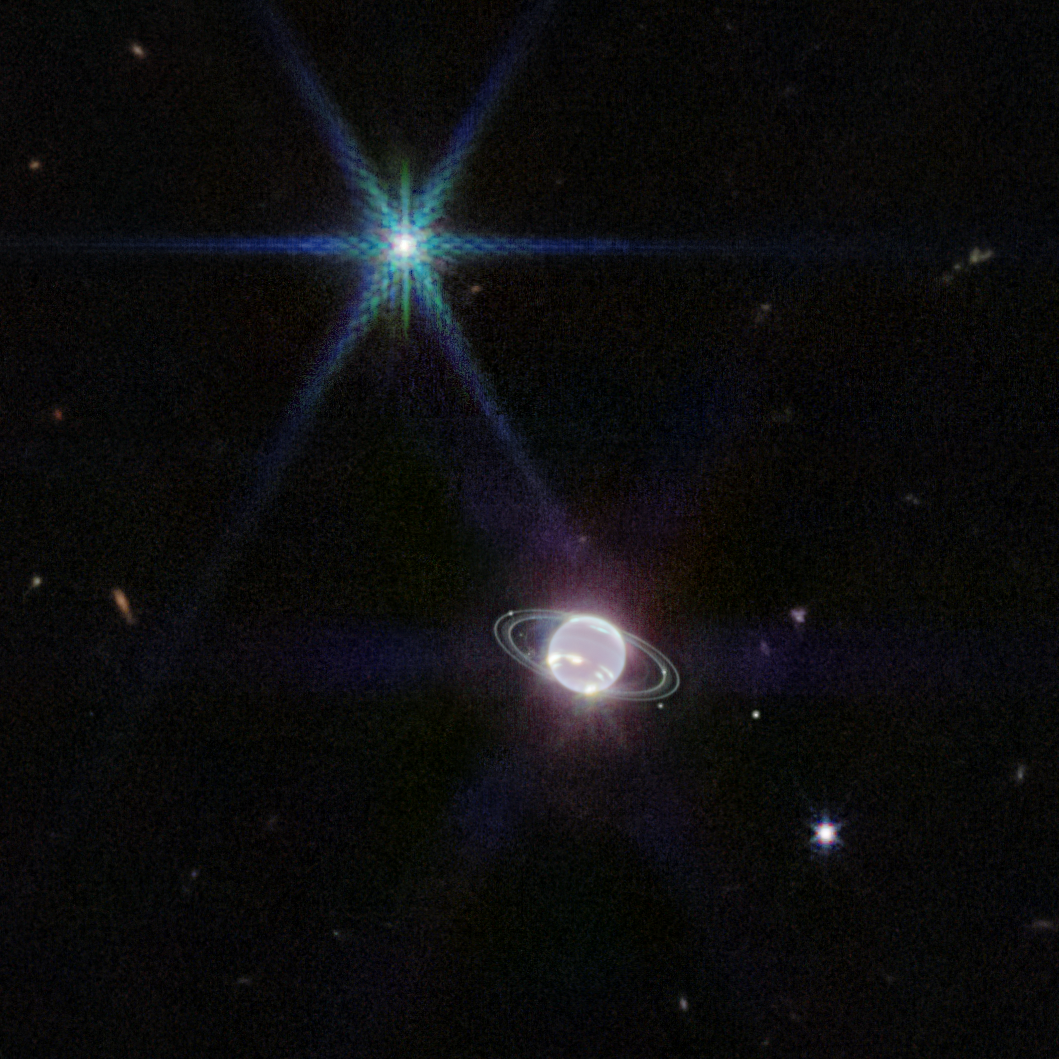
Why is Uranus usually easier to "believe" visually than Neptune?
Uranus generally presents a larger apparent disk and stronger color impression in common observing setups. That means your brain receives more non-stellar cues even when seeing is average. Neptune is often smaller and dimmer-looking by comparison, so confidence depends more on steady air, precise focus, and repeated verification behavior.
Can a beginner expect to see both planets in one month?
Yes, with realistic expectations and a structured process. Uranus is usually the more approachable first win, while Neptune may require multiple attempts before confident non-stellar identification becomes repeatable. Success in one month is common when observers use charts correctly and avoid rushing magnification.
Is a GoTo mount required for Neptune?
GoTo helps efficiency, especially under light pollution, but it is not mandatory. Manual observers can succeed with accurate charts, calibrated finders, and patient field confirmation. The key is disciplined reference-star workflow, not necessarily motorized pointing.
How much does light pollution affect these targets?
Light pollution increases star-field confusion and reduces contrast confidence, especially for Neptune. It does not make success impossible. Correct magnification and verification workflow remain effective, but urban observers should rely more heavily on precise chart alignment and repeated field checks.
What magnification range is safest for first reliable comparisons?
Most observers do best by starting low for acquisition, then moving to moderate power where image stability remains strong. High power can be valuable on steady nights, but forcing it early often harms confidence. Use stepwise increases and stop where detail gains plateau.
Should I observe when seeing looks average?
Yes. Average nights are still useful for process training, acquisition speed, and log development. Reserve high-detail expectations for better nights, but do not skip practice entirely. Consistency across mixed conditions builds stronger skills than occasional "perfect-night" attempts alone.
How do I avoid mistaking a nearby star for Neptune?
Use at least two independent checks: exact chart time matching and relative placement against nearby stars in the eyepiece field. If your candidate object does not match both checks, re-acquire. Confidence should come from geometric verification first, visual impression second.
Do filters help with Uranus/Neptune visual work?
Filters can be explored later, but most beginners gain more from magnification discipline, cooldown management, and finder accuracy. Treat filters as refinement tools after your baseline workflow is repeatable.
How many sessions should I log before judging my setup?
Aim for at least eight to twelve sessions across varied conditions. Outer-planet success is condition-sensitive, and quick judgments can be distorted by unusually good or poor nights. A small data set creates better hardware and process decisions.
What is a realistic first-year goal for Neptune?
A strong first-year goal is consistent identification with growing confidence at moderate-high power under cooperative seeing. If you can repeatedly confirm non-stellar appearance and accurate field position, you have achieved meaningful Neptune proficiency.