
Night Sky Tonight UK: What Planets and Stars Are Visible in the UK Tonight | Telescope Advisor
Telescope Advisor Logo Telescope Advisor
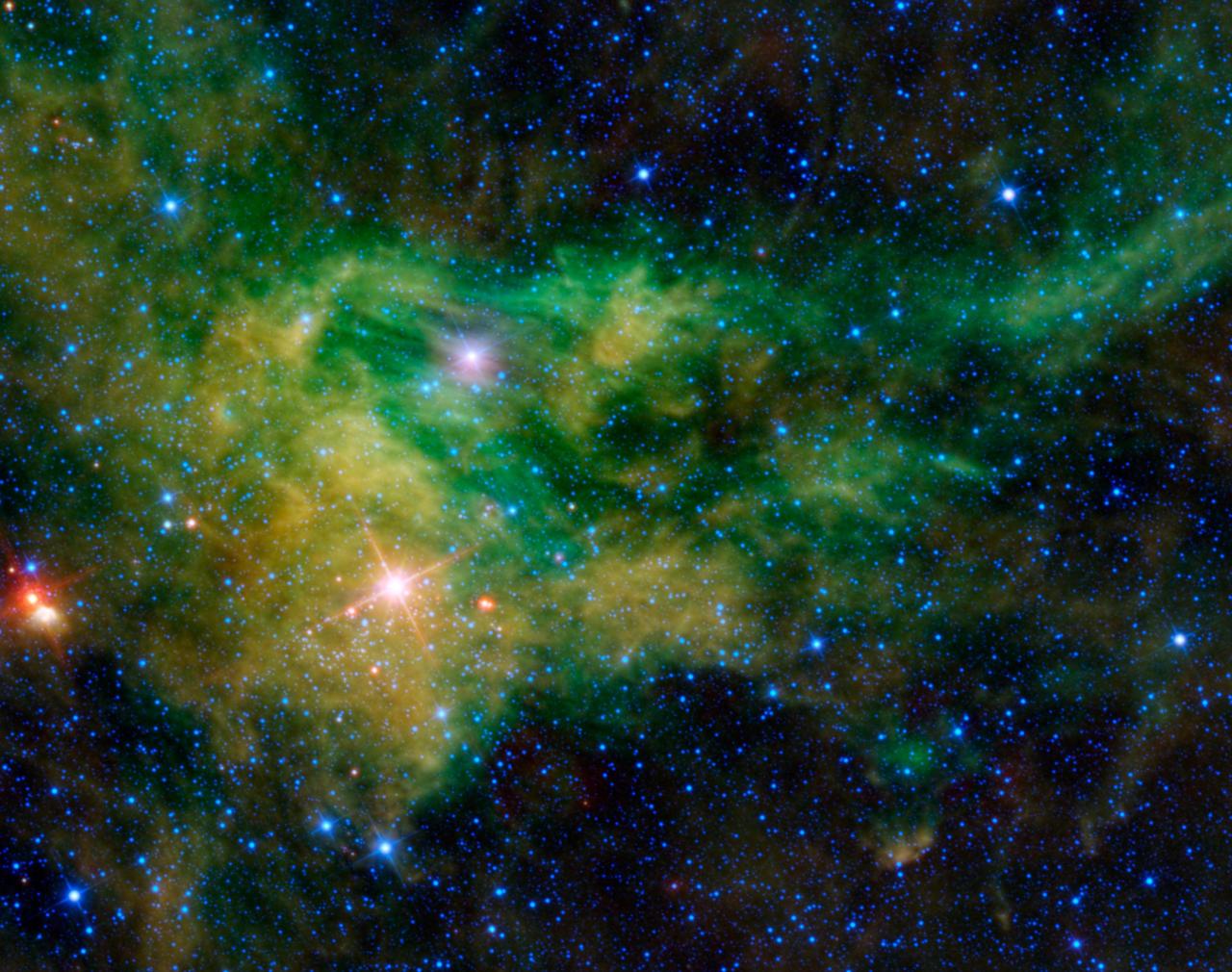
Star-filled night sky over a British countryside landscape — ideal for UK stargazing

UK Observing Guide · Updated Daily

Night Sky Tonight UK: June 15, 2026

What planets, stars, and celestial events are visible in the UK sky tonight? This guide provides the key highlights for British stargazers — with UK-specific sunset times, visibility windows, and observing tips for the British climate.

Sunset tonight~20:00–21:30 BST
Moon phase15 Jun 2026
Best viewedMidnight–3am BST
Dark sky window~11pm–4am
By Telescope Advisor Editorial Team Published: Updated: Editorial Standards

Tonight's UK Sky at a Glance — June 15, 2026

The UK's position at mid-northern latitudes means we see a different selection of the night sky than observers in the United States or southern Europe. Our summer nights are short and bright (especially in Scotland and northern England), while winter nights offer long, dark observing windows — if the clouds cooperate. Below is what is currently visible from across the United Kingdom, with times given in BST (British Summer Time) from the last Sunday in March through October, and GMT (Greenwich Mean Time) through the winter months.

For the most accurate real-time sky map based on your precise UK location, we recommend using Stellarium or our recommended astronomy apps. This guide provides the highlights that every UK observer should look for tonight.

🪐 Planets visible tonight

Jupiter: Visible in the morning sky before sunrise. Look for it as the brightest object in that part of the sky. Through a 70mm telescope, Jupiter's cloud bands and four Galilean moons are clearly visible.
Saturn: Rising late evening, best observed after midnight when highest in the southern sky — its rings are a spectacular sight in any telescope at 50× or more.
Venus: An evening "star" blazing in the western sky after sunset — unmistakable at magnitude −4.2.
Mars: Visible in the early morning sky, low in the east before sunrise.
Mercury: Briefly visible very low in the evening twilight — use binoculars to spot it just above the horizon.

🌙 Moon phase tonight

Full Moon — the sky is washed out by moonlight. Use this opportunity for lunar observing; craters and maria are spectacular through any telescope.


🔭

Not sure which telescope actually fits your goals?

Answer 5 quick questions about your budget, observing targets, and experience level — our Telescope Finder Tool recommends a specific model in under 2 minutes.

Find My Telescope →

Planets Visible in the UK Tonight

Planetary visibility changes throughout the year as Earth and the other planets move along their orbits. Here is the current status of each planet visible from the United Kingdom, with specific advice for British observers who need to contend with twilight at our latitudes.

Jupiter — The brightest planet after Venus

Currently the most rewarding planet for UK telescope owners. At magnitude −2.2 to −2.7 depending on the season, Jupiter is impossible to miss. Through even a 70mm telescope at 50×, you will see two dark equatorial belts stretching across its disk and the four Galilean moons (Io, Europa, Ganymede, and Callisto) positioned in a changing line beside the planet. A 130mm scope at 100× reveals the Great Red Spot when it faces Earth — check online for transit timings. Jupiter is best observed when it is highest in the sky, which in the UK means around midnight in summer months and earlier in winter. The planet moves through the zodiacal constellations over the year, currently located in the constellation that is best placed for UK evening viewing.

Best telescope for Jupiter: Any scope from 70mm upward. For detailed viewing, see our planetary telescope guide.

Saturn — The ringed planet

Saturn never fails to impress first-time observers. Through any telescope at 50× or more, its ring system is clearly visible as an oval surrounding the planet's disk. The angle of the rings changes over the years — in 2026 they are still well open, offering a spectacular view. Saturn's largest moon, Titan (magnitude 8.5), is visible as a faint dot near the planet in 70mm scopes. The Cassini Division (the gap between the A and B rings) requires at least 114mm aperture and steady atmospheric seeing — conditions that are rare in the UK but unforgettable when they align.

Venus — The evening or morning "star"

Venus is the third brightest object in the sky after the Sun and Moon. It appears as a dazzling white point, and through a telescope it shows a distinct phase — just like the Moon. In 2026, Venus transitions from evening visibility to morning visibility at various points in the year. When it is near greatest elongation (maximum angular distance from the Sun), it sets or rises up to four hours after or before the Sun, giving UK observers a generous viewing window. Venus's thick cloud layer means no surface detail is visible — its beauty lies in its brilliant white light and changing crescent phase.


Constellations and Stars Visible Tonight

The constellations visible from the UK change with the seasons. The summer sky features the distinctive Summer Triangle — Vega in Lyra, Deneb in Cygnus, and Altair in Aquila — three bright stars that dominate the overhead sky from June through September. Below them, the Milky Way arches across the sky, appearing as a faint band of light that passes through Cygnus (the Swan), where dark-sky observers can trace the Great Rift: dark dust lanes silhouetted against the Milky Way's star clouds.

Autumn evenings bring the Great Square of Pegasus, which acts as a guide to the Andromeda Galaxy (M31) — the most distant object visible to the naked eye and a stunning sight through binoculars. Winter is Orion season, with the most recognizable constellation in the sky and the glorious Orion Nebula (M42) hanging below the Belt. The Pleiades (Seven Sisters) and the Hyades open clusters are also winter highlights. Spring offers the Hunting Dogs (Canes Venatici), the Leo Triplet of galaxies, and the bright star Arcturus rising in the east.

For detailed constellation guides, see our beginner's constellation guide and individual constellation pages.

Deep-Sky Objects for UK Observers

The UK's relatively high northern latitude means some deep-sky objects are visible year-round (circumpolar) while others appear only seasonally. The following are reliably observable from British skies with modest equipment:

  • Andromeda Galaxy (M31): Visible to the naked eye under dark skies, stunning in binoculars. Best in autumn and winter. Follow our star-hop guide to M31.
  • Orion Nebula (M42): The finest deep-sky object in the sky. Visible from November through March. Shows greenish colour in moderate apertures. See our Orion Nebula guide.
  • Pleiades (M45): A spectacular open cluster visible from October through April. Best in binoculars.
  • Hercules Globular Cluster (M13): Visible from April through September. A glorious ball of stars resolved in 130mm+ scopes.
  • Double Cluster (NGC 869 and 884): Two open clusters side by side in Perseus. Visible from August through March.
  • Ring Nebula (M57): A small but distinct planetary nebula in Lyra. Best from June through September.

Meteor Showers and Events (2026)

The UK is well placed for observing several major meteor showers each year. The key events remaining in 2026 include the Perseids (peaking August 12–13), the Orionids (October 21–22), the Geminids (December 13–14), and the Ursids (December 22–23). The Perseids are the most popular — warm August nights and rates of 60–100 meteors per hour under ideal conditions make them a highlight of the UK astronomical calendar. For dedicated meteor shower guides, see our Perseid guide and Geminid guide.

August 12, 2026 solar eclipse: The total solar eclipse will be partially visible from the UK, with northern and western regions (Scotland, Northern Ireland, northern England, Wales) seeing a deeper partial phase than the south-east. London will see approximately 25–30% obscuration, while Edinburgh sees roughly 35–40%. See our UK eclipse visibility guide for full details.

UK-Specific Observing Tips

Observing from the British Isles presents unique challenges and advantages compared to other locations. The most important factor is weather: the UK averages 150–200 cloudy nights per year depending on your location. This means flexibility is essential — if the forecast shows clear skies tonight, do not postpone your session. Use clear-sky forecast tools like the Met Office, Clear Outside, or Astrospheric to plan.

Dew is a persistent problem in the damp British climate. A dew heater band or heated dew shield is essential for any session longer than 30 minutes — without one, your corrector plate or objective lens will fog up within minutes on humid nights. See our dew prevention guide for recommendations.

Light pollution is a significant factor across most of the UK. The best dark-sky sites within reach of major population centres include Exmoor National Park, Brecon Beacons, Northumberland National Park (the first Gold Tier International Dark Sky Park in Europe), the Cairngorms, and the South Downs. The Isle of Sark in the Channel Islands is also a designated dark-sky island. For urban observers, see our light-pollution telescope guide.

Best Gear for UK Skies

British conditions demand different priorities than observing from Arizona or Australia. Portability matters because you will often drive to darker locations. Dew resistance is critical. And rapid setup time is essential for making the most of unpredictable clear spells.

For a comprehensive UK-focused buying guide, see Best Telescopes UK 2026. For telescope setup guidance, see How to Set Up a Telescope. For those just starting out, our Stargazing for Beginners guide covers everything you need for a successful first night under the stars.


Sky-Watcher Heritage 130P telescope

Recommended Telescope for UK Skies

For the best experience observing the night sky from the UK, we recommend the Sky-Watcher Heritage 130P — a 130mm tabletop Dobsonian that delivers spectacular views of planets, nebulae, and galaxies. It's the top-rated telescope for UK beginners and available on Amazon UK.

Check Price on Amazon UK →

Frequently Asked Questions

What's the best time to stargaze in the UK tonight?

The best time is during astronomical darkness, which in the UK typically begins 90–120 minutes after sunset and ends 90–120 minutes before sunrise. In summer, astronomical darkness may not occur at all in northern parts of Scotland (where twilight persists all night). For most of England and Wales, the best deep-sky observing window is between midnight and 3am BST in summer months. In winter, darkness falls early (from 4pm) and the window extends from 6pm through 5am.

What planets are visible in the UK tonight without a telescope?

Venus, Jupiter, and Mars are all visible to the naked eye from the UK under clear skies. Venus is unmistakable as the brilliant "evening star" or "morning star" depending on the season. Jupiter appears as a very bright, steady white point. Mars has a distinctive reddish-orange tint. Saturn is at the edge of naked-eye visibility and is much easier to see with binoculars or a small telescope.

Is the sky dark enough to see the Milky Way in the UK?

Yes, but only from designated dark-sky locations away from urban light pollution. The Milky Way is visible to the naked eye from Exmoor, Brecon Beacons, Northumberland, and the Cairngorms on clear, moonless nights. From cities like London, Birmingham, or Manchester, light pollution completely washes it out. The UK has several official Dark Sky Parks and Reserves that offer excellent Milky Way visibility.