Solar Maximum 2026: What It Means for Stargazers and Amateur Astronomers
Telescope Advisor Logo Telescope Advisor
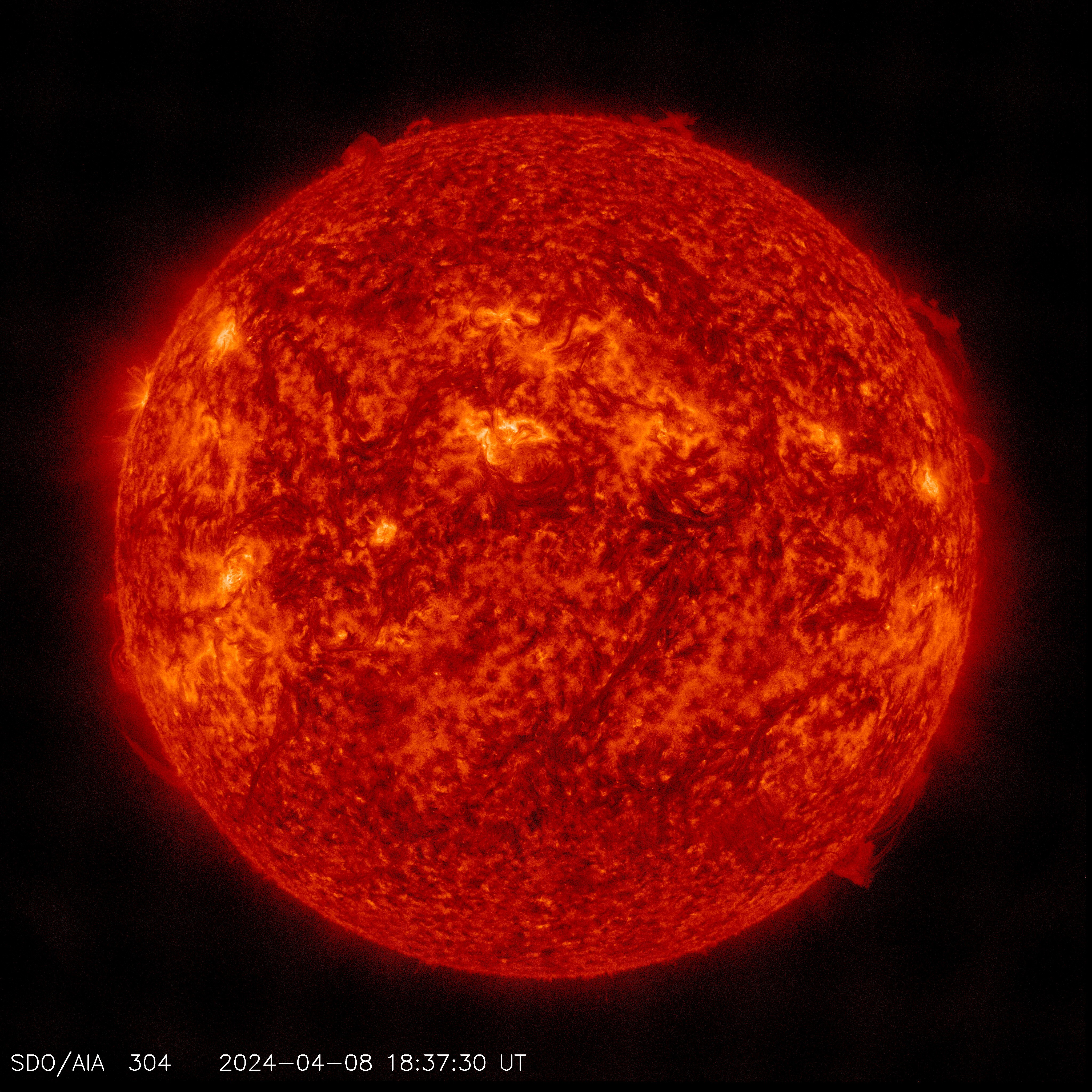
The Sun observed in extreme ultraviolet during Solar Cycle 25 maximum — showing intense sunspot groups and active regions

Solar Maximum Guide · 2026

Solar Maximum 2026 — What It Means for Stargazers and Amateur Astronomers

Solar Cycle 25 has reached its peak in 2026, bringing the highest levels of solar activity in over a decade. For stargazers, this means more sunspots visible through telescopes, intense solar flares, and the best chance to see the aurora borealis at record-low latitudes. This guide covers what solar maximum means for you, how to observe the active Sun safely, and the best equipment to capture the action.

Solar CycleCycle 25 (peak 2026)
Sunspot number150–250 per day
Aurora visibilityAs low as 40°N latitude
Best toolSolar telescope or filter
By Telescope Advisor Editorial Team Published: Updated: Editorial Standards Solar Observing Guide →

What Is Solar Maximum?

Solar maximum is the period of greatest solar activity within the Sun's roughly 11-year activity cycle. During solar maximum, the Sun's magnetic field is at its most complex and dynamic, producing frequent sunspots (dark, cool regions on the solar surface where magnetic field lines pierce the photosphere), solar flares (intense bursts of radiation), and coronal mass ejections (CMEs — massive expulsions of magnetised plasma into interplanetary space). Solar Cycle 25 began in December 2019 and was initially predicted to be a weak cycle, but it has consistently outperformed forecasts, reaching activity levels well above those of Cycle 24 (2008–2019) and rivaling the much stronger Cycle 23 (1996–2008).

The primary metric used to track solar activity is the sunspot number — a daily count of individual sunspots weighted by the number of sunspot groups. During the solar minimum of 2019–2020, the sunspot number regularly dropped to zero, with weeks passing without a single spot on the solar disc. By mid-2026, the sunspot number has surged to between 150 and 250 per day, with multiple large, complex sunspot groups crossing the solar disc each week. These active regions are the source of solar flares and CMEs that directly affect Earth when they are directed toward our planet.

What Solar Maximum Means for Stargazers

For amateur astronomers, solar maximum offers three key opportunities that are either diminished or absent during solar minimum.

1. Sunspot Viewing

At solar maximum, the Sun's disc is peppered with sunspot groups that are easily visible through any telescope equipped with a proper solar filter. Even a 70mm refractor with a white-light solar filter shows multiple sunspots on most days. Large sunspot groups are visible to the naked eye (through certified eclipse glasses or a solar viewer) — a fact that surprises many observers. The Sun becomes the most dynamic object in the solar system to observe through a telescope, with changes visible within hours as sunspots rotate across the face of the Sun and evolve in structure.

2. Auroral Displays

Solar maximum dramatically increases the frequency and intensity of aurora borealis (northern lights) and aurora australis (southern lights). During 2024–2026, aurora has been sighted as far south as Texas, Florida, and the Mediterranean — latitudes that rarely see the northern lights. A strong CME aimed at Earth can produce visible aurora down to 40°N or even 35°N latitude. For US observers, this means aurora is potentially visible from any state in the continental US during a major geomagnetic storm (Kp7+).

3. Radio and Satellite Effects

Solar flares and CMEs can disrupt radio communications and satellite operations, but they also create fascinating opportunities for radio amateurs. During solar maximum, the ionosphere is energised by increased solar radiation, improving long-distance HF radio propagation — ham radio operators can communicate across continents on frequencies that would be dead during solar minimum. For astronomers, the practical effect is that GPS accuracy may degrade during severe geomagnetic storms, and satellite-based observations (including some astronomical survey projects) may experience interruptions.

How to Safely Observe the Active Sun

Observing sunspots and solar activity requires absolute caution. Never look at the Sun through a telescope, binoculars, or any optical device without a certified solar filter. The concentrated sunlight will instantly and permanently damage your eyes — there is no warning pain because the retina has no pain receptors. Only use filters specifically designed for solar observation that are securely attached to the front of the telescope (not the eyepiece end).

For white-light solar observation (showing sunspots against the orange solar disc), use a Baader AstroSolar Safety Film filter or a commercially-made glass solar filter that fits over your telescope's objective lens. These filters reduce the Sun's intensity by 99.999% while still showing surface detail. At 50–100× magnification, a 4-inch refractor with a white-light filter reveals the granular texture of the photosphere and the detailed structure of sunspot umbrae and penumbrae. For hydrogen-alpha (Hα) observation — which reveals solar prominences, filaments, and flares — a dedicated Hα telescope like the Lunt LS50 or Coronado PST is required. These telescopes use a narrowband filter tuned to the 656.28 nm hydrogen-alpha wavelength, blocking all other light to reveal the Sun's chromosphere in stunning detail. For a complete guide to solar observing equipment and techniques, see our solar observing guide.

Best Telescopes and Filters for Solar Maximum

Solar maximum is the perfect time to invest in solar observing equipment. The Sun offers new features to observe every single day, making it the most rewarding daytime astronomical target.

Editor's Pick — Best Solar Starter
Celestron EclipSmart Solar Filter 70mm

Celestron EclipSmart Solar Filter (70mm) + Any Refractor

The fastest and most affordable way to observe sunspots is to add a white-light solar filter to your existing telescope. The Celestron EclipSmart 70mm filter fits most 70mm refractors securely and delivers crisp, high-contrast views of sunspot groups. Pair it with a 70mm refractor like the Celestron AstroMaster 70AZ for a complete solar observing setup at under $200 total. At 50× magnification, you will see the dark core (umbra) and lighter border (penumbra) of each sunspot, and on active days, multiple groups spread across the solar disc.

Celestron AstroMaster 70AZ

Celestron AstroMaster 70AZ

An ideal companion for solar observing. The 70mm aperture gathers enough light for bright, detailed sunspot views through a white-light filter.

Lunt Solar Eclipse Glasses

Lunt Solar Eclipse Glasses

Keep a pair in your car and carg — you never know when a large sunspot group will be visible. ISO-certified safe for direct solar viewing.

Aurora Viewing During Solar Maximum 2026

One of the most exciting consequences of solar maximum for stargazers is the dramatically increased visibility of the aurora borealis at mid-latitudes. During 2024–2026, solar storms have produced aurora visible as far south as Arizona, Texas, and even Florida — events that typically occur only once or twice per decade. The key metric for aurora visibility is the Kp-index, a 0–9 scale measuring global geomagnetic activity. At Kp5 (minor storm), aurora is visible from the northern US states and southern Canada. At Kp7 (strong storm), aurora reaches 40°N latitude — the latitude of Denver, Indianapolis, and New York City. At Kp8–9 (severe storm), aurora can be seen from as far south as 35°N — Dallas, Atlanta, and Los Angeles.

To track aurora prospects in real time, bookmark our northern lights forecast page and follow the Space Weather Prediction Center's 30-minute aurora forecast. The best time to look for aurora is within 2–4 hours of local midnight, from a dark-sky site with a clear view of the northern horizon. When a CME is forecast to hit Earth, the aurora usually becomes visible within 24–48 hours of the predicted arrival time. During solar maximum, subscribing to aurora alert services (such as the Glendale app or NOAA's SWPC alerts) ensures you do not miss a display.

For the best aurora viewing experience, travel to a dark-sky national park with an unobstructed northern horizon. Parks like Glacier (Montana), Voyageurs (Minnesota), and Isle Royale (Michigan) offer exceptional aurora viewing conditions during solar maximum, combining Bortle 2–3 skies with high-latitude positions. Even if you do not see a vivid green curtain, the camera on your smartphone in Night Mode can often capture aurora that is invisible to the naked eye — a phenomenon known as "camera aurora" that has surprised many observers during the current solar maximum.

Solar Cycle 25 vs. Previous Cycles — How We Compare

Cycle Peak Year Peak Sunspot Number Aurora Frequency Notable Events
Cycle 232001~180HighHalloween storms 2003 (Kp9, aurora to Florida)
Cycle 242014~100LowWeakest cycle in 100 years; very few mid-latitude aurora
Cycle 252024–2026~175+ (ongoing)HighMay 2024 G5 storm — strongest in 20 years; aurora to Florida, Mexico, Mediterranean

Citizen Science During Solar Maximum — Contribute Real Data

Solar maximum offers amateur astronomers a unique opportunity to contribute scientifically valuable observations. One of the most straightforward ways is through sunspot counting and classification. The Royal Observatory of Belgium's SIDC publishes a daily sunspot number based on a network of volunteer observers worldwide. You can submit your own sunspot counts using a telescope with a solar filter, following the standard Wolf number calculation: R = k(10g + s), where g is the number of sunspot groups and s is the number of individual spots. Your observations directly contribute to the international sunspot index that tracks the progression of Solar Cycle 25.

Another valuable activity is monitoring solar flare activity through radio signals. Sudden Ionospheric Disturbances (SIDs) caused by solar flares can be detected using a Very Low Frequency (VLF) radio receiver — a project that costs under $50 in parts. When a solar flare erupts, the increased X-ray flux ionises Earth's lower ionosphere, causing a sudden change in VLF radio signals from distant navigation transmitters. By recording these changes, you contribute to a global network of flare monitors. For observers with Hα solar telescopes, reporting prominence and filament activity to the ALPO Solar Section provides ground-truth data that complements satellite observations.

The Sun during solar maximum also offers an excellent opportunity for solar astrophotography. A DSLR camera with a 400mm+ telephoto lens and a white-light solar filter can capture detailed images of sunspot groups, revealing the granulation pattern of the photosphere. For more advanced imaging, a dedicated hydrogen-alpha telescope like the Lunt LS50 or Coronado PST reveals prominences arching above the solar limb, filaments winding across the disc, and flare activity that changes in real time. Even smartphone afocal photography through a solar-filtered eyepiece can produce surprisingly good results — the key is steady focus and a solid tripod. During solar maximum, the Sun offers new features every day, making it the only astronomical target that changes noticeably within a single observing session. This makes it particularly rewarding for sharing with children and newcomers to astronomy, who can see sunspots one evening and return the next night to find them in a different position or with a changed structure.

For those interested in advanced solar observation, the 2026 solar maximum coincides with several major solar events that are being tracked by NASA's Solar Dynamics Observatory (SDO) and the European Space Agency's Solar Orbiter mission. These spacecraft provide near-real-time data on sunspot activity, coronal mass ejections, and solar flare intensity, allowing amateur observers to plan their viewing sessions around known active regions. By checking the SDO website or the Space Weather Live app before an observing session, you can identify which sunspot groups are currently visible and target the most interesting regions on the Sun's disc. This synergy between space-based and ground-based observation is one of the most exciting aspects of solar astronomy during the maximum phase.

Looking ahead, the current solar maximum serves as a reminder that the Sun is a dynamic, ever-changing star. Even after the peak of Cycle 25 passes, elevated solar activity will continue through 2027 and into 2028, with aurora visible at lower-than-normal latitudes and sunspot groups regularly crossing the solar disc. For anyone who has never observed the Sun through a properly filtered telescope, this is the perfect time to start observing — the combination of high activity levels, accessible equipment, and the opportunity to contribute to citizen science makes solar observing during the 2024–2028 period uniquely rewarding. Whether you are an experienced observer or a complete beginner, the active Sun of Solar Cycle 25 offers daily wonders that connect you directly to the most important star in our sky. Bookmark this page and return throughout the year as solar activity evolves — we will continue to update our solar maximum coverage with the latest sunspot counts, aurora forecasts, and observing tips for every stage of the cycle. The Sun never repeats itself, and neither will your experience of observing it during this extraordinary period of peak activity. Solar Cycle 25 is your invitation to discover the star that makes all life on Earth possible — one sunspot, one flare, and one aurora at a time. Each day brings a new view, and there has never been a better time to start watching.


Frequently Asked Questions

Is solar maximum 2026 dangerous?

No — solar maximum is not dangerous to humans on Earth's surface. Our atmosphere and magnetic field shield us from solar radiation. The main practical effects are: more intense aurora visible at lower latitudes, possible satellite and GPS disruptions during severe storms, and enhanced HF radio propagation. The only direct danger is looking at the Sun without proper eye protection — always use certified solar filters for any optical observation.

When is the next solar maximum after 2026?

Solar Cycle 25 is expected to reach its peak between 2024 and 2026, with activity remaining elevated through 2027 before gradually declining toward the next solar minimum around 2030. The next solar maximum (Cycle 26) is predicted to occur around 2037–2038, though long-range solar cycle predictions have significant uncertainty.

Can I see sunspots with the naked eye?

Yes — during solar maximum, large sunspot groups are occasionally visible to the naked eye through certified solar eclipse glasses (ISO 12312-2). NEVER look at the Sun without proper eye protection. Through solar glasses, a large sunspot group appears as a tiny dark blemish on the bright solar disc. Through a telescope with a solar filter at 50×, the detail is spectacular — the dark umbra and textured penumbra of each spot are clearly resolved.

How long does solar maximum last?

Solar maximum typically lasts 2–3 years, with the Sun reaching peak activity levels and then gradually declining. For Solar Cycle 25, the highest activity is expected from 2024 through 2027. Elevated aurora activity and sunspot numbers will persist through at least 2027, making the next few years the best time in over a decade for solar and aurora observation.

What is the difference between a solar filter and eclipse glasses?

Solar eclipse glasses are designed for naked-eye viewing of the Sun and block about 99.999% of sunlight. They are NOT safe for use with telescopes or binoculars — the concentrated sunlight will burn through the filter instantly. A telescope solar filter is made of durable aluminised polyester (Baader AstroSolar) or specialised glass, attaches securely to the front of the telescope, and is designed to withstand the concentrated light path. Always use the correct filter for your equipment.