
What Focal Length Means in a Telescope (2026 Beginner Guide)
Telescope Advisor Logo Telescope Advisor
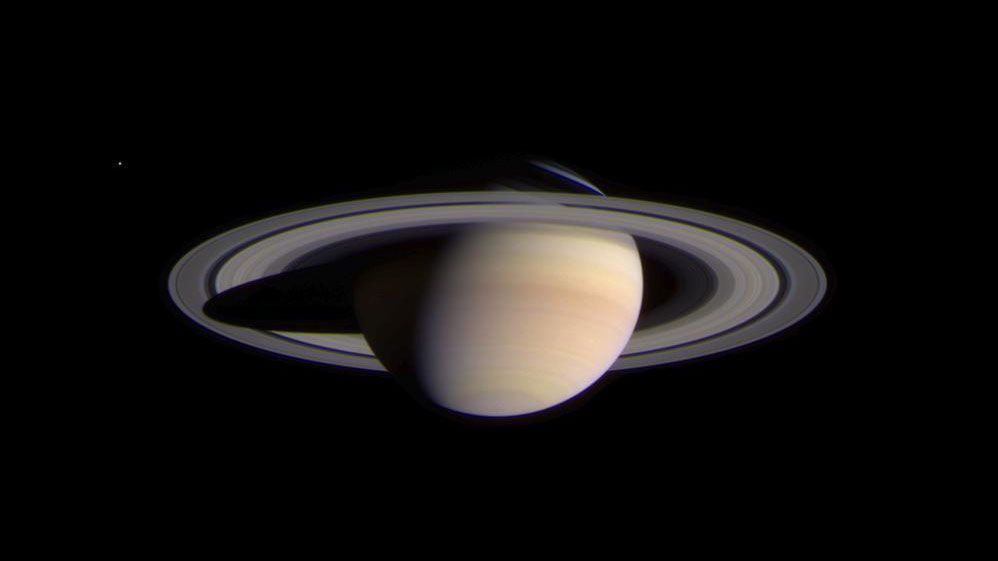
Saturn image used for telescope focal length guide

Optics Fundamentals • 2026

What Focal Length Means in a Telescope

Focal length is not just a spec-sheet number. It controls your practical magnification range, framing style, and how easy your first months of observing or imaging will feel.

1

Core Formula

3

Scope Examples

Fast/Slow

Use-Case Impact

Beginner

Practical Rules

By Telescope Advisor Editorial Team Published: Updated: Editorial Standards

Quick Answer

Focal length is the distance (in mm) from the telescope's primary optic to the focus point. In practical terms, it sets how much magnification you get from each eyepiece and how wide or narrow your sky framing will be.

Magnification formula:

Magnification = Telescope focal length ÷ Eyepiece focal length

Focal Length vs Focal Ratio (f/number)

These are related but not identical. Focal length is a distance. Focal ratio is focal length divided by aperture.

Term What it means Practical effect
Focal lengthDistance to focus (mm)Sets magnification with a given eyepiece.
Focal ratio (f/5, f/10)Focal length divided by apertureImpacts brightness per area and imaging exposure behavior.
ApertureDiameter of lens/mirrorControls light gathering and resolution ceiling.

Three Real Examples

Short FL Example

400mm focal length with 20mm eyepiece

400 ÷ 20 = 20×

Wide framing, easier target acquisition.

Mid FL Example

900mm focal length with 10mm eyepiece

900 ÷ 10 = 90×

Balanced lunar and planetary range.

Long FL Example

2032mm focal length with 10mm eyepiece

2032 ÷ 10 = 203×

High-magnification planetary specialization.

Fast vs Slow Telescopes

Fast (e.g., f/4 to f/6)

  • Wider field with typical eyepieces.
  • Great for large deep-sky targets.
  • Astrophotography-friendly at beginner focal lengths.

Slow (e.g., f/10 to f/13)

  • Naturally higher magnification at same eyepiece.
  • Strong for Moon and planetary detail.
  • Narrower framing for large nebulae.

Eyepiece Compatibility Context

Most beginner scopes use 1.25-inch eyepieces. Focal length does not affect whether an eyepiece physically fits. It changes the magnification and field experience once fitted.

  • Longer eyepiece focal length (e.g., 25mm to 32mm) = lower magnification, wider framing.
  • Shorter eyepiece focal length (e.g., 6mm to 10mm) = higher magnification, narrower framing.
  • Build your first kit by role: one wide finder eyepiece and one medium/high detail eyepiece.

FAQ

Is longer focal length always better?

No. Longer focal length is better for higher-magnification work, but short focal length is often better for wide deep-sky framing and easier target finding.

Do I need high magnification for everything?

No. Many targets look better at moderate power. Over-magnification often reduces clarity under normal atmospheric conditions.

How should a beginner pick focal length?

Start from observing goal first, then choose telescope and eyepieces that deliver practical magnification ranges you can use consistently.

Related Guides