
12-Month Prep Guide for the 2027 Eclipse of the Century
Telescope Advisor Logo Telescope Advisor
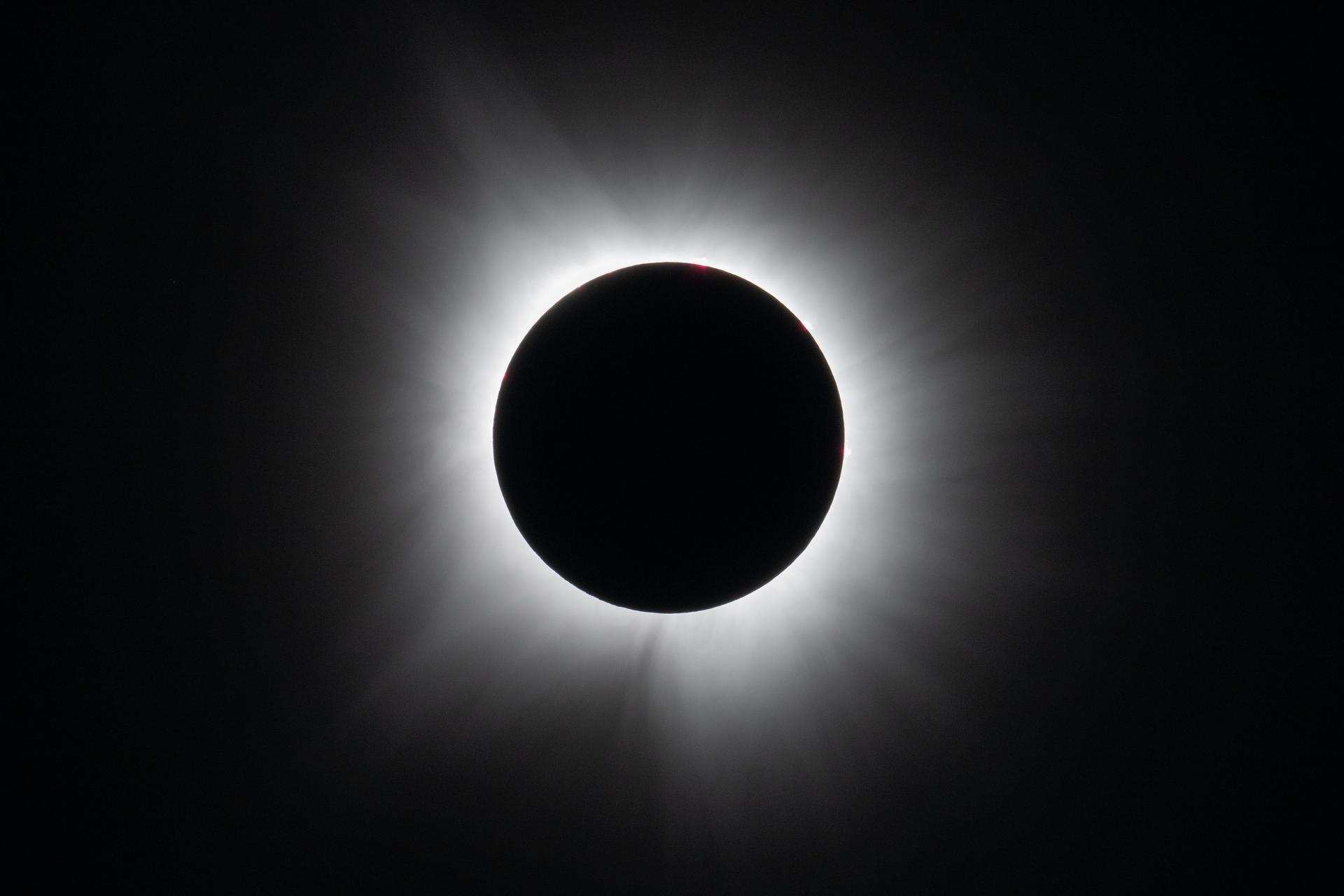
Total solar eclipse corona — the 2027 eclipse offers 6 minutes 23 seconds of totality, the longest until 2150

Eclipse Guide · 2027 Preparation

The Eclipse of the Century Is Next: Your 12-Month Prep Guide for August 2, 2027

If you just experienced the August 12, 2026 total solar eclipse, you have witnessed something remarkable — but the best is yet to come. On August 2, 2027, the Moon casts its shadow across North Africa for 6 minutes and 23 seconds of totality — the longest total solar eclipse until the year 2150. Your 2026 gear will serve you well, but the desert environment demands preparation that a European eclipse simply did not require. This is your 12-month preparation timeline, focused on gear, protection, and planning.

DateAugust 2, 2027
Totality6 min 23 sec
PathMorocco → Algeria → Tunisia → Libya → Egypt
Key challengeDesert heat & dust protection
By Elena Reyes Published: Updated: Reviewed & approved by Juhi Sahni, Senior Editor Editorial Standards
Elena Reyes — Senior Science Editor

Elena Reyes

Senior Science Editor

Covers NASA missions, space science discoveries, and astronomical events for Telescope Advisor. Translates complex astrophysical research into practical insights for backyard observers. Based in the San Francisco Bay Area.

Quick Answer: What Gear Do You Need for the 2027 Eclipse?

Your 2026 eclipse gear is the foundation — but the desert adds three non-negotiable items. Your ISO 12312-2 eclipse glasses, solar binoculars, and front-mounted telescope solar filter all work identically for the 2027 eclipse. The Sun, the Moon, and the physics of solar filtration have not changed. What changes is the environment.

The three additions you need for 2027: (1) a sealed hard case or Pelican-style case to keep fine desert dust out of your optics, (2) a rocket blower and lens cleaning kit because the dust settles on everything within minutes, and (3) a portable shade structure or white reflective cover to keep your equipment from overheating in 40–45°C midday temperatures.

If you do not yet own eclipse glasses or solar filters, buy them now — do not wait until 2027. Prices rise and stock tightens as every major eclipse approaches. Buying 12 months ahead guarantees availability and gives you the entire year to test and familiarize yourself with your equipment.

See our Dual-Eclipse Gear Guide for specific product recommendations that serve both eclipses.


12-Month Preparation Timeline

The 2027 eclipse is 12 months away. Here is a month-by-month timeline to ensure you are ready without scrambling.

Phase 1: Gear Audit — Now (August–October 2026)

  • Inspect your 2026 eclipse glasses and solar filters for damage — scratches, pinholes, delamination
  • If any gear failed the solar filter test, replace it now while stock is abundant
  • Review your 2026 photos. What focal length worked? What equipment do you wish you had brought?
  • Decide: are you bringing the same telescope, or upgrading before 2027?

Phase 2: Desert Prep — November 2026 – February 2027

  • Purchase a hard case with foam (Pelican or Apache) that fits your telescope and accessories
  • Buy a rocket blower, lens cleaning pen, and sealed microfiber cloths
  • Research power banks rated for 45°C+ operating temperatures
  • If flying, check airline carry-on size limits for your telescope and tripod

Phase 3: Logistics — March–June 2027

  • Book flights and accommodation. Egypt (Luxor area) and Tunisia offer the best infrastructure
  • Arrange ground transport — you do not want to rely on taxis for your telescope
  • Check visa requirements (most North African countries require visas for US/UK/EU citizens)
  • Book travel insurance that covers camera/telescope equipment

Phase 4: Final Checks — July 2027

  • Test all equipment in similar conditions (a hot sunny day in your backyard)
  • Verify your power bank holds charge and your camera batteries are fresh
  • Print a hard copy of your eclipse timing sheet — phone batteries may fail in the heat
  • Pack lens cleaning supplies in your carry-on, not checked luggage

What You Can Reuse from the 2026 Eclipse

Good news: most of your 2026 eclipse gear carries over directly. Here is what is safe to reuse and what needs attention before the 2027 event.

Item Reusable? Notes
Eclipse glasses (ISO 12312-2)✅ YesInspect for scratches or delamination. Store in cool, dark place between eclipses.
Solar binoculars✅ YesFixed filters are permanent. Check for dust ingress between the lens and filter.
Telescope solar filter✅ YesInspect Baader film for pinholes. Check glass filters for coating damage. Test before travel.
Camera and lenses✅ Yes2027 desert dust is hard on lens coatings. Bring UV filters as sacrificial protection.
Tripod⚠️ Maybe2027 needs spiked feet for sand. Standard rubber feet slip on loose desert terrain.
Power bank⚠️ MaybeCheck operating temperature rating. Standard power banks may shut down at 45°C.
Hard case✅ YesEssential for both. If you brought one for 2026, it protects equally well for 2027.

Desert Protection Essentials — The Three Non-Negotiables

If you observed the 2026 eclipse from Europe, the 2027 desert environment will be a shock. Here are the three items that separate a successful eclipse expedition from a gear-disaster story.

1. Sealed Hard Case

Fine Saharan dust is insidious. It gets into focuser mechanisms, camera sensor chambers, filter threads, and eyepiece barrels. A hard case with a rubber gasket seal (Pelican, Apache, or Seahorse) is worth every penny. Even a ziplock bag around your eyepieces inside a regular camera bag is better than nothing. The cost of replacing a dust-damaged focuser or sensor is many times the cost of a good case.

2. Rocket Blower + Lens Cleaning Kit

You will need to clean your optics multiple times during the trip. The correct procedure is: (1) use a rocket blower to remove loose dust — never wipe dry dust. (2) Use a soft brush (lens pen) for stubborn particles. (3) Only use wet cleaning (Zeiss wipes or similar) as a last resort. Keep your cleaning tools in a sealed ziplock bag so they stay clean themselves. Practice this process before the trip — muscle memory matters when the eclipse clock is ticking.

3. Shade Structure or Reflector

A pop-up canopy (10×10 ft) provides critical shade for you and your equipment. The Sun at 75° altitude is intense — direct exposure for 30 minutes can overheat electronics and make observing uncomfortable. A white reflective telescope cover (or even a white towel) draped over your scope when not in use prevents the tube from heating up internally. Thermal currents inside a hot telescope tube can degrade image quality during the critical minutes of totality.

Solar Filter Selection for a High-Altitude Midday Eclipse

The 2027 eclipse occurs with the Sun at approximately 70–80° altitude across most of the path — significantly higher than the 2026 eclipse (which was at 20–30° over Spain). This matters for filter selection because the Sun's light passes through less atmosphere at high altitude, making it more intense.

Your existing white-light solar filter (glass or Baader film) is fully adequate for the 2027 eclipse. The same filter that protected your eyes in 2026 provides identical protection in 2027. The difference is viewing comfort: at high altitude, the Sun's glare is more intense. A #12 or #13 neutral-density filter behind the eyepiece (but only if you already have a front-mounted filter) can make viewing more comfortable, but it is never a substitute for a front-mounted filter.

For dedicated solar observers, the 2027 eclipse is an excellent opportunity to use an H-alpha telescope. The long totality (6+ minutes) gives you ample time to study chromospheric details and prominences that change noticeably during the event. An H-alpha scope reveals the Sun's dynamic atmosphere in a way that white-light filters cannot match.

Power and Electronics in Desert Heat

Consumer electronics have operating temperature ranges that are easily exceeded in the North African desert. Standard lithium-ion batteries degrade rapidly above 40°C. Here is how to keep your gear running.

Power Banks

Most power banks are rated for 0–40°C operation. At 45°C, they may shut down or charge at reduced speed. Look for power banks with extended temperature ranges (some industrial-grade banks operate to 60°C). Store power banks in a cooler (without ice — just the insulated compartment) when not in use. A 20,000 mAh bank with Power Delivery provides enough charge for a smart telescope or camera for a full day.

Camera Batteries

DSLR and mirrorless camera batteries lose capacity in heat. Bring twice as many batteries as you think you need. Store spares in an insulated bag or a cooler. A battery grip that holds two batteries provides redundancy and better ergonomics for prolonged shooting. Keep batteries out of direct sunlight — a pocket is better than a hot camera bag.

Smart Telescopes

Smart telescopes (Seestar, Dwarf 3, Origin) generate their own heat during operation. In 45°C ambient temperatures, internal temperatures can reach 55–60°C, triggering thermal shutdown. Use a white umbrella or shade cloth over the telescope. Image during the partial phases in short bursts rather than continuously. The built-in battery will drain faster in heat — plan to use an external USB power bank for extended sessions.

Phone and Tablet

Your phone is your eclipse timer, star chart, and communication device. It will also overheat fastest of any device. Keep it in your pocket or under shade — never in direct sunlight. Download offline star charts and save a screenshot of your eclipse timing table. Print a hard copy as a backup. Phones have been known to shut down from heat during desert eclipses, leaving observers without timing information.

Photography Planning for 6+ Minutes of Totality

The 2027 eclipse offers nearly three times the totality duration of 2026. For photographers, this extra time changes your strategy significantly. In 2026, with 2 minutes 18 seconds, you had time for perhaps 10–15 exposures and a quick naked-eye look. In 2027, 6 minutes 23 seconds allows for multiple camera setups, filter changes, and — most importantly — time to simply look up and experience the corona with your own eyes.

Recommended Exposure Sequence

With 6+ minutes of totality, you can bracket exposures across a wider range. Suggested sequence: start with short exposures (1/1000s) for the inner corona and diamond ring, then progressively longer exposures (1s, 2s, 5s) to capture the outer corona and prominences. The total sequence takes approximately 3–4 minutes, leaving you 2–3 minutes to simply observe or switch to a second camera setup.

Wide-Angle Opportunities

The long totality makes wide-angle photography particularly rewarding. A second camera on a tripod with a 14–24mm lens can capture the 360-degree sunset effect, the diamond ring, and the darkened landscape without competing with your main telescope camera. The 2027 eclipse path crosses desert landscapes that provide unobstructed horizons — ideal for wide-angle compositions that were impossible in Spain's hilly terrain.

Sensor Dust Warning

Changing lenses in a desert environment is risky. If you plan to use multiple cameras or switch lenses during the eclipse, do it inside a changing bag or inside a vehicle with windows up. A single dust speck on your sensor can ruin dozens of frames. Consider using two complete camera bodies rather than changing lenses.

Frequently Asked Questions

Can I use the same eclipse glasses for the 2027 eclipse?

Yes, if they are undamaged and certified to ISO 12312-2. Inspect them carefully for scratches, pinholes, or delamination before use. Store them in a cool, dark place between eclipses.

How long is totality for the 2027 eclipse?

Maximum totality is 6 minutes and 23 seconds, occurring near the Egypt–Sudan border. This is the longest total solar eclipse until the year 2150. The duration varies by location within the path — locations near the centerline get the longest duration.

What special gear do I need for the 2027 desert eclipse?

Three essentials: a sealed hard case to protect optics from fine desert dust, a rocket blower and lens cleaning kit, and a shade structure or white reflector to keep equipment from overheating in 40-45°C temperatures.

Where is the best place to see the 2027 eclipse?

The path crosses Morocco, Algeria, Tunisia, Libya, and Egypt. Luxor, Egypt offers the best combination of infrastructure, weather prospects, and tourism amenities. Tunisia's desert locations also offer excellent access. Libya is largely inaccessible for tourism.

Is the 2027 eclipse visible from the United States?

No. The path of totality crosses North Africa and the Middle East. A partial eclipse will be visible from parts of Europe and western Asia. US viewers will need to travel to North Africa or watch via free livestreams.

When should I start preparing for the 2027 eclipse?

Start now. Gear availability is best 6-12 months before an eclipse. Book flights and accommodation 6-8 months ahead. Check visa requirements early. Test all equipment at least a month before the event. The 12-month timeline in this guide provides a detailed month-by-month plan.