
Best Solar Telescope 2026: Complete Buying Guide for Solar Maximum
Telescope Advisor Logo Telescope Advisor
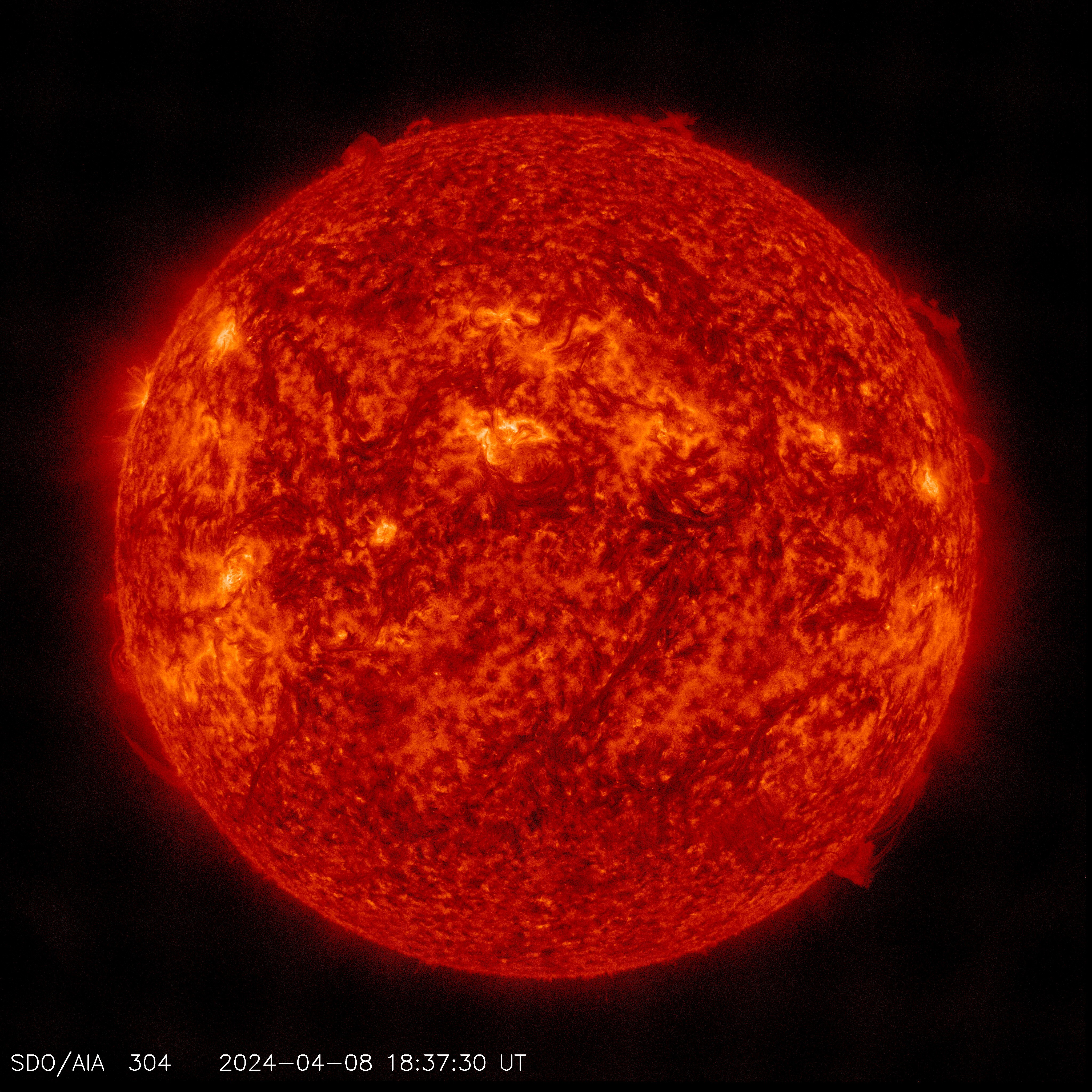
The Sun in extreme ultraviolet during Solar Cycle 25 maximum — showing intense active regions and sunspot groups

Buying Guide · Solar Maximum 2026

Best Solar Telescope 2026 — Complete Buying Guide for Solar Maximum

Solar Cycle 25 is at its peak in 2026, making this the best time in over a decade to invest in a solar telescope. From budget white-light filters that reveal sunspots to dedicated hydrogen-alpha telescopes that show solar prominences in stunning detail, this guide covers every option.

Best overallLunt LS50 (H-alpha)
Best budgetSolar filter + refractor
Best for beginnersCelestron EclipSmart
Solar cycleCycle 25 peak 2024–2027
By Telescope Advisor Editorial Team Published: Updated: Editorial Standards Solar Safety Guide →

Quick Answer: Which Solar Telescope Should You Buy?

The best solar telescope for you depends on your budget and what you want to see. For sunspots only (white-light): add a solar filter to any existing telescope — this costs $40–$100 and shows the dark spots and granulation on the Sun's surface. For prominences and flares (H-alpha): a dedicated solar telescope like the Lunt LS50 or Coronado PST reveals the Sun's chromosphere with erupting prominences, filaments, and flare activity. For the best value: the Lunt LS50 at around $500 offers the most affordable dedicated H-alpha viewing. For absolute safety and simplicity: the Celestron EclipSmart series includes binoculars and telescopes with built-in solar filters that are ready to use out of the box.

White-Light vs. H-Alpha — Understanding the Difference

Before choosing a solar telescope, it is essential to understand the two main types of solar observation. White-light solar observation uses a filter that blocks all but a tiny fraction of the Sun's full spectrum, allowing you to see the photosphere — the visible surface of the Sun. Through a white-light filter at 50–100×, you can see sunspots (dark regions where magnetic field lines pierce the surface), the lighter penumbra surrounding them, and subtle granulation across the solar disc. White-light observation is the simplest, most affordable way to observe the Sun, and any telescope can be equipped with a white-light filter.

Hydrogen-alpha (Hα) solar observation uses a narrowband filter tuned to the 656.28 nm wavelength of excited hydrogen, blocking all other light. This reveals the Sun's chromosphere — the layer above the photosphere — where prominences (enormous loops of plasma extending hundreds of thousands of kilometres into space), filaments (prominences seen against the disc), and solar flares are visible. Hα telescopes cost significantly more ($500–$6,000) but reveal dynamic solar features that change in minutes. During solar maximum, Hα observing is particularly rewarding because prominence and flare activity peaks.

Type What You See Tier Best For
Solar filter onlySunspots, granulationEntryFirst-time observers on a budget
EclipSmart binocularsSunspots (naked-eye view)EntryPortable, instant setup, solar eclipse travel
Dedicated Hα telescopeProminences, filaments, flares, chromosphereMid-tier to PremiumEnthusiasts who want to see the dynamic Sun
The Sun in hydrogen-alpha light showing active regions, prominences and solar flares as seen through a dedicated solar telescope during Solar Cycle 25 maximum

Credit: NASA/SDO — Solar Dynamics Observatory

Best Solar Telescopes — Top Recommendations

Editor's Pick — Best Overall Solar Telescope
Celestron EclipSmart Solar Filter

White-Light Filter + Your Existing Telescope

The single best value in solar observing: add a Celestron EclipSmart white-light solar filter to a telescope you already own. A 70mm filter on a 70mm refractor at 50–60× reveals sunspot groups in crisp detail, showing the dark umbra and textured penumbra of each spot. During the August 12, 2026 eclipse, the same filter lets you safely observe the partial phases. This is the most affordable path to solar observation and the best starting point for any beginner.

Celestron AstroMaster 70AZ

Celestron AstroMaster 70AZ

An excellent solar companion scope. The 70mm aperture paired with a solar filter provides bright, detailed sunspot views at a comfortable price point.

Celestron SkyMaster 15x70

Celestron SkyMaster 15×70

For wide-field solar viewing. With solar filters on both objectives, 15×70 binoculars reveal the Sun's disc and any large sunspot groups.

Solar Safety — Critical Information

Never look at the Sun through a telescope, binoculars, or any optical device without a certified solar filter properly attached to the front (objective) end. The concentrated sunlight will instantly and permanently damage your eyes — there is no pain because the retina has no pain receptors. Only use filters specifically designed for solar observation. Never use eyepiece filters (which can crack from heat), never use eclipse glasses with a telescope, and never point an unfiltered telescope at the Sun even for a second.

For complete solar observing safety instructions and equipment recommendations, see our dedicated solar observing guide. For further reading, download the free AAVSO Solar Observing Guide and consult NASA's SOHO mission safety pages.


Frequently Asked Questions

Do I need a special telescope to see sunspots?

No — any telescope becomes a solar telescope when fitted with a proper white-light solar filter. A 70mm refractor with a $40–$60 filter reveals sunspots clearly at 50× magnification. Dedicated H-alpha telescopes are needed only to see prominences and the chromosphere.

What is the difference between a solar filter and a solar telescope?

A solar filter attaches to any ordinary telescope to make it safe for solar viewing (white-light only, showing sunspots). A dedicated solar telescope is built specifically for solar observation, typically with a built-in H-alpha filter that reveals prominences, filaments, and the chromosphere. Dedicated solar telescopes cost more but show much more solar activity.

Can I use a regular telescope for H-alpha solar viewing?

Yes — but you need a dedicated H-alpha filter system like the DayStar Quark, which inserts into the telescope's focuser and costs $1,000–$2,000. This converts any telescope into an H-alpha scope. However, the telescope must have enough focal ratio (f/10 or slower) to work with the filter, making it a more advanced solution.

What is the best solar telescope for beginners?

The best beginner setup is a Celestron AstroMaster 70AZ ($150–$200) plus a Celestron EclipSmart 70mm solar filter ($50). This combination provides excellent white-light solar views and can also be used for nighttime observation. For a beginner who wants to see prominences from day one, the Coronado PST ($750) is the entry-level H-alpha choice.

How much does a solar telescope cost?

Solar observing can start at under $100 (solar filter for an existing telescope). A complete beginner white-light setup costs $150–$250. Dedicated H-alpha telescopes range from $500 (Lunt LS50) to $2,000+ (Lunt 100mm, Coronado Solarmax). Professional-grade systems can exceed $6,000.