Perseids + Total Solar Eclipse August 12, 2026: Same-Day Double Event Guide
Telescope Advisor Logo Telescope Advisor
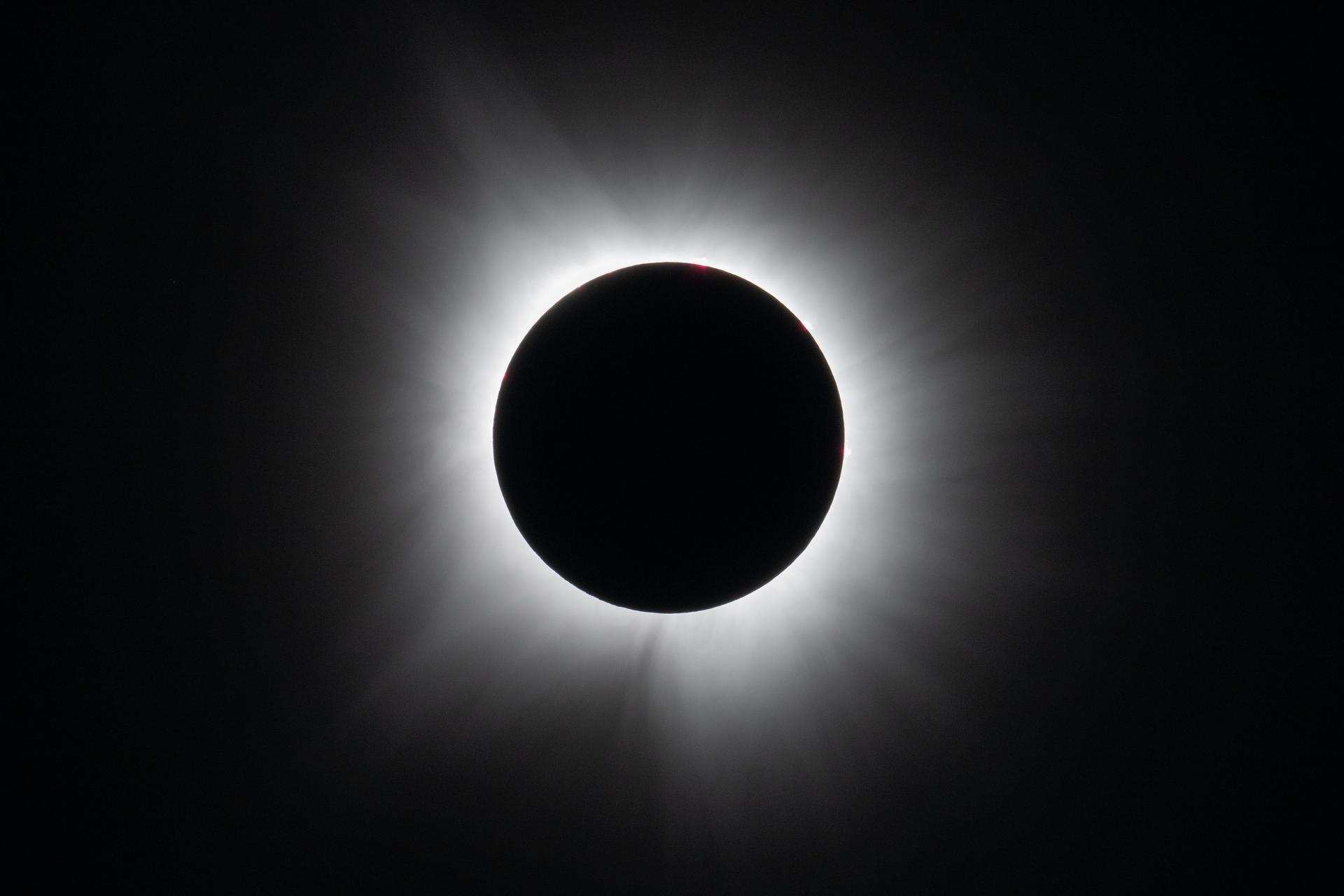
The Sun's corona during a total solar eclipse — on August 12, 2026, a total eclipse across Spain and Iceland will be followed hours later by the Perseid meteor shower peak

Double Sky Event · August 12, 2026

Perseids + Total Solar Eclipse — Same-Day Double Event August 12, 2026

August 12, 2026 offers an unprecedented double sky event: a total solar eclipse visible from Spain, Iceland, and Greenland at 11:27 UT, followed hours later by the peak of the Perseid meteor shower. This guide covers how to experience both, where to be, and the best gear to bring.

DateAugust 12, 2026
Eclipse at11:27 UT (Spain/Iceland)
Perseids peak~22:00 UT (worldwide)
Best toolEclipse glasses + binoculars
By Telescope Advisor Editorial Team Published: Updated: Editorial Standards Solar Max 2026 →

Why This Day Is Unprecedented

August 12, 2026 will be remembered as one of the most remarkable days in the history of observational astronomy. On this single date, two of the most spectacular sky events — a total solar eclipse and the peak of the Perseid meteor shower — occur within hours of each other. This coincidence is extraordinarily rare: the last time a major total solar eclipse and a major meteor shower peak fell on the same calendar date was over 150 years ago. The 2026 event is unique because the eclipse path crosses populated regions of Europe, and the Perseids peak conveniently occurs during the same evening worldwide.

The sequence of events on August 12 is as follows: the total solar eclipse begins at 11:27 UT (13:27 CEST in Spain), with the path of totality crossing northern Spain, the Mediterranean Sea, Greenland, and Iceland before ending in the Arctic. Approximately 10 hours later, as Earth rotates into the Perseid meteor stream, the annual Perseid meteor shower reaches its peak activity around 22:00 UT, producing up to 100 meteors per hour under ideal conditions. For observers positioned along the eclipse path, the day offers an unmatched astronomical experience — witness the Sun's corona during the afternoon, then watch shooting stars streak across a dark sky that night.
The Total Solar Eclipse — Path and Timing

The total solar eclipse of August 12, 2026 belongs to Saros cycle 147 and will be visible as a total eclipse along a narrow path approximately 180 kilometres wide. The path of totality begins in the North Atlantic Ocean, crosses the northern coast of Spain (including the cities of Oviedo, Santander, and Bilbao), passes over the Mediterranean Sea near the Balearic Islands, then crosses Greenland and Iceland before ending in the Arctic Ocean. The maximum duration of totality is 2 minutes and 18 seconds, occurring over the North Atlantic south of Iceland.

For European observers, the eclipse offers an accessible totality experience: northern Spain provides the best combination of accessibility, weather prospects, and infrastructure. The Spanish cities of Oviedo and Santander lie directly in the path of totality and have regular international flights. The total phase begins in Spain at approximately 13:27 CEST (11:27 UT). Partial phases visible across most of Europe, North Africa, and the eastern Americas — with at least 50% obscuration across the UK, France, Germany, and Italy. For detailed eclipse timing by city and eclipse safety, see our best eclipse glasses guide.

The Perseid Meteor Shower — Peak That Night

The Perseid meteor shower is the most popular annual meteor shower, known for producing bright, fast meteors with persistent trains. In 2026, the Perseids peak on the night of August 12–13, with the highest hourly rates expected around 22:00 UT on August 12. Under ideal conditions — a dark sky, the radiant high overhead, and no moonlight — observers can expect 80–100 meteors per hour. The Moon sets before midnight on August 12, providing dark skies for the best viewing after midnight local time.

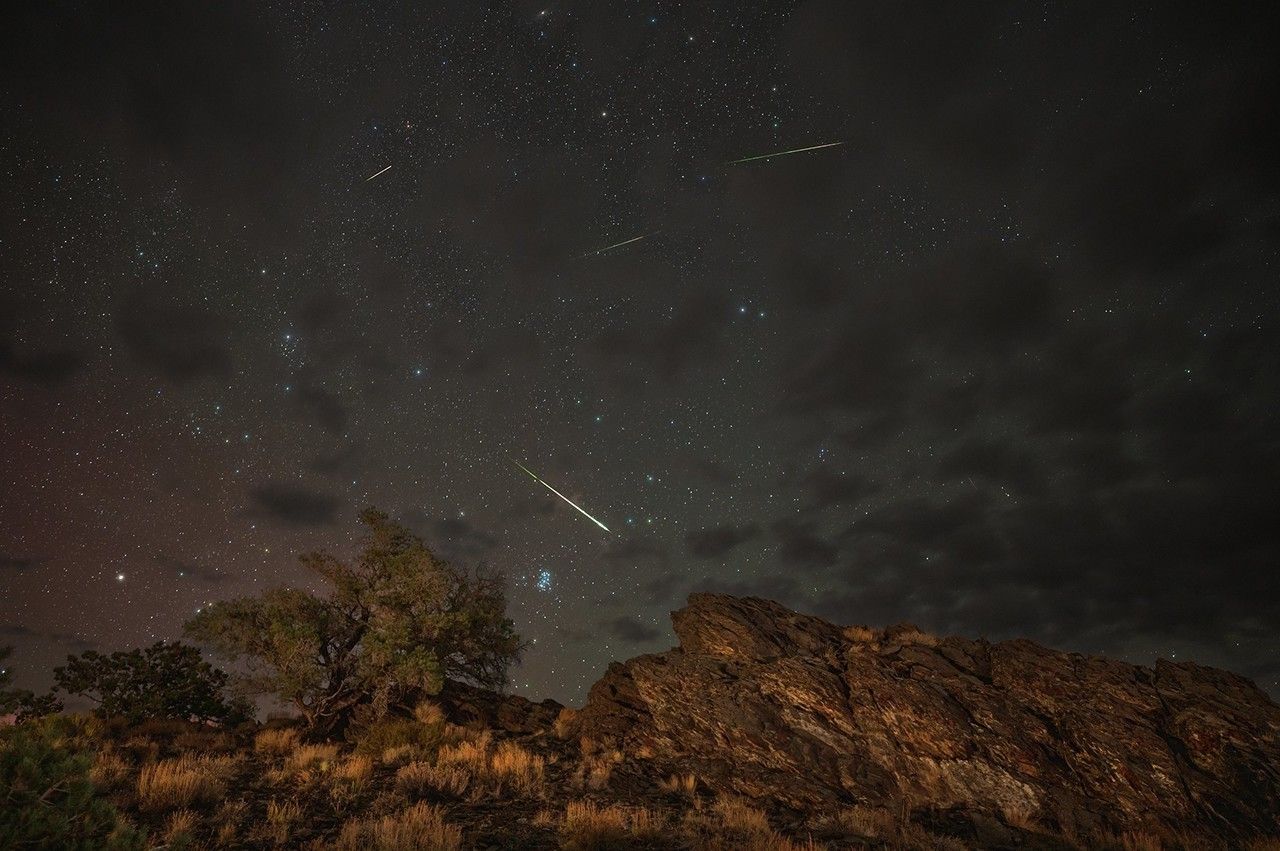
A Perseid meteor streaking across the sky above Bishop, California during the annual meteor shower — on August 12, 2026, the Perseids peak hours after a total solar eclipse

Credit: NASA/JPL-Caltech

The Perseids are caused by Earth passing through the debris trail left by Comet Swift-Tuttle, which last passed through the inner solar system in 1992. The particles are small — typically sand-grain to pea-sized — but they hit Earth's atmosphere at 59 kilometres per second, creating brilliant ionisation trails that we see as shooting stars. Many Perseids are bright enough to be visible from light-polluted suburban skies, but a dark-sky location will reveal the fainter members and the occasional bright fireball.

How to Plan the Perfect Double-Event Day

The Sun's corona visible during a total solar eclipse — on August 12, 2026, a total eclipse crosses Spain and Iceland just hours before the Perseid meteor shower peaks

Credit: NASA/Aubrey Gemignani — Total solar eclipse corona

Time (UT) Local (Spain CEST) Event Activity
08:00 UT10:00 CESTPartial eclipse beginsSet up solar-filtered telescope at eclipse viewing site in northern Spain
11:27 UT13:27 CESTTotality (2 min 18 sec)Observe corona with naked eye, binoculars. Remove solar filters only during totality
12:00 UT14:00 CESTPartial eclipse endsReplace solar filters, pack up eclipse gear
14:00–20:00 UT16:00–22:00 CESTTravel to dark-sky siteRelocate to a dark-sky location for meteor watching. Eat, rest, prepare
~22:00 UT~00:00 CESTPerseids peak beginsSet up for meteor observation: reclining chair, warm layers, red flashlight
00:00–04:00 UT02:00–06:00 CESTBest Perseid viewingMoon has set. Darkest skies. Zenith hourly rate 80–100 meteors

For observers outside the eclipse path, the Perseids alone are still a major event. The best approach is to watch the partial eclipse (visible across Europe, North Africa, and the eastern Americas) through proper solar filters during the afternoon, then head to a dark-sky site for the Perseid peak that night. Even a 50% partial eclipse is a stunning sight through eclipse glasses or a solar-filtered telescope, and the Perseids that night will be unaffected by the Moon, which sets before the shower intensifies after midnight.

Best Gear for the Double Event

This unique day requires two very different sets of equipment: solar viewing gear for the eclipse and wide-field optics for the meteor shower. Here is what you need for both.

Editor's Pick — Best for Both Events
Celestron EclipSmart Solar Filter 70mm

Celestron EclipSmart Solar Filter + 10×50 Binoculars

The perfect double-event kit pairs a white-light solar filter for your existing telescope with a wide-field binocular for meteor watching. The Celestron EclipSmart 70mm filter fits most 70mm refractors, letting you observe sunspots and the partial phases safely. After the eclipse, switch to 10×50 binoculars for sweeping the Perseid radiant across the sky — binoculars reveal fainter meteors and their colourful trails better than the naked eye.

Celestron UpClose G2 10x50

Celestron UpClose G2 10×50

A classic meteor-watching binocular. The 7-degree field frames the Perseid radiant with context, and the 50mm aperture reveals fainter meteors.

Helioclipse Solar Eclipse Glasses

Helioclipse ISO Solar Glasses

ISO 12312-2 certified eclipse glasses for safe naked-eye viewing of the partial phases. Essential for any eclipse observer.

Where to Be for the Double Event

The ideal location for the full double-event experience is northern Spain, where the total eclipse occurs in mid-afternoon with favourable weather prospects, followed by a night of meteor watching at a dark-sky site. The Spanish region of Asturias, around the city of Oviedo, offers excellent infrastructure, high-quality accommodations, and access to dark-sky areas in the Picos de Europa National Park — one of the best dark-sky destinations in southern Europe. The combination of urban convenience for eclipse day and mountain darkness for meteor night makes Asturias the premier destination for August 12, 2026.

For Iceland, the eclipse occurs late in the afternoon local time, with totality visible from the Reykjavik region and the southern coast. However, August weather in Iceland is notoriously cloudy, and the short summer nights mean darkness for the Perseids does not arrive until near midnight. Iceland offers a more adventurous but less reliable option — the landscape is spectacular, but cloud cover could obscure either or both events.

For observers everywhere else, the Perseid peak is the main event. The partial solar eclipse is visible across Europe, North Africa, and the eastern Americas, but the Perseids are visible worldwide. The best strategy is to find a dark-sky location near you, watch the partial eclipse during the afternoon through proper solar filters, then enjoy the meteor shower that night. Check our dark-sky national parks guide for US viewing locations or our European dark sky parks guide for European sites.


Frequently Asked Questions

Can I watch both the eclipse and the Perseids from the same location?

Yes — if you are in northern Spain. The total eclipse occurs at 13:27 CEST near Oviedo/Santander. After the eclipse, travel to a dark-sky area like Picos de Europa National Park (2–3 hours drive). By midnight, the Moon has set and the Perseids are at their peak. This is the only location where you can experience totality and the meteor shower peak from the same region.

Do I need eclipse glasses to watch the Perseids?

No — you only need eclipse glasses for the solar eclipse during the afternoon. The Perseid meteor shower is 100% safe to watch with the naked eye, binoculars, or any telescope without filters. This is one of the reasons the double event is so accessible: you need filters for the eclipse, but not for the meteor shower.

What time is the Perseid meteor shower peak on August 12?

The Perseids are expected to peak around 22:00 UT (midnight CEST) on August 12, with the highest rates visible after the Moon sets around midnight. The best viewing window is from midnight to dawn local time on August 13, when the sky is darkest and the radiant is highest.

How many meteors can I expect per hour?

Under ideal dark-sky conditions (Bortle 3 or better), up to 100 meteors per hour near the peak. From suburban skies (Bortle 5–6), expect 20–40 per hour. The brightest Perseids are visible even from cities, but the fainter ones require dark skies. The Moon sets before midnight, providing excellent conditions for the peak hours.

What is the best telescope to see the eclipse?

Any telescope with a properly fitted solar filter works well. A 70–80mm refractor at 40–60× shows the partial phases of the eclipse beautifully, revealing sunspots and the Moon's gradual passage across the Sun's disc. During totality, the filter can be removed to see the corona and solar prominences. Binoculars with solar filters on both objective lenses also work well.