
Best Telescope Mount for Astrophotography (2026): HEQ5 vs CEM26 vs EQ6-R Pro
Telescope Advisor Logo Telescope Advisor
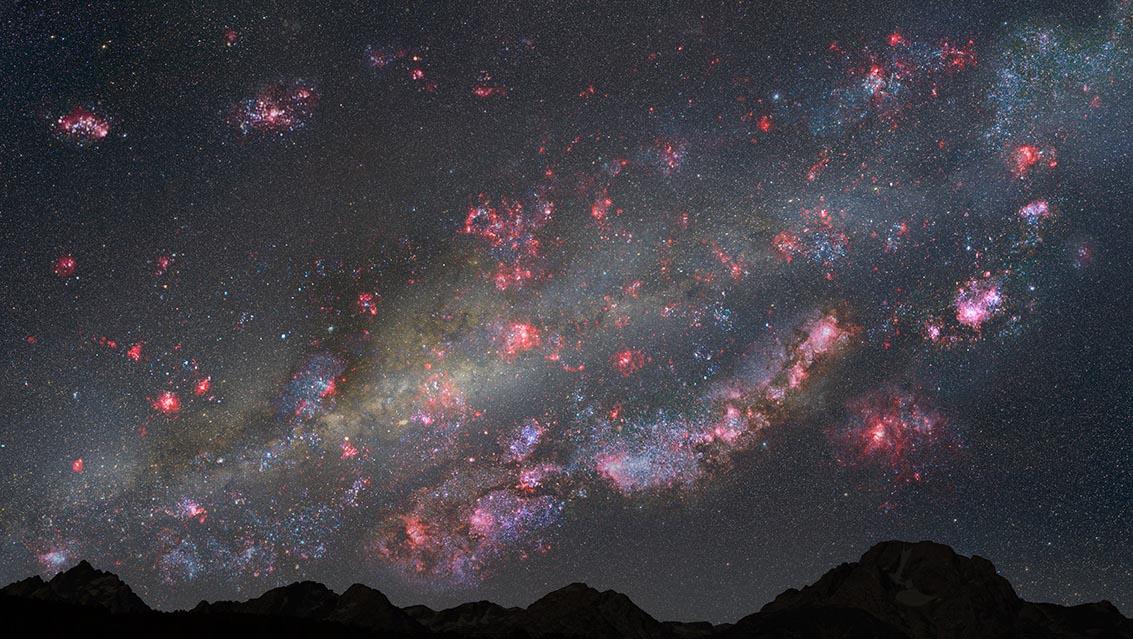
Milky Way sky representing long-exposure mount tracking

Astrophotography Mount Guide - 2026

Best Telescope Mount for Astrophotography (2026): HEQ5 vs CEM26 vs EQ6-R Pro

The mount decides whether your stars stay tight or trail. This guide helps you choose between HEQ5, CEM26, and EQ6-R Pro using payload math, workflow fit, and realistic first-year growth plans.

2:1 Rule

Payload margin matters

EQ First

For long exposures

GoTo

Saves setup time

5+ Years

Mount-led upgrade path

By Telescope Advisor Editorial Team Published: Updated: Editorial Standards

Quick Answer: What Is the Best Mount for Most Beginner and Intermediate Imagers?

For most people, the HEQ5 class is the best first serious astrophotography mount. It has enough capacity for typical 60mm to 100mm refractors while staying manageable in weight and setup complexity.

If your rig will stay very compact, the CEM26 class is easier to carry. If you know you are moving into heavier tubes or dual-camera systems, the EQ6-R Pro class gives more long-term headroom.

Why the Mount Usually Matters More Than the OTA

Your optical tube controls field of view and focal length. Your mount controls tracking stability, repeatability, and whether long exposures stay usable. A premium tube on an unstable mount still produces soft stars and throwaway subs.

For most new imagers, a smaller refractor on a reliable equatorial mount outperforms a larger tube on an overloaded mount. Better tracking almost always wins over bigger aperture in first-year deep-sky results.

Top Mount Picks for Astrophotography

Editor's Pick - Best Balance of Stability and Value
Equatorial mount class reference image for HEQ5 tier

1) Sky-Watcher HEQ5 Pro

Strong first serious mount for people running a 60mm to 100mm refractor, guide scope, and cooled camera. This class gives enough tracking headroom without jumping immediately into heavier transport and setup demands.

⚖️

2) iOptron CEM26

Compact center-balanced option for lighter imaging rigs and frequent travel sessions. It is a practical choice when your gear weight is modest and portability is a hard requirement.

View on Amazon -
🏋️

3) Sky-Watcher EQ6-R Pro

Best fit when you already know you will grow into heavier optical tubes or multi-accessory setups. The extra capacity margin makes it easier to keep stars tight as system complexity increases.

View on Amazon -

The 2:1 Payload Rule (Simple Version)

For deep-sky imaging, keep your full imaging rig around half of rated mount capacity. This keeps tracking error and wind sensitivity more manageable.

Mount Typical Max Visual Payload Comfortable Imaging Payload Best Use Case
HEQ5 ProMid-capacity classRoughly half of rated max80mm to 100mm refractor imaging rigs
CEM26Portable mid-light classRoughly half of rated maxTravel-friendly compact refractor setups
EQ6-R ProHigher-capacity classRoughly half of rated maxHeavier OTA, OAG, and dual-camera growth

Count everything in your payload: OTA, guide scope or OAG, camera, filter drawer, dew gear, cable strain relief, and dovetail hardware.

🔭

Not sure which telescope actually fits your goals?

Answer 5 quick questions about your budget, observing targets, and experience level — our Telescope Finder Tool recommends a specific model in under 2 minutes.

Find My Telescope →

Alt-Az vs Equatorial: Which One for Imaging?

Alt-Az Mounts

  • Easier first-time setup for visual observing.
  • Great for Moon and planets with short video capture.
  • Field rotation limits deep-sky long exposures.

Equatorial Mounts

  • Built for long-exposure tracking when polar aligned.
  • Supports guiding workflows and repeatable deep-sky runs.
  • Higher setup complexity, but far better imaging ceiling.

GoTo vs Manual Mounts for Astrophotography

GoTo is usually worth it for imaging. It reduces target acquisition friction, improves repeat framing on multi-night projects, and helps beginners spend more time collecting usable data.

Manual mounts can work for short focal lengths and wide-field experiments, but they become a bottleneck quickly once you start guided deep-sky sessions.

FAQ: Choosing an Astrophotography Mount

Can I start deep-sky imaging on an Alt-Az mount?

You can start with short exposures, but serious deep-sky results are much easier with an equatorial mount because it avoids field rotation during longer subs.

Is HEQ5 enough for a beginner imaging rig?

For most beginner and intermediate refractor setups, yes. HEQ5 class mounts are a strong long-term platform when payload is managed correctly.

When should I jump to EQ6-R Pro class?

Move up when your total rig weight and accessories push you close to mid-class limits, or when you plan to run heavier optical tubes and more complex imaging trains.