
Best Telescope for Viewing Nebulae 2026: Top Picks for M42, Orion, and Deep-Sky Nebula Observing
Telescope Advisor Logo Telescope Advisor
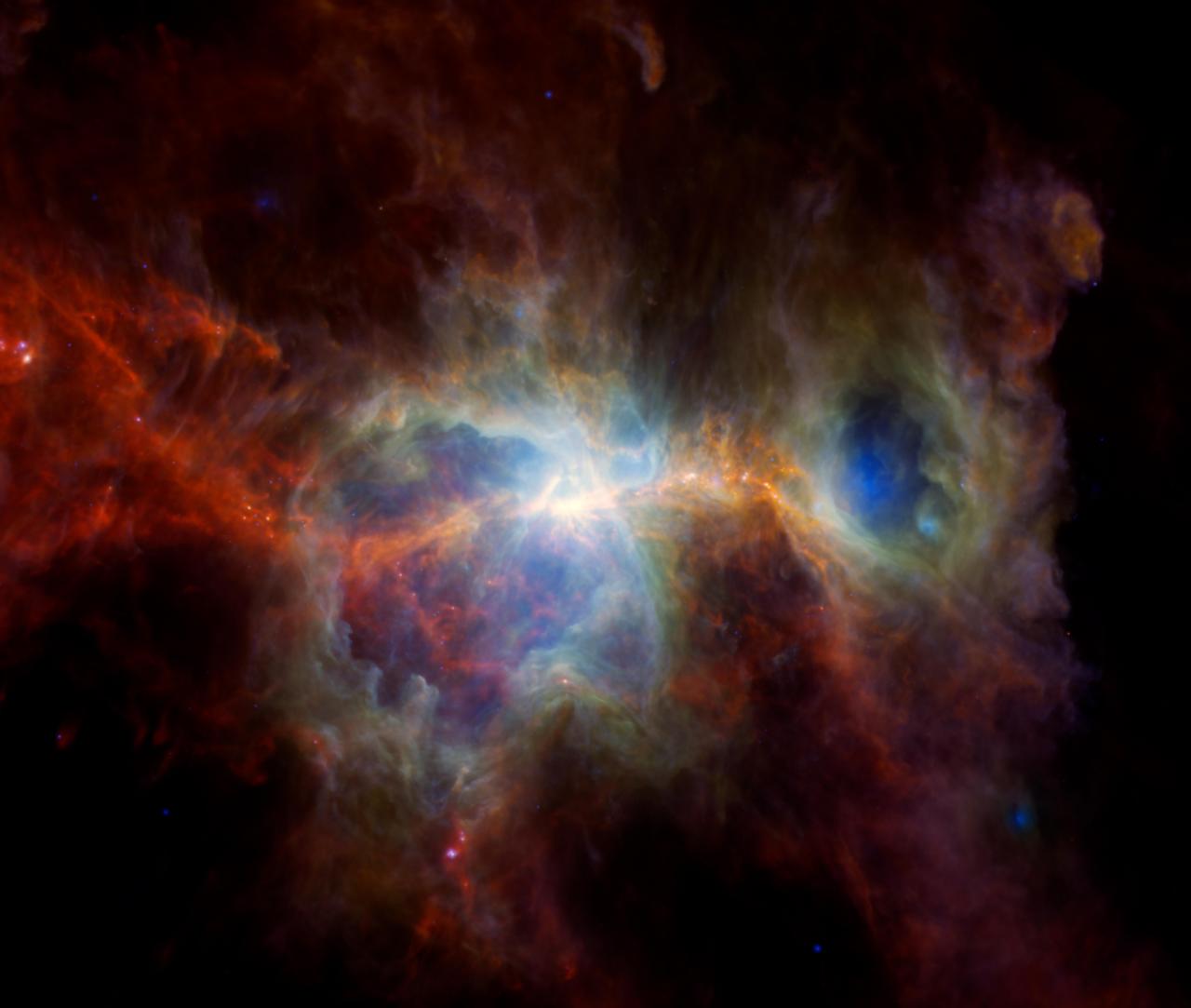
Orion Nebula M42 as captured by Hubble — the brightest emission nebula and top target for amateur telescopes

Buying Guide · Deep-Sky 2026

Best Telescope for Viewing Nebulae 2026

Nebulae are the most visually rewarding deep-sky objects — glowing clouds of gas and dust where stars are born. The Orion Nebula (M42) is the brightest and most accessible, but dozens of emission, reflection, and planetary nebulae await the right telescope. This guide ranks the best telescopes for nebula viewing in 2026, from budget Dobsonians that reveal M42's wings to premium set-ups with narrowband filters that pull out structure from even light-polluted skies.

130mm+

Recommended Aperture

$$-$

Budget to Premium

UHC/OIII

Nebula Filter Helps

Aperture

Priority for Detail

By Telescope Advisor Editorial Team Published: Updated: Editorial Standards

Quick Answer: What Is the Best Telescope for Nebulae?

The Sky-Watcher Classic 200P Dobsonian (8-inch) is the best telescope for nebula viewing under $600. Its 203mm aperture gathers enough light to reveal the Orion Nebula's full wing structure, the Fish Mouth dark lane, and six Trapezium stars. Add a UHC or OIII nebula filter (like the Celestron 94123 UHC/LPR) and the same telescope transforms from good to exceptional on faint emission nebulae like the Lagoon Nebula (M8), Swan Nebula (M17), and Veil Nebula (NGC 6992). For a more portable option, the Sky-Watcher Heritage 130P is the best budget-friendly nebula scope under $250.


🔭

Not sure which telescope actually fits your goals?

Answer 5 quick questions about your budget, observing targets, and experience level — our Telescope Finder Tool recommends a specific model in under 2 minutes.

Find My Telescope →

Why Aperture Matters for Nebula Viewing

Nebulae are fundamentally different from star clusters or planets. They are extended, low-surface-brightness objects whose light is spread across a large apparent area. This means aperture is the single most important specification for nebula observing — but the relationship is different than for galaxies.

Unlike galaxies, many emission nebulae emit light in specific narrow wavelength bands — primarily hydrogen alpha (656nm), doubly ionized oxygen (OIII at 501nm), and hydrogen beta (486nm). This is why nebula filters are uniquely effective: a UHC filter passes these key wavelengths while blocking the broad spectrum of light pollution, dramatically increasing contrast. With a quality UHC filter, a 6-inch telescope under suburban skies can outperform an unfiltered 10-inch under the same conditions on emission nebulae like the Veil or Lagoon.

Aperture vs Nebula Visibility — What Each Size Reveals

60–80mm (small refractor)M42 visible as a fuzzy patch. Brighter planetary nebulae (Ring, Dumbbell) detectable.
100–130mm (entry reflector)M42 shows wing structure and Trapezium stars. M43 separated. Lagoon visible.
150–200mm (mid-range)Full M42 detail with Fish Mouth. Swan, Trifid, and Eagle nebulae show structure. OIII filter reveals Veil.
250–300mm+ (large Dobsonian)Subtle color hints in brightest nebulae. Planetary details. Faint Veil and Crescent filaments traced.

The Role of Nebula Filters: UHC vs OIII

A nebula filter is the single highest-value accessory for anyone serious about observing emission nebulae. Here is the difference:

Filter Type Wavelengths Passed Best For Typical Price
UHC (Ultra High Contrast)H-beta + OIII (486–501nm)All-purpose: Orion, Lagoon, Swan, Eagle, North America nebulae$50–$120
OIII (Oxygen III)Narrow OIII (501nm)Veil, Crescent, Helix, Ring, Dumbbell — fainter planetary nebulae$60–$150
H-betaNarrow H-beta (486nm)Horsehead Nebula, California Nebula — very specific targets$80–$160

Recommendation: Start with the Celestron 94123 1.25-inch UHC/LPR Filter. It is the best value all-purpose nebula filter at ~$70 and works with any telescope that accepts 1.25-inch eyepieces. Add an OIII filter later for the Veil Nebula and planetary nebulae. For a premium option, the Astronomik UHC and OIII filters offer slightly wider transmission bands and better coatings.

For a more detailed breakdown, see our full light pollution filter guide.

Quick Comparison: Best Nebula Telescopes

Telescope Aperture Focal Ratio Mount Best For Price
Sky-Watcher Classic 200P203mm (8")f/5.9DobsonianAperture per dollar — best value$$
Sky-Watcher Heritage 130P130mm (5")f/5Tabletop DobsonianBudget + portable$
Celestron NexStar 8SE203mm (8")f/10GoToComputerized nebula tours$$$
Sky-Watcher Heritage 150P150mm (6")f/5Tabletop DobsonianBest mid-range value$$


1. Sky-Watcher Classic 200P Dobsonian — Editor's Pick

Editor's Pick — Best Overall Nebula Telescope
Sky-Watcher Classic 200P 8-inch Dobsonian telescope — best telescope for nebula viewing

Sky-Watcher Classic 200P Dobsonian

203mm aperture 1200mm focal length f/5.9 2" focuser

The Classic 200P is the sweet spot for nebula observing because it combines light-gathering power with the wide fields that most nebulae require. At 48× with a 25mm eyepiece, the Orion Nebula fills the field with bright, structured detail — wings extending outward, the dark Fish Mouth lane cutting into the core, and the Trapezium stars blazing at the center.

With a UHC filter threaded into a 25mm eyepiece, the 200P becomes a different instrument on emission nebulae. The Lagoon Nebula (M8) shows its bright hourglass core and dark dust lanes. The Swan Nebula (M17) appears as a distinctive checkmark shape. The Veil Nebula's faint filaments become traceable with an OIII filter. No other sub-$600 telescope reveals this level of nebula detail.

  • 8-inch aperture reveals wing structure and dark lanes in M42
  • Works beautifully with UHC/OIII nebula filters
  • 2-inch focuser for wide-field nebula views
  • Bulky — requires car transport to dark sites
  • Best results require adding a UHC filter ($50–$70 extra)
View on Amazon →

Affiliate link — we may earn a small commission at no extra cost to you.

Must-have accessory: Celestron 94123 UHC/LPR Filter

This ~$70 1.25-inch filter transforms the 200P's nebula performance. It blocks virtually all light pollution wavelengths while passing the H-beta and OIII lines that emission nebulae shine in. On the Orion Nebula from suburban skies, it reveals outer wing extension that is invisible without it. On the Lagoon Nebula, the hourglass core contrast improves dramatically.

2. Sky-Watcher Heritage 130P — Best Budget Nebula Scope

Sky-Watcher Heritage 130P — best budget telescope for nebula viewing

Sky-Watcher Heritage 130P (5-inch Dobsonian) — Best under $250

The Heritage 130P is the most affordable telescope that reveals the Orion Nebula as a structured, winged glow rather than a shapeless patch. Its 130mm aperture gathers enough light to show the Trapezium stars clearly, the nebula's wing extensions, and the dark lane intrusion. The short 650mm focal length (f/5) provides a wide 1.9° field with the included 25mm eyepiece — perfect for framing M42 and its surrounding star field.

With a UHC filter, the 130P also delivers on summer nebulae — the Lagoon Nebula shows its hourglass core, and the Swan Nebula is detectable. The collapsible tube design packs to 15 inches, making it easy to bring to darker skies where nebulae truly come alive.

3. Celestron NexStar 8SE — Best Computerized for Nebula Tours

Celestron NexStar 8SE — computerized telescope with GoTo for nebula hunting

Celestron NexStar 8SE

The NexStar 8SE combines the same 8-inch aperture as the Classic 200P with GoTo technology that automates nebula hunting. Enter "M42," "M8," "M17," or "NGC 6992" into the hand controller and the telescope slews directly to your target. For observers who want to see 20+ nebulae in a single session rather than spending time star-hopping, this is transformative.

The Schmidt-Cassegrain design (2032mm f/10) provides high native magnification — excellent for planetary nebulae like the Ring (M57) and Dumbbell (M27), which appear as small bright disks at 100×+. For larger emission nebulae like M42, use a focal reducer (f/6.3) or a wide-field eyepiece to compensate for the narrow field. The GoTo database includes every bright nebula in the NGC and Messier catalogs.

4. Sky-Watcher Heritage 150P — Best Portable Nebula Scope

Sky-Watcher Heritage 150P 6-inch tabletop Dobsonian — portable nebula telescope

Sky-Watcher Heritage 150P (6-inch Dobsonian)

The Heritage 150P splits the difference between the 130P and 200P — 6 inches of aperture in a collapsible, tabletop package that is still genuinely portable. The extra inch over the 130P provides about 33% more light-gathering, which translates into noticeably brighter nebula images. M42 shows more wing extension, the Lagoon Nebula's hourglass core is more defined, and summer nebulae benefit from the increased contrast.

The 750mm focal length (f/5) keeps the field wide enough for large nebulae while providing enough power for smaller planetary nebulae. With a 10mm eyepiece (75×), the Ring Nebula shows its distinctive donut shape clearly. This is the most aperture you can get in a truly portable, airline-friendly package.

Top 5 Nebulae to Test Your Telescope

Once you have your telescope, these are the five nebulae that will give you the best demonstration of its capabilities, listed from easiest to most challenging.

Nebula Catalog Best Season Min Aperture Filter Helps? Key Feature
Orion NebulaM42Nov–Mar60mmUHC helps wingsBrightest nebula; Trapezium stars visible at 60×
Lagoon NebulaM8Jun–Aug100mmUHC stronglyHourglass core; dark dust lanes visible in 6"
Swan NebulaM17Jun–Aug100mmUHC stronglyUnique checkmark shape; bright core
Ring NebulaM57May–Sep100mmOIII helpsPlanetary nebula; donut shape at 100×+
Veil NebulaNGC 6992/5Jun–Oct150mmOIII mandatorySupernova remnant; faint filamentary structure

For each of these targets, our Orion constellation guide and what is a nebula pages provide detailed finder charts and observing advice.

FAQ: Best Telescope for Nebula Viewing

What is the best telescope for seeing the Orion Nebula?

The Sky-Watcher Classic 200P (8-inch Dobsonian) is the best telescope for M42. It reveals the nebula's full wing structure, the dark Fish Mouth lane, and six Trapezium stars. For a budget option, the Heritage 130P shows M42's wings and four Trapezium stars at under $250.

Do I need a nebula filter to see nebulae?

For the brightest nebulae (M42, M8, M17), no — they are visible without filters. However, a UHC or OIII filter dramatically improves contrast on all emission nebulae and is required for fainter targets like the Veil Nebula. A $70 UHC filter is the highest-value accessory upgrade for nebula observing.

Can I see color in nebulae through a telescope?

Color is subtle. In telescopes under 8 inches, most nebulae appear gray-white. In 8-inch and larger scopes, the brightest nebulae can show hints of greenish-blue (from OIII emissions) and pinkish-red (from H-alpha). The color is never as vivid as photographs — the visual reward is structural detail, not color.

What magnification is best for nebula observing?

Low to moderate magnification (25–60×) is best for most nebulae. They are extended objects with low surface brightness — high magnification spreads their light too thin. Use low power for the full structure and high power only for small planetary nebulae like the Ring Nebula.

What is the difference between a reflector and refractor for nebulae?

For nebula viewing on a budget, reflectors (Dobsonians) win because they provide more aperture per dollar — and aperture is critical for nebula detail. A 6-inch reflector costs the same as a 3-inch refractor and gathers 4× more light. Refractors offer higher contrast per inch of aperture but cost significantly more for the same light-gathering ability.

Can I see nebulae from the city?

Yes — the brightest nebulae are visible from suburban and even urban skies. M42 (Orion Nebula) is easily visible from Bortle 7–8 skies. A UHC filter dramatically improves contrast for city observers. Our light pollution telescope guide has specific recommendations.

What is the minimum aperture for seeing the Veil Nebula?

The Veil Nebula requires at least 150mm (6 inches) of aperture and an OIII filter. Under dark skies with an OIII filter, an 8-inch telescope reveals the Veil's distinctive filamentary structure. Without an OIII filter, it is extremely difficult in any size telescope.

Are GoTo telescopes good for nebula observing?

Yes — GoTo is excellent for nebula observing because many nebulae are in sparse star fields that are hard to star-hop to. The Celestron NexStar 8SE's database includes dozens of NGC nebulae that would be challenging to find manually. See our GoTo vs manual guide for more.


Related Guides