Best Telescope for Viewing Nebulae: 2026 Buyer's Guide
Telescope Advisor Logo Telescope Advisor
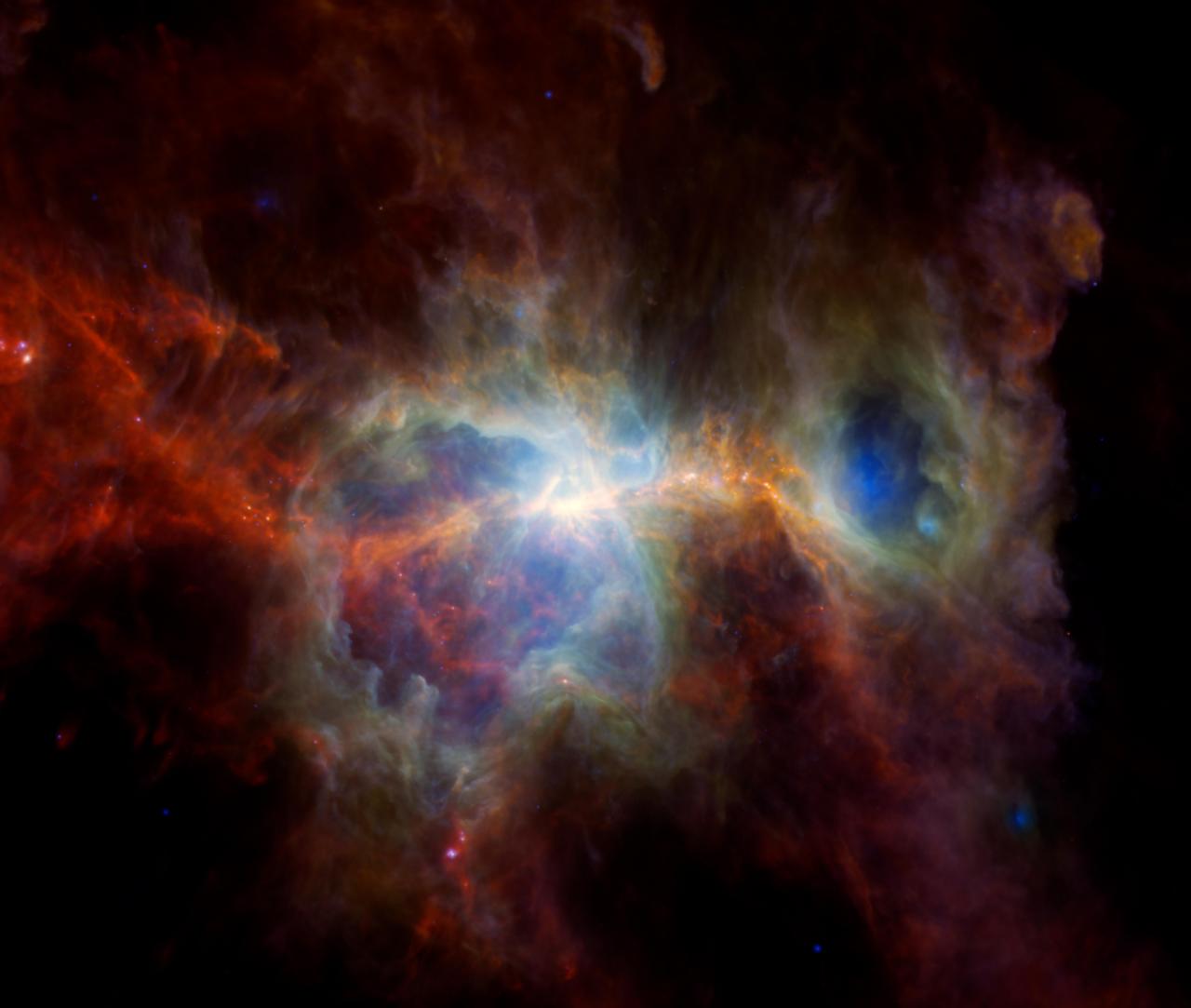
The Orion Nebula — the best telescope for viewing nebulae combines aperture, dark skies, and the right filters

Buying Guide · Nebula Viewing

Best Telescope for Viewing Nebulae: 2026 Buyer's Guide

Nebulae are among the most rewarding deep-sky objects to observe — glowing clouds of gas and dust where stars are born or where dying stars have left their mark. But not every telescope is equally suited to nebula viewing. Aperture, focal ratio, and accessories like nebula filters all play a decisive role in what you can see. This guide cuts through the marketing to recommend the best telescopes for nebula observation at every budget.

Key factorAperture above all
Best mountDobsonian (alt-az)
Add-onUHC / O-III filter
Budget range$200 – $1,500+
By Elena ReyesPublished: Updated: Reviewed & approved by Juhi Sahni, Senior EditorEditorial Standards

What Makes a Telescope Good for Nebulae?

Three factors determine how well a telescope shows nebulae: aperture, focal ratio, and the ability to use nebula filters. Aperture is the most important — larger apertures gather more light, making faint nebulae visible and bright ones more detailed. A 200mm (8-inch) telescope gathers 700% more light than a 70mm refractor, transforming the view of the Orion Nebula from a faint grey smudge into a detailed structure with visible colour hints. Focal ratio matters because faster (lower f/number) telescopes produce brighter images at a given magnification, which helps when using nebula filters that block most of the light. An f/5 telescope with an O-III filter often shows more nebula detail than an f/10 telescope of the same aperture, because the fainter filter-darkened image at f/10 can be too dim to discern structure. The ability to use 1.25-inch and 2-inch nebula filters is important — many budget telescopes only accept 1.25-inch eyepieces and filters, while 2-inch filters provide wider fields for large nebulae. For more on choosing filters, see our best filters for light pollution guide.


The Lagoon Nebula M8 as captured by the Hubble Space Telescope — a vast stellar nursery where new stars are born from collapsing clouds of gas and dust

The Lagoon Nebula (M8) imaged by the Hubble Space Telescope. This emission nebula in Sagittarius is a stellar birthing ground where young stars ionize surrounding gas, causing it to glow. Credit: NASA, ESA, M. Mutchler (STScI); Processing: Gladys Kober (NASA/Catholic University of America)

Types of Nebulae and What You Need to See Them

Not all nebulae are created equal, and the telescope you need depends heavily on the type of nebula you want to observe. Emission nebulae like the Orion Nebula (M42), Lagoon Nebula (M8), and Swan Nebula (M17) glow because their gas is energized by hot, young stars embedded within them. These are the brightest nebulae and are visible in telescopes as small as 60-70mm aperture. Reflection nebulae like the Pleiades nebulosity and M78 in Orion reflect the light of nearby stars without glowing themselves — they are fainter and benefit from larger apertures and dark skies. Planetary nebulae like the Ring Nebula (M57) and the Dumbbell Nebula (M27) are small, bright, and respond well to high magnification. They are visible in 80mm telescopes but show their full detail in 150mm and larger instruments. Supernova remnants like the Veil Nebula (NGC 6960/6992) and the Crab Nebula (M1) are the expanding debris from exploded stars. These are among the faintest nebulae and absolutely require an O-III filter to observe visually, even in large telescopes. Dark nebulae like the Horsehead Nebula (Barnard 33) and the Coalsack are visible only as dark silhouettes against brighter backgrounds. They require the largest apertures and an H-beta filter. Understanding these distinctions helps you choose the right telescope and filters for your interests. For specific guides, see our Ring Nebula guide and our M13 globular cluster guide.

Best Budget Nebula Telescope: Under $300

Sky-Watcher Heritage 130P — best budget telescope for viewing nebulae

Sky-Watcher Heritage 130P

130mm (5.1") parabolic Newtonian, 650mm focal length (f/5), collapsible tabletop Dobsonian, 2" Crayford focuser, 25mm and 10mm eyepieces.

The Sky-Watcher Heritage 130P is the best telescope for viewing nebulae under $300. Its 130mm parabolic mirror at f/5 provides an ideal combination of light-gathering and brightness — exactly what nebula observation demands. The Orion Nebula shows its full structure with the Trapezium stars clearly visible, the Swan Nebula (M17) appears as a distinctive hooked shape, and the Lagoon Nebula (M8) reveals its dark lane and embedded star cluster. The 2-inch Crayford focuser accepts 2-inch nebula filters, which is a critical advantage over budget telescopes with only 1.25-inch focusers. An O-III filter in the 2-inch format transforms the view of fainter nebulae like the Veil Nebula and the North America Nebula. The collapsible tube makes it easy to transport to dark sky sites. For a detailed review, see our Heritage 130P review. The Celestron StarSense Explorer LT 114AZ is an alternative with smartphone-assisted navigation at a similar price, but its spherical mirror delivers softer high-magnification views.

Observing Techniques for Nebula Viewing

Observing nebulae is a skill that improves with practice and the right technique. Start by dark-adapting your eyes for at least 20 minutes — avoid all white light, including phone screens. Use a red LED flashlight to preserve your night vision. Begin observation at low magnification (40-50x) to locate the nebula and see its full extent, then increase magnification to 80-100x to study structure and detail. Use averted vision — look slightly to the side of the nebula rather than directly at it. The peripheral retina contains more rod cells that are sensitive to low light levels, making faint details visible that disappear under direct gaze. When using nebula filters, hold them up to your eye between the eyepiece and your eye (or better, thread them into the eyepiece barrel). The best technique for seeing the Veil Nebula, for example, is to use a 2-inch O-III filter in a wide-field eyepiece (25-32mm) on a 200mm or larger telescope. Scan slowly along the known position of the Veil filaments — the filter darkens the background sky while the O-III emission from the nebula passes through, creating a dramatic contrast increase. Keep an observing log with sketches of what you see — your observing skills will improve noticeably over several sessions as your brain learns to interpret the faint visual signals coming from the eyepiece.

Best Mid-Range Nebula Telescope: $300 – $800

Sky-Watcher Classic 200P Dobsonian — ideal for nebula viewing

Sky-Watcher Classic 200P

203mm (8") parabolic Newtonian, 1200mm focal length (f/5.9), Dobsonian mount, 2" Crayford focuser, 25mm and 10mm eyepieces.

The Sky-Watcher Classic 200P (8-inch Dobsonian) is the sweet spot for nebula observation, earning our Best Overall Telescope 2026 award. The 200mm aperture transforms every nebula target. The Orion Nebula reveals intricate detail — the entire nebula fills the field at 50x with extensive wing structure and visible colour hints (pale green from oxygen emission). The Veil Nebula complex becomes visible in its entirety with an O-III filter, showing the delicate filaments of the Eastern and Western Veil spanning several fields of view. The North America Nebula (NGC 7000) shows its characteristic continent shape with an H-beta filter. The Rosette Nebula in Monoceros is detectable as a circular glow surrounding the central star cluster. The Classic 200P's 2-inch Crayford focuser accepts 2-inch nebula filters, which is essential for wide-field targets. The f/5.9 focal ratio provides bright images even with filters. The Heritage 150P (6-inch) is an excellent budget alternative with similar wide-field performance in a more portable design.

Nebula Observation Glossary

Understanding the terminology used in nebula observation helps you make better equipment choices. Exit pupil is the diameter of the beam of light exiting the eyepiece — calculated by dividing the eyepiece focal length by the telescope's focal ratio. For nebula observation with filters, an exit pupil of 2-3mm is ideal. A larger exit pupil provides a brighter image but may show the internal structures of the filter. A smaller exit pupil dims the image too much for effective observation. Surface brightness is the apparent brightness per unit area of an extended object like a nebula — this is what determines whether a nebula is visible, not its total magnitude. The Orion Nebula has high surface brightness, making it visible from cities. The Veil Nebula has very low surface brightness, requiring dark skies and large apertures. Contrast is the difference in brightness between the nebula and the sky background — this is what nebula filters enhance by dimming the background while transmitting the nebula's emission lines. Averted vision uses the peripheral retina to detect faint light — you can see fainter details by looking slightly away from the target. Knowing these terms helps you understand what to expect at the eyepiece and how to improve your observing results. For more terminology, see our types of telescopes guide.

Best Premium Nebula Telescope: $800+

Sky-Watcher Flextube 300P 12-inch Dobsonian — premium nebula telescope

Sky-Watcher Flextube 300P

305mm (12") parabolic Newtonian, 1500mm focal length (f/4.9), collapsible truss-tube Dobsonian, 2" dual-speed Crayford focuser.

For the serious nebula observer, a 12-inch or larger Dobsonian is a revelation. The Sky-Watcher Flextube 300P (12-inch) gathers 125% more light than an 8-inch telescope, turning challenging nebulae into easy targets and bright ones into unforgettable spectacles. At f/4.9, it is exceptionally fast, providing bright images even with dense O-III filters. The Orion Nebula at 80x through a 12-inch scope shows the Trapezium's sixth and seventh stars, extensive wing detail extending multiple times the core's diameter, and subtle colour throughout. The Veil Nebula filaments are bright enough to trace with direct vision. The California Nebula (NGC 1499) is visible with an H-beta filter. The Helix Nebula (NGC 7293) shows its distinctive eye-like structure. The collapsible truss-tube design makes the 12-inch tube manageable for transport despite its size. The dual-speed Crayford focuser provides fine focusing control essential for high-power views. For comparison with the Sky-Watcher Classic 250P (10-inch), see our best Dobsonian telescopes guide.

Essential Nebula Filters and Accessories

Nebula filters are the single most impactful accessory for nebula observation. They work by transmitting only the specific wavelengths of light that emission nebulae produce while blocking the broad spectrum of light pollution and natural sky glow. The three main types are the UHC (Ultra High Contrast) filter, which transmits the two main emission lines of oxygen and hydrogen-beta; the O-III filter, which transmits only the doubly ionized oxygen line at 501nm; and the H-beta filter, which transmits only the hydrogen-beta line at 486nm. The UHC is the most versatile general-purpose nebula filter, showing significant improvement on the Orion Nebula, Lagoon Nebula, Swan Nebula, and the Veil complex. The O-III is the best choice for the Veil Nebula, the Ring Nebula (M57), and the Crab Nebula (M1). The H-beta is specialized for the Horsehead Nebula and the California Nebula — two of the most challenging visual targets. A 2-inch filter format is strongly recommended because it works with wide-field eyepieces that provide the best views of large nebulae.

Using nebula filters effectively requires some technique. Thread the filter into the eyepiece barrel — 2-inch filters work best with wide-field eyepieces for the largest nebulae. Focus without the filter first, then add the filter. The image will become dimmer but contrast will increase dramatically. For the Veil Nebula, use a 2-inch O-III filter in a 25mm or 32mm eyepiece on a 200mm or larger telescope at a dark site — the difference between filtered and unfiltered views of the Veil is night and day. Without a filter, the Veil is invisible from most locations. With an O-III filter, the delicate filaments appear as glowing wisps against a dark background. For the Orion Nebula, a UHC filter enhances the wing structure while keeping the core bright. An observing chair is also essential for comfortable nebula observation — you may spend 10-15 minutes on a single nebula, studying its structure through different eyepieces and filters. For more details, see our best light pollution filters guide and our best telescope eyepieces guide.

Quick Recommendation by Budget and Goal

If you are looking for a quick answer on which telescope to buy for nebula observation, here is a budget-based recommendation. Under $300, the Sky-Watcher Heritage 130P is the clear winner — its 130mm aperture, fast f/5 focal ratio, and 2-inch focuser provide the best nebula performance at this price. A 2-inch UHC filter ($60-80) should be included in your budget. At $300-$800, the Sky-Watcher Classic 200P Dobsonian delivers 8 inches of aperture that transforms every nebula target, from the Orion Nebula to the Veil complex. Add a 2-inch O-III filter ($80-100) for maximum performance. At $800-$1,500, the Sky-Watcher Flextube 250P or Classic 250P (10-inch) provides enough aperture to resolve fine detail in even the faintest nebulae, and the collapsible Flextube design makes the 10-inch manageable for transport. Above $1,500, any 12-inch or larger Dobsonian from Sky-Watcher or other brands will provide views that rival small observatory instruments. For users who prioritize portability, the Heritage 150P ($350-400) offers 6 inches of aperture in a compact collapsible design that fits in a small car. For users who want GoTo convenience, the Virtuoso GTi 130P adds motorized tracking to the Heritage 130P optical tube. For more recommendations, see our Sky-Watcher telescopes guide.

Dobsonian vs Schmidt-Cassegrain vs Refractor for Nebulae

Different telescope designs offer different advantages for nebula observation. Dobsonian telescopes are the most popular choice for serious nebula observers because they offer the largest aperture per dollar. An 8-inch Dobsonian costs roughly the same as a 4-inch Schmidt-Cassegrain but gathers four times more light, making faint nebulae visible that the smaller telescope cannot show. The fast focal ratio of most Dobsonians (f/4 to f/6) provides bright images even with dense nebula filters. The trade-off is that Dobsonians require occasional collimation and are larger and heavier than compound designs of equivalent aperture. Schmidt-Cassegrain telescopes (SCTs) like the Celestron NexStar 5SE offer longer focal lengths in compact tubes, making them excellent for planetary nebula observation where high magnification is needed. However, their slower focal ratios (f/10) produce dimmer images with nebula filters, making them less suitable for faint emission nebulae. Refractors offer the sharpest, highest-contrast images with no collimation required, making them ideal for nebula observation on bright targets like the Orion Nebula. Fast refractors (f/5 to f/6) are excellent with nebula filters, but large refractors are expensive and heavy. For most nebula observers, a 6-inch to 10-inch Dobsonian represents the best balance of cost, portability, and performance. For more on telescope types, see our types of telescopes guide.

The Importance of Dark Skies for Nebula Observation

Dark skies are the single most important factor in nebula observation — more important than telescope aperture, eyepiece quality, or even filters. From a Bortle 8 city centre, even the Orion Nebula appears as a faint grey smudge, and the Veil Nebula is completely invisible. From a Bortle 4 suburban sky, the Orion Nebula shows extensive wing structure, the Lagoon Nebula reveals its dark lane, and the Veil becomes detectable with an O-III filter. From a Bortle 2 dark sky site, the Orion Nebula shows subtle colour hints, the North America Nebula is visible to the naked eye, and the Veil Nebula filaments are bright enough to trace with direct vision. A 130mm telescope at a dark site will show more nebula detail than a 300mm telescope in the city. If you cannot travel to dark skies, focus on the brightest nebulae — the Orion Nebula, the Swan Nebula, the Lagoon Nebula, and the Ring Nebula — and invest in good-quality UHC and O-III filters. Even from suburban skies, these filters transform the view of emission nebulae by blocking the light pollution that washes them out. For finding dark sky sites near you, see our USA dark sky parks map and our best nebulae for light-polluted skies guide.

Top 10 Nebulae to Observe in 2026

If you are building a nebula observing list, start with these ten targets that span the full range of nebula types. The Orion Nebula (M42) is the king of emission nebulae — visible to the naked eye and spectacular in any telescope. The Lagoon Nebula (M8) in Sagittarius is a bright emission nebula with an embedded open cluster. The Swan Nebula (M17) has a distinctive checkmark shape. The Trifid Nebula (M20) combines emission and reflection components. The Ring Nebula (M57) is the classic planetary nebula — a smoke ring in Lyra. The Dumbbell Nebula (M27) is a larger, brighter planetary in Vulpecula. The Veil Nebula (NGC 6960/6992) is a supernova remnant visible only with an O-III filter. The North America Nebula (NGC 7000) requires an H-beta filter and dark skies. The Crab Nebula (M1) is a supernova remnant visible in 4+ inch telescopes. The Helix Nebula (NGC 7293) is the brightest and largest planetary nebula for Southern Hemisphere observers. For detailed guides on specific targets, see our M57 Ring Nebula guide and our M13 Hercules Cluster guide.

Frequently Asked Questions

What aperture do I need to see nebulae?

Bright nebulae like the Orion Nebula are visible in 60-70mm telescopes. Most emission nebulae require at least 114mm (4.5 inches). For faint nebulae like the Veil, 150mm (6 inches) or more is recommended, along with a UHC or O-III filter.

Is a Dobsonian good for nebula viewing?

Yes. Dobsonian telescopes are excellent for nebula observation because they offer the largest aperture per dollar. Their alt-az mount is simple and intuitive for scanning the sky. A 200mm Dobsonian with a UHC filter is one of the best tools for nebula viewing at any price.

Can you see colour in nebulae through a telescope?

Most nebulae appear greyish-white through amateur telescopes. The Orion Nebula shows subtle greenish hints in 8-inch and larger telescopes under dark skies. Colour vision requires bright images and dark-adapted eyes — the colour receptors in your eyes are less sensitive in low light.

What filter is best for nebula viewing?

A 2-inch UHC filter is the most versatile choice for general nebula observation. An O-III filter is better for the Veil Nebula and planetary nebulae. An H-beta filter is needed for the Horsehead and California Nebulae. Many observers carry all three.