Burgos Eclipse 2026: Total Solar Eclipse Times & Viewing Guide | Telescope Advisor
Telescope Advisor Logo Telescope Advisor
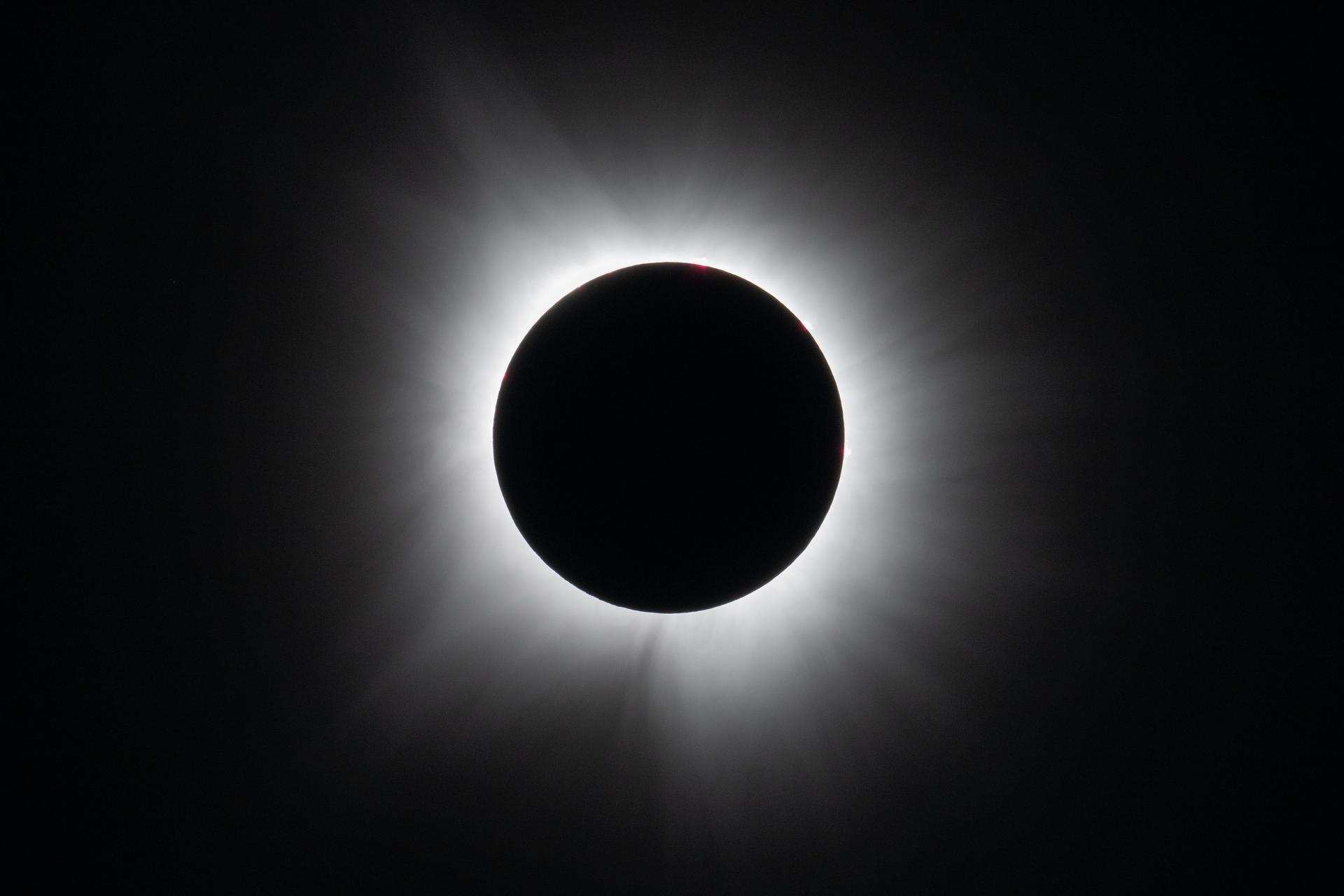
Total solar eclipse corona as it will appear from Burgos, Spain on August 12, 2026

City Eclipse Guide · Burgos · August 12, 2026

Burgos Eclipse 2026: Total Solar Eclipse Times & Viewing Guide

Burgos is one of the best cities in Spain to experience the August 12, 2026 total solar eclipse. Located directly on the path of totality in the heart of the Castilla y León meseta, Burgos offers excellent transport connections, good weather prospects, and a historic setting that makes it the ideal base for eclipse chasers. This guide covers everything you need: exact timing, the best nearby viewing locations, weather expectations, and essential safety gear.

Totality duration1 min 10 sec
Totality time21:41 CEST
Sun altitude7 degrees
Clear sky odds~35%
By Telescope Advisor Editorial Team Published: Updated: Editorial Standards

Eye Safety: ISO 12312-2 Glasses Required

ISO-certified eclipse glasses are mandatory for all partial phases before and after totality. The only safe time to remove them is during the 1 minute 10 seconds of totality. See our eclipse glasses guide for recommendations available on Amazon ES.

Quick Answer: Is Burgos in the Path of Totality?

Yes, absolutely. Burgos is one of the best-positioned cities in Spain for the August 12, 2026 total solar eclipse. The path of totality passes directly over the city, giving observers in Burgos approximately 1 minute and 10 seconds of total darkness. The eclipse begins as a partial eclipse at 20:34 CEST, with the Moon slowly covering the Sun. Totality begins at 21:41 CEST, when the Sun is completely blocked and the corona becomes visible. The sky will darken dramatically, temperatures will drop, and bright stars and planets will appear. Totality ends at approximately 21:42 CEST, followed by sunset around 21:51 CEST.

What makes Burgos special is its location on the high meseta at 860 metres elevation. The thin, clear air at this altitude provides excellent atmospheric stability, which is critical when the Sun is only 7 degrees above the horizon. The surrounding countryside offers numerous elevated viewpoints with unobstructed north-western horizons. Burgos is also one of the easiest Spanish totality cities to reach, with high-speed AVE trains from Madrid taking just 1 hour 40 minutes.

Burgos Eclipse Times (CEST)

EventTime (CEST)Sun Altitude
First contact (partial begins)20:34 CEST15°
50% coverage21:08 CEST11°
Maximum partial phase21:35 CEST
Totality begins21:41 CEST
Totality ends21:42 CEST
Sunset21:51 CEST

The Low-Sun Challenge

At 7 degrees altitude, the Sun is very low during totality. To gauge what 7 degrees looks like: hold your fist at arm's length — one fist width is approximately 10 degrees. The Sun will be less than one fist above the horizon. An unobstructed north-western view is absolutely critical. Choose an elevated viewing site and confirm the horizon is clear during the afternoon before the eclipse.

Best Viewing Locations Near Burgos

Burgos' location on the meseta means the surrounding countryside is gently rolling with numerous elevated viewpoints. Here are the best options for eclipse viewing:

1. Castillo de Burgos (Burgos Castle)

The castle hill overlooking the old town is the most convenient viewing location. It offers a panoramic view stretching west across the meseta, with the Burgos Cathedral framed in the foreground. The hill is a short walk from the city centre. Arrive by 19:00 CEST to secure a good spot. The castle grounds open until late and are popular with locals for sunset views. The Burgos Astronomical Association will have filtered telescopes set up here for public viewing, making it an excellent choice if you want expert guidance.

2. Mirador del Cerro de San Miguel

A hilltop viewpoint approximately 3 km east of the city centre, accessible by car. The 360-degree panorama offers an unobstructed north-western horizon across the meseta. This is a quieter alternative to the castle and is the preferred location for local astronomers. The site has a small parking area with space for approximately 20 cars — arrive early as it fills quickly on eclipse day.

3. Pico Frentes (15 km south-east)

A higher-elevation viewpoint at approximately 1,100 metres. The drive from Burgos takes about 20 minutes on the N-234 road. The higher altitude provides even clearer air and a slightly later sunset, giving you an extra minute or two of observing time after totality. The summit is a radio tower site with a rough access road — a standard car can manage it in dry conditions.

4. Fuentes Blancas Park

An open parkland area on the western edge of Burgos, along the Arlanzón River. The park offers wide-open grass areas with reasonable western horizons. This is the best option for families or anyone who wants a relaxed, picnic-style eclipse viewing experience. The park has parking, paths, and basic facilities.

Burgos Weather in August

Burgos sits at 860 metres elevation on the northern meseta, giving it a continental Mediterranean climate with hot, dry summers. August is the warmest month, with average highs of 28°C and low humidity. The crucial factor for eclipse viewing is the evening cloud cover statistics. Historical data from AEMET (the Spanish Meteorological Agency) shows that Burgos has approximately a 35% chance of clear skies at sunset on August 12, with 40% partly cloudy and 25% overcast. These are among the best odds of any Spanish totality location.

The meseta is known for its clear, thin air. Unlike coastal locations, Burgos rarely experiences the persistent low cloud or sea fog that can plague Mediterranean beaches. The main weather risk is high-altitude cirrus cloud from passing weather systems, which can thin the Sun's brightness but rarely blocks it entirely. If the forecast looks marginal, the flat topography of the meseta allows you to drive in any direction to find clearer skies — the A-1 motorway south toward Madrid and the N-120 west toward León both offer excellent mobility. The best weather apps for Burgos are AEMET, Windy.com, and Clear Outside. Start monitoring from 72 hours before the eclipse and have a relocation plan ready.

Getting to Burgos & Practical Tips

By train: The AVE high-speed rail line connects Madrid-Chamartín station to Burgos in just 1 hour 40 minutes. Trains run frequently throughout the day. From the station, the city centre is a 15-minute walk or short taxi ride. The train is the most reliable way to travel on eclipse day, as it avoids road traffic.

By air: Burgos Airport (RGS) has limited commercial flights. The nearest major airports are Madrid-Barajas (MAD), 2 hours by AVE train, and Bilbao (BIO), 1.5 hours by car. Most international visitors will fly to Madrid and take the train north.

By car: From Madrid, the A-1 motorway reaches Burgos in approximately 2.5 hours. From Bilbao, the AP-1 (toll) takes about 1.5 hours. A rental car is useful for accessing viewing sites outside the city, but parking in Burgos city centre is limited. Consider renting a car only if you plan to drive to elevated viewpoints.

Accommodation: Book by mid-June. The Burgos Parador is the premium choice with excellent views over the city. Mid-range hotels near the cathedral offer good value. For a unique experience, consider staying at one of the rural hotels (hoteles rurales) in the Sierra de la Demanda, which are already within the path of totality and offer unparalleled dark skies. These rural hotels typically include dinner and breakfast, and many are organising eclipse viewing packages with guided transportation to the best local viewpoints.

Eclipse day timeline for Burgos: Plan to be at your chosen viewing location by 19:00 CEST, even though the partial phase does not begin until 20:34 CEST. The extra time allows you to set up equipment, verify your horizon is unobstructed, and settle in before the crowds arrive. The partial phases last 1 hour 7 minutes before totality. Totality occurs from 21:41 to 21:42 CEST (1 minute 10 seconds). The Sun sets at 21:51 CEST, so you have approximately 9 minutes after totality ends to pack up in twilight. Use a red flashlight to preserve your night vision and avoid disturbing other observers.

What to Pack for Burgos

  • ISO 12312-2 eclipse glasses — Essential. Available on Amazon ES. See our eclipse glasses guide for recommendations.
  • A camera with a telephoto lens (200mm+) — The low Sun near the horizon creates stunning photographic opportunities with foreground silhouettes.
  • Warm clothing — Even though August is hot, the temperature drops quickly after sunset at 860 metres elevation. A jacket or fleece is essential for the drive back after the eclipse.
  • Water and snacks — August temperatures on the meseta can reach 34°C. Carry at least 2 litres of water per person.
  • A folding chair or blanket — The partial phases last 1 hour 7 minutes before totality. Comfort matters.
  • Binoculars with solar filters — For detailed views of the solar crescent during partial phases. Any 10x50 binoculars with front-mounted solar filters work well. The wide field of view is ideal for spotting sunspot groups before the Moon covers them.

Budget & Booking Tips for Burgos

Burgos is one of the more affordable Spanish cities for an eclipse trip. Mid-range hotels near the cathedral typically cost €80–€150 per night in August, though eclipse week prices may be 30-50% higher. Booking by mid-July is essential. The Burgos Parador (luxury, from €180) offers the best views but books out months in advance. For budget travellers, hostels in the city centre start at €30 per night.

Dining in Burgos is excellent value. The city is famous for its roast suckling lamb (cordero lechal) and black pudding (morcilla de Burgos). A three-course dinner with wine at a mid-range restaurant costs approximately €25–€35 per person. Many restaurants near the cathedral offer eclipse-day set menus that include a late dinner service after the eclipse ends at 21:51 CEST.

If you are driving to Burgos, factor in toll costs. The AP-1 motorway from Bilbao is a toll road (approximately €12 each way). The A-1 from Madrid is toll-free. Petrol stations are plentiful along major routes but scarce in the rural areas south of Burgos — fill your tank before leaving the city.

🔭

Not sure which telescope actually fits your goals?

Answer 5 quick questions about your budget, observing targets, and experience level — our Telescope Finder Tool recommends a specific model in under 2 minutes.

Find My Telescope →

Burgos Eclipse Events & Local Astronomy

Burgos occupies a special place in Spanish astronomy. The city's location on the clear-skied meseta has made it a hub for amateur astronomy, and the Asociación Astronómica Burgalesa (Burgos Astronomical Association) is one of the most active in Castilla y León. For the 2026 eclipse, the association is organising a large public observation event at the Castillo de Burgos, with filtered telescopes, expert talks, and a communal viewing experience. The association expects several thousand people to gather at the castle hill for the event, so arrive early.

The Burgos city council is also planning a special "Eclipse Night" cultural programme on August 12, 2026. The Burgos Cathedral will be illuminated with astronomical projections on the eve of the eclipse, and the Museo de la Evolución Humana (Museum of Human Evolution) will host a lecture series on how ancient civilisations interpreted solar eclipses. The Museum's location on the Paseo Sierra de Atapuerca makes it a convenient starting point for an evening that combines culture with celestial observation.

For visitors who prefer a more secluded experience, the rural hotels (hoteles rurales) in the Sierra de la Demanda mountains south-east of Burgos are organising their own eclipse viewing packages. These typically include accommodation, a guided excursion to a private viewpoint with unobstructed horizons, and a post-eclipse dinner featuring local Castilian cuisine. Several of these packages were already sold out by early 2026, but waiting lists are available. Contact the Burgos Turismo office for a current list of available packages.

Photographing the Eclipse from Burgos

The low Sun at only 7 degrees elevation creates a unique opportunity for eclipse photography with foreground elements. The Burgos Cathedral, castle ruins, and the rolling meseta landscape all provide excellent silhouettes against the partially eclipsed Sun. A telephoto lens of 200mm or longer is recommended for detailed crescent shots. For the partial phases, use a solar filter over the lens. During the 70 seconds of totality, remove the filter to capture the corona. A wide-angle shot of the landscape darkening during totality, with the corona visible in the sky, is a memorable composition that conveys the experience to viewers who were not there.

For smartphone users, the Helioclipse glasses include a phone filter that clips over your camera lens. Set exposure manually and underexpose by 1-2 stops to avoid blowing out the bright crescent. The low elevation means atmospheric refraction will distort the Sun's shape near the horizon — embrace this as part of the aesthetic.

One of the most dramatic compositions at Burgos is placing the Burgos Cathedral silhouette in the foreground with the partially eclipsed Sun setting behind it. The cathedral's Gothic spires and flying buttresses create a medieval frame for the eclipse that is uniquely Burgos. For this shot, position yourself approximately 500 metres west of the cathedral, such as on the Paseo del Espolón or the Fuentes Blancas park, where the cathedral rises above the western tree line. A 200-400mm lens will give you the right framing. Remember to use a solar filter during all partial phases and remove it only during totality.

Additional Packing Tips for Burgos

  • Layer system clothing — Burgos at 860 metres elevation can swing from 34°C afternoon heat to 14°C after sunset. Bring a fleece or mid-layer under a windproof jacket.
  • A charged power bank — You will be using your phone for navigation, photography, and weather checks. The rural viewpoints have no charging facilities.
  • GPS navigation or offline maps — Some of the rural roads near Pico Frentes and the Sierra de la Demanda have patchy mobile reception. Download offline maps before you arrive.
  • Cash — Many rural bars and shops in Burgos province do not accept cards. Have at least €50 in cash for food, drinks, and parking.

Eclipse Glasses & Safety Gear

ISO 12312-2 certified eclipse glasses are essential for the partial phases before and after totality. Available on Amazon ES and Amazon UK:

Editor's Pick — Best Eclipse Glasses
Helioclipse eclipse glasses

Helioclipse Solar Eclipse Glasses (12-Pack)

ISO 12312-212 pairsCE certified

The Helioclipse 12-pack is the best value. Each pair is independently tested to ISO 12312-2 and CE certified. Includes a bonus phone filter for safe smartphone photography of the partial phases.

Check Price on Amazon

Affiliate link.

Lunt eclipse glasses 5-pack

Lunt Solar Eclipse Glasses (5-Pack)

Lunt Solar Systems is a trusted name in solar optics. Their 5-pack is ideal for couples or small groups. Individually sealed, ISO 12312-2 and CE certified. Wide frame fits comfortably over prescription glasses.

Check Price on Amazon

Affiliate link.

FAQ — Burgos Eclipse 2026

Is Burgos in the path of totality for the 2026 eclipse?

Yes. Burgos is directly in the path of totality. Observers in Burgos will experience 1 minute 10 seconds of total darkness at 21:41 CEST.

What time is the eclipse in Burgos?

Partial eclipse begins at 20:34 CEST. Totality occurs from 21:41 to 21:42 CEST (1 min 10 sec). The Sun sets at 21:51 CEST.

Where is the best place to watch the eclipse in Burgos?

Burgos Castle hill (Castillo de Burgos) offers the most convenient panoramic view. For a quieter experience, drive to Mirador del Cerro de San Miguel or Pico Frentes for elevated horizons.

How do I get to Burgos for the eclipse?

AVE high-speed train from Madrid (1 hr 40 min) is the best option. By car, Madrid to Burgos is 2.5 hours on the A-1 motorway. Bilbao to Burgos is 1.5 hours on the AP-1.

What are the weather odds for the eclipse in Burgos?

Approximately 35% chance of clear skies at sunset on August 12, among the best odds of any Spanish totality location. The meseta climate is hot and dry in August.