Best Places to See the Total Solar Eclipse in Spain 2026: Burgos, Valladolid, Zaragoza & Mallorca Guide
Telescope Advisor Logo Telescope Advisor
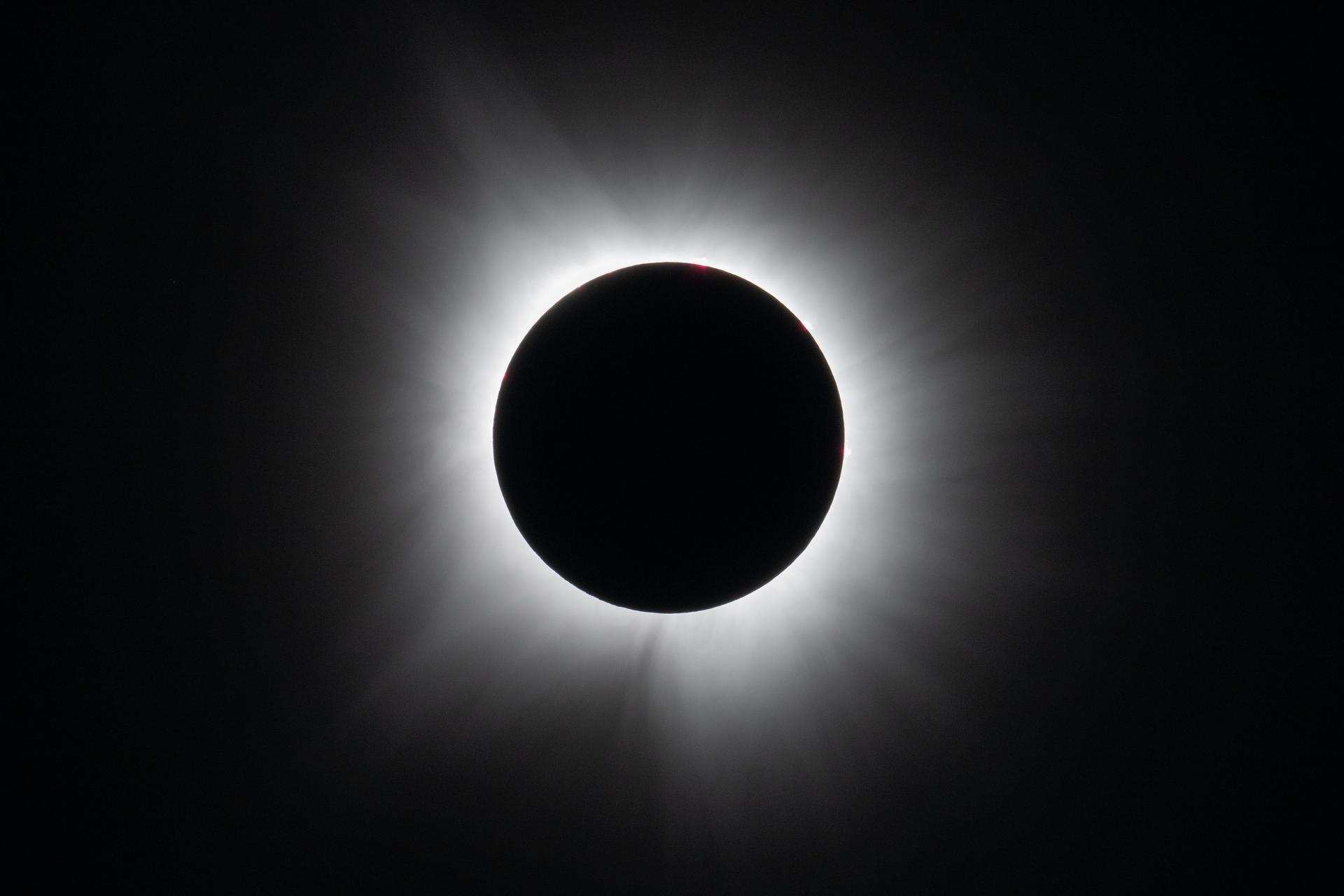
Total solar eclipse corona — the spectacle that awaits observers in northern Spain on August 12, 2026

Eclipse Guide · Spain · August 12, 2026

Best Places to See the Total Solar Eclipse in Spain 2026

Spain is the most accessible mainland-Europe totality destination for the August 12, 2026 total solar eclipse. The path of totality crosses the northern meseta and the Balearic Islands, giving eclipse chasers multiple options. But which location offers the best weather odds? The longest totality? The easiest travel from the UK, US, or elsewhere in Europe? This guide compares every totality location in Spain so you can make an informed choice.

Best totality durationValladolid: 1 min 30 sec
Best weather oddsBurgos: ~35% clear
Best for beachesMallorca (north coast)
Sun altitude5–8 degrees
By Telescope Advisor Editorial Team Published: Updated: Editorial Standards

Quick Answer: Where Should I Go for the Eclipse in Spain?

Burgos or Valladolid are your best bets for first-time eclipse chasers. They offer the best combination of reasonable totality duration (1 min 10 sec to 1 min 30 sec), good transport connections via high-speed AVE train from Madrid, and the best weather odds on the Spanish meseta. If you want to combine the eclipse with a beach holiday, Mallorca's north coast (Alcúdia, Pollença) offers totality with a Mediterranean backdrop — but totality is shorter and weather is slightly less reliable. Palencia offers the longest totality on the mainland, while Zaragoza and Lleida have shorter totality but are closer to Barcelona for pre- and post-eclipse city tourism.

The key constraint across all Spanish totality locations: the Sun is very low — only 5 to 8 degrees above the north-western horizon at maximum. An unobstructed view is non-negotiable. Choose elevated terrain, avoid valleys, and have a backup plan for cloud avoidance.

Spain Totality Locations Compared

The table below summarises every Spanish location within or very close to the path of totality. Times are in Central European Summer Time (CEST = UTC+2).

Location Partial Start Totality Start Totality Duration Sun Altitude Clear Sky Odds
Burgos20:34 CEST21:41 CEST1 min 10 s~35%
Palencia20:34 CEST21:42 CEST1 min 24 s~35%
Valladolid20:34 CEST21:42 CEST1 min 30 s~33%
Zaragoza20:36 CEST21:43 CEST30 s (edge of path)~30%
Lleida20:37 CEST21:44 CEST45 s~30%
Mallorca (Alcúdia)20:38 CEST21:45 CEST~30 s~28%

Clear sky odds are historical averages for late evening in mid-August. Source: NASA Eclipse Web Site, AEMET (Spanish Meteorological Agency), timeanddate.com. Totality durations are centreline estimates; actual duration varies by exact location within the path.

The Low-Sun Factor

Across all Spanish totality locations, the Sun is only 5–8 degrees above the horizon during totality. This is unusually low — most total solar eclipses occur with the Sun at 20–60 degrees. The low altitude means you absolutely need an unobstructed north-western horizon. Choose a hilltop, elevated plain, or coastal cliff. Any hill or building to the north-west will block your view of totality entirely. Scout your location during the afternoon before eclipse day to confirm the horizon is clear.

Burgos — Best All-Round Choice

Burgos is the most practical totality destination in Spain for first-time eclipse chasers. A historic city with a stunning Gothic cathedral (a UNESCO World Heritage Site), excellent transport links, and good weather prospects, Burgos offers the best balance of eclipse viewing and travel logistics.

Eclipse Details

Totality lasts 1 minute 10 seconds, beginning at 21:41 CEST with the Sun at 7 degrees altitude. Partial phases begin at 20:34 CEST. The path of totality crosses directly over Burgos — you do not need to drive far from the city to reach the centreline. The nearby hills of the Sierra de la Demanda provide elevated viewing sites with unobstructed north-western horizons.

Travel & Accommodation

Burgos is served by the AVE high-speed rail network: Madrid to Burgos in 1 hour 40 minutes. The city also has a small regional airport with flights from Barcelona, though most international visitors will fly to Madrid-Barajas (MAD) and take the train. Hotels are booking fast — book by mid-June if possible. The Burgos Parador is a premium option with excellent views, while numerous mid-range hotels near the cathedral offer good value. For flexibility, consider renting a car from Madrid airport and driving north (2.5 hours on the A-1 motorway).

Recommended Viewing Sites

  • Castillo de Burgos — The castle hill overlooking the city offers a clear north-western horizon and is the most convenient choice for staying in the city centre. Arrive by 19:00 to secure a spot.
  • Mirador del Cerro de San Miguel — A hilltop viewpoint east of the city with panoramic western views. Accessible by car.
  • Fuentes Blancas park — Open parkland on the western edge of the city. Good horizon, popular with local astronomers.
  • Pico Frentes — A higher elevation (~15 km south-east of Burgos) offering an unobstructed horizon and darker skies for the partial phases.

Burgos Verdict

Best for: First-time eclipse chasers, families, anyone wanting a comfortable city base with good transport links. Totality is short (1 min 10 sec) but the experience of watching from the historic Spanish meseta is unforgettable.

Valladolid — Longest Duration

Valladolid offers the longest totality of any Spanish mainland city: 1 minute 30 seconds. Located on the high meseta at an elevation of 700 metres, Valladolid has a slight edge in theoretical duration and its plateau location provides naturally flat horizons in most directions. The city is well-connected by AVE train from Madrid (55 minutes) and offers a wide range of accommodation.

Eclipse Details

Totality begins at 21:42 CEST with the Sun at 6 degrees altitude. The 90-second totality is the longest available in mainland Spain. The A-62 motorway running west from Valladolid towards Toro and Zamora provides excellent mobility for chasing clear skies — you can drive 30-60 minutes along the path to find the best conditions.

Recommended Viewing Sites

  • Cerro de San Cristóbal — The highest point near Valladolid, offering 360-degree views with an excellent north-western horizon.
  • Campo Grande park — Central park location, open western views. Convenient if staying in the city.
  • Ribera del Duero wine region — Drive south-west toward Peñafiel for elevated vineyard-covered hills with clear horizons. Combine eclipse viewing with a wine tasting.

Valladolid Verdict

Best for: Maximising totality duration, photographers wanting the extra seconds, and anyone who appreciates Spain's wine country. The Duero valley location adds a cultural dimension that Burgos cannot match.

Palencia — Underrated Alternative

Palencia is the underrated gem of the 2026 Spain eclipse. Located between Burgos and Valladolid, Palencia offers 1 minute 24 seconds of totality — longer than Burgos — but receives far fewer visitors. The city sits at 750 metres elevation on the meseta, providing excellent horizon visibility. Palencia's main advantage is its location close to both Burgos and Valladolid, giving you maximum flexibility to relocate if clouds threaten.

The city itself is smaller than Burgos or Valladolid, with fewer hotel rooms available. However, the nearby Cerrato region offers rolling hills with elevated viewpoints that provide spectacular 360-degree horizons. The Canal de Castilla, an 18th-century engineering marvel, runs through the region and offers flat, open landscapes with long sightlines to the north-west. Palencia's AVE station connects to Madrid in under 1 hour, and the A-67 motorway provides quick access to Santander and the Cantabrian coast.

Zaragoza — City Base Option

Zaragoza is on the very edge of the path of totality, offering only about 30 seconds. However, it is Spain's fifth-largest city, with international transport connections (including a high-speed AVE station and an airport with flights from London, Paris, and Rome). The city itself won't experience totality on its main square — you need to drive 10–20 km north-west into the countryside to reach the centreline. The A-2 motorway toward Logroño provides good access to the path centre.

Zaragoza's main appeal is as a base for visitors who want a major city experience and are willing to drive a short distance for totality. The city's famous Basilica del Pilar and its tapas scene make it a compelling option for combining the eclipse with a Spanish city break. However, the short totality and cloudier August statistics make it a secondary choice compared to Burgos or Valladolid.

Lleida — Catalunya Gateway

Lleida offers 45 seconds of totality and is the closest totality city to Barcelona. For visitors flying into Barcelona-El Prat (BCN), Lleida is 1 hour 30 minutes by AVE train or 2 hours by car on the A-2 motorway. The city sits at the eastern end of the path of totality across the Spanish mainland, with the Sun even lower here (only 5 degrees).

Lleida's position in Catalunya makes it ideal for combining the eclipse with a Barcelona visit. The surrounding comarques (counties) of Segrià and Noguera offer flat agricultural plains with good horizons. The nearby Montsec mountain range — home to the Parc Astronòmic del Montsec — is a designated Starlight Reserve and offers excellent dark skies for observing the partial phases before and after totality. The Montsec area is approximately 45 minutes north of Lleida and may be the best viewing location in the entire region.

Mallorca — Eclipse + Beach Holiday

Mallorca is unique: the only European location where you can watch totality from a Mediterranean beach. The path of totality crosses the island's northern coast, passing through the popular resort areas of Port de Pollença, Alcúdia, and the Cap de Formentor peninsula. Totality here is short — approximately 30 seconds — and the Sun is only 4 degrees above the Mediterranean Sea at maximum. But the setting is unmatched: a crescent Sun setting over the sea, with the Tramuntana mountains as a backdrop.

Eclipse Details

Partial eclipse begins at 20:38 CEST. Totality occurs at approximately 21:45 CEST, lasting roughly 25–35 seconds depending on exact location. The Sun is only 4 degrees above the north-western horizon — a clear sea view is absolutely essential.

Recommended Viewing Sites

  • Cap de Formentor — The iconic lighthouse at Mallorca's northern tip. Unobstructed sea horizon to the north-west. Arrive early — this will be one of the most popular eclipse viewing spots on the island.
  • Platja de Muro — A long, west-facing beach in Alcúdia Bay. Perfect for families combining eclipse viewing with a beach day. The flat sea horizon is ideal.
  • Port de Pollença seafront — The promenade offers clear western views over the bay. Restaurants and cafes nearby make this a comfortable choice.
  • Puig de Maria — A hilltop viewpoint near Pollença offering elevation above the coastal haze. A 10-minute drive from Port de Pollença.

Travel & Accommodation

Mallorca is served by Palma de Mallorca Airport (PMI), with frequent flights from across Europe. British Airways, EasyJet, Ryanair, Jet2, and Vueling all operate routes from UK airports. From Palma, the north coast resorts are a 45–60 minute drive on the Ma-13 motorway. Accommodation in Alcúdia and Pollença should be booked immediately — August is peak season and eclipse chasers are already booking rooms. Consider staying in a finca (countryside villa) between Alcúdia and Pollença for a quieter experience with better horizon access.

Mallorca Verdict

Best for: Families wanting a holiday + eclipse combo, photographers seeking sea-and-sunset totality shots, and anyone who values scenery over totality duration. The short 30-second totality is offset by the spectacular Mediterranean setting. Book now — August availability is limited.

Spanish Weather & Cloud Cover in August

August weather in northern Spain is dominated by the meseta climate: hot, dry, and generally sunny, but with afternoon cloud build-up possible, particularly near mountain ranges. The north-western meseta (Burgos, Palencia, Valladolid) has the best track record for clear August evenings. Zaragoza and Lleida, being closer to the Ebro valley and the Pyrenees, have slightly higher cloud cover statistics.

Mallorca's August weather is typically hot and sunny, but afternoon sea breezes can bring patchy cloud near the coast. The north coast is slightly cloudier than Palma due to the Tramuntana mountains trapping moisture. However, evening clearing is common — the breeze often drops around sunset, leaving a clean sea horizon.

Cloud Avoidance Strategy

The meseta offers the best cloud-avoidance mobility. By basing yourself in Burgos or Valladolid, you can drive 30–60 minutes along the path of totality in any direction to find clear skies. The high plateau means you can see approaching weather systems from miles away. If you choose Mallorca, your mobility is limited — the island is only 100 km wide — so monitor satellite imagery closely in the 48 hours before the eclipse and be prepared to move to the opposite (eastern) side of the island if clouds threaten the north coast.

Key Weather Apps for Spain

AEMET (Spanish Met Office) app — the official source. Clear Outside — astronomy-specific forecasting. Windy.com — satellite and cloud cover visualisation. SpotWx — mountain weather forecasts useful for elevated viewing sites. Check all three from 48 hours before the eclipse.
Getting to Spain for the Eclipse

From the United Kingdom

Budget airlines (Ryanair, EasyJet, Vueling, Jet2) fly from London, Manchester, Edinburgh, Bristol, and Birmingham to Madrid (for Burgos/Valladolid/Palencia), Barcelona (for Zaragoza/Lleida), and Palma (for Mallorca). Return flights in early August cost approximately £80–£200 if booked by mid-July. From Madrid, the AVE high-speed train reaches Burgos in 1 hour 40 minutes, Valladolid in 55 minutes. The train is often faster than flying when you factor in airport transfers.

From North America

Direct flights from New York (JFK), Miami (MIA), Los Angeles (LAX), and other major US hubs serve Madrid-Barajas daily. From Madrid, the AVE train network connects to all totality cities within 1–2 hours. Iberia Airlines also operates direct flights to Barcelona from several US cities. Consider arriving 2–3 days before the eclipse to adjust for time difference and scout your viewing location.

Car Rental Advice

A rental car is strongly recommended for all Spanish totality locations. It gives you the flexibility to chase clear skies and reach elevated viewing sites that public transport cannot serve. Book early — demand for rental cars in northern Spain during eclipse week will be very high. Most major rental companies operate at Madrid-Barajas and Barcelona-El Prat airports. Consider renting a car with GPS navigation and a USB charging port for your phone (essential for running cloud-forecast apps).

Eclipse Glasses & Safety Gear for Spain

Every observer in Spain needs ISO 12312-2 certified eclipse glasses for the partial phases before and after totality. The only time it is safe to remove them is during the 1+ minutes of totality itself. Here are the best options available on Amazon ES (Spanish Amazon) and Amazon UK for travellers from Britain:

Editor's Pick — Best Eclipse Glasses for Spain
Helioclipse 12-pack ISO 12312-2 certified solar eclipse glasses

Helioclipse Solar Eclipse Glasses (12-Pack)

ISO 12312-2 & CE certified 12 pairs Bonus phone filter

The Helioclipse 12-pack is the best value for travellers and families heading to Spain for the eclipse. Each pair is ISO 12312-2 certified and CE certified for the European market. The bonus phone filter lets you capture the partial phases safely through your smartphone. At roughly $1.50 per pair, they are the most cost-effective option for ensuring everyone in your group can watch safely.

Check Price on Amazon

Affiliate link.

Lunt Solar Systems ISO 12312-2 certified eclipse glasses 5-pack

Lunt Solar Eclipse Glasses (5-Pack)

Lunt Solar Systems is one of the most trusted names in solar optics. Their 5-pack is ideal for couples or small groups. Each pair is individually sealed and certified to both ISO 12312-2 and CE standards.

Check Price on Amazon

Affiliate link.

Beyond eclipse glasses themselves, here are Spain-specific items to pack for eclipse day:

  • ISO-certified eclipse glasses — Essential for the 65+ minutes of partial phases before and after totality. Available on Amazon UK and Amazon ES.
  • A folding chair or blanket — Totality may last only 60–90 seconds, but the partial phases last 1+ hours. You will be waiting. Comfort matters.
  • Water and sun protection — August in Spain is hot. Temperatures on the meseta can reach 34°C even in the early evening. Bring at least 2 litres of water per person, sunscreen, and a hat.
  • A red flashlight — Essential if you are also observing deep-sky objects after the eclipse (the sky will darken noticeably during totality).
  • Binoculars with solar filters — For detailed views of the solar crescent during partial phases. Any 10x50 binoculars with front-mounted solar filters work well.
  • Your telescope with a solar filter — A perfect opportunity to observe the solar corona through a telescope. Any refractor or Schmidt-Cassegrain with a full-aperture solar filter will provide spectacular views.
🔭

Not sure which telescope actually fits your goals?

Answer 5 quick questions about your budget, observing targets, and experience level — our Telescope Finder Tool recommends a specific model in under 2 minutes.

Find My Telescope →

Frequently Asked Questions — Spain Eclipse 2026

Where is the best place to see the 2026 eclipse in Spain?

Burgos offers the best all-round combination of totality duration (1 min 10 sec), transport connections (AVE high-speed rail from Madrid), and weather odds (~35% clear). For slightly longer totality, Valladolid (1 min 30 sec) is also excellent.

Does Mallorca experience totality during the 2026 eclipse?

Yes. The path of totality crosses Mallorca's northern coast, including Alcúdia, Port de Pollença, and Cap de Formentor. Totality is short (~30 seconds) and the Sun is very low (4 degrees), but the Mediterranean setting is spectacular.

How long does totality last in Spain?

Totality duration varies across Spain: Valladolid (1 min 30 sec), Palencia (1 min 24 sec), Burgos (1 min 10 sec), Lleida (45 sec), Zaragoza (30 sec), Mallorca (~30 sec). The maximum possible duration globally is 2 min 18 sec near the Faroe Islands.

What time will the eclipse happen in Spain?

Partial phases begin around 20:34 CEST across northern Spain. Totality occurs between 21:41 and 21:44 CEST depending on location. The eclipse ends with sunset shortly after totality, around 22:00 CEST.

Do I need a car to see the eclipse in Spain?

Strongly recommended. A rental car lets you reach elevated viewing sites away from city lights and gives you the flexibility to chase clear skies. Book early — demand will be very high during eclipse week.

What is the weather like in northern Spain in August?

Hot and generally dry. The meseta around Burgos and Valladolid has some of the best August weather in Spain, with about 35% chance of clear skies at sunset. August is Spain's summer holiday season, so book accommodation early.

How do I get from Madrid to the eclipse path?

AVE high-speed train from Madrid to Burgos (1 hr 40 min), Valladolid (55 min), or Palencia (1 hr). Alternatively, drive from Madrid airport on the A-1 motorway toward Burgos (2.5 hours) or the A-6 toward Valladolid (2 hours).