
How to Photograph the Moon With a Telescope (2026): Beginner Workflow and Gear Progression
Telescope Advisor Logo Telescope Advisor
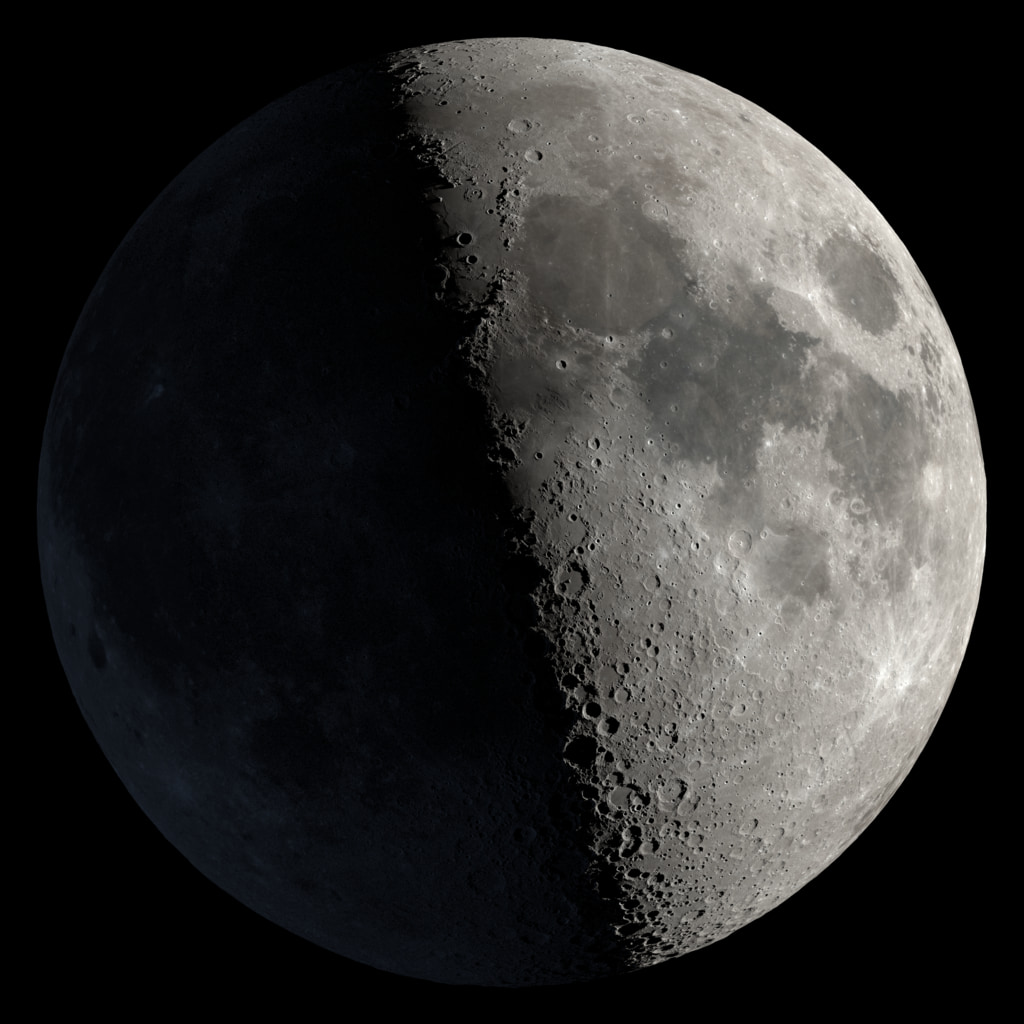
Detailed lunar craters for moon photography guide

Moon Photography Guide - 2026

How to Photograph the Moon With a Telescope: Beginner Workflow and Gear Progression

You do not need expensive gear to start lunar imaging. This guide walks you from simple phone captures to DSLR and planetary-camera results with practical settings, phase strategy, and repeatable first-night steps.

Phone First

Fastest way to start

Quarter Moon

Best crater contrast

1/125s

Common exposure start

Stacking

Major quality jump

By Telescope Advisor Editorial Team Published: Updated: Editorial Standards

Quick Answer: Easiest Way to Photograph the Moon

The easiest beginner method is a smartphone plus a telescope adapter. Start at quarter Moon, keep ISO low, and shoot short bursts so you can keep the sharpest frames.

Once that workflow is repeatable, move to DSLR prime-focus shooting, then planetary camera video stacking for the highest crater detail.

Moon Photography Progression: Start Simple, Upgrade in Stages

Editor's Pick - Best First Step for Most Beginners
📱

1) Smartphone + Telescope Adapter

Best way to build confidence fast. You can capture recognizable lunar features on your first clear night and learn focus, stability, and exposure control before spending more.

Nikon D7500 DSLR for moon photography progression

2) DSLR + T-Ring Adapter (Prime Focus)

This stage gives cleaner dynamic range and more processing flexibility. Prime-focus capture is a major jump once your phone workflow is stable.

View DSLR on Amazon -
🪐

3) Planetary Camera + Video Stacking

Best route for high-detail lunar closeups. Capture short videos, stack the sharpest frames, and sharpen carefully to reveal crater rims and rilles with less noise.

View Planetary Camera -
🔭

Not sure which telescope actually fits your goals?

Answer 5 quick questions about your budget, observing targets, and experience level — our Telescope Finder Tool recommends a specific model in under 2 minutes.

Find My Telescope →

Exposure Guidance by Moon Phase (Beginner Baselines)

Moon Phase ISO Start Point Shutter Start Point What to Watch
CrescentISO 100 to 2001/60s to 1/125sEarthshine and terminator contrast
First/Last QuarterISO 1001/125s to 1/250sBest crater relief and shadow depth
Gibbous to FullISO 1001/250s to 1/500sAvoid blown highlights on bright highlands

These are starting points, not fixed values. Adjust for telescope focal ratio, local seeing, and your camera histogram.

Why Quarter Moon Usually Looks Better Than Full Moon in Photos

At quarter phase, the terminator cuts across crater fields and casts long shadows. That shadow geometry gives strong apparent texture and clearer edge definition.

At full Moon, the light is flatter. You still get bright, sharp results, but surface relief looks less dramatic because shadow contrast drops.

Step-by-Step Moon Capture Workflow

  1. Set up and stabilize mount or tripod before attaching camera hardware.
  2. Choose a quarter-phase session when possible for stronger crater detail.
  3. Focus carefully on the lunar limb, then refine on crater edges near the terminator.
  4. Start with ISO 100 and short exposures; avoid clipped highlights.
  5. Capture short bursts (phone/DSLR) or short videos (planetary camera).
  6. Keep only the sharpest frames and stack them for better signal and lower noise.
  7. Apply mild sharpening and contrast; stop before edge halos appear.
  8. Review what failed and repeat next session with one setting change at a time.

Basic Processing: Keep It Clean and Realistic

  • Stack only the sharpest frames, not the whole capture blindly.
  • Use conservative wavelet or deconvolution sharpening to avoid crunchy rims.
  • Lift local contrast gradually and protect bright crater walls from clipping.
  • Export one neutral version first, then experiment with stronger styling.

FAQ: Moon Photography With a Telescope

Can I photograph the Moon with just a phone and telescope?

Yes. A phone adapter plus steady setup is enough for strong first results and is the easiest way to learn framing and focus.

What is the best moon phase for crater detail photos?

First and last quarter are usually best because terminator shadows make crater relief stand out clearly.

Do I need a planetary camera for good Moon images?

Not at first. A phone or DSLR can produce excellent lunar shots. Planetary cameras mainly help when you want higher-resolution closeups and better stacked detail.