Planetary Lineup June 16-18, 2026: Venus, Jupiter, Moon, Mercury Viewing Guide
Telescope Advisor Logo Telescope Advisor
Planetary conjunction scene with bright planets in twilight

Sky Event Guide · June 2026

Planetary Lineup June 16-18, 2026: Venus, Jupiter, Moon, and Mercury in One Evening

This is a short-window geometry event that casual observers can still win with the right sequence. We break down where to look first, what order to acquire objects, and how to avoid the two mistakes that cause most failed attempts.

Jun 16-18

Best Nights

4

Main Targets

25-55

Minutes After Sunset

WNW

Primary Sky Sector

By Telescope Advisor Editorial Team Published: Updated: Editorial Standards

Quick Answer

Start with Venus first, use it as your anchor, then move right/down for Jupiter, then down-left for Mercury, and finally integrate the Moon framing on June 17-18. The lineup is visible, but only if you act early and prioritize horizon clarity. If you wait for full darkness, Jupiter and Mercury are often too low to keep comfortably in view.

This is not a high-magnification telescope event. The highest success workflow is naked-eye orientation plus binocular framing, with optional telescope follow-up after target lock. Observers who begin with narrow-field eyepieces often lose time and fail to acquire all four targets.

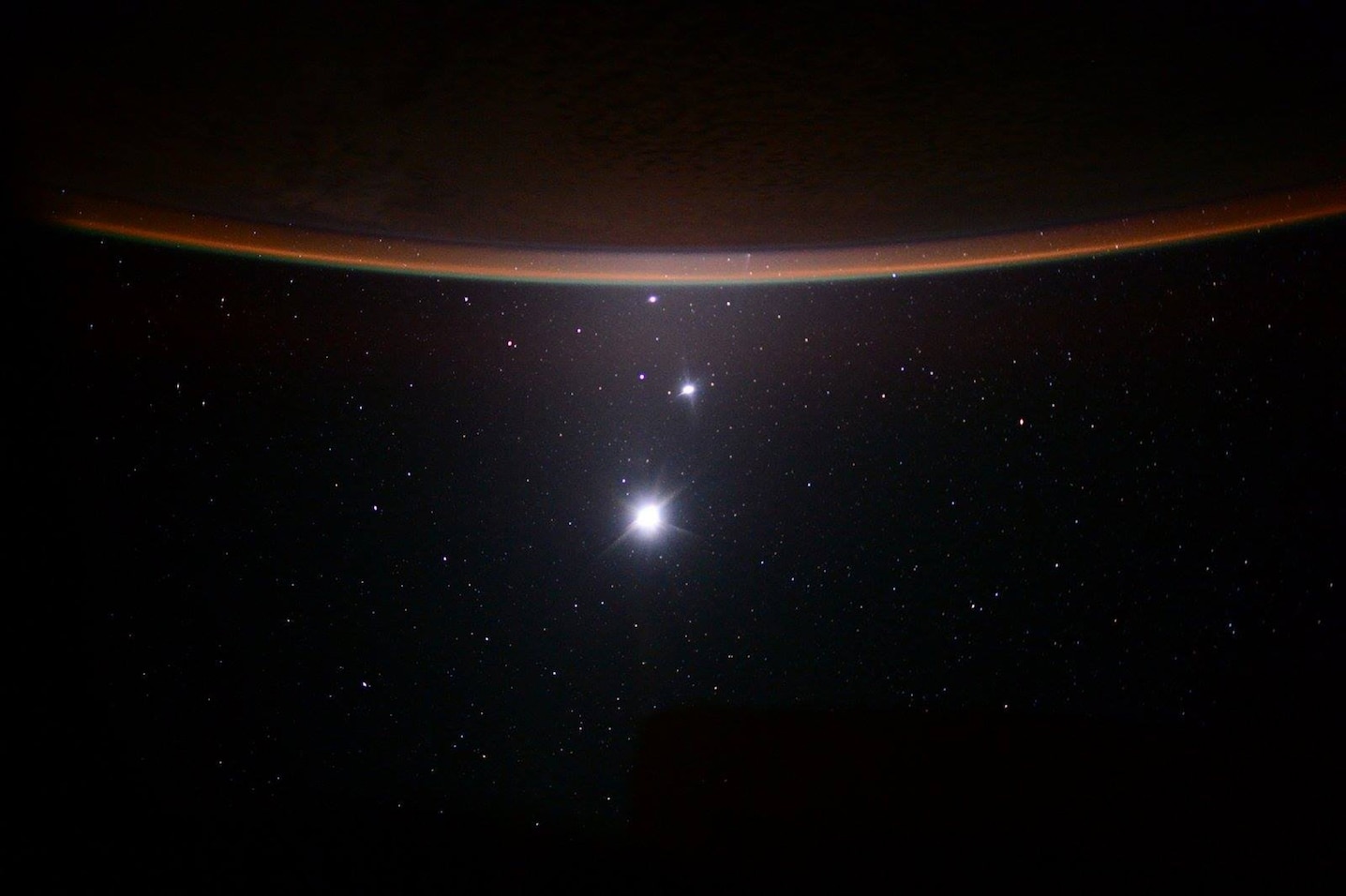
NASA Visuals for the June Lineup

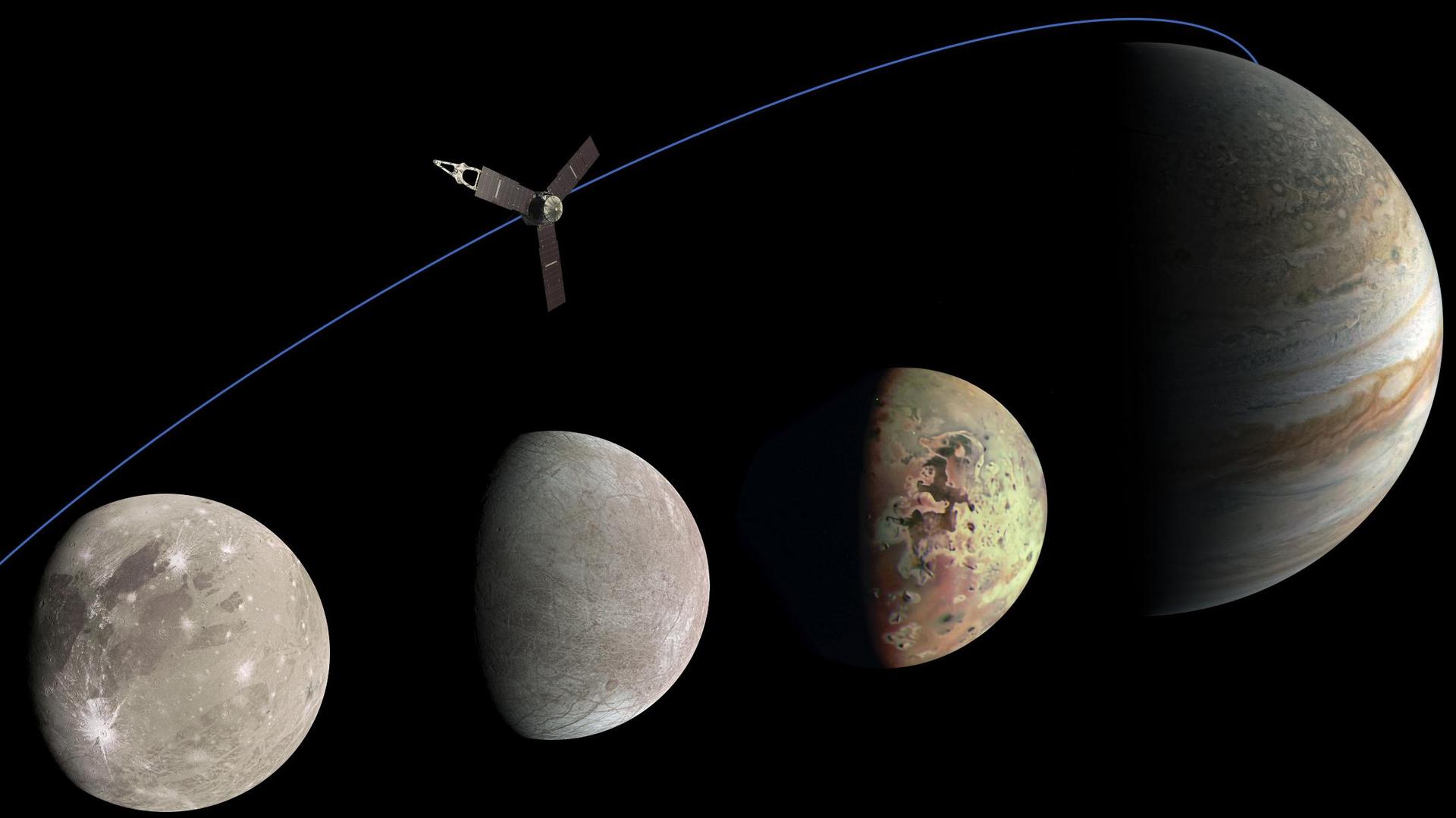
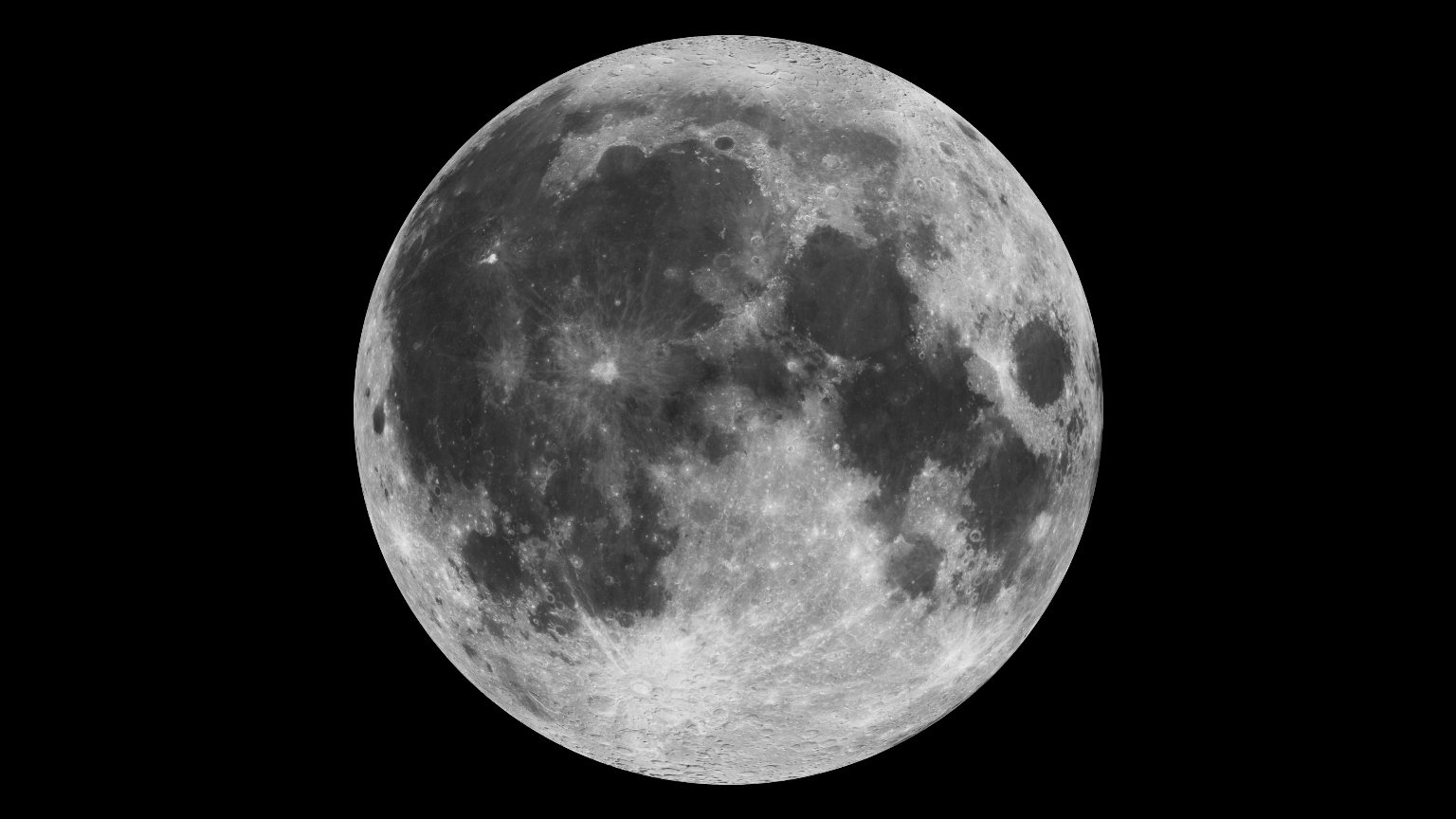
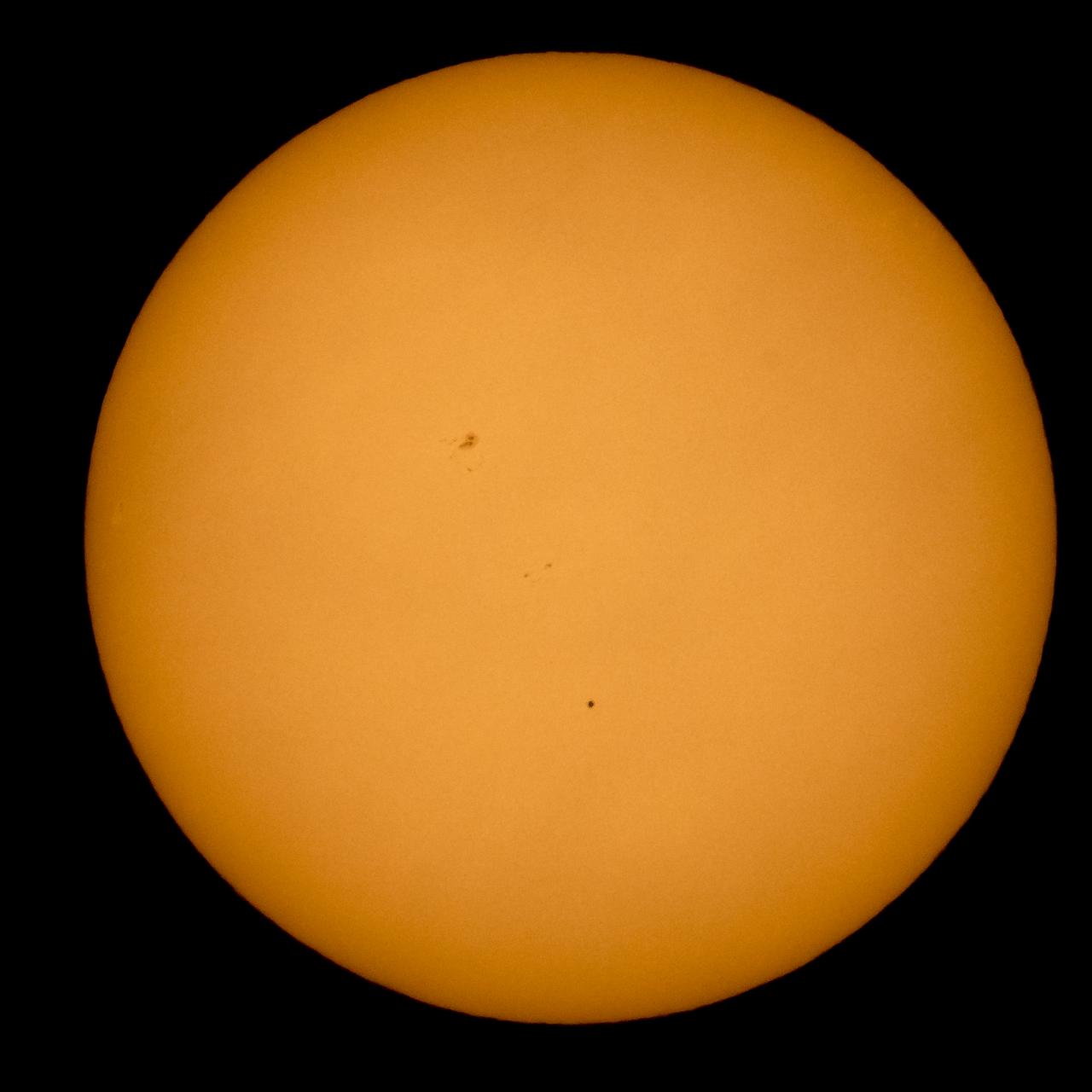
These NASA images make the June 16-18 lineup more intuitive before you go outside. They are not real-time sky snapshots of the exact event, but they help readers recognize each object and understand why the Venus-Jupiter-Mercury-Moon sequence is so visually compelling in twilight.

🔭

Not sure which telescope actually fits your goals?

Answer 5 quick questions about your budget, observing targets, and experience level — our Telescope Finder Tool recommends a specific model in under 2 minutes.

Find My Telescope →

Why This Lineup Trends: Visible Geometry + Short Window Urgency

Planetary lineups generate search demand because they are visually intuitive and socially shareable. People see a striking arrangement at dusk, ask "what am I looking at," and then seek immediate guidance. The June 16-18 sequence is especially practical because bright Venus acts as an unmistakable reference point, lowering entry friction for first-time observers.

The urgency comes from low-altitude visibility. Unlike high-midnight planetary sessions, this lineup is constrained by twilight and horizon transparency. You do not have hours. You have a narrow contrast window where each target is still above haze and before sky glow swallows lower objects. That scarcity drives both search volume and execution pressure.

Operationally, think of the event as a sequence problem, not a static screenshot. The highest conversion from "I heard about this" to "I saw all four" happens when observers follow an acquisition order and timing ladder. That is what this guide is built to provide.

Field Acquisition Sequence (Use This in Real Time)

  1. T-10 to Sunset: establish WNW direction and confirm no major horizon obstruction.
  2. +20 to +28 min: acquire Venus naked-eye. Do not scan for Mercury yet.
  3. +28 to +36 min: acquire Jupiter relative to Venus at lower brightness and slightly lower altitude.
  4. +35 to +47 min: use binoculars to detect Mercury in lower bright band before haze thickens.
  5. +40 to +55 min: integrate Moon framing if phase and position cooperate on your local date.
  6. Optional follow-up: telescope detail on Venus phase and Jupiter cloud belts after lineup completion.

The most common failure pattern is trying Mercury first. Always lock bright anchors before dropping to low-contrast target hunting.

Best Gear Mix for the Lineup

10x50 binoculars for lineup events

10x50 Baseline

Best first purchase for quick lineup success.

15x70 binoculars for enhanced detail

15x70 Contrast Upgrade

Higher detection confidence in light pollution.

70mm refractor for low power framing

70mm Refractor Add-On

Useful for phase/detail after lineup lock.

City Conditions: How to Adapt in Light Pollution

Bortle 8 to 9 observers can still complete this lineup if they choose geometry over aesthetics. Do not chase perfect dark sky. Chase a clean west-northwest horizon and predictable timing. In many urban regions, rooftop decks, lakefront edges, or elevated parking structures outperform parks surrounded by trees and buildings.

Haze management is critical. Summer humidity and aerosols near the horizon flatten contrast. If you can move even 10-15 miles to a drier or slightly higher location, effective contrast gain can exceed what you would get by upgrading optics. This is why location choice can outperform gear spending for lineup events.

If you only have one attempt night, prioritize June 17. The Moon provides additional orientation context and helps beginner observers avoid random scanning. Advanced observers may prefer June 16 for cleaner geometric separation and darker background.

Photography Plan (Phone + Camera)

  • Phone mode: 1x and 3x bracket from +25 to +50 minutes, fixed exposure lock where possible.
  • Camera baseline: 35mm to 70mm equivalent, ISO 400-1600, 0.5-2.0s exposures depending on tripod stability.
  • Shoot every 3-5 minutes. The arrangement evolves quickly in twilight.
  • If Moon enters composition, expose for highlights then blend with darker frame for foreground detail.

Lineup Reality Check: What Social Images Do Not Show

Many viral lineup images compress perspective, boost contrast, or blend exposures from different minutes. In real conditions, the geometry is still impressive, but each object can have different visibility behavior across the same ten-minute span. Venus punches through twilight early. Jupiter follows with moderate confidence. Mercury tends to ride the edge of horizon transparency. The Moon can be obvious or subtle depending on phase and altitude. Setting realistic visual expectations prevents unnecessary frustration and helps you stay systematic in the field.

Treat the lineup as a dynamic sequence. What you see at +25 minutes can differ significantly from +45 minutes even at the same location. This is why static diagrams alone are insufficient. The practical win comes from understanding which object to prioritize at each minute and when to switch from binocular framing to detail follow-up. Once you adopt sequence thinking, the event becomes much easier to execute.

For public outreach, this realism matters even more. New observers are often discouraged when the sky does not match edited images they saw online. A better briefing is simple: "We are going to collect four targets in order, not all at once." That framing turns the event into an engaging mini mission and makes success feel measurable and shared.

Family and Outreach Plan: Turn One Evening into a Shared Win

This lineup is excellent for family sessions because it has clear milestones. Build the night around four wins: find Venus, identify Jupiter, frame the Moon, and confirm Mercury. Children and first-time observers engage more when each step has a visible completion point. Keep explanations short and practical, avoid long technical monologues, and focus on where to look next rather than why orbital mechanics produces the pattern.

A simple outreach structure works well: five-minute orientation, ten-minute bright-object lock, ten-minute Mercury hunt, then optional telescope detail queue. If you have multiple observers, assign one person to landmark communication and one to binocular handoff so the group stays synchronized. Most group failures happen when everyone searches independently with no shared reference language.

For public parks or club events, prepare one printed card with timeline checkpoints relative to sunset. This keeps the session resilient even if people arrive late. Those who join at +35 minutes can still follow a reduced workflow and participate meaningfully. Good outreach design is less about perfect sky conditions and more about preserving structure under variability.

Regional Adjustments Across the USA

Northeast corridor: buildings and humidity often reduce low-altitude contrast. Choose water-edge or elevated western views where possible. Start acquisition early because skyline glow rises quickly after sunset. In these conditions, Mercury often demands binocular confirmation before naked-eye visibility becomes possible.

Mountain west: high, dry air can produce excellent clarity, but local terrain can block low western horizons. In valleys, arrive early enough to determine whether ridgelines erase Mercury from your window. If so, shift to a higher overlook instead of forcing the same site.

Pacific coast: marine layers are decisive. A coastal site can be perfect one evening and unusable the next under low cloud decks. Keep an inland backup location ready. The lineup is multi-night, so flexibility is more valuable than stubbornness about one scenic point.

South and Gulf coast: heat and moisture can flatten contrast near the horizon. Compensate with stronger sequence discipline and earlier scans. Even when Mercury is difficult, Venus-Jupiter-Moon geometry remains highly rewarding and makes the night worthwhile.

60-Minute Lineup Playbook (Minute-by-Minute)

T-20 to Sunset: establish horizon landmarks and orientation. Prepare binoculars and verify clear line of sight.

+20 to +30: lock Venus and brief group observers on relative object positions.

+28 to +36: acquire Jupiter and confirm spacing relationship with Venus.

+35 to +47: run dedicated Mercury hunt with micro-sweeps and pause discipline.

+40 to +55: integrate Moon framing and complete full four-object checklist.

+55 onward: optional telescope detail pass on Venus phase and Jupiter bands/moons.

If one phase fails, do not restart from zero. Continue with remaining targets and revisit the missed step later in the window. That keeps morale high and preserves overall success even under changing transparency.

Expanded Mistake List and Fast Corrections

Mistake: Waiting for dark sky

Correction: begin during bright twilight because low objects are lost by full darkness.

Mistake: No horizon scouting

Correction: pre-check skyline before event night and mark landmarks.

Mistake: Telescope-first search

Correction: acquire with naked eye and binoculars, then hand off for detail.

Mistake: Over-magnification in unstable air

Correction: reduce power and prioritize target retention over maximum detail.

Mistake: Random scan behavior

Correction: use ordered grid sweeps with fixed vertical bands.

Mistake: One-night all-or-nothing mindset

Correction: treat June 16-18 as a multi-night campaign.

Observer Log Template for Lineup Nights

A structured log turns one successful lineup into future repeatability. Record local sunset, first Venus lock, first Jupiter lock, first Mercury lock, and moment each object became difficult or lost. Add notes on haze, skyline quality, and whether binocular stabilization helped. Over several events, these logs produce a personalized timing model that is far more useful than generic charts.

Also log outreach outcomes: how long first-time observers needed for each target and which explanations worked best. This helps clubs and families refine their process. Astronomy becomes easier when procedures are documented instead of rediscovered every month.

Complete Practice Manual for June 16-18 Lineup Nights

If you want consistent success across all three nights, think like a field operator rather than a casual watcher. The first step is defining a clear objective per night. Night one should focus on baseline acquisition speed: how fast can you lock Venus, then Jupiter, then verify Mercury under your local transparency? Night two should focus on consistency and communication: can you guide another observer to all targets using precise landmark references? Night three should focus on refinement: best framing, best photos, and strongest confidence in sequence timing. Splitting goals this way converts the lineup from one lucky evening into an actual observing skill cycle.

Before each night, run a 5-minute pre-brief. Confirm local sunset, identify likely haze direction, and set expected minute windows for each acquisition phase. Keep this brief in plain language. A complicated pre-brief often causes hesitation in the field. You want just enough structure to reduce randomness, not so much detail that observers freeze under decision load. During twilight, confidence and rhythm matter as much as technical knowledge.

When running binocular-first workflows, consistency in hand position and scan width improves detection dramatically. Keep elbows supported if possible. Use short, measured sweeps, not large fast arcs. Stop often. In bright twilight, pauses are where recognition happens. This is a recurring theme across all low-altitude planet sessions: the eye-brain system needs stillness to detect weak contrast targets. People who constantly move often miss objects that are technically visible in their field.

For telescope handoff, limit ambition. The lineup window is short; every minute spent rebalancing, changing high-power eyepieces, or re-centering from scratch has a cost. Use low-power eyepieces first, keep tracking simple, and reserve high-power detail checks for moments after all four-object acquisition goals are complete. The order is critical: complete the lineup mission first, then pursue detail curiosity if conditions remain stable.

In urban conditions, glare management is often the hidden bottleneck. Even if the sky appears decent, direct peripheral lights reduce visual contrast and observer focus. Position yourself so bright lamps are behind you or blocked by a wall or vehicle. Give observers a brief adaptation interval after looking at phones or bright screens. These small workflow adjustments can make the difference between seeing three objects and seeing all four.

Photography teams should decide in advance whether the goal is documentary accuracy or artistic impression. Documentary capture prioritizes truthful timing and single-window framing. Artistic capture may use multiple exposures and post-processing emphasis. Both are valid, but confusing the goals can cause disappointment. If your observers expect a documentary look, explain that low-altitude targets may appear subtler than social media composites suggest. Clear expectation management strengthens post-session satisfaction.

For clubs and educators, this event is ideal for teaching sky navigation fundamentals: azimuth awareness, altitude estimation, and target sequencing under changing light. Use the lineup as a practical classroom. Ask participants to predict which object will be easiest and hardest before observing, then compare predictions to actual results. This active approach improves retention and builds confidence for future conjunctions and low-horizon planet windows.

A useful teaching drill is the "anchor transfer" method. One observer locks Venus and verbally transfers location to the next observer, who then locks Jupiter and transfers onward to Mercury searcher. This chain reduces repeated errors and creates collaborative momentum. In large groups, assign rotating roles every 10 minutes. Engagement stays high and everyone experiences both detection and guidance skills.

Weather variability across June 16-18 should be treated as a feature, not a failure risk. Different nights teach different lessons. A crystal-clear night highlights geometry beauty and detail opportunities. A hazy night trains contrast discipline and sequence resilience. Both outcomes are valuable if your process is documented. This is why logs matter: they turn uneven weather into useful comparative data rather than random frustration.

At session end, run a short debrief with three questions: what worked, what failed, and what changes tomorrow. Keep answers specific. "Started too late" is useful. "Sky was bad" is too vague to improve tomorrow. Over a three-night arc, this debrief loop can meaningfully raise full-lineup completion rates even with the same gear and site.

If you are observing solo, still run the same structure. Speak notes into a voice memo, then transcribe key timings later. Solo observers often skip logging and underestimate how much they learned. Capturing your own process creates a personal playbook for future conjunction seasons and makes each year easier than the last.

The final mindset is simple: this is a sequence event, not a screenshot event. Completion, clarity, and repeatability are the real wins. If you build those outcomes over June 16-18, you have not only seen a beautiful sky pattern, you have improved your core observer skills for every future low-altitude planetary challenge.

FAQ

Will all four objects be equally bright?
No. Venus dominates brightness, Jupiter is strong but lower, Mercury is modest and contrast-limited, and the Moon depends on phase/date geometry.

Can I do this without a telescope?
Yes. In fact, lineup completion is usually easier with naked eye plus binoculars than with narrow-field telescope-only workflows.

What is the best single night?
June 17 offers strong balance of geometry and orientation support; June 16 can be cleaner in darker skies.

Do clouds on June 17 ruin the event?
No. Use June 16 and June 18 as backup. The pattern remains visually compelling across multiple evenings.

How do I improve if I only find two or three objects?
Run a short debrief and focus on process variables: arrival time, horizon quality, and scan discipline. Most misses are operational, not equipment-related. With a refined sequence and better landmark preparation, many observers complete all four targets on the next attempt.

What is the most reliable mindset for this event?
Treat the lineup as a timed sequence mission, not a single still image. Prioritize object order, keep transitions clean, and document first-seen times. This approach improves both success rate and observer confidence across all three evenings.

Should I retry the same site on all three nights?
Not necessarily. If skyline obstruction or haze repeatedly blocks Mercury, switch to a site with a cleaner western horizon. Small location changes can produce major visibility gains during short twilight windows.