Quick Answer: What Is a Black Hole?
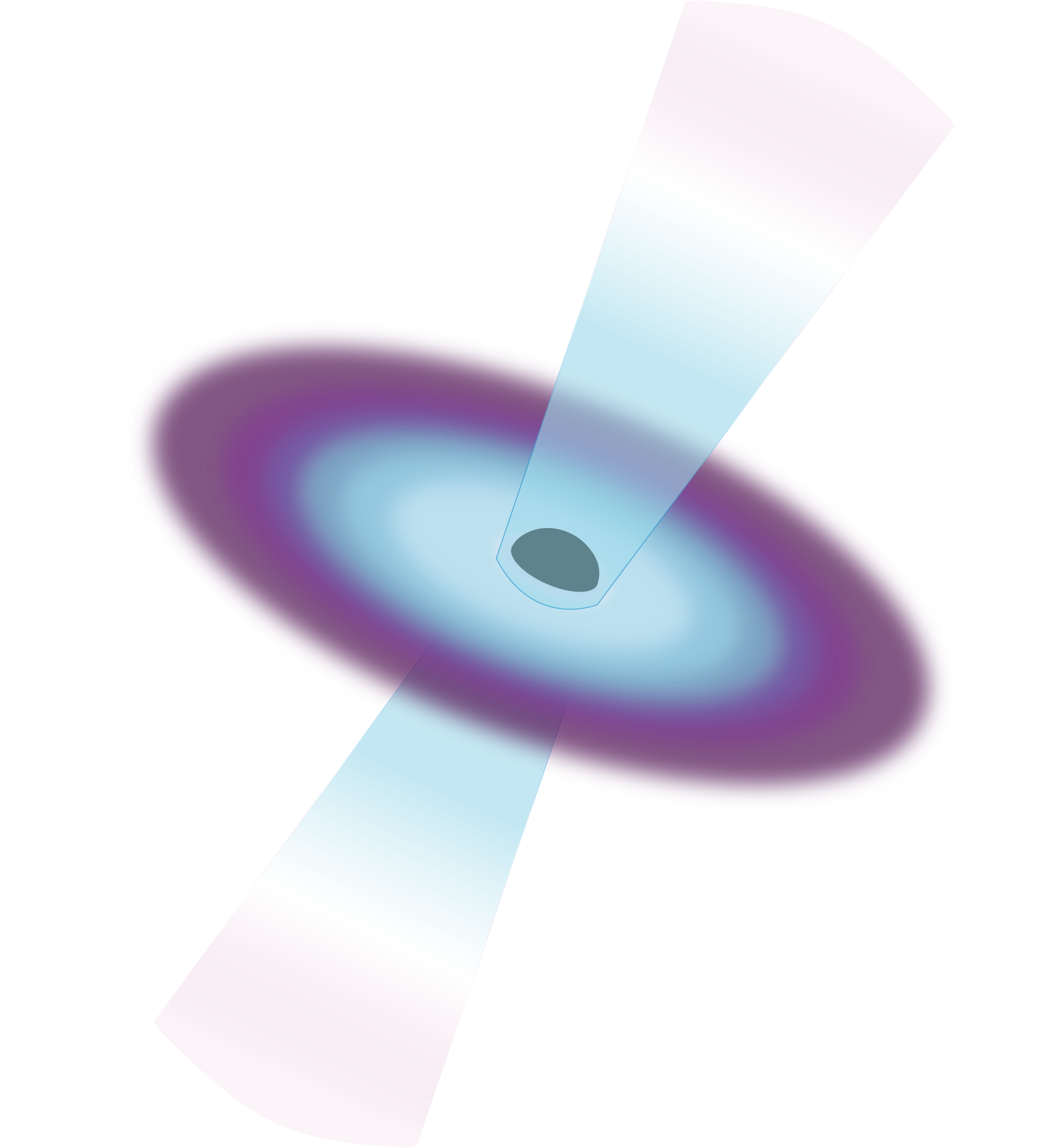
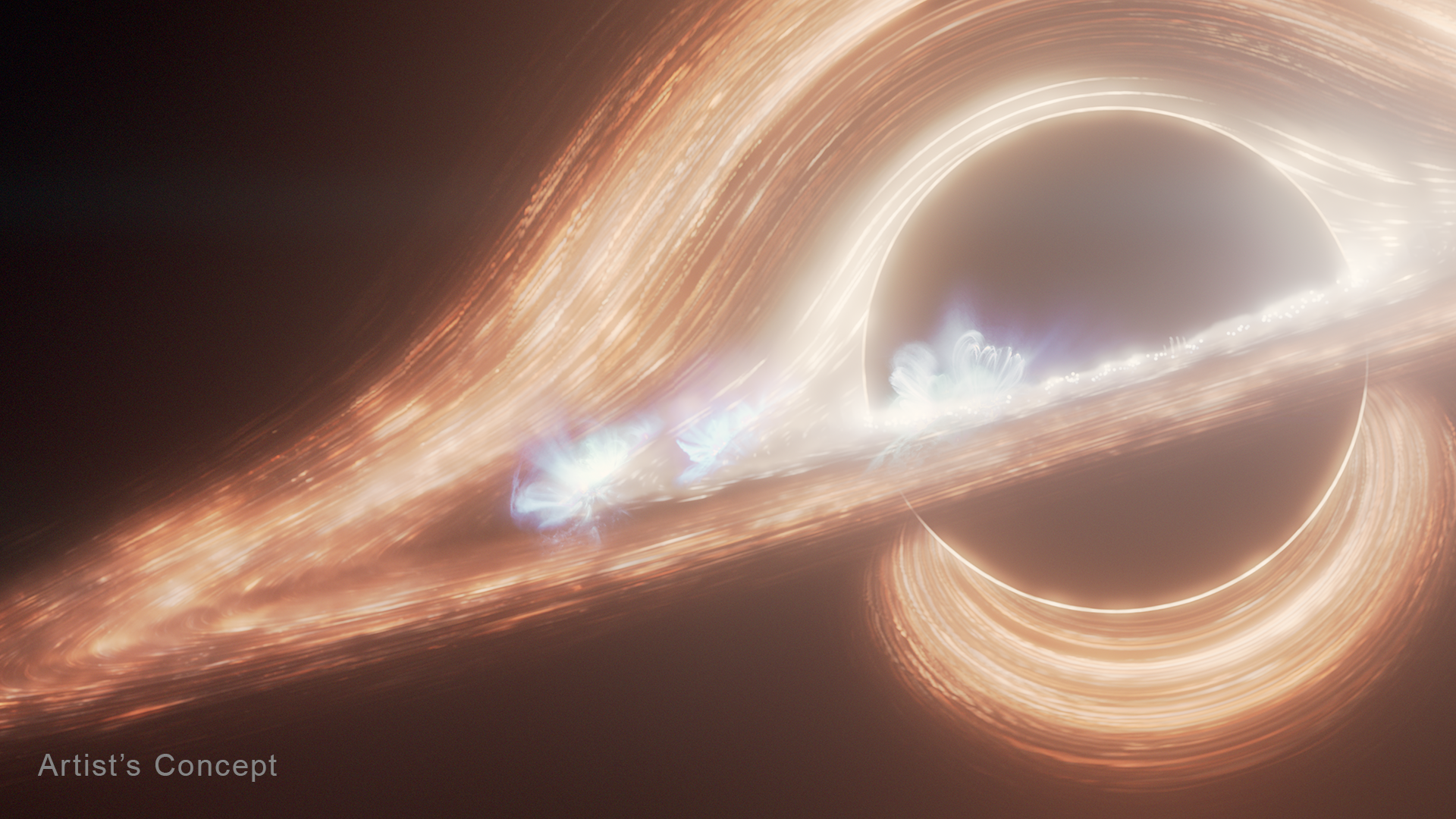
A black hole is a region of spacetime where gravity is so strong that nothing — no particles, no light, no information — can escape. The boundary of no return is called the event horizon. At the center lies the singularity, a point where matter is crushed to infinite density and the known laws of physics break down. Black holes come in three main sizes: stellar-mass (3-100× the Sun's mass, formed from collapsing stars), supermassive (millions to billions of solar masses, found at galaxy centers), and intermediate-mass (the elusive middleweight). The nearest known black hole, Gaia BH1, is 1,500 light-years away. Our galaxy's central black hole, Sagittarius A*, weighs 4 million Suns. The largest known, TON 618, is 66 billion solar masses. Want to know if you can see one through a telescope? We have a dedicated guide for that: can you see black holes through a telescope.
Stellar-mass black holes
3 to ~100 solar masses. Formed when massive stars explode as supernovae and their cores collapse. There may be 100 million of these in the Milky Way alone — most are invisible because they are not actively feeding on nearby matter.
Supermassive black holes
Millions to billions of solar masses. Found at the centers of most galaxies, including ours. Sagittarius A* is 4 million solar masses. M87* — the first ever imaged — is 6.5 billion solar masses. How they form is still an open question in astrophysics.
Intermediate-mass black holes
100 to 100,000 solar masses. The "missing link" between stellar and supermassive black holes. Only a handful of candidates have been identified. Their existence helps explain how supermassive black holes grew so large so early in the universe's history.