
22 Best Astronomy Gifts Under $50 (2026)
Telescope Advisor Logo Telescope Advisor
Starry night sky over a telescope — 22 best astronomy gifts under $50 for 2026

Stocking Stuffers & Secret Santa · 2026

22 Best Astronomy Gifts Under $50

The best small astronomy gifts are the ones that get used on every observing night — a dim red light, a moon filter, a chart that never lies. We reviewed 22 genuinely useful picks under 50 dollars, every one in stock from a trusted brand, plus the cheap junk to avoid so you don't waste the money.

22 PicksAll verified & in stock
Best Night-SaverRed-Light Flashlight
Best for Scope OwnersOmni 2x Barlow
Best KeepsakeTurn Left at Orion
By Telescope Advisor Editorial Team Published: Updated: Reviewed & approved by Juhi Sahni Editorial Standards

Why Under $50 Is the Smartest Gift Zone

A telescope under 50 dollars is almost always a disappointment — but accessories at that price are where the magic happens. A cheap telescope frustrates and gets abandoned; a quality moon filter or a red-light flashlight transforms every session the recipient already has. This list is all upgrades, tools, and keepsakes: things a stargazer will actually use, in gift-friendly sizes that fit a stocking.

Rule 1: Upgrade gear, don't buy toy scopes

For the price of one flimsy department-store scope you can buy three genuinely useful accessories. If the recipient already owns any telescope, the upgrade path beats a second scope every time.

Rule 2: Safety gear is a real gift

Certified solar eclipse glasses, solar filters, and proper red lights protect eyes and night vision. These are thoughtful, useful gifts — not throwaway novelty.

Rule 3: Buy by what they already own

Phone adapter for a telescope owner, planisphere for a beginner, a book for a reader. Every tier below is labeled so you can match the gift to the person.


🔭

Not sure which telescope actually fits your goals?

Answer 5 quick questions about your budget, observing targets, and experience level — our Telescope Finder Tool recommends a specific model in under 2 minutes.

Find My Telescope →

Tier 1 · Under $20

Stocking Stuffers & Secret Santa

Small, safe, genuinely useful, and easy to wrap — perfect for office gift exchanges, classroom prizes, or filling a stocking.

Lunt Solar Eclipse Glasses (5-Pack)

Lunt Solar Eclipse Glasses (5-Pack)

A five-pack of ISO-certified solar viewers that makes the next eclipse a safe, shareable group event — the classic small astronomy gift.

RICTLY Nebula Night Light

RICTLY Nebula Night Light

A rotating nebula night light with twelve color modes — a soft, spacey glow that delights kids and adults at under 10 dollars.

SVBONY Universal Phone Adapter

SVBONY Universal Phone Adapter

Clips almost any phone to an eyepiece so a telescope owner can finally photograph the Moon — one of the best-value upgrades you can wrap.

MUGKISS Heat-Changing Solar System Mug

MUGKISS Heat-Changing Solar System Mug

A color-changing mug where a hot drink reveals the solar system — a fun desk gift for a space fan who already has all the gear.

The Night Sky 30°–40° Planisphere

The Night Sky 30°–40° Planisphere

The classic laminated star-finder wheel — dial in the date and time and it shows what is overhead. The best low-cost gift for a new stargazer.

Tier 2 · $20–$30

The Sweet Spot

The best value band on this list — filters, finders, lasers, and certified solar gear that cost less than dinner out.

Celestron EclipSmart Universal Solar Filter

Celestron EclipSmart Universal Solar Filter

A safe solar filter that fits most telescopes — turns any daytime scope into a sunspot observatory, a genuinely thrilling gift.

MIPREZT Rechargeable Green Laser Pointer

MIPREZT Rechargeable Green Laser Pointer

A rechargeable green beam for pointing out stars and constellations to a whole group — astronomy's favorite teaching tool.

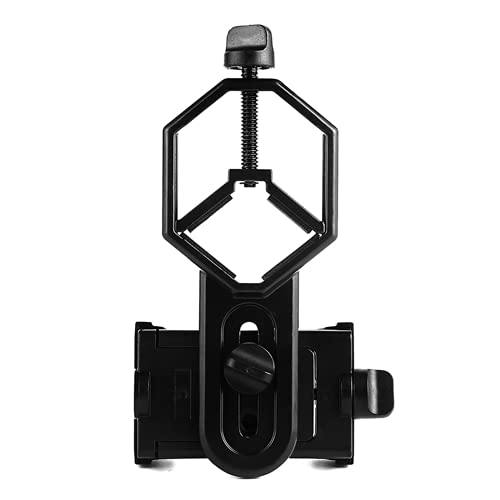
Gosky Universal Phone Adapter

Gosky Universal Phone Adapter

A sturdy phone-to-eyepiece mount that also works with spotting scopes and binoculars — great for a gadget-loving observer.

Celestron StarPointer Red Dot Finder

Celestron StarPointer Red Dot Finder

A red-dot finder that makes finding targets painless — the single easiest aiming upgrade for any telescope owner.

Helioclipse Eclipse Glasses (12-Pack)

Helioclipse Eclipse Glasses (12-Pack)

A 12-pack of certified solar viewers — enough for a whole classroom, family reunion, or watch party.

NightWatch: A Practical Guide to Viewing the Universe

NightWatch: A Practical Guide to Viewing the Universe

The respected one-volume manual for backyard astronomers — a thoughtful gift for someone ready to go beyond the Moon.

Celestron EclipSmart 70mm Solar Filter

Celestron EclipSmart 70mm Solar Filter

Drop-in certified solar filter for 70mm refractors — sunspots and transits, safely, for the AstroMaster owner on your list.

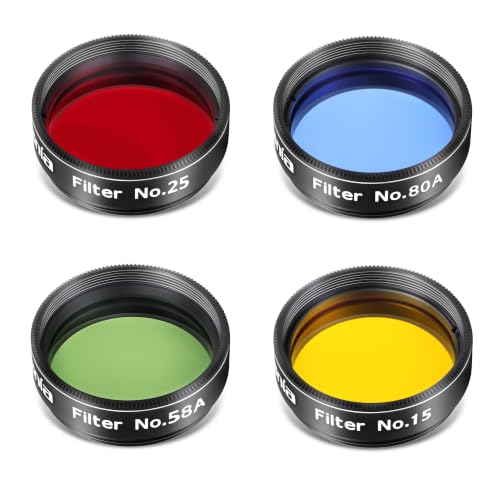
Astromania 4-Piece Color Filter Set

Astromania 4-Piece Color Filter Set

Planetary color filters that pull subtle detail out of Jupiter and Mars — a cheap, delightful upgrade for a planet-chaser.

SVBONY Variable Polarizing Moon Filter

SVBONY Variable Polarizing Moon Filter

Dials down the Moon's glare to reveal crater detail — one of the most appreciated cheap upgrades a telescope owner can receive.

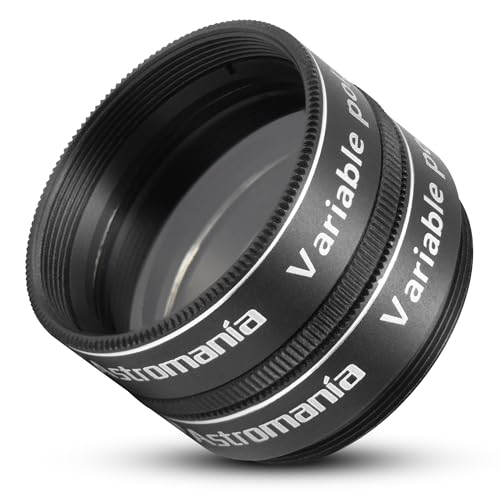
Astromania Variable Polarizing Filter (1.25")

Astromania Variable Polarizing Filter (1.25")

A smooth-turn variable moon filter for 1.25-inch eyepieces — a great budget-friendly lunar upgrade for any beginner scope.

Tier 3 · $30–$50

Real Upgrades Under $50

The "serious gift" end of the list — Barlows, premium moon filters, a great book, and the classic red flashlight every observer needs.

Turn Left at Orion

Turn Left at Orion

The legendary beginner's observing guide — hundreds of objects you can actually find, explained for a home telescope. A gift that keeps giving for years.

Northern Galaxy Aurora Star Projector

Northern Galaxy Aurora Star Projector

The best-selling bedroom aurora projector with 33 light effects, remote control and Bluetooth speaker — instant "wow" for a space-loving teen.

Amazon Basics 60-Inch Tripod

Amazon Basics 60-Inch Tripod

A light, cheap tripod that turns binoculars into a rock-steady observing rig — a practical gift for anyone who owns good binoculars.

Celestron Collimation Eyepiece

Celestron Collimation Eyepiece

Keeps a Dobsonian's mirror aligned with simple crosshair alignment — a thoughtful, nerdy add-on for any reflector owner.

DARKBEAM Red Light Astronomy Flashlight

DARKBEAM Red Light Astronomy Flashlight

A dimmable red-light flashlight that preserves night vision — the most-used gadget in an astronomer's bag and the perfect stocking centerpiece.

Celestron Omni 2x Barlow Lens

Celestron Omni 2x Barlow Lens

Doubles any eyepiece's magnification and instantly expands a beginner's eyepiece collection — the upgrade gift a scope owner will use every night.

Celestron Variable Polarizing Moon Filter

Celestron Variable Polarizing Moon Filter

Celestron's premium variable moon filter for comfortable, detailed lunar views — the top-tier pick on this under-50 list.

Build a Gift Bundle Under $50

A single 50-dollar item is a good gift; two or three smaller items chosen to work together feel like a curated kit — and unwrap far better. The trick is picking pieces that solve one complete problem for the recipient instead of three unrelated trinkets. Here are the three bundles we assemble most often, each landing at or under the 50-dollar line.

The First Night Out bundle (~$45)

For a brand-new stargazer with no gear at all: The Night Sky planisphere (~$13) so they can identify what is overhead, a dimmable red-light flashlight so they can read it without wrecking their night vision, and a pack of certified eclipse glasses for the next solar event. This kit answers the beginner's real question — "what am I looking at?" — and works from any backyard, no telescope required. It is our default Secret Santa upgrade when the office budget stretches past a single item.

The Scope Upgrade bundle (~$50)

For someone who owns a beginner telescope: an SVBONY variable polarizing moon filter (~$16) to tame lunar glare, plus the Astromania four-piece color filter set (~$20) for teasing detail out of Jupiter and Mars, plus a spare red-dot finder or collimation eyepiece depending on their scope type. Every piece threads into a standard 1.25-inch focuser, so compatibility is essentially guaranteed. This bundle upgrades three different kinds of observing night for the price of one restaurant dinner.

The Share the Sky bundle (~$50)

For the social astronomer who loves showing others: a rechargeable green laser pointer (~$20) for guided constellation tours, a universal phone adapter (~$15) so guests leave with their own Moon photo, and a 12-pack of Helioclipse eclipse glasses so the whole gathering can look at the Sun safely. This is the bundle for teachers, scout leaders, and the friend who always drags everyone outside when the Moon looks good.

Two practical bundle tips. First, wrap the pieces together in one box — three separately wrapped accessories read as filler, one boxed kit reads as thoughtful. Second, if the recipient's telescope brand is unknown, stay with 1.25-inch accessories and universal clamps; everything in the bundles above fits the standard focusers and eyepieces that ship on virtually every beginner telescope sold in the last three decades.

Stocking Stuffers Under $15

The bottom of the price range is where astronomy gifting is most dangerous — and where a few picks genuinely shine. Below 15 dollars you cannot buy optics worth owning, but you can buy safety, knowledge, and delight. Four categories reliably work at this price.

Certified eclipse glasses. The Lunt five-pack costs about as much as a greeting card per viewer and turns the next solar eclipse into a family event. Check for the ISO 12312-2 marking and a recognized brand — both packs on this page qualify — and they store flat in a drawer until the sky delivers. There is no other astronomy purchase this cheap with this much payoff per dollar.

A planisphere. The Night Sky star wheel costs around 13 dollars, needs no batteries, never loses signal, and teaches the sky in a way an app cannot: you dial the date and time, hold it overhead, and the constellations map onto the real stars. For kids it doubles as a rainy-day toy; for adults it is the analog backup that lives in the glovebox for unexpected dark-sky moments.

A nebula night light. The RICTLY rotating nebula light sits under 10 dollars and is the pick for a space-loving kid too young for real optics. It will not teach anyone astronomy, but it keeps the interest glowing between observing nights — and unlike a toy telescope, it delivers exactly what the box promises.

A budget phone adapter. The SVBONY universal adapter hovers around the 15-dollar line and is the cheapest gift on this page that creates a new capability: the first photo of the Moon through a family telescope is a genuine milestone moment, and this unlocks it. If the stocking budget allows a couple of dollars more, it is worth stretching for.

What to skip at this price: any "telescope" whatsoever, loose eyepieces from unknown brands, and uncertified solar film of any kind. The 10-dollar telescope does not exist — only 10-dollar toys shaped like telescopes.

Quick Picks by Recipient

Not sure what fits? Here's the fastest way to match a gift to the person, with links to our deeper guides for every kind of shopper.

Under-$50 Gifts for Someone Who Already Owns a Telescope

Telescope owners are the easiest under-50 recipients on this list, because the hobby runs on small consumable upgrades that owners perpetually postpone buying for themselves. You do not need to know their telescope's brand or model — almost everything below fits the standard 1.25-inch focuser that ships on virtually every amateur telescope. Here is the upgrade ladder, in the order we would climb it.

Start with the Moon. The Moon is the most-observed object in any beginner's logbook and also the most glare-blasted; near full phase it is genuinely uncomfortable to look at through an unfiltered eyepiece. A variable polarizing moon filter — SVBONY's for the budget pick, Celestron's as the premium version — lets the observer dial brightness from 40 percent down to 1 percent, revealing crater-wall detail that raw glare washes out. It is the single most appreciated cheap upgrade in astronomy, and our moon filter guide explains how the variable design beats fixed neutral-density filters.

Then double the eyepiece box. A 2x Barlow lens sits between the focuser and any eyepiece and doubles its magnification, which effectively doubles an eyepiece collection for around 40 dollars. The Celestron Omni 2x is the reliable pick: a scope owner with two eyepieces suddenly has four useful magnifications, and every future eyepiece they buy doubles too. It is the rare accessory that keeps paying off as the rest of their kit grows.

Protect the night vision. A proper dimmable red flashlight is the accessory owners borrow from each other at every star party. White light resets dark adaptation for twenty minutes or more; a dim red beam lets you check a chart, swap an eyepiece, or find a dropped lens cap without the penalty. The DARKBEAM is our standing pick and doubles as the perfect stocking centerpiece.

Add the showman's tools. A rechargeable green laser pointer turns a telescope owner into the neighborhood's sky guide — the beam appears to touch the star being described, which makes constellation tours effortless for guests and kids. Choose a modest-power, rechargeable model and use it away from aircraft and never toward people; our green laser astronomy guide covers safe power levels and technique.

Round out the toolkit. A collimation eyepiece keeps a reflector's mirrors aligned (the difference between mushy and crisp planet views), a red-dot finder makes aiming painless on scopes that shipped with poor finders, and a simple dew shield — even a homemade foam one — keeps optics clear on humid nights. None of these are glamorous; all of them get used constantly. For the full upgrade map beyond 50 dollars, see our beginner accessories guide.

What $50 Cannot Buy (An Honest Note)

Here is the truth that most gift lists dodge: there is no real telescope under 50 dollars. Not on sale, not refurbished, not from a clever unknown brand. A working telescope needs ground optics, a focuser that moves smoothly, and above all a mount that holds still — and that combination cannot be manufactured, shipped, and retailed for 50 dollars. What exists at that price is telescope-shaped packaging: a wobbly tripod, a plastic lens, and a magnification claim that our testing (and physics) cannot support.

This is why every optical item on this page is an accessory, a filter, or a pair of certified solar viewers rather than a telescope. Fifty dollars spent on a moon filter and a Barlow genuinely improves a thousand future observing nights; fifty dollars spent on a toy scope usually ends the hobby before it starts. If the gift absolutely must be "their own telescope," the honest move is to either pool budgets or wait for a sale window.

And the next tier up is closer than most shoppers think. Between 70 and 100 dollars, genuine instruments from real manufacturers appear — the Celestron FirstScope class of tabletop reflectors that show lunar craters and Saturn's rings; our best telescopes under $100 guide separates the real ones from the toys. From 150 to 200 dollars the experience improves dramatically, with stable mounts and enough aperture for Jupiter's moons and bright deep-sky objects; see best telescopes under $200 for the picks we would actually gift. Around Black Friday, telescopes from that tier regularly see their deepest cuts of the year — our best time to buy guide and smart telescope deal watch track exactly when.

Cheap Gift Traps to Avoid

Under 50 dollars is exactly where the junk lives, so a little caution goes a long way. These are the three traps we see most often when people shop for small astronomy gifts.

1. Uncertified solar glasses

Never buy solar viewers without a genuine ISO 12312-2 certification mark — a counterfeit pair can damage eyes permanently. Our eclipse glasses guide explains how to spot the fakes, and we only link certified packs on this page.

2. "$50 telescopes" with toy specs

A scope at this price is almost always a wobbly toy that advertises huge magnification it can't deliver. If the budget is under 50 dollars, buy a genuine accessory instead of a pretend telescope — our telescopes to avoid list names the specific offenders.

3. No-name filter and adapter knock-offs

Eyepieces, filters, and adapters from unknown sellers are a lottery — poor coatings, loose threads, and misaligned glass. Stick to the established brands on this page (Celestron, SVBONY, Astromania, Gosky) and you're safe.

Astronomy Gifts Under $50 — FAQ

What are the best astronomy gifts under 50 dollars?

The gifts that get used every observing night: a red-light flashlight, a variable moon filter, a 2x Barlow, a phone-to-eyepiece adapter, a planisphere, and certified solar glasses. These are upgrades and tools, not toys — so they genuinely improve the recipient's hobby at a stocking-stuffer price. Our picks on this page are all verified in stock from trusted brands.

Are cheap telescopes under 50 dollars worth buying?

Almost never. A telescope at that price is usually a wobbly, low-quality toy that frustrates a new owner and ends up in a closet. The smarter gift at this budget is a genuinely useful accessory for a telescope the person already has — or a planisphere, red light, and a good book for someone who hasn't bought a scope yet. If a telescope is really the goal, our telescope gift guide shows where real instruments actually start.

What's the best stocking stuffer for a stargazer?

The DARKBEAM red-light flashlight is our perennial pick — it preserves night vision, costs about 36 dollars, and gets used on every single observing session. For something even smaller, a pack of certified eclipse glasses or a phone adapter are excellent under-15-dollar stocking stuffers that a stargazer will genuinely appreciate.

Are cheap solar eclipse glasses from Amazon safe?

Only if they carry a genuine ISO 12312-2 certification and come from a known brand — many cheap listings are counterfeit and unsafe for direct solar viewing. We link only certified packs (Lunt and Helioclipse on this page), and our eclipse glasses guide shows you exactly how to verify any pair before you point them at the Sun.

What under-50-dollar gift works for someone who already owns a telescope?

Buy an upgrade, not a second telescope: a 2x Barlow lens, a variable moon filter, a phone adapter, or a red-dot finder. All of these make the instrument they already own dramatically more capable, and every one fits comfortably under the 50-dollar budget. Our accessories guide details which upgrades matter most for a beginner scope.

What should you avoid when buying cheap astronomy gifts?

Three traps: uncertified solar glasses that are unsafe, toy telescopes that advertise huge magnification on a wobbly mount, and no-name filters or adapters with poor quality control. The "What to Avoid" section above explains each one, and every item on this page comes from a trusted brand with genuine certification where safety matters.

Can you buy a real telescope for under 50 dollars?

No. A working telescope needs ground optics, a smooth focuser, and a stable mount, and that combination cannot be made and sold for 50 dollars — what exists at that price is telescope-shaped packaging with an inflated magnification claim. Real entry-level instruments start around 70 to 100 dollars with tabletop reflectors like the Celestron FirstScope, and improve dramatically in the 150-to-200-dollar range. At a strict 50-dollar budget, a quality accessory or binocular-adjacent gift is genuinely the better present.

What's a good astronomy gift bundle under 50 dollars?

Combine two or three small items that solve one complete problem. For a beginner: a planisphere, a red-light flashlight, and eclipse glasses — everything needed for a first night out. For a telescope owner: a variable moon filter plus a color filter set. For the social stargazer: a green laser pointer, a phone adapter, and a 12-pack of eclipse glasses. Wrapped together in one box, a themed bundle reads as a curated kit rather than stocking filler.

Do under-50-dollar telescope accessories fit every telescope?

Almost always, yes. The amateur astronomy world standardized on the 1.25-inch eyepiece barrel decades ago, so filters, Barlows, eyepieces, and collimation tools on this page thread or slide into virtually any telescope sold in the last 30 years. Phone adapters use universal clamps that grip any eyepiece. The only compatibility check that matters is for solar filters, which are sized to the telescope's front aperture — match the filter to the tube diameter before buying.

Are astronomy books a good gift for a stargazer?

Some of the best gifts on this list are books. Turn Left at Orion is the legendary beginner's observing guide — hundreds of objects, each with realistic sketches of what you will actually see through a small telescope — and NightWatch is the respected one-volume reference for the whole hobby. Both cost far less than 50 dollars, never go obsolete the way gadgets do, and get pulled off the shelf for years. For a reader who is curious about the sky, a book plus a planisphere beats any gadget at this price.


Continue Exploring

Keep the session going with the next useful answer

Choose the next page based on whether you need a recommendation, a comparison, or a practical observing plan.

Use Finder Tool →

⚡ On sale now: Prime Big Deal Days telescope deals · or wait for Black Friday?

🎄 Holiday season: Telescope Christmas Gift Guide 2026 · Black Friday deal tracking

More Gift Guides