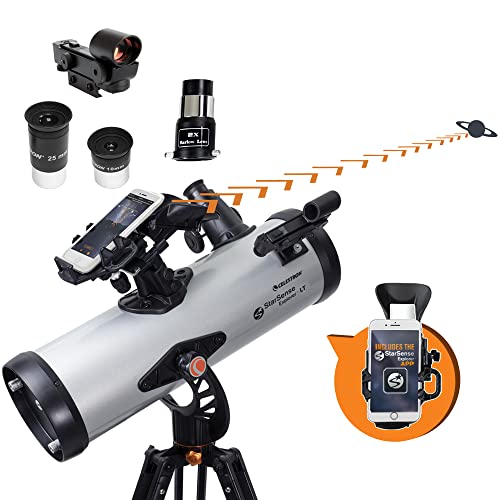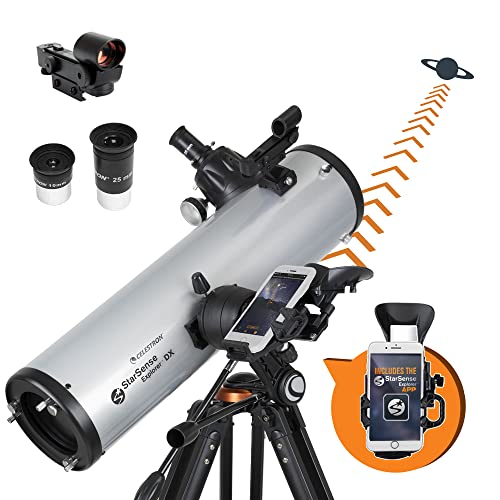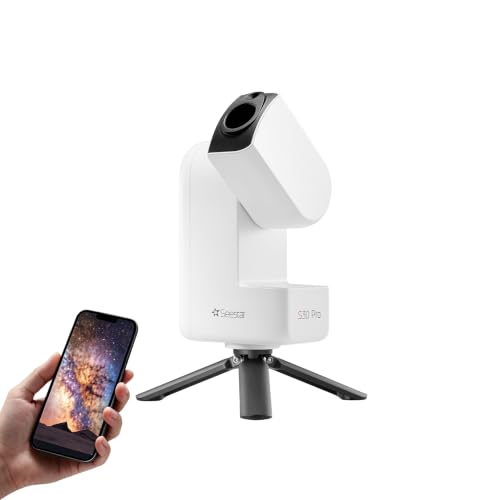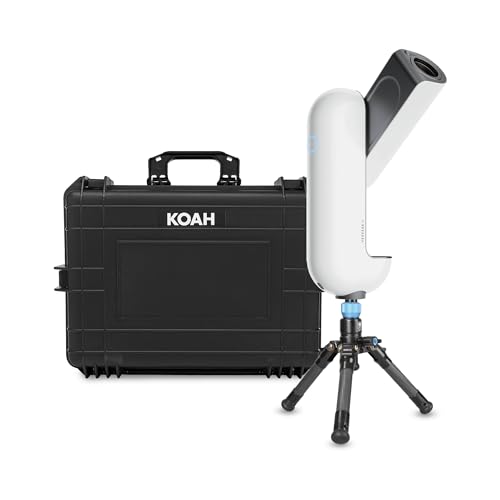

Before You Buy: 5 Rules for Telescope Gift Shopping
Most bad telescope purchases share a common cause: the buyer chose by price tag and box art rather than by the recipient's experience level and how the telescope will actually be used. Five minutes with these rules will save weeks of disappointment. And print our first night with a new telescope checklist to tuck in with the gift — it turns an unwrapped box into a successful first evening.
Rule 1: Ignore magnification claims
A telescope box that advertises "675× magnification!" is almost certainly selling frustration. High magnification is useless on an unstable mount with poor optics. The only number that matters is aperture (the size of the lens or mirror in millimetres). Bigger aperture = more light = better views.
Rule 2: Mount stability matters more than aperture
A wobbly tripod makes even a large telescope frustrating to use. Every time you touch the eyepiece, the view shakes for seconds. Buy from reputable brands (Celestron, Sky-Watcher) where mounts are designed to work with the optical tube, not thrown in as an afterthought.
Rule 3: Ease of use determines whether it gets used
The best telescope for a beginner is the one they'll actually take outside. A complex setup that requires 30 minutes to align will end up in a closet. Prioritize: quick setup, intuitive mount, clear instructions.
Rule 4: Buy from telescope specialists
Telescopes sold in toy stores, department stores, and unbranded Amazon listings at very low prices are almost universally poor quality. Stick to established astronomy brands: Celestron, Sky-Watcher, Meade (limited), and Explore Scientific.
Rule 5: Match the scope to the recipient
A 10-year-old, a retirement-age parent, and a university student who wants to photograph galaxies need different telescopes. Age, patience level, physical strength, and long-term ambitions all matter. Use our recipient guide below.
The minimum budget for real astronomy
Below the $100–$150 range, you're buying severely limited capability. Saturn's rings are visible at this entry point, but barely. From the $150–$250 range, things improve dramatically: clearer rings, Jupiter's moons, globular clusters. Don't be pushed below this without knowing the limitations.