Best Solar Binoculars for the 2026 Eclipse: Safe Sun Viewing Without a Telescope
Telescope Advisor Logo Telescope Advisor
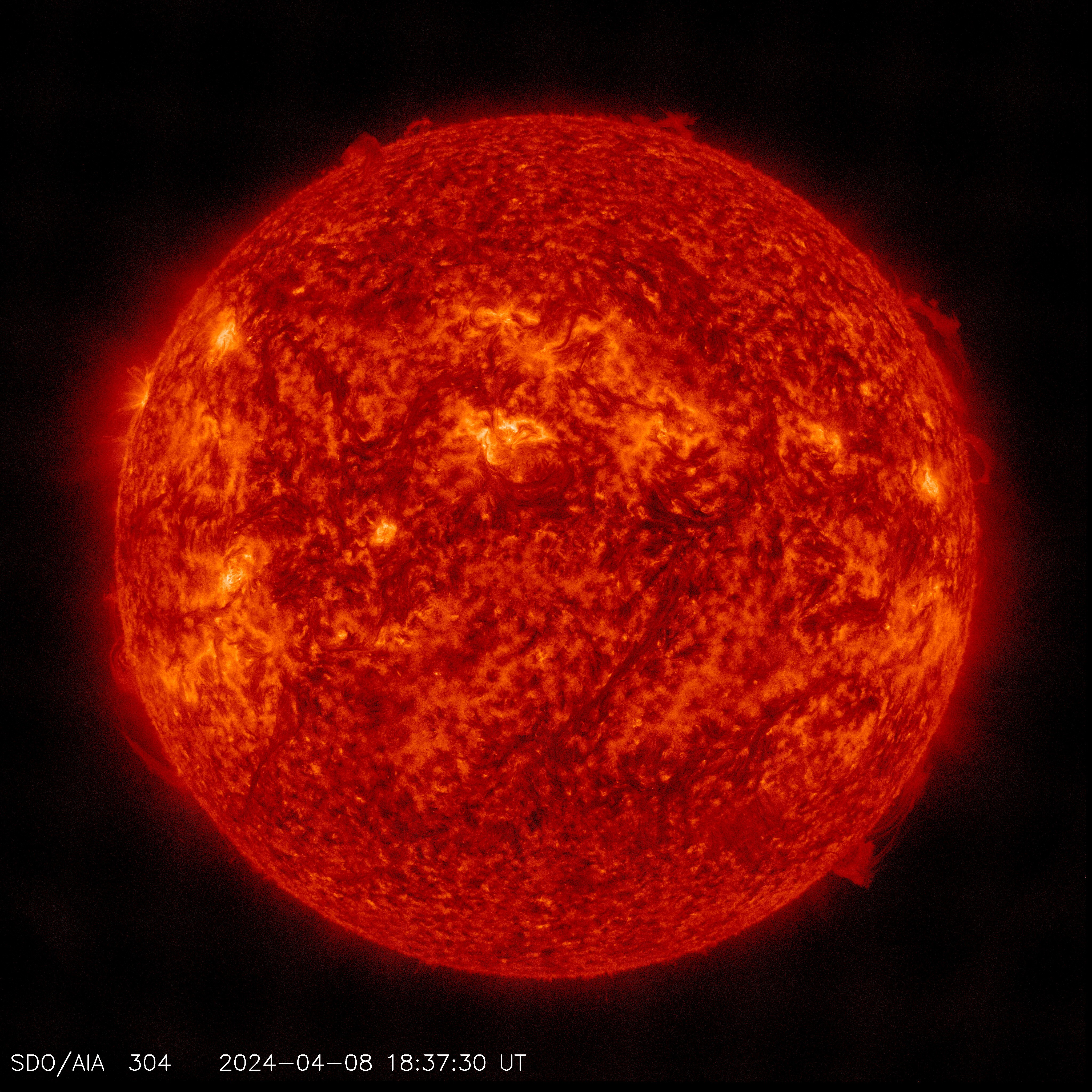
The Sun captured by NASA's Solar Dynamics Observatory showing active regions and solar activity — the view through solar binoculars reveals sunspots and the Moon's limb

Buying Guide · Solar Binoculars 2026

Best Solar Binoculars for the 2026 Eclipse: Safe Sun Viewing Without a Telescope

Solar binoculars let you watch the August 12, 2026 eclipse in magnified safety — no separate filter to attach, no telescope required. Here is how they work, how to choose between 10×25 and 12×50 models, and what you will actually see through them.

Built-in filterISO 12312-2 (permanent)
Magnification10× (compact) or 12× (detail)
What you'll seeSunspots, crescent Sun, Moon's limb
Totality useRemove from eyes — view corona naked-eye
By Telescope Advisor Editorial Team Published: Updated: Editorial Standards

Quick Answer: Are Solar Binoculars Worth It for the 2026 Eclipse?

Yes — solar binoculars are the single best value accessory you can buy for the August 12, 2026 eclipse. They cost far less than a telescope with a solar filter, they require no setup or alignment, and they deliver a magnified view of the partial phases that is simply impossible with eclipse glasses alone. The built-in ISO 12312-2 solar filters are permanently mounted — they cannot be removed accidentally, which means they are inherently safer than filter-on-thread systems where a loose filter could fall off.

The key distinction: eclipse glasses show you the Sun at 1× (naked-eye size). Solar binoculars show you the Sun magnified 10–12 times. Through solar binoculars, you can see sunspots, the texture of the Moon's limb crossing the Sun's disk, and the gradual deepening of the crescent with a level of detail that eclipse glasses cannot approach.

Solar binoculars

Magnified view, built-in filter, shows sunspots and Moon's limb. Best for detailed partial phase observing.

Eclipse glasses

Naked-eye view only, cheapest option, essential for everyone. Use in combination with binoculars.

Telescope + solar filter

Highest magnification, best detail, but requires setup, alignment, and practice. Overkill for casual viewing.

🔭

Not sure which telescope actually fits your goals?

Answer 5 quick questions about your budget, observing targets, and experience level — our Telescope Finder Tool recommends a specific model in under 2 minutes.

Find My Telescope →

How Solar Binoculars Work — And Why They Are Safe

Solar binoculars look like ordinary binoculars, but with one critical difference: the front lenses have ISO 12312-2 certified solar filters permanently bonded to them. These filters block 99.999% of the Sun's visible light and 100% of its harmful ultraviolet and infrared radiation. The filters cannot be removed — they are not caps or screw-on attachments, but integral parts of the optical path.

This permanent-integral design is the most important safety feature. With traditional telescopes and binoculars, users must attach a separate solar filter to the front. If that filter falls off during use — and it can happen — the user is suddenly looking at the Sun through an unfiltered instrument, causing instant and irreversible eye damage. With dedicated solar binoculars, that failure mode does not exist.

However, a common misconception needs to be addressed: never use solar binoculars with eyepiece (rear) filters. Some older or cheaper eclipse viewing kits include a small screw-in filter that goes into the eyepiece. These are extremely dangerous. The concentrated sunlight at the eyepiece can shatter the rear filter almost instantly, exposing your eye to full-intensity sunlight. Always use front-aperture solar filters only — and built-in ones, like the EclipSmart series, are the gold standard.

The "impossible to misuse" advantage

Solar binoculars are the only solar viewing device that a child or a novice can use with zero risk of accidental misuse. There are no filters to attach, no caps to remove, no screws to tighten. You pick them up, point them at the Sun, and look. For group viewing, eclipse parties, and public outreach events, this safety advantage is enormous.

Solar Binoculars vs Eclipse Glasses vs Telescope: Which Do You Need?

The honest answer is that you should ideally have both eclipse glasses and solar binoculars for the 2026 eclipse. They serve different purposes and complement each other. Here is the comparison:

Factor Eclipse Glasses Solar Binoculars Telescope + Solar Filter
Magnification 1× (naked eye) 10× or 12× 20× to 100×+
Setup time Instant Instant 5–15 minutes
Sunspots visible No Yes Yes — in detail
Moon's limb detail No Yes Yes — excellent
Use during totality Not needed (corona safe) Set aside — view corona with naked eye Remove filter — best corona views
Safety (misuse risk) Excellent — simple Excellent — built-in filter cannot fall off Good — but filter could be forgotten or fall off
Portability Pocket-sized Compact (10×25) to moderate (12×50) Bulky, needs case
Price $10–30 $40–80 $150+

Our recommendation: buy eclipse glasses for everyone in your group (non-negotiable), and add at least one pair of solar binoculars for the magnified view. The combination costs under $100 and covers every observing scenario. A telescope with a solar filter is an optional upgrade that adds the highest level of detail but is not necessary for an unforgettable eclipse experience.

10×25 vs 12×50: Which Solar Binocular Should You Choose?

The two dominant solar binocular formats for the 2026 eclipse are the 10×25 (compact, lightweight) and the 12×50 (larger, brighter, more detailed). Both have built-in ISO 12312-2 solar filters. Here is how they compare:

Specification 10×25 (Compact) 12×50 (Full-size)
Magnification 10× 12×
Objective lens 25mm 50mm
Weight ~340g (12 oz) — ultralight ~820g (29 oz) — noticeable
Field of view ~5.5° (wider) ~4.5° (narrower)
Sun image brightness Good — adequate for sunspots Better — larger exit pupil, brighter view
Handheld stability Excellent — very steady at 10× Fair — 12× magnifies hand shake; tripod recommended
Travel / carry-on friendly Yes — fits in a jacket pocket Possible — but larger, heavier
Best for Travel, families, quick looks, eclipse trips Detail-oriented observers, tripod users

Our verdict: For most eclipse travellers heading to Iceland, Mallorca, or mainland Spain, the 10×25 is the better choice. It is significantly lighter, easier to pack, and steady enough for comfortable handheld viewing. The 12×50 delivers a brighter, more detailed image but benefits greatly from a tripod — which means more gear to carry. If you are driving to your observing site and have a tripod, the 12×50 is the better optical instrument. If you are flying and packing light, get the 10×25.

Editor's Pick: Celestron EclipSmart 10×25 Solar Binoculars

The Celestron EclipSmart 10×25 is our top solar binocular recommendation for the 2026 eclipse — and here is why: it is the most travel-friendly, easiest to use, and most versatile solar binocular on the market. Whether you are flying to Reykjavik, driving to Burgos, or hopping between Mallorcan beaches, the 10×25 slips into any daypack or even a large jacket pocket.

Editor's Pick — Best Solar Binoculars for the 2026 Eclipse
Celestron EclipSmart 10x25 Solar Binoculars — the best solar binoculars for the August 12, 2026 total solar eclipse

Celestron EclipSmart 10×25 Solar Binoculars

ISO 12312-2 certified 10× magnification 25mm objectives Built-in solar filter Pocket-sized

The Celestron EclipSmart 10×25 is the most popular solar binocular for good reason. It weighs just 340 grams (12 ounces), folds down to fit in a jacket pocket, and requires zero setup. The permanently attached ISO 12312-2 solar filters make them 100% safe for direct Sun viewing — even for children or first-time eclipse watchers.

What you'll see: At 10× magnification, the Sun appears comfortably large in the field of view — roughly the size of a coin held at arm's length. Sunspots (if present during the August 2026 solar maximum) appear as tiny dark spots on the Sun's disk. During the partial phases, the Moon's limb is visibly irregular against the Sun's bright surface, with mountains and valleys on the lunar terminator producing a slightly jagged edge.

Why it wins for the 2026 eclipse: Whether you are watching from a Reykjavik hilltop, a Mallorcan beach, or a Madrid park, you want equipment that is always with you, always ready, and always safe. The 10×25 EclipSmart checks all three boxes. Pair it with a simple neck strap and you are set for the entire event.

Why we picked it: Unbeatable combination of safety, portability, image quality, and price. The perfect companion for eclipse travellers who want magnification without the bulk of a telescope.

View on Amazon →

Affiliate link — we may earn a small commission at no extra cost to you.

Upgrade Pick: Celestron EclipSmart 12×50 Solar Binoculars

If you want the absolute best solar binocular image quality and are willing to carry a bit more weight — or have a tripod — the Celestron EclipSmart 12×50 is the upgrade choice. The larger 50mm objectives gather more light, resulting in a brighter, more detailed image of the Sun's surface.

Celestron EclipSmart 12x50 Solar Binoculars — high-power solar binoculars for detailed eclipse viewing

Celestron EclipSmart 12×50 Solar Binoculars — Best for tripod users

ISO 12312-2 certified 12× magnification 50mm objectives Built-in solar filter Tripod-compatible

Step up to 12× magnification and 50mm aperture for noticeably more detail. Sunspot umbrae (the dark inner core) and penumbrae (the lighter outer region) become distinguishable. The Moon's limb appears sharper, with more visible mountainous irregularity. The larger exit pupil (4.2mm vs 2.5mm on the 10×25) creates a more comfortable viewing experience.

When to choose the 12×50: If you are driving to your eclipse site and can bring a lightweight camera tripod, the 12×50 on a tripod delivers near-telescope-quality views of the partial phases. At 12×, handheld viewing can be shaky — the tripod transforms the experience into a rock-solid, highly detailed observing session.

A note on 12×50 vs binoculars for night sky use: Do not buy solar binoculars expecting to use them for night-time stargazing — the solar filters make them completely opaque to anything except the Sun. The EclipSmart 12×50 is a dedicated solar instrument. For night sky binoculars that also work for the eclipse, you would need a separate solar filter attachment.

View on Amazon →

Affiliate link.

Alternative Options: Eclipse Glasses for Groups and Families

While solar binoculars are our top recommendation for the magnified view, every observer also needs eclipse glasses for the naked-eye experience — and for sharing the view with others who do not have binoculars.

Helioclipse Eclipse Glasses 12-Pack — ISO 12312-2 certified eclipse glasses for group viewing

Helioclipse Eclipse Glasses (12-Pack) — Best value for groups

If you are organizing an eclipse viewing party or travelling with family, the 12-pack of Helioclipse glasses ensures everyone has safe, certified eye protection. These glasses meet the ISO 12312-2 international safety standard and block 99.999% of the Sun's intensity. The cardboard frame is comfortable, folds flat for storage, and fits over regular prescription glasses.

How to use them with solar binoculars: Wear the glasses while scanning the sky for the Sun (do not look at the Sun without glasses even while raising binoculars). Once you have the Sun in the binoculars' wide field, you can lower the glasses and look through the binoculars — the built-in solar filter handles the protection. Use the glasses for the naked-eye view between binocular sessions.

View on Amazon →

Affiliate link.

Lunt Solar Eclipse Glasses 5-Pack — premium ISO-certified solar eclipse glasses

Lunt Solar Eclipse Glasses (5-Pack) — Premium quality

Lunt Solar is renowned in the solar observing community for their high-quality astronomical solar filters. Their eclipse glasses use the same optical-grade solar film as their professional filters, delivering a crisp, neutral-colour view of the Sun. The 5-pack is ideal for a smaller family group or as a premium supplement to your solar binocular setup.

View on Amazon →

Affiliate link.

Prices and availability subject to change. All product links are affiliate links — see our editorial standards for our review process.

What You'll See Through Solar Binoculars During the Eclipse

Understanding what you are looking at enhances the experience immensely. Here is a phase-by-phase guide to what solar binoculars reveal during the August 12 eclipse:

Partial Phase (First Hour: ~60–90 minutes before totality)

The Moon begins to cross the Sun's disk. Through solar binoculars, you will see the Sun as a perfect circle with a small "bite" taken out of one edge. The bite grows progressively larger over the next hour. If sunspots are present (and they likely will be — August 2026 is near solar maximum), they will appear as tiny dark spots on the Sun's surface, slowly being covered by the Moon's advancing limb. The edge of the Moon is not perfectly smooth — lunar mountains create a micro-jagged edge that is just visible at 10–12×.

Deep Partial Phase (~10 minutes before totality)

The Sun is now a narrow crescent, visible through solar binoculars as a brilliant golden arc. The sky has darkened noticeably — even through the binoculars, the background sky appears deeper blue. This is the most visually dramatic phase for solar binocular viewing. The crescent becomes thinner and thinner with each passing minute. Scan along the crescent's tips — the Moon's mountains may create tiny breaks in the thin crescent, a preview of the Baily's beads effect that will be fully visible during totality from within the path.

During Totality (path of totality only)

Put the solar binoculars down! Once the Moon fully covers the Sun, it is safe to view the corona with your naked eyes — and you should. The corona is a delicate, pearly-white structure extending several solar diameters from the eclipsed Sun. Solar binoculars will show you nothing during totality (the built-in filter is too dense to transmit the corona's faint light). This is the one time you want unfiltered, wide-angle viewing. Enjoy the corona, the diamond ring as totality ends, and the 360° sunset effect with your own eyes.

Partial Phase After Totality

As the diamond ring flares and totality ends, pick up your solar binoculars again (or put eclipse glasses back on) and watch the crescent slowly widen as the Moon retreats from the Sun's disk. The reverse sequence of the partial phase unfolds over the next hour, with the Moon's shadow exiting the solar disk on the opposite side.

What to Do With Solar Binoculars During Totality

This is the most common question from first-time solar binocular users: can I look at the total eclipse through my solar binoculars?

The answer is no — and you should not want to. Solar binoculars have permanently mounted filters that block 99.999% of the Sun's light. During totality, the Sun's corona is about as bright as the full Moon — far too faint to be visible through the dense solar filter. If you try to look at the total eclipse through solar binoculars, you will see nothing but blackness.

Instead, put the binoculars down during totality and experience the eclipse with your naked eyes. The corona, the diamond ring, the 360° sunset, and the appearance of bright stars and planets in the darkened sky are best appreciated with wide, unfiltered vision. You have the entire partial phase — over an hour — to use your solar binoculars. The ~2 minutes of totality are for naked-eye wonder.

If you are using a telescope with a removable solar filter for eclipse photography, you can — with practice — safely remove the filter for totality and shoot the corona. But for solar binoculars, the filter is permanently attached and cannot be removed. They are instruments for the partial phases, and that is where they excel.

The "binoculars down" protocol

When totality begins — marked by the diamond ring fading and the corona appearing around the black disk of the Moon — simply lower your solar binoculars and let them hang from their neck strap. Look at the corona with your unaided eyes. Watch the pink prominences at the edge of the Moon's disk. Look around at the 360° twilight horizon. Then, when the diamond ring flares again at the end of totality, put eclipse glasses on or raise your solar binoculars again to watch the partial phase resume.

Solar Binoculars for the 2026 Eclipse — FAQ

Are solar binoculars safe for viewing the Sun?

Yes — provided they are certified to the ISO 12312-2 safety standard and the solar filters are permanently built into the front of the binoculars (like the Celestron EclipSmart series). Never use binoculars with removable eyepiece filters or "screw-in" rear filters — these are dangerous. Always use front-aperture solar filters only.

Can I use regular binoculars with solar filters for the eclipse?

Yes — if you attach a certified front-aperture solar filter securely over both objective lenses. However, the risk is that a poorly attached filter can fall off during use, exposing you to unfiltered sunlight. Dedicated solar binoculars with permanently bonded filters eliminate this risk entirely. If using regular binoculars with add-on filters, check the fit before every use and secure them with rubber bands or tape as a backup.

What's the difference between 10×25 and 12×50 solar binoculars?

The 10×25 is smaller, lighter, more portable, and easier to hold steady — ideal for travel and quick looks. The 12×50 delivers a brighter, more detailed image but is heavier and benefits from a tripod for stable viewing. For most eclipse travellers, the 10×25 is the better choice. For detail-oriented observers who can bring a tripod, the 12×50 is the upgrade pick.

Can I use solar binoculars to look at the total eclipse during totality?

No — the built-in solar filter blocks too much light for the corona to be visible. During totality, put the binoculars down and enjoy the corona and diamond ring with your naked eyes. The partial phases before and after totality (over an hour combined) are the time to use solar binoculars.

Can I use solar binoculars for night-time stargazing?

No. The solar filters block essentially all incoming light, making the binoculars completely unusable for night-sky observing. Solar binoculars are dedicated instruments for Sun viewing only. You cannot remove the filters — they are permanently bonded to the objectives.

Do I still need eclipse glasses if I have solar binoculars?

Yes. Eclipse glasses serve a different purpose: they allow you (and others) to look at the Sun at 1× magnification with both eyes, without raising binoculars. They are also essential for group viewing — not everyone can look through binoculars at once. We recommend having both: solar binoculars for your own magnified view, and a pack of eclipse glasses for family and friends.

Related Guides