Reykjavik Eclipse 2026: Total Solar Eclipse Guide — Times, Totality Duration & Telescope Setup
Telescope Advisor Logo Telescope Advisor
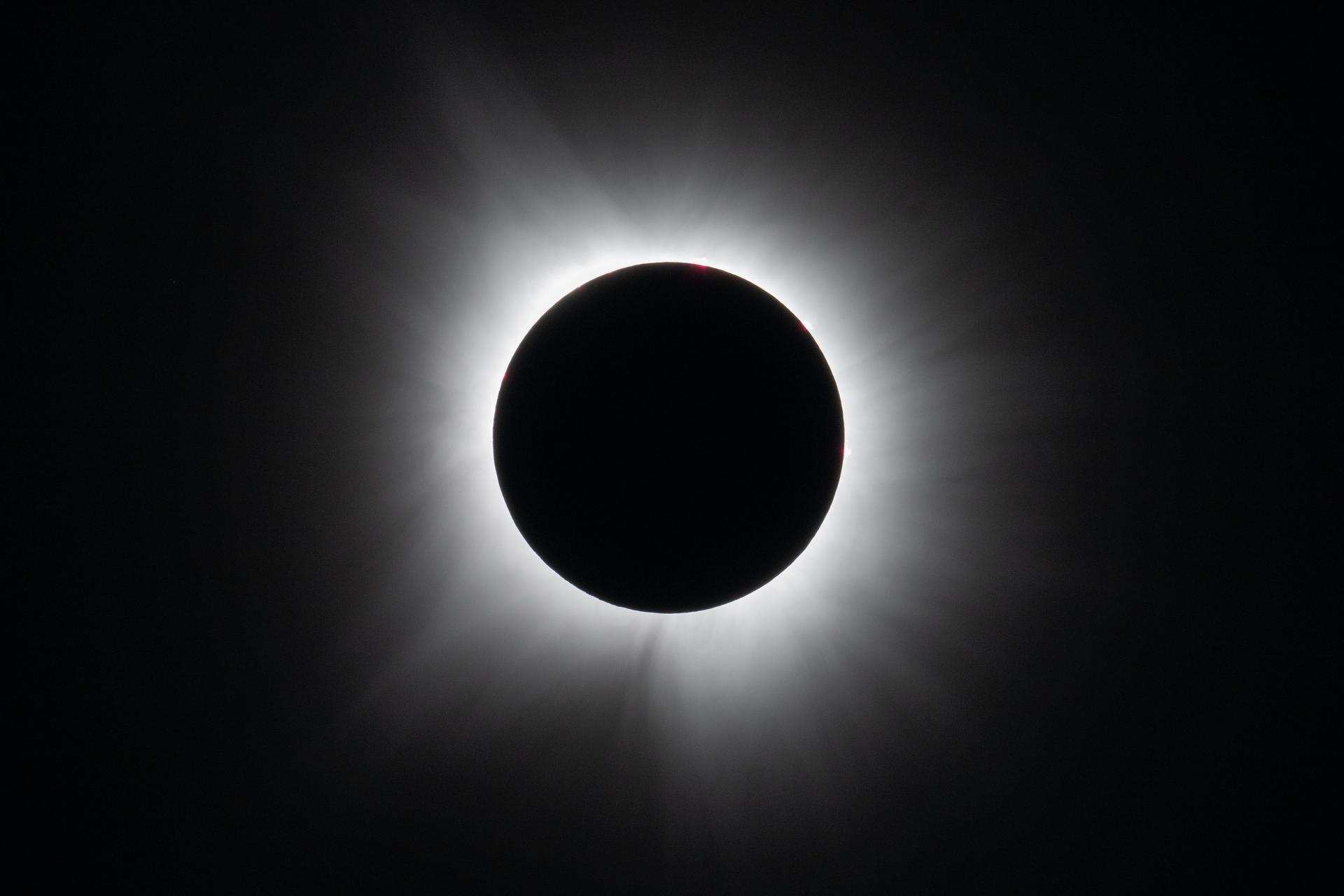
Total solar eclipse corona — the Sun's outer atmosphere visible during totality, similar to what observers in Reykjavik will see on August 12, 2026

Total Solar Eclipse · August 12, 2026

Reykjavik Eclipse 2026: Total Solar Eclipse Guide — Times, Totality Duration & Telescope Setup

Reykjavik offers something no other location in the path of totality can match: the highest Sun altitude of any major city on the centreline, at approximately 22° above the horizon. Here is everything you need to plan your eclipse observation from Iceland's capital.

DateAugust 12, 2026
Totality duration~2 min 10 sec
Sun altitude~22° (highest in path)
Best toolSolar filter + telescope
By Telescope Advisor Editorial Team Published: Updated: Editorial Standards

Quick Answer: What Will the Eclipse Look Like From Reykjavik?

Reykjavik is the best-positioned capital city in the entire path of totality for the August 12, 2026 solar eclipse. The centreline passes just south of Iceland, placing Reykjavik within the northern portion of the path of totality with a Sun altitude of approximately 22° — significantly higher than the 10–15° typical for Spanish and Portuguese locations further east. At maximum eclipse, the Moon will completely cover the Sun's disk for 2 minutes and 10 seconds, revealing the solar corona against a deep twilight sky.

What makes Reykjavik unique is the combination of high Sun altitude and reasonable weather odds for August. While no location guarantees clear skies, Iceland's coastal position means passing weather systems can shift quickly, and August afternoon cloud cover averages around 65–75%. Planning for mobility — being ready to drive a short distance to a clear patch — is the smartest strategy.

Totality starts

~5:28 PM GMT (August 12, 2026)

Sun altitude during totality

~22° — noticeably higher than Spain (10–15°)

Weather risk

Moderate — 65–75% August cloud cover; plan for mobility

🔭

Not sure which telescope actually fits your goals?

Answer 5 quick questions about your budget, observing targets, and experience level — our Telescope Finder Tool recommends a specific model in under 2 minutes.

Find My Telescope →

Why Reykjavik? The 22° Sun Altitude Advantage

The single most important factor distinguishing Reykjavik from every other major city in the August 12, 2026 eclipse path is the Sun's altitude at the time of totality. In Reykjavik, the Sun will be approximately 22° above the south-southwestern horizon during totality. For context, most Spanish cities along the path — including popular destinations like Bilbao, Burgos, and Zaragoza — see the Sun at only 10–15° altitude. Palma de Mallorca, on the southern edge, sees it even lower.

Why does altitude matter so much? A higher Sun angle means:

  • Less atmospheric extinction — the Sun's light passes through less air at 22° than at 10°, meaning the corona appears brighter and more detailed.
  • Better telescope viewing — at higher altitudes, atmospheric turbulence (seeing) is significantly reduced. At 10–15°, the low-altitude turbulence can blur fine coronal detail and make high-magnification views unsteady.
  • Fewer horizon obstructions — at 22°, the Sun is well clear of buildings, trees, and rolling terrain. You do not need a perfectly flat horizon to see the entire event.
  • Longer effective totality — while the geometric duration is the same everywhere along the centreline (approximately 2 minutes 10 seconds), the practical observing window begins earlier and ends later because the Sun is not fighting horizon haze.

The Reykjavik advantage in numbers

Reykjavik: ~22° Sun altitude, 2 min 10 sec totality. Compare to Bilbao: ~14°, 1 min 45 sec. Compare to Madrid: 0° (outside path — partial only). For serious eclipse chasers who prioritize optical quality over warm weather, Reykjavik is the superior choice on purely astronomical grounds.

Exact Totality Times for Reykjavik — August 12, 2026

All times below are in Greenwich Mean Time (GMT), which Iceland uses year-round (no daylight saving). Reykjavik is at approximately 64.1°N latitude, 21.9°W longitude.

Event Time (GMT) Sun Altitude Notes
Partial eclipse begins ~4:18 PM GMT ~26° First "bite" appears on the Sun's edge. Use solar glasses or a filtered telescope from this moment.
Totality begins ~5:28 PM GMT ~22° The Moon fully covers the Sun. Remove solar filters from telescope. Observe corona, prominences, and 360° sunset effect.
Maximum eclipse ~5:29 PM GMT ~22° Midpoint of totality. The corona is at its most symmetrical and brilliant.
Totality ends ~5:30 PM GMT ~21° Diamond ring effect as sunlight reappears. Replace solar filters immediately.
Partial eclipse ends ~6:38 PM GMT ~15° The Moon's shadow completely leaves the Sun's disk.

Times are approximate and calculated for Reykjavik city centre (64.15°N, 21.94°W). Totality duration along the centreline is ~2 minutes 10 seconds. Reykjavik is slightly north of centre, so duration may be about 1 minute 55 seconds to 2 minutes 5 seconds depending on exact location within the city.

Midnight sun context: Iceland in August

By August 12, Iceland has passed its summer solstice, but the days are still exceptionally long. Sunset in Reykjavik occurs around 9:40 PM GMT in mid-August, so the eclipse takes place in full afternoon daylight. The sky will darken noticeably during totality — a deep twilight blue rather than full darkness — with the brighter stars and planets becoming visible near the Sun.

August Weather Patterns and Cloud Cover in Reykjavik

The most honest answer about Iceland weather is that it is unpredictable. August is one of the milder months in Reykjavik, with average high temperatures around 13°C (55°F), but the North Atlantic weather patterns mean conditions can shift from overcast to clear in under an hour.

Historical cloud cover data for Reykjavik in mid-August shows:

  • Average cloud cover: 65–75% in the afternoon hours (4–7 PM GMT)
  • Probability of clear skies: Approximately 15–20% on any given afternoon
  • Probability of partly cloudy: Approximately 40–50% — meaning the Sun may be visible through thin cloud or between cloud gaps
  • Rain probability: Approximately 30–40% in mid-August afternoons

These statistics sound discouraging, but they come with an important caveat: Iceland's weather is highly localized. It is common for Reykjavik to be overcast while areas just 20–30 kilometres inland are clear. If you have rental car mobility, your chances of finding a clear observing site increase dramatically. The road network around Reykjavik — particularly routes heading east toward Selfoss or northeast toward Thingvellir — offers numerous options to chase clear patches.

Practical weather strategy

Book accommodation in Reykjavik for at least August 11–13. Monitor satellite imagery (the Icelandic Meteorological Office website is excellent) from August 10 onward. If the forecast looks marginal, plan a drive to one of the alternate sites listed in the next section. The key is flexibility — and warm clothing. Mid-August temperatures in Iceland typically range from 10–15°C (50–59°F), and wind chill can make it feel significantly colder.

Best Viewing Spots Around Reykjavik for the 2026 Eclipse

Because the Sun will be at ~22° altitude in the south-southwest, you need a location with a clear southern to southwestern horizon. Here are the top spots in and around Reykjavik:

1. Grótta Island Lighthouse (Seltjarnarnes)

A tidal island with a lighthouse, located on the Seltjarnarnes peninsula just west of central Reykjavik. The exposed coastal position offers a panoramic southern and southwest view with virtually no obstructions. Accessible at low tide via a causeway. Advantage: unobstructed ocean horizon to the south-southwest where the eclipse occurs. Disadvantage: can be very windy; check tide times to avoid being stranded.

2. Perlan (Öskjuhlíð Hill)

The iconic Perlan building sits atop Öskjuhlíð hill, offering an elevated viewing platform with 360° views. The open areas around Perlan provide a clear southern vista. Advantage: easily accessible by bus or car, elevated position, indoor facilities and café. Disadvantage: potentially crowded; parking may fill quickly.

3. The Reykjavik Coastline (Grandi / Old Harbour area)

The coastal path running along the Grandi district and the Old Harbour offers wide-open views to the south and west. The solar panels at the harbour mouth serve as a convenient orientation reference. Advantage: central location, easy walking from downtown hotels, multiple cafés nearby. Disadvantage: some obstruction from harbour buildings in certain spots; scope out your exact position beforehand.

4. Thingvellir National Park (~45 min drive)

If Reykjavik is overcast, Thingvellir is the most reliable short-notice alternate. The rift valley often has its own microclimate, and the wide-open landscape ensures an unobstructed view of the southern sky. Advantage: dramatically beautiful setting between tectonic plates; often clearer than the coast. Disadvantage: ~45-minute drive from Reykjavik; limited facilities.

5. Selfoss / Hella area (~1 hour drive east)

Further inland, the farmland around Selfoss and Hella frequently experiences different weather than the Reykjavik coast. The flat agricultural landscape provides unobstructed southern horizons. Advantage: significantly better weather odds than coastal Reykjavik; wide-open farmland with clear sight lines. Disadvantage: requires a rental car; book accommodation in advance.

Telescope Setup for Reykjavik's Higher Sun Altitude

Reykjavik's 22° Sun altitude is a genuine advantage for telescope observers. At lower altitudes (10–15°), atmospheric turbulence blurs fine detail, and the low angle forces you to aim your telescope through the thickest, most turbulent layers of the atmosphere. At 22°, you gain a meaningful improvement in image stability — particularly important for high-magnification views of the solar corona.

Here is the optimal telescope setup for Reykjavik's eclipse conditions:

  • Solar filter is mandatory for partial phases. A white-light solar filter covering the full aperture is the safest and best option. The Celestron EclipSmart Universal Solar Filter fits telescopes with apertures up to 8 inches and provides safe, high-contrast views of the Sun before and after totality.
  • Short focal length is recommended. A 70–90mm refractor with 400–600mm focal length gives a wide enough field to frame the entire corona during totality, while showing sunspots and the Moon's limb in sharp detail during partial phases.
  • Use a wide-field eyepiece for totality. During the 2 minutes of totality, you want the entire corona — not just a portion — to be visible in the eyepiece. A 25mm or 32mm eyepiece providing 20–30× magnification is ideal.
  • Practice the "filter off / filter on" sequence. The transition from partial to totality is the most critical moment. Practice removing the solar filter from your telescope while looking away from the Sun. Replace it immediately when totality ends — the diamond ring phase is stunning but dangerous to view unprotected through a telescope.
Editor's Pick — Best Solar Filter for Reykjavik
Celestron EclipSmart Universal Solar Filter — safe white-light solar filter for telescope observations during the Reykjavik eclipse

Celestron EclipSmart Universal Solar Filter

ISO 12312-2 certified Universal fit White-light solar viewing Fits up to 8" aperture

The safest and most convenient way to observe the partial phases of the eclipse through a telescope. This universal filter fits over the front aperture of most telescopes up to 8 inches in diameter, blocking 99.999% of the Sun's intense light. During the partial phases before and after totality, it reveals sunspots and the Moon's slow progress across the Sun's disk in crisp white-light detail. During totality, simply remove the filter — the corona is safe to view directly.

Why it matters at 22° altitude: With less atmospheric interference than lower-altitude locations, the higher Sun angle in Reykjavik means sharper, more stable high-magnification views of the corona. A quality solar filter like this one preserves that advantage by delivering a clean, well-contrasted image.

View on Amazon →

Affiliate link — we may earn a small commission at no extra cost to you.

Iceland vs Spain: Where Should You Go for the 2026 Eclipse?

For eclipse chasers planning their August 12, 2026 experience, the choice between Iceland and Spain comes down to trade-offs. Both locations offer totality. Neither guarantees clear skies. Here is an honest comparison:

Factor Reykjavik, Iceland Northern Spain (Bilbao, Burgos)
Sun altitude ~22° (excellent) ~10–15° (fair to low)
Totality duration ~2 min 10 sec ~1 min 30 sec – 1 min 50 sec
Weather odds Moderate (65–75% cloud) Good (40–50% cloud in north)
Typical temperature 10–15°C (50–59°F) 22–30°C (72–86°F)
Mobility options Excellent — uncrowded roads Good — but heavy tourist traffic expected
Crowds Low to moderate Very high — major event tourism
Telescope observing quality Excellent — high altitude, stable air Fair to good — low altitude turbulence
Cost of trip High (flights, accommodation expensive) Moderate to high

The bottom line: choose Iceland if you are a serious telescope observer who prioritizes optical quality and a unique experience over warm weather. Choose northern Spain if you want warmer temperatures, easier logistics from mainland Europe, and better statistical weather odds — and are willing to accept a lower, more turbulent Sun altitude.

Solar Filters and Eye Protection for the Reykjavik Eclipse

Safety is the single most important topic in any eclipse guide. The Sun is bright enough to cause permanent retinal damage in under a second — during the partial phases, you must use proper solar filters for both your eyes and your equipment.

Eclipse Glasses (ISO 12312-2)

For naked-eye viewing of the partial phases, ISO 12312-2 certified eclipse glasses are essential. Reykjavik's 22° Sun altitude means the Sun will be comfortable to view while standing or sitting — you won't need to crane your neck or lie down, unlike lower-altitude locations where the Sun hovers near the horizon.

Helioclipse Eclipse Glasses 12-Pack — ISO 12312-2 certified solar eclipse glasses for the Reykjavik 2026 eclipse

Helioclipse Eclipse Glasses (12-Pack) — Best value for groups

Certified ISO 12312-2 safety glasses that block 99.999% of the Sun's intensity. The 12-pack is ideal for families, small groups, or eclipse parties. Comfortable cardboard frame design fits over regular eyeglasses.

View on Amazon →

Affiliate link.

Solar Binoculars

Solar binoculars, like the Celestron EclipSmart series, have built-in ISO 12312-2 solar filters permanently mounted in front of the objectives. They are safe for direct Sun viewing and provide a wider, more immersive view than a telescope — ideal for watching the partial phases while scanning the Sun's disk for sunspots.

Celestron EclipSmart 10x25 Solar Binoculars — safe solar binoculars for the 2026 eclipse

Celestron EclipSmart 10×25 Solar Binoculars — Compact and travel-friendly

Built-in ISO-certified solar filters make these binoculars safe for direct Sun viewing. Compact enough to pack in any carry-on for your Iceland trip. 10× magnification reveals sunspots and the Moon's limb crossing the Sun's disk during partial phases.

View on Amazon →

Affiliate link.

⚠️ CRITICAL SAFETY WARNING

Never look at the Sun through any unfiltered telescope, binoculars, or camera lens — even for a fraction of a second. Instant and permanent eye damage will result. During the partial phases, use only ISO 12312-2 certified filters. During totality (the ~2 minutes when the Moon fully covers the Sun), it is safe to view with the naked eye and through unfiltered optics, but you must replace your filter the instant the first flash of sunlight reappears. Practice the "filter on / filter off" sequence beforehand.

Eclipse Photography Tips for Reykjavik

The higher Sun altitude in Reykjavik makes eclipse photography easier than from lower-altitude locations. The Sun is far enough above the horizon that atmospheric dispersion (which creates colour fringing when the Sun is very low) is minimal, and the sky background will be a deeper, richer blue.

DSLR / Mirrorless on tripod

  • ✓ Use a solar filter on the lens for all partial phases
  • ✓ 200–400mm lens (or telescope with T-ring adapter)
  • ✓ ISO 100–400, shutter speed 1/500s for partial phases
  • ✓ Remove filter during totality — shoot 1/30s to 2s
  • ✓ Remove UV/IR filter on camera body to avoid interference with solar filters

Smartphone through telescope (afocal)

  • ✓ Use a smartphone-to-eyepiece adapter ($15–25)
  • ✓ Set exposure compensation to −1 or −2 for the partial phases
  • ✓ For totality, try Night Mode at 1–3 seconds exposure
  • ✓ Shoot video during the diamond ring and corona — extract frames later
  • ✓ Include the Icelandic landscape in wide-angle shots for context and scale

A composition tip unique to Iceland: include the dramatic landscape in your wide-angle shots. The eclipse over a lava field, a fjord, or the Thingvellir rift valley creates an image that no other location on Earth can replicate.

Reykjavik Eclipse 2026 — FAQ

What time is the eclipse on August 12, 2026 in Reykjavik?

The partial phase begins at approximately 4:18 PM GMT, totality runs from approximately 5:28 PM to 5:30 PM GMT (about 2 minutes 10 seconds), and the partial phase ends at approximately 6:38 PM GMT. All times are in GMT (Iceland uses GMT year-round with no daylight saving).

How long will totality last in Reykjavik?

Approximately 2 minutes 10 seconds on the centreline. Because Reykjavik is slightly north of the centreline, the actual duration may be about 1 minute 55 seconds to 2 minutes 5 seconds depending on your exact location within the city. This is still a generous totality — well above the minimum required for a satisfying experience.

Is Reykjavik the best place to see the 2026 eclipse?

That depends on your priorities. Reykjavik offers the highest Sun altitude (~22°) of any major city in the path of totality, which means better telescope views and less atmospheric interference. However, weather odds are better in northern Spain, and the temperatures there are much warmer. Serious telescope observers who value image quality over comfort should strongly consider Reykjavik.

What is the weather like in Reykjavik in August?

August in Reykjavik averages 10–15°C (50–59°F) with mixed conditions. Afternoon cloud cover is typical (65–75%), but weather systems move quickly and clear patches are common. Rain is possible about 30–40% of the time. The key advantage is Iceland's highly localized weather — a 20–30 minute drive can take you from overcast to clear skies.

Will the sky get dark during totality in Reykjavik?

Yes, but not as dark as night. Because the Sun is at 22° altitude in mid-afternoon (5:28 PM GMT), the sky will darken to a deep twilight blue. Brighter stars and planets (Venus, Jupiter, Mercury) will become visible near the Sun. The 360° sunset effect — a band of orange twilight all around the horizon — will be visible because of the high Sun altitude.

What solar filter do I need for the Reykjavik eclipse?

For telescope viewing during the partial phases, you need a full-aperture solar filter that covers the front of your telescope. The Celestron EclipSmart Universal Solar Filter (fits up to 8" aperture) is our top recommendation. For naked-eye viewing, use ISO 12312-2 certified eclipse glasses such as Helioclipse or Lunt Solar. For binoculars, use dedicated solar binoculars with built-in filters like the Celestron EclipSmart series.

Can I see the eclipse from anywhere in Iceland?

The path of totality crosses southern Iceland. Reykjavik is within the path, as are most of the populated areas in the southwest including Keflavik, Hafnarfjörður, and the Reykjanes peninsula. The Westman Islands (Vestmannaeyjar) are also within the path. Northern Iceland (Akureyri, Mývatn) will see a deep partial eclipse but not totality.

How does the Reykjavik eclipse compare to the 2024 eclipse in North America?

The 2024 North American eclipse had the Sun much higher in the sky (60–70° altitude for most observers) and a longer totality (up to 4 minutes 28 seconds). The 2026 eclipse is a fundamentally different experience — the Sun is lower and totality is shorter. However, the 2026 eclipse's path crosses Iceland, Spain, and the Mediterranean, offering unique cultural and geographical settings that the 2024 eclipse could not match.

Related Guides