
How to Watch the 2026 Eclipse Safely Without Eclipse Glasses: Pinhole Projectors and Indirect Viewing Methods
Telescope Advisor Logo Telescope Advisor
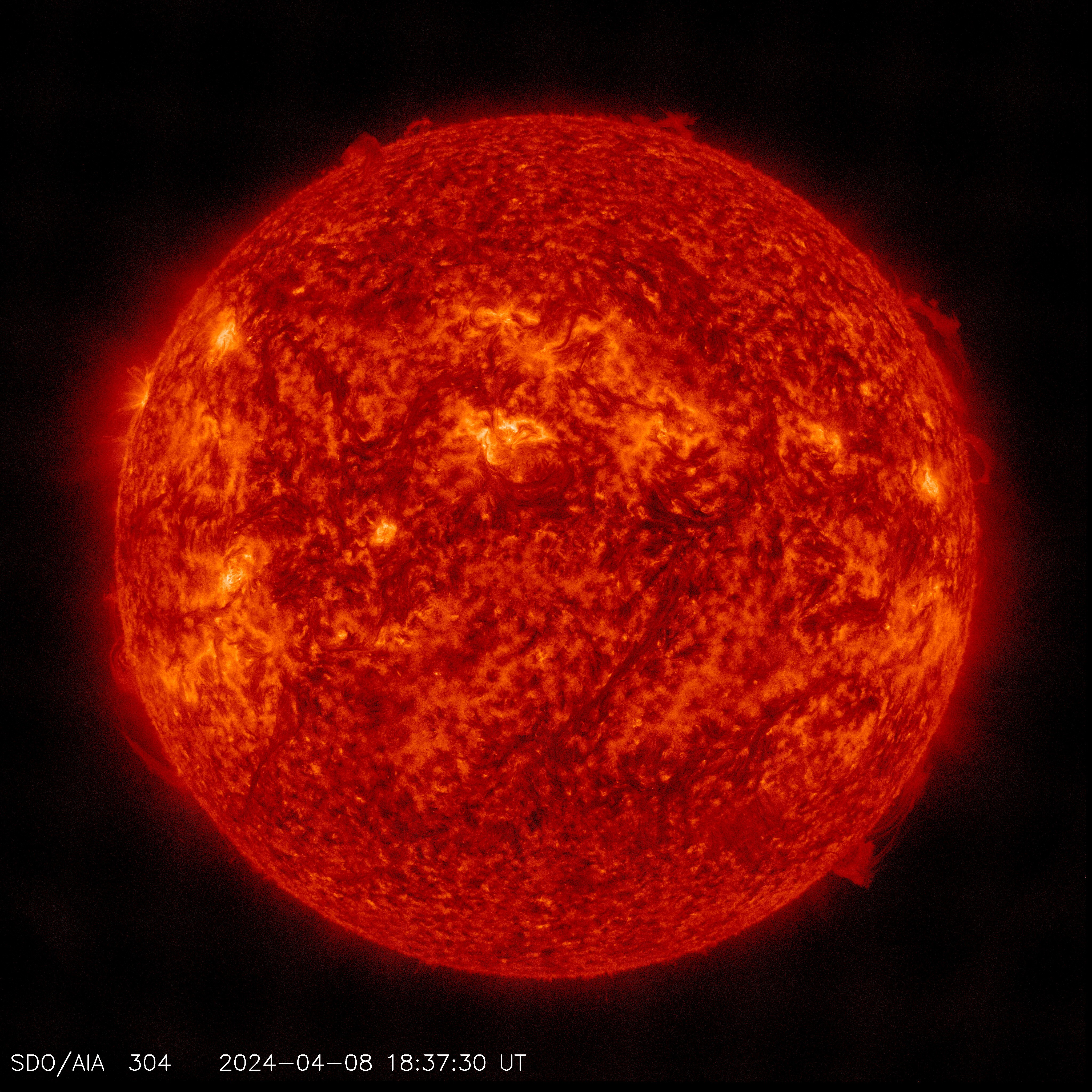
The active Sun — reference for indirect viewing methods that project the Sun's image safely onto a surface during the 2026 solar eclipse

DIY Eclipse Viewing · Safe Methods

How to Watch the 2026 Eclipse Safely Without Eclipse Glasses: Pinhole Projectors and Indirect Viewing Methods

You do not need special equipment to watch the August 12, 2026 solar eclipse. A piece of cardboard, a kitchen colander, or even a leafy tree can project dozens of crescent Suns onto the ground — safely. Here is how every indirect method works, step by step.

Easiest methodPinhole in cardboard
Most dramaticKitchen colander = dozens of crescents
Nature's methodTree leaf shadows
CostFree — already in your kitchen
By Telescope Advisor Editorial Team Published: Updated: Editorial Standards

Quick Answer: Can I Watch the Eclipse Without Special Glasses?

Yes — but only using indirect (projection) methods. You can never look directly at the Sun without proper eye protection, but you can safely watch the eclipse's progress by projecting the Sun's image onto a surface. The physics is simple: a small hole acts like a pinhole lens, creating an image of the Sun on any surface behind it. During a partial eclipse, that image becomes a crescent — and the effect is surprisingly beautiful.

This guide covers five methods that require zero special equipment: a pinhole projector made from cardboard, a kitchen colander, the shadow of a leafy tree, binocular or telescope projection onto a white card, and even your own hands arranged to make a pinhole. All of them are 100% safe because you never look at the Sun — you look at the projected image. At the end, we also link to our eclipse glasses guide for those who want a direct view.

Never look at the Sun

Direct viewing without ISO-certified filters can cause permanent eye damage in under a second.

Projection is safe

Watching the Sun's image on a surface — paper, ground, a wall — is completely safe for all ages.

Best for groups

Projection methods let many people watch simultaneously — perfect for classrooms and families.

🔭

Not sure which telescope actually fits your goals?

Answer 5 quick questions about your budget, observing targets, and experience level — our Telescope Finder Tool recommends a specific model in under 2 minutes.

Find My Telescope →

How Solar Projection Works: The Camera Obscura Principle

Every method in this guide relies on the same optical principle: the camera obscura (Latin for "dark chamber"). When light passes through a small hole, it projects an inverted image of whatever lies beyond the hole onto any surface behind it. The smaller the hole, the sharper the image — but the dimmer it becomes.

During a solar eclipse, the Sun acts as the "subject." The pinhole (or colander hole, or gap between leaves) projects an image of the eclipsed Sun onto the ground, a piece of paper, or a wall. As the Moon moves across the Sun's disk, the projected image changes from a full circle to a crescent and back — just like the real eclipse happening 150 million kilometres away.

Key points to understand:

  • The projected image is always inverted. If the crescent appears on the left side of the projected solar disk, the real crescent is on the right side of the actual Sun. This inversion is normal and does not affect the viewing experience.
  • Longer projection distance = larger image. Holding your projector 1 metre from the surface produces a Sun image about 1 cm across. At 3 metres, the image is about 3 cm across — bigger but dimmer.
  • The image is safe to look at. You are looking at reflected light on a surface, not at the Sun directly. It is as safe as looking at a photograph.
  • Multiple holes = multiple images. A colander with 50 holes projects 50 tiny crescent Suns — a spectacular visual.

Method 1: The Classic Cardboard Pinhole Projector

This is the simplest and most reliable indirect viewing method. You can make one in under 2 minutes with materials you already have at home.

What You Need

  • • One piece of cardboard or stiff paper (A4 or letter size — a cereal box works perfectly)
  • • A pin, needle, or paperclip
  • • A second piece of white paper or card (for the projection screen)
  • • Tape (optional)
  • • A sunny outdoor spot

Step-by-Step Instructions

  1. Cut a square (5×5 cm or 2×2 inches) from the centre of the cardboard.
  2. Tape a piece of aluminium foil or stiff paper over the hole.
  3. Poke a single small, clean hole through the foil/paper with a pin.
  4. Hold the cardboard facing the Sun.
  5. Hold the white paper behind the cardboard.
  6. Adjust the distance until you see a sharp circle of light on the paper.
  7. During the eclipse, watch the circle turn into a crescent.

Pro tips for the best pinhole projection

  • ✓ A smaller hole = a sharper image. A pinprick is ideal. If the hole is too large, the image will be blurry.
  • ✓ The optimal distance between the pinhole and the screen is 1–2 metres. Experiment before the eclipse to find the sweet spot.
  • ✓ For a group, project onto a white wall or a large sheet of paper held by a second person.
  • ✓ A cardboard box projector: cut a pinhole in one side of a cardboard box and tape white paper on the inside of the opposite side. Put the box over your head (with the pinhole facing the Sun) and look at the paper inside. This blocks ambient light and creates a brighter, more contrasty image.
  • ✓ Do NOT look at the Sun through the pinhole. Only look at the projected image on the paper.

Method 2: The Kitchen Colander — Dozens of Crescent Suns

This is the most visually impressive DIY method. A standard kitchen colander has dozens of small holes — each one acts as an independent pinhole projector. During the eclipse, you will see a grid of dozens of tiny crescent Suns projected onto the ground or a surface. It is a genuinely magical sight that never fails to amaze adults and children alike.

What You Need

  • • A metal or plastic colander (the more holes, the better)
  • • A flat, light-coloured surface (pavement, white paper, a sheet)
  • • Sunny outdoor spot

Step-by-Step Instructions

  1. Take your colander outside.
  2. Hold it about 1–2 metres above the ground (or a piece of white paper).
  3. Let sunlight pass through the colander's holes.
  4. Look at the ground — you will see dozens of small circles of light.
  5. During the eclipse, each circle becomes a crescent.
  6. Move the colander up and down to focus the crescents (closer = smaller and sharper).

Why the colander method is special

The "multiple crescent" effect is the most photographed indirect eclipse phenomenon, and for good reason. A grid of crescent Suns creates an almost surreal, kaleidoscopic pattern that captures the essence of the eclipse in a single glance. It is also the best method for group viewing — everyone can gather around the projected pattern on the ground. If you only try one method from this guide, make it the colander. You will not be disappointed.

Method 3: Tree Leaf Shadows — Nature's Pinhole Projectors

This is nature's own eclipse-viewing method — and it requires absolutely zero preparation. On any sunny day, the gaps between leaves in a tree act as thousands of natural pinhole projectors, casting images of the Sun onto the ground below. During a partial eclipse, every one of those dappled patches of sunlight becomes a tiny crescent.

What You Need

  • • A leafy tree (any species with small to medium-sized leaves)
  • • A paved or flat area under the tree
  • • Optional: a piece of white paper or cardboard to place on the ground for better contrast

Step-by-Step Instructions

  1. Find a tree with a dense canopy of small leaves.
  2. Stand on the shaded side (where the tree casts its shadow).
  3. Look at the ground under the tree.
  4. On a normal day, you will see hundreds of small, overlapping circles of light — these are images of the Sun.
  5. During the eclipse, each circle becomes a crescent.
  6. Place white paper on the ground to make the crescents more visible.

Best trees for eclipse viewing

Trees with many small leaves create the best effect: acacia, birch, maple, elm, and ash. Avoid trees with very large leaves (like catalpa or magnolia), as the gaps between them are too large to act as effective pinholes. The best locations are park trees with dappled shade — exactly the kind of tree you would picnic under on a summer afternoon.

Method 4: Binocular or Telescope Projection

If you have binoculars or a small telescope, you can use them to project a large, detailed image of the eclipsed Sun onto a white surface. This method delivers by far the largest and sharpest projected image of any indirect technique — you may even see sunspots projected onto the card.

What You Need

  • • Binoculars (7× to 10×) or a small telescope
  • • A tripod (strongly recommended — holding steady is difficult)
  • • A piece of white cardboard or paper (as a projection screen)
  • • A shady spot (or shade your screen from direct sunlight)

Step-by-Step Instructions

  1. Mount binoculars or telescope securely on a tripod.
  2. Point the instrument at the Sun — but do NOT look through it.
  3. Hold the white cardboard 10–30 cm behind the eyepiece.
  4. Move the cardboard back and forth until the projected Sun image is in focus.
  5. Adjust the focus knob on the binoculars/telescope for maximum sharpness.
  6. Watch the projected image as the eclipse progresses.

⚠️ CRITICAL SAFETY WARNING — NEVER look through the binoculars or telescope at the Sun

When using binocular projection, you point the instrument at the Sun but you never put your eye to the eyepiece. The concentrated sunlight exiting the eyepiece can instantly and permanently blind you. You also risk damaging the binoculars or telescope from the concentrated heat — keep the projection session short (30 seconds at a time), and let the instrument cool down between sessions. Modern binoculars with cemented lens groups can be damaged by the heat of prolonged solar projection.

Pro tip: create a shadow box

For the best contrast, create a simple cardboard hood around the projection screen to block ambient sunlight. A cardboard box with a hole cut for the binocular eyepiece works perfectly — the projected image will be dramatically brighter against the shaded background.

Method 5: The Hand Pinhole — Always With You

If you find yourself caught by surprise during the eclipse with no cardboard, no colander, and no tree in sight, you can create a pinhole projector using just your hands. This method produces a small image, but it works anywhere and requires nothing but your own two hands.

What You Need

  • • Your two hands
  • • A flat surface (ground, wall, piece of paper)

Step-by-Step Instructions

  1. Cross the fingers of one hand over the fingers of the other hand at right angles (like a waffle grid).
  2. Look at the shadow your hands cast on the ground.
  3. Adjust the angle until small diamond-shaped gaps appear between your fingers.
  4. Each gap acts as a pinhole, projecting an image of the Sun.
  5. During the eclipse, the projected circles become crescents.

The hand-pinhole method produces a very small image — typically 5–10 mm across — but it is a wonderful party trick and a great way to demonstrate the pinhole principle to children. The image is sharpest when your hands are about 1 metre from the projection surface.

What You'll See With Each Projection Method

All projection methods show the same essential phenomenon: the Sun's image changing from a full circle to a crescent and back. But each method offers a different viewing experience:

Method Image Size Image Sharpness Number of Images Best For
Cardboard pinhole ~1–3 cm Good to excellent 1 Focused individual viewing
Colander ~0.5–1 cm each Good Dozens Groups, visual impact, photography
Tree shadows ~0.3–1 cm each Fair to good Hundreds Serendipitous discovery, park picnics
Binocular projection ~5–15 cm Excellent 1 (large) Detailed observation, sunspot viewing
Hand pinhole ~0.5–1 cm Fair Several Impromptu viewing, teaching moments

Whichever method you choose, the moment when you see the first crescent projection is always special. There is something uniquely satisfying about watching the eclipse unfold as a projected image — it connects you to the centuries-old tradition of astronomical observation, long before telescopes and solar filters existed.

Classroom and Group Viewing Tips

Projection methods are ideal for schools, community groups, and public eclipse events. They allow many people to watch simultaneously with zero risk of eye injury. Here are some tips for organizing a group eclipse viewing session:

Set up multiple stations

Arrange several different projection methods around your viewing area: a colander station on the ground, a pinhole box on a table, and binocular projection aimed at a large white screen. This lets people rotate between stations and experience the eclipse through different "windows."

Use a cardboard box for the best pinhole image

A shoebox with a pinhole at one end and white paper taped inside the opposite end creates a bright, high-contrast image when you put the box over your head (pinhole facing the Sun). This is the classic "eclipse box" that generations of schoolchildren have used. The box blocks ambient light, making the projected image much easier to see.

Explain what they are seeing

Many people — especially children — do not immediately understand that the tiny crescent on the ground is actually an image of the Sun itself. Explain the pinhole camera principle: "The small hole acts like a lens, projecting an image of the Sun onto the ground. The crescent shape tells us that the Moon is covering part of the Sun."

Pair projection with eclipse glasses

If you have eclipse glasses available, let people take turns: one look through the glasses at the real Sun, then one look at the projected image on the ground. The combination helps people understand the connection between the real event and the projected image.

If You Want a Direct View Instead: Eclipse Glasses

Projection methods are safe, educational, and free — but they cannot match the experience of looking directly at the eclipse through certified solar viewing equipment. If you want a direct, magnified view of the partial phases, we recommend:

  • ISO 12312-2 certified eclipse glasses for the naked-eye direct view — essential for every eclipse observer.
  • Solar binoculars (Celestron EclipSmart series) for a magnified direct view with permanently built-in safety filters.
  • Telescope with front-aperture solar filter for the highest magnification and detail.

For full details, see our dedicated guides:

Helioclipse Eclipse Glasses 12-Pack — ISO 12312-2 certified solar eclipse glasses

Helioclipse Eclipse Glasses (12-Pack) — If you want a direct view instead

For those who want to look directly at the partial phases, ISO 12312-2 certified eclipse glasses are the minimum requirement. The 12-pack is ideal for group viewing, allowing everyone to see the real crescent Sun with their own eyes between projection sessions. Certified to block 99.999% of the Sun's intensity.

View on Amazon →

Affiliate link.

Watching the Eclipse Safely Without Glasses — FAQ

Is it safe to watch a solar eclipse through a pinhole projector?

Yes — watching the projected image on a surface is completely safe. You are looking at reflected sunlight on paper or the ground, not at the Sun directly. The pinhole itself is also safe to look at (you are looking at the hole, not through it). Just make sure no one looks directly at the Sun through the pinhole.

Can I use my phone camera to look at the eclipse?

You can use your phone to photograph the eclipse through a proper solar filter, or to photograph projected images (the colander pattern on the ground, the pinhole image on paper). However, do not point your phone camera directly at the Sun without a solar filter — the intense light can damage the camera sensor. Most modern phone cameras are robust enough to survive a quick shot, but prolonged pointing at the Sun is risky.

Can I watch the eclipse through a welding mask?

Only if the welding filter is shade level 14 or higher (ISO 12312-2 equivalent). Most standard welding masks (shade 10–13) are not dark enough for safe solar viewing. Shade 14 welding glass is safe but produces a green-tinted view that many find less satisfying than modern eclipse glasses with neutral-density optical film. Stick with ISO-certified eclipse glasses when possible.

Can I look at the eclipse through exposed film or CDs?

No. Exposed photographic film, floppy disks, CDs, DVDs, and smoked glass are NOT safe for solar viewing. They do not block the full spectrum of infrared and ultraviolet radiation that causes eye damage. Only use ISO 12312-2 certified solar filters or shade 14 welding glass for direct viewing. For safe viewing without any equipment, use the projection methods described in this guide.

What is the best DIY method for a large group?

The colander method is the most visually impressive for groups — dozens of crescent Suns on the ground never fails to generate excitement. For a classroom setting, set up multiple projection stations: a cardboard box pinhole, a colander on the ground, and binocular projection onto a large white screen. This allows everyone to experience the eclipse from different perspectives.

Will these projection methods work from a location with only a partial eclipse?

Yes — projection methods work perfectly for any partial eclipse. In fact, since the Sun is never fully covered outside the path of totality, projection methods are ideal for locations like Madrid (~90% partial), London (~30%), or Paris (~35%). The crescent shape will be visible in the projected images throughout the entire partial phase. Only during totality (within the path) does the projected image disappear, replaced by the darkness of the Moon's shadow — but this only lasts 2 minutes.

Related Guides