
Telescope Advisor Logo Telescope Advisor
A powerful solar flare captured in H-alpha light — building the right solar viewing kit lets you safely observe these dramatic events

Solar Observing · Bundle Guide

Best Solar Viewing Kit 2026: Telescope, Filter & Eclipse Glasses Bundle Guide

Solar Maximum 2026 is the best time in a decade to observe the Sun. Whether you want to see sunspots through your existing telescope, watch solar flares in H-alpha, or prepare for the August 12 total solar eclipse, this guide helps you build the perfect solar viewing kit for your budget.

Budget kitWhite-light filter + glasses
Enthusiast kitH-alpha scope + filter
Eclipse kitGlasses + binos + filter
Solar max 2026Peak activity now
By Elena Reyes Published: Updated: Reviewed & approved by Juhi Sahni, Senior Editor Editorial Standards

Quick Answer: What Solar Viewing Kit Should You Buy?

If you already own a telescope: Buy a white-light solar filter (Celestron EclipSmart Universal) and a pair of ISO-certified eclipse glasses. Total cost: ~$60–$120. This is the most affordable way to observe sunspots and the August 12 eclipse.

If you're buying a first solar scope: A dedicated H-alpha telescope like the Coronado PST or Lunt LS50 is the ultimate tool for solar observing. It reveals solar flares, prominences, and chromospheric detail that a filtered regular telescope cannot show. Budget: $500–$1,200.

If you want a portable, instant setup: Solar binoculars (Celestron EclipSmart 10×25) combine safety filters with binocular convenience. No setup, no mounting — just raise them to your eyes and see sunspots instantly. Budget: ~$60–$90.
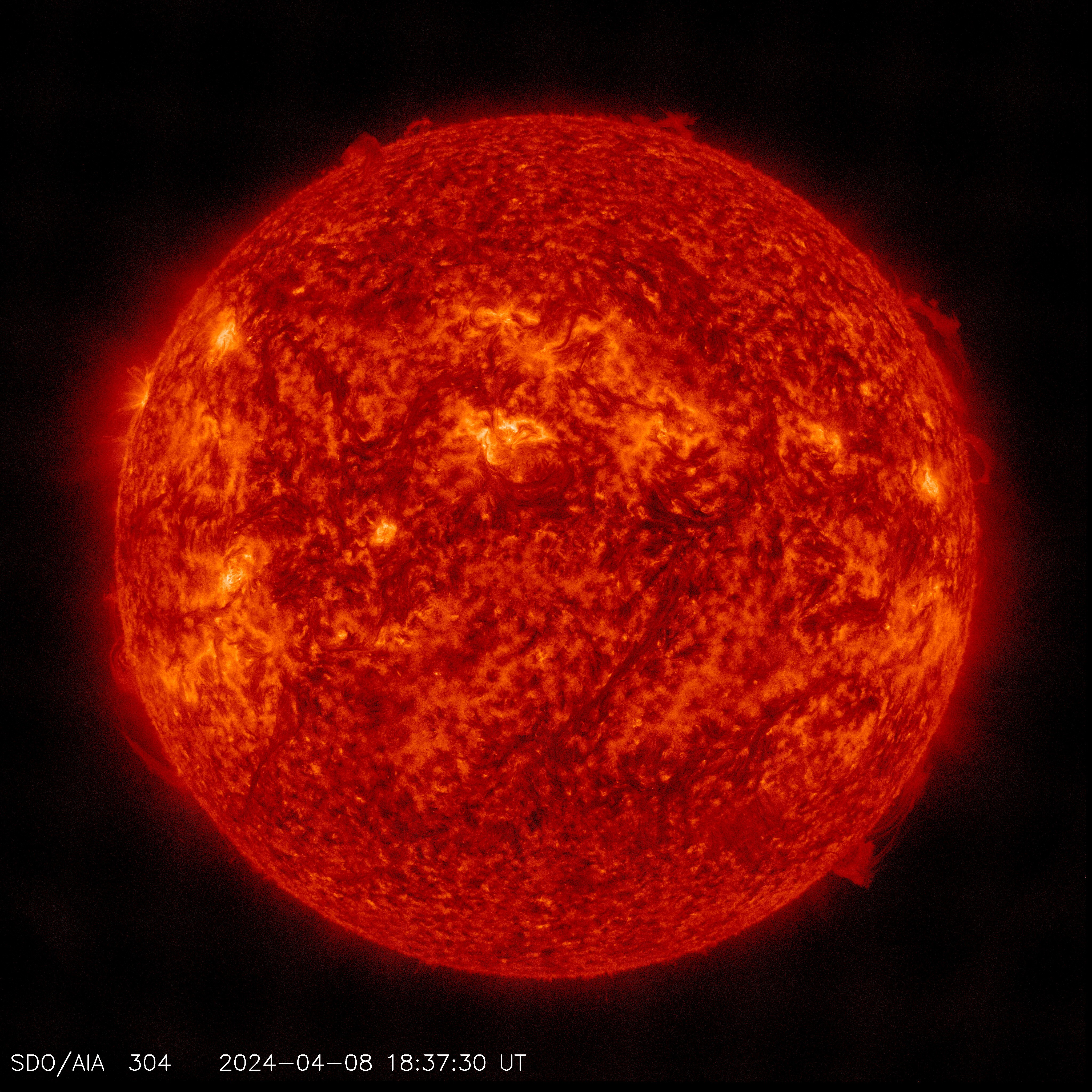
The Sun in extreme ultraviolet captured by NASA's Solar Dynamics Observatory — the right solar viewing kit lets you safely observe these dynamic features

Solar Maximum 2026 — The Best Time to Observe

Solar Maximum brings increased sunspot activity, more frequent flares, and dramatic prominences. The right solar viewing kit — whether a white-light filter or an H-alpha scope — determines what solar phenomena you can safely observe. Credit: NASA / SDO.


Budget Solar Viewing Kit — Under $150

If you already own a telescope, this is the most affordable way to start solar observing. The kit consists of a white-light solar filter for your scope, plus ISO-certified eclipse glasses for naked-eye viewing and the August 12 eclipse.

Celestron EclipSmart Universal Solar Filter — safe white-light solar viewing

Celestron EclipSmart Universal Solar Filter

Fits telescopes with 56–102mm objective lenses. ISO 12312-2 certified. Reveals sunspots clearly. During X-class flares, the brightening is visible as a subtle white patch. The best $–to–value solar accessory. See the full review in our Best Solar Filter Guide.

Celestron EclipSmart 10x25 Solar Binoculars — safe handheld solar viewing

Solar Binoculars — Celestron EclipSmart 10×25

Built-in ISO-certified safety filters. 10× magnification shows sunspots clearly. No setup required — the perfect grab-and-go solar observing tool. Also excellent for the August 12 eclipse partial phases.

Solar Viewing Options — Complete Comparison

FeatureWhite-Light FilterH-Alpha ScopeSolar BinocularsEclipse Glasses
SunspotsExcellentGoodGoodNo
FlaresLarge onlyAll sizesNoN/A
ProminencesNoYesNoN/A
Eclipse safe?Yes (partial)Yes (partial)YesYes
Setup time2 min5 minInstantInstant
Cost$30–$150$500–$5,000+$60–$100$10–$30

Solar Viewing Safety Checklist

Before using any solar viewing equipment, verify these safety requirements. Solar observing is safe when done correctly, but mistakes can cause permanent eye damage.

Filter is undamaged

Check your filter for pinholes, scratches, or separation before each use. Hold it up to a bright light and inspect carefully. Replace immediately if damaged.

Filter is securely attached

The filter must be firmly attached to the front of the telescope. A gust of wind dislodging a loose filter while observing the Sun would be catastrophic. Use tape or a retaining ring.

Eyepiece filters are NEVER used

Small glass filters that screw into eyepieces can crack under concentrated sunlight. Only use front-mounted (aperture) filters. See our Solar vs Regular Telescope guide for safety details.

Frequently Asked Questions

What is the best solar viewing kit for a beginner?

A white-light solar filter for your existing telescope plus a pair of ISO-certified eclipse glasses. This is the most affordable entry point and lets you observe sunspots and solar eclipses safely. The Celestron EclipSmart Universal Filter works on most small telescopes and costs ~$60.

Do I need an H-alpha telescope to see solar flares?

For anything smaller than an X-class flare, yes — H-alpha is required. White-light filters only show the photosphere, where flares are barely visible. H-alpha reveals the chromosphere, where flares erupt as brilliant white-hot explosions against a deep red background.

Can I use solar binoculars for the August 2026 eclipse?

Yes — solar binoculars with built-in ISO filters are excellent for eclipse viewing. They show the partial phases clearly and during totality you can remove them (or just look up) to see the corona. The Celestron EclipSmart 10×25 binoculars are our top pick for eclipse travel.