Quick Answer: Yes, But Only With a Solar Filter — Here's What You Need
You can use any regular telescope to observe the Sun — as long as you fit a certified solar filter securely over the front (objective) end. A white-light solar filter, like the Celestron EclipSmart Universal Solar Filter, blocks 99.999% of incoming sunlight, reducing it to safe levels while revealing sunspots and solar granulation. This is the most affordable way to get started in solar observing, costing $30–$100 depending on your telescope's aperture.
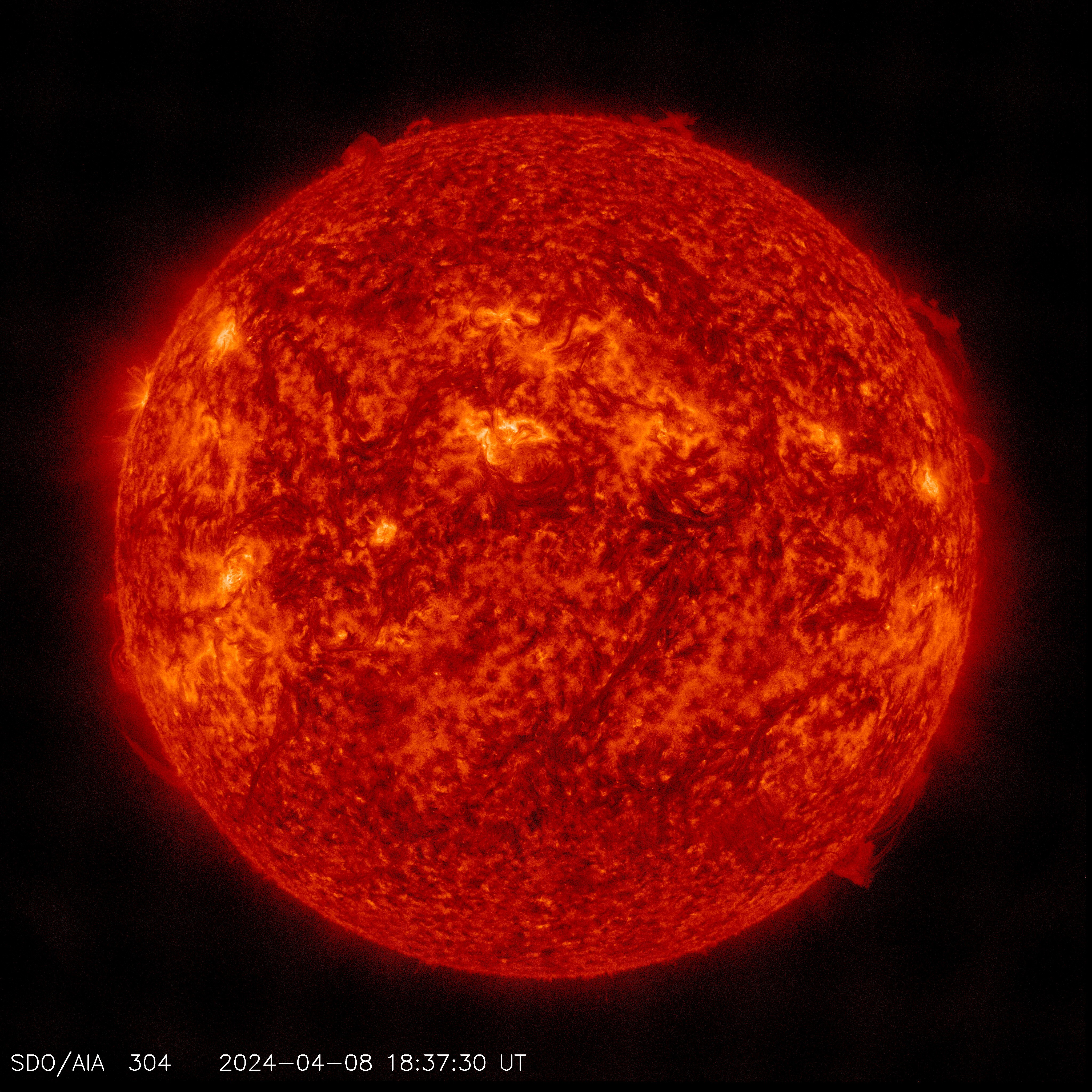
However, a filtered regular telescope cannot show you what a dedicated H-alpha solar telescope can. A white-light filter only shows the Sun's photosphere — the visible surface — where sunspots appear as dark blemishes. If you want to see solar flares, prominences, filaments, and the chromosphere, you need a dedicated H-alpha telescope like the Coronado PST or Lunt LS50. These scopes isolate the 656.28nm hydrogen-alpha wavelength, revealing the Sun's dynamic upper atmosphere in stunning deep-red detail.
⚠️ Never use an eyepiece solar filter
Eyepiece solar filters (small glass filters that screw into the eyepiece) are dangerous and should never be used. They can crack under concentrated sunlight, instantly blinding the observer. Only use front-mounted filters that cover the full aperture of your telescope. See our Best Solar Filter guide for safe options.
What you can see with each approach
White-light filter + regular scope: Sunspots, solar granulation, limb darkening, large flare brightenings (X-class only).
Dedicated H-alpha scope: All the above plus solar flares (M-class and above), prominences, filaments, post-flare loops, chromospheric network.
