
Telescope Advisor Logo Telescope Advisor
The Milky Way over the New Mexico desert — the state has the most dark-sky-friendly legislation in the United States

Stargazing Destination Guide · New Mexico

Best Stargazing in New Mexico: Dark Sky Sites, Observatories & Complete Guide

New Mexico has the strongest dark-sky protection legislation of any US state. Taos was ranked the #1 astrotourism destination in America by HomeToGo 2026. With the Very Large Array, Sacramento Mountains, and the highest concentration of certified dark sky communities in the Southwest, New Mexico is a hidden gem for stargazers.

Dark Sky Parks4 certified + many communities
#1 US AstrotourismTaos, NM (HomeToGo 2026)
Best SiteSacramento Mountains
Clear Nights280+ per year
By Elena Reyes Published: Updated: Reviewed & approved by Juhi Sahni, Senior Editor Editorial Standards

Quick Answer: Where Is the Best Stargazing in New Mexico?

The Sacramento Mountains Dark Sky Park — one of the newest IDA-certified parks in the US — offers the darkest accessible skies in New Mexico, with Bortle Class 1–2 conditions. The Sunspot Solar Observatory and Apache Point Observatory are located in the same mountain range, making this one of the most scientifically significant dark sky regions on Earth.

Taos was ranked the #1 astrotourism destination in the US in HomeToGo's 2026 report. The town itself has strong dark sky ordinances, and the surrounding Sangre de Cristo Mountains offer multiple accessible viewing sites with Bortle 2–3 skies just minutes from town. The Taos Community Observatory offers public telescope viewing nights throughout the summer.


Why New Mexico Is a Stargazing Powerhouse

New Mexico has more dark sky certified communities than any other state — a result of the 1999 New Mexico Dark Skies Act, the strongest state-level light pollution legislation in the US. The combination of high elevation (most sites at 5,000–9,000 feet), arid climate (280+ clear nights per year), low population density, and legal protection makes New Mexico one of the last refuges of truly dark skies in the continental United States.

The state is also home to major astronomical research facilities: the Very Large Array (VLA) featured in the movie Contact, the Sunspot Solar Observatory, Apache Point Observatory, and the Magdalena Ridge Observatory. These facilities attract astronomy enthusiasts from around the world and create a uniquely astronomy-friendly tourism infrastructure.

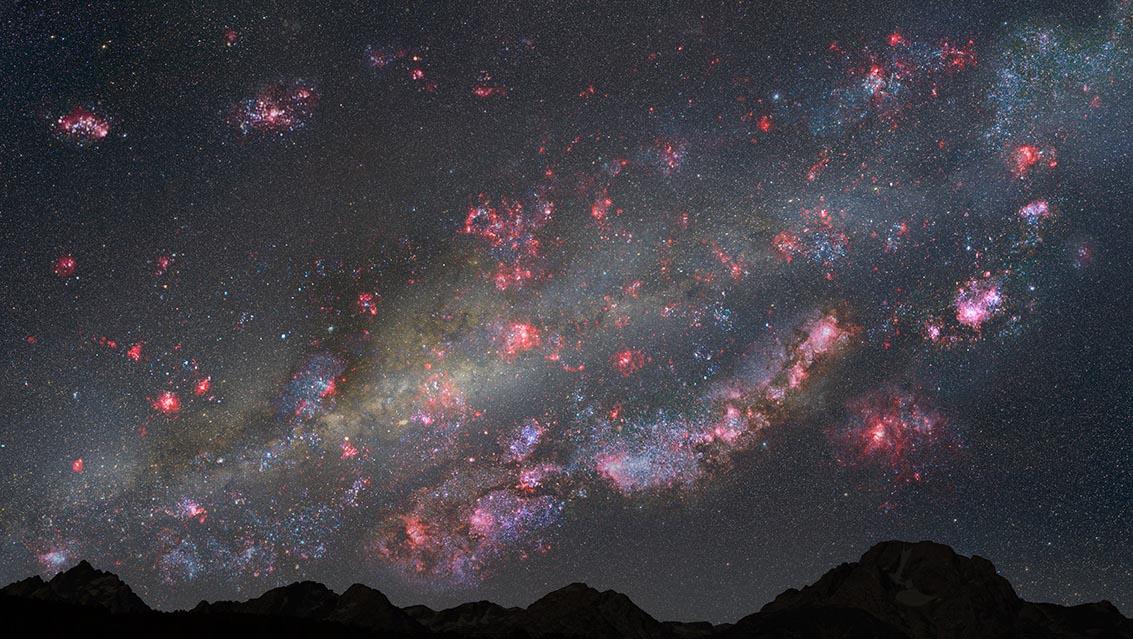
The night sky over New Mexico — the state has the strongest dark sky laws in the US with 280+ clear nights per year

Dark Skies Over New Mexico

New Mexico's Dark Skies Act (1999) was the first state-level light pollution legislation in the US, protecting the state's exceptional night skies for astronomy and tourism. Credit: NASA.

The Dark Skies Act Advantage

The 1999 New Mexico Dark Skies Act requires all outdoor lighting in the state to be shielded and downward-directed, and limits the color temperature of streetlights to warm amber (3000K or lower). This statewide legislation means that even near smaller cities like Alamogordo or Socorro, the sky is significantly darker than comparable towns in other states. For amateur astronomers, this translates to usable dark-sky sites within 15–20 minutes of most New Mexico towns — a rarity in the US.

Top Stargazing Sites in New Mexico

🏆

#1 Sacramento Mountains Dark Sky Park

Bortle 1–2. One of the newest IDA-certified parks. Located near Sunspot, NM at 9,200 feet elevation. The park surrounds the Sunspot Solar Observatory and offers exceptional high-elevation dark skies. Access via Highway 130/6563 — paved road to the site. Primitive camping available. The site offers unobstructed 360-degree views of the night sky.

🥇

#2 Taos Area

Bortle 2–3. Ranked #1 US astrotourism destination in 2026. The Taos Community Observatory hosts public telescope nights. The surrounding Sangre de Cristo Mountains offer multiple dark-sky pull-offs and trailheads accessible by standard vehicle. Elevation: 6,900–10,000 ft.

🥈

#3 Very Large Array (VLA) Visitor Center

Bortle 2. Located on the Plains of San Agustin, the VLA is a working radio observatory with public access. The visitor center is open daily, and the site offers incredible night-sky views over the iconic dish array. The VLA occasionally hosts evening astronomy events. Elevation: 6,970 ft.

Frequently Asked Questions About Stargazing in New Mexico

Can you visit the Very Large Array at night?

The VLA Visitor Center closes at sunset, but the site itself is on public land and the surrounding Plains of San Agustin are accessible for night-sky viewing. The VLA dishes are visible against the night sky, creating unique foregrounds. Check the NRAO website for special evening events.

What is the best time of year for New Mexico stargazing?

April–June and September–October offer the best combination of mild temperatures and dark skies. July–August is monsoon season with afternoon thunderstorms. Winter (November–March) offers the longest nights but temperatures drop below freezing at elevation. The Enchanted Skies Star Party in Socorro is held annually in September.

Do you need altitude acclimatization in New Mexico?

Most sites are at 5,000–7,000 feet, and the Sacramento Mountains reach 9,200 feet. If you're coming from sea level, spend a day acclimatizing before attempting all-night observing. Stay hydrated — New Mexico's humidity often drops below 20%. Taos at 6,900 feet is manageable for most visitors.