
Best Tripod for Telescopes 2026: Complete Buying Guide | Telescope Advisor
Telescope Advisor Logo Telescope Advisor
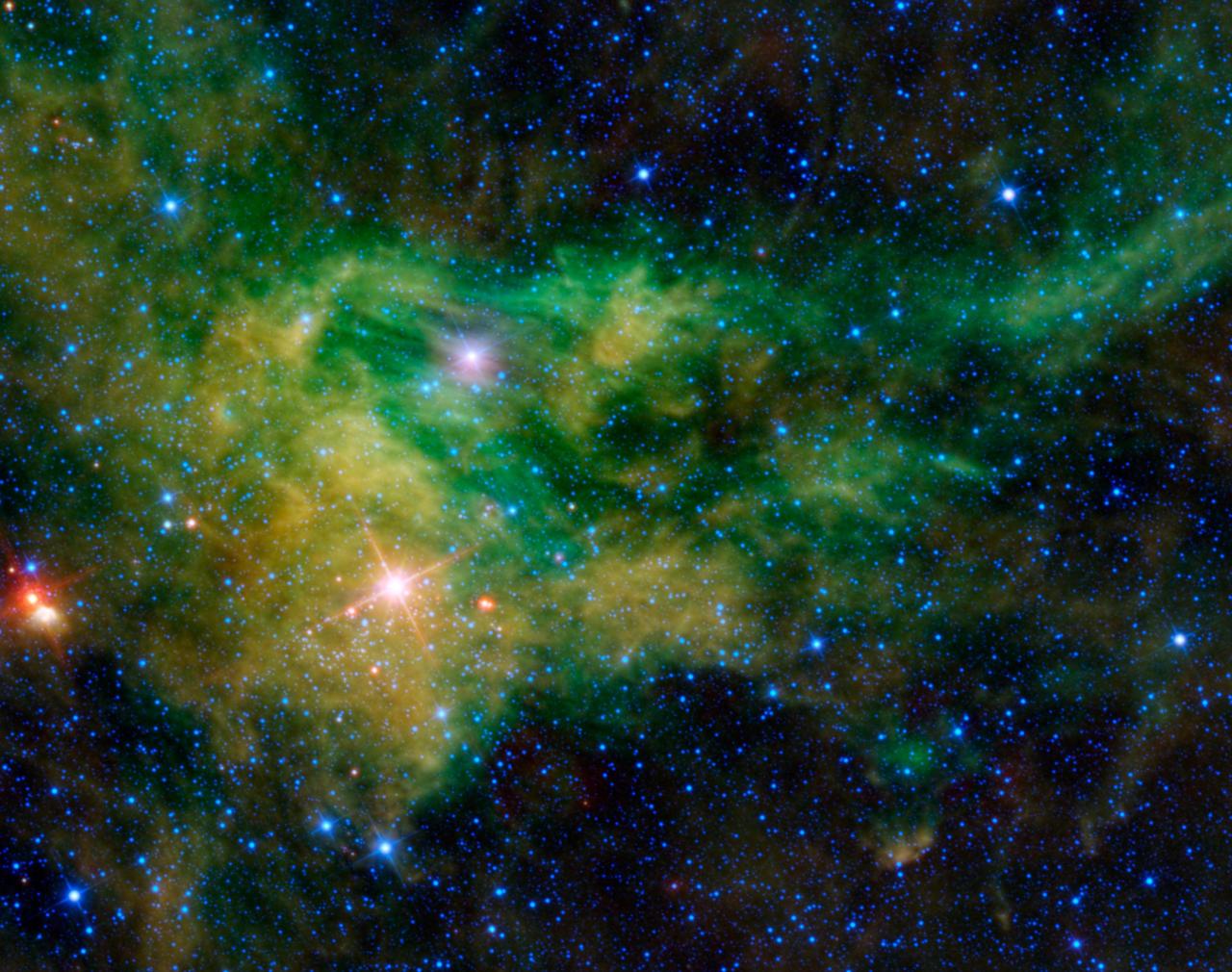
Clear night sky filled with stars above a dark landscape — a telescope and tripod setup under the stars

Buying Guide · Accessories 2026

Best Tripod for Telescopes 2026: Complete Buying Guide

A shaky tripod ruins the best telescope optics. Here is how to choose the right tripod for your setup — from budget photo tripods to heavy-duty astronomy piers — with recommendations for every telescope size.

By Elena Reyes Published: Updated: Editorial Standards
Elena Reyes — Senior Science Editor

Elena Reyes

Senior Science Editor

Covers NASA missions, space science discoveries, and astronomical events for Telescope Advisor. Translates complex astrophysical research into practical insights for backyard observers. Based in the San Francisco Bay Area.

Quick Answer

The best tripod for your telescope depends on the scope's weight and your observing style. For small refractors (60–80mm), a sturdy photo tripod like the Amazon Basics 60-Inch works well. For mid-size scopes (4–6 inch SCTs, 5-inch Maks), the Manfrotto Befree 3-Way Live Advanced provides excellent stability and a fluid head for smooth tracking. For larger instruments (8-inch SCTs and above), the telescope's own tripod (like the Celestron heavy-duty tripod included with NexStar Evolution/Advanced VX mounts) is the right choice — never upgrade to a lighter tripod than the one your mount came with.


🔭

Not sure which telescope actually fits your goals?

Answer 5 quick questions about your budget, observing targets, and experience level — our Telescope Finder Tool recommends a specific model in under 2 minutes.

Find My Telescope →

What to Look for in a Telescope Tripod

A tripod might seem like a simple accessory, but its quality directly determines what you can see at the eyepiece. Here are the key specifications to evaluate:

Weight Capacity

The single most important specification. The tripod must support the combined weight of your telescope tube, mount head, and any accessories (finder scope, camera, eyepieces) with a comfortable margin. A good rule of thumb: choose a tripod rated for at least twice the total weight of your setup. A tripod supporting near its maximum capacity will be shaky and slow to settle after vibration.

Leg Material and Construction

Steel tripods are the heaviest but offer the best vibration damping. Aluminium is lighter and adequate for most setups. Carbon fibre is the lightest and most expensive — ideal for travel but offers negligible performance advantage over a well-built aluminium tripod at the same weight rating. The number of leg sections also matters: three-section legs are more stable than four- or five-section legs, which trade stability for compactness.

Height and Centre Column

The tripod should bring the eyepiece to a comfortable viewing height without extending the centre column. The centre column is the weakest point of any tripod — extending it introduces vibration and reduces stability. Look for a tripod where the fully extended legs (without centre column) place the eyepiece at approximately 60–70% of your height when observing at 45 degrees elevation. For most adults, this means a maximum leg height of 140–170 cm.


Budget Tripod — Under $100

Best Budget Telescope Tripod
Amazon Basics 60-inch lightweight tripod

Amazon Basics 60-Inch Lightweight Tripod

60" max height Aluminium 3.5 lb / 1.6 kg

The Amazon Basics 60-Inch tripod is the most affordable way to stabilise a small telescope or spotting scope. Its aluminium construction keeps weight low at 1.6 kg, making it easy to carry to dark-sky sites. The 3-way pan head provides smooth adjustment in all axes — useful for tracking objects manually. The quick-release plate makes attaching and detaching your scope fast. Best suited for telescopes up to 70mm refractors, small Maksutovs (like the Celestron C90), and binoculars. At maximum height with the centre column extended, stability decreases — for best results, use it at leg height only with small scopes.


Premium Tripod — Best for Mid-Size Scopes

Best Overall Telescope Tripod
Manfrotto Befree 3-Way Live Advanced tripod

Manfrotto Befree 3-Way Live Advanced

59" max height Aluminium Fluid Head

The Manfrotto Befree 3-Way Live Advanced is a significant step up in quality, designed for astronomers who want smooth, precise control. Its fluid head provides silky pan and tilt movement — essential for tracking celestial objects at high magnification. The 3-way independent adjustment lets you lock each axis separately, so you can lock the pan while continuing to tilt, or vice versa. The aluminium legs are a step above budget tripods, with stronger twist-lock joints and thicker leg tubes that resist vibration better. The Befree supports telescopes up to 8 kg — sufficient for 4-inch refractors, 5-inch SCTs, and small Maksutovs. The built-in bubble level speeds up setup, and the included carrying bag makes transport easy.


Steel vs Aluminium vs Carbon Fibre

Material Weight Vibration Damping Cost Best For
SteelHeaviestExcellent — absorbs vibration bestMost affordablePermanent or semi-permanent setups, observatory piers
AluminiumModerateGood — adequate for most scopesModerateMost portable telescopes, general use
Carbon FibreLightestGood — comparable to aluminiumMost expensive (2–3× aluminium)Travel, airline baggage, weight-sensitive setups

The key insight: carbon fibre does not damp vibration better than aluminium. It is simply lighter. If weight is not a concern — for example, a scope that lives in the backyard — a steel or aluminium tripod provides the same stability as carbon fibre at a fraction of the cost. Invest the savings in a better mount head or eyepieces.


Tripod Recommendations by Telescope Size

Telescope Type Typical Weight Minimum Tripod Capacity Recommended Tripod
60–70mm refractor3–5 kg8 kgAmazon Basics 60" or similar
80–102mm refractor5–8 kg12 kgManfrotto Befree or similar
4–5" SCT / Mak4–7 kg10 kgManfrotto Befree or included tripod
6–8" SCT8–15 kg20 kgCelestron heavy-duty or pier
8" DobsonianN/A (tabletop/base)N/ANo tripod needed — ground or table

For most telescope owners, the tripod that came with the telescope is perfectly adequate. The most common mistake is upgrading to a lighter, more portable tripod — which invariably makes the view shakier.

Vibration suppression tips: Even the best tripod shakes momentarily when you touch the focuser or eyepiece. The key is how quickly the vibrations dampen out — under 1 second is excellent, 1-2 seconds is acceptable, and anything over 3 seconds will frustrate you at high magnification. To improve an existing tripod: (1) hang a weight (your accessory case, a water bottle, or a dedicated tripod weight) from the centre column hook — this lowers the centre of gravity and reduces shake amplitude; (2) install vibration suppression pads under each leg foot — these rubber or sorbothane disks isolate the tripod from ground vibrations; (3) avoid extending the centre column — every centimetre of extension increases vibration amplitude exponentially; (4) spread the legs as wide as the terrain allows — a wider stance dramatically improves lateral stability.

Field vs observatory use: If your telescope lives in one spot (garage, patio, or observatory), a heavier tripod is a virtue, not a drawback — the extra weight improves stability and removes the need to carry it anywhere. For field use (dark-sky trips, star parties, travel), the trade-off between weight and stability is more acute. A carbon fibre tripod that saves 1-2 kg in your backpack might be worth the premium if you hike to observing sites. For drive-up observing from a car, an aluminium or steel tripod provides identical performance at a fraction of the cost.

If you want to improve stability, add a vibration suppression pad under each leg foot or hang a weight from the centre column hook. These cheap upgrades often stabilise the view more than buying a new tripod.

Frequently Asked Questions

What tripod do I need for my telescope?

Choose a tripod with a weight capacity at least double your telescope's total weight. For most 70-80mm refractors, a basic photo tripod rated for 5-8 kg works. For 5-inch and larger scopes, a dedicated astronomy tripod with 15+ kg capacity is recommended.

Are photo tripods good enough for telescopes?

Yes, for small to medium telescopes up to 80mm refractors or 5-inch SCTs, a sturdy video or photo tripod with a fluid head or 3-way pan head works well. For larger scopes, a dedicated astronomy tripod is needed.

What is the best material for a telescope tripod?

Steel offers the best vibration damping but is heavy. Aluminium is lighter and adequate for most setups. Carbon fibre is the lightest and most expensive, ideal for travel but no performance advantage over aluminium at the same weight capacity.

How tall should a telescope tripod be?

The tripod should place the eyepiece at a comfortable viewing height when pointed at 45-60 degrees elevation. For most adults, this means a tripod with a maximum height of 140-170 cm. Avoid extending the centre column — it reduces stability.