Quick Answer: No — Use Binoculars Instead
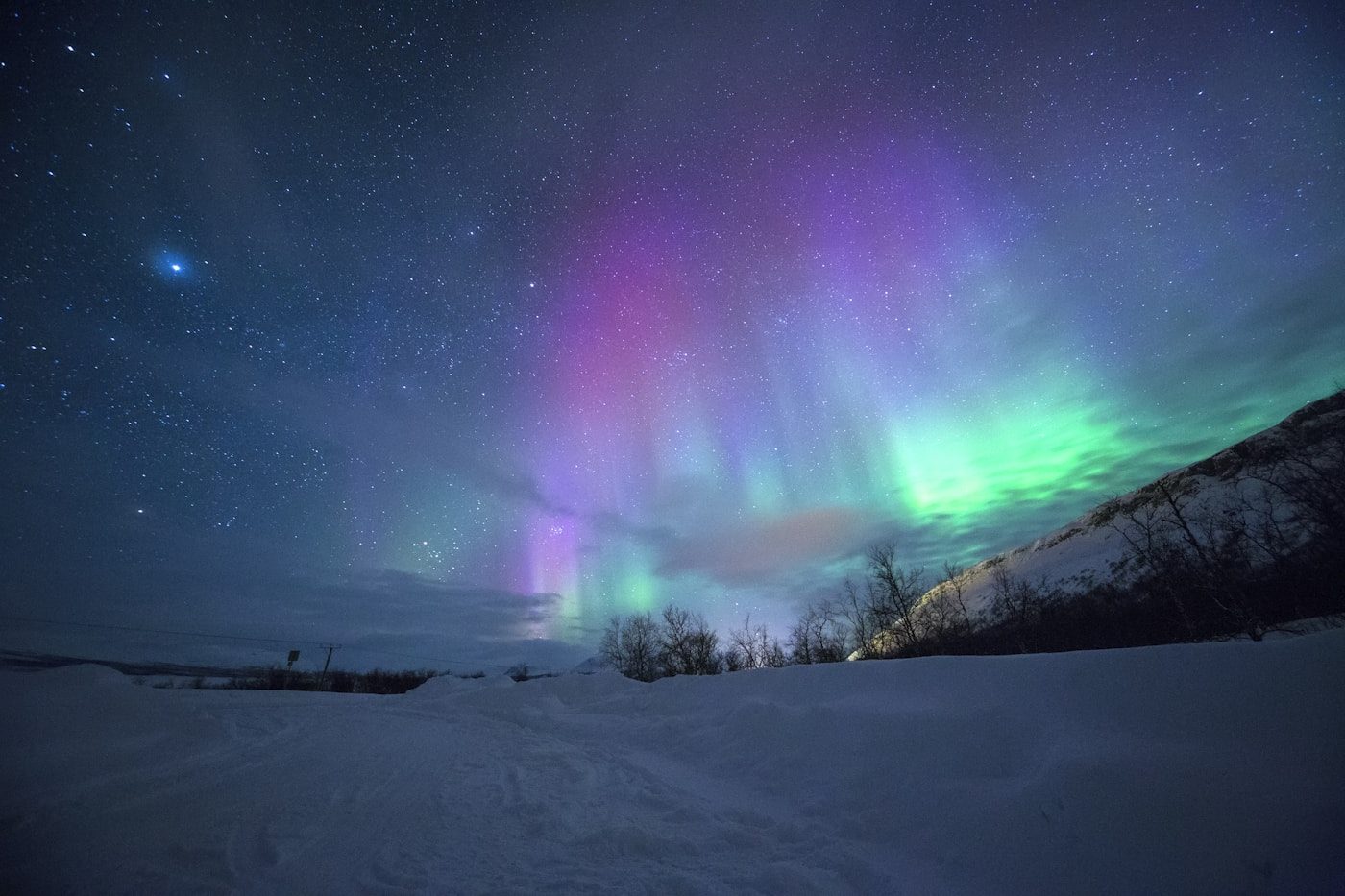
A telescope is the wrong tool for aurora viewing. The northern lights are a large-scale phenomenon — curtains of light that stretch hundreds of miles across the sky. Even at the lowest possible magnification, a telescope's field of view is typically 1–3 degrees. The aurora can span 30–100+ degrees. You'd see a tiny green patch while missing the full sweeping display that makes aurora watching spectacular.
Binoculars are the superior tool for aurora viewing. A standard pair of 10×50 binoculars offers a 6.5-degree field of view — enough to take in an entire auroral curtain while providing enough magnification to see the fine vertical structure and subtle color variations within the display. The 7×50 configuration is even better for aurora: slightly wider field (7+ degrees) with enough light grasp to show the faintest green glows.
7×50 binoculars — Best for aurora
7.1° field of view, 50mm objectives, comfortable hand-holding. The ideal balance of width and light gathering. Shows vertical aurora structure clearly.
10×50 binoculars — Great all-rounder
6.5° field of view, slightly higher magnification. Better for seeing fine auroral detail but harder to hold steady. Tripod recommended.
15×70 binoculars — Maximum detail
4.4° field of view. Tripod required. Reveals the most aurora structure (ray curtains, coronae) but loses the wide context. Best as a complement to 7×50s.