Telescope Advisor Logo Telescope Advisor
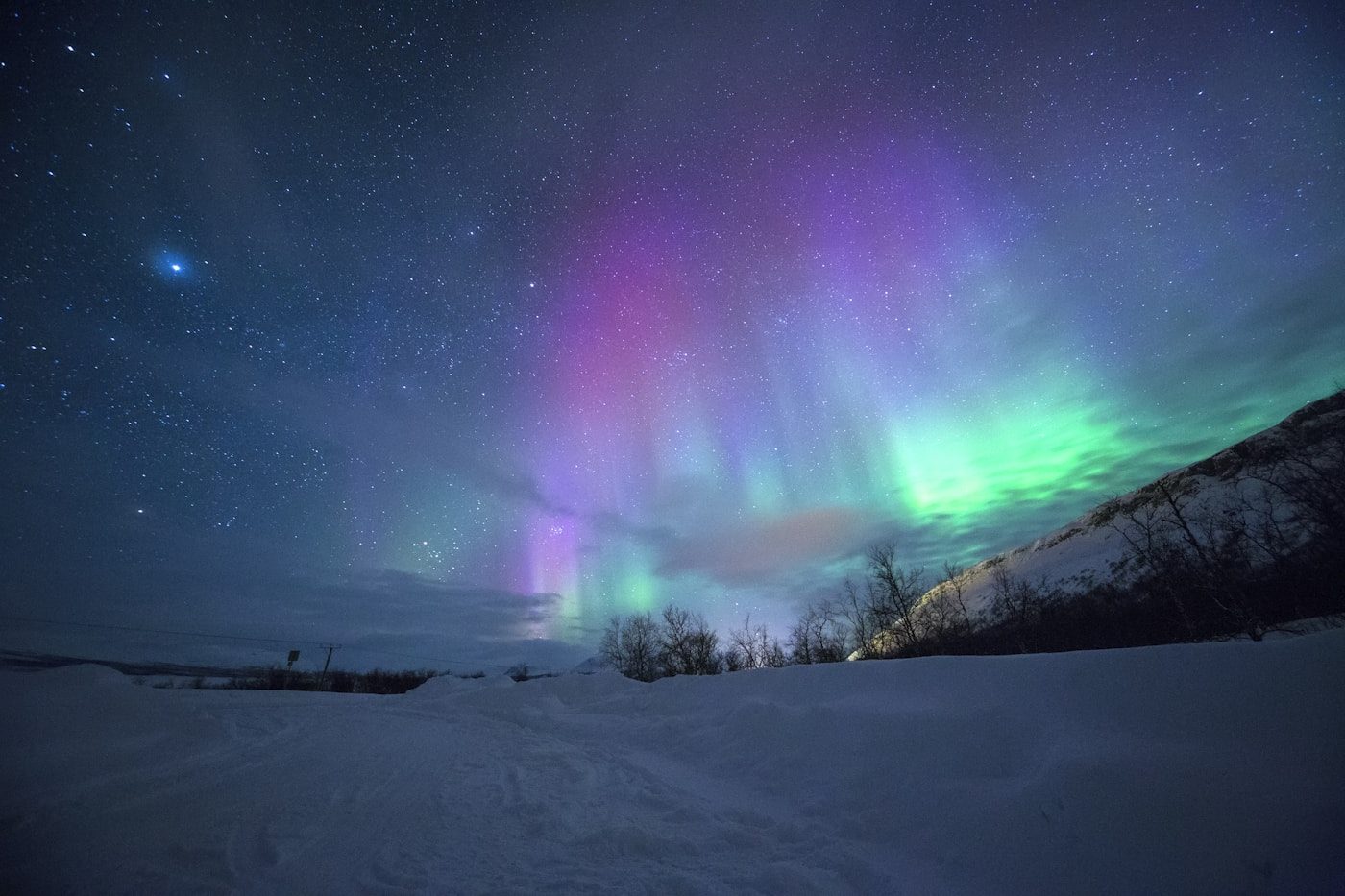
The aurora borealis over Iceland — one of the best places on Earth to see the northern lights, especially during the 2026 solar eclipse

Aurora & Eclipse Guide · Iceland 2026

Northern Lights Iceland 2026: See the Solar Eclipse & Aurora in One Trip

Iceland is the only place on Earth where you can witness the August 12, 2026 total solar eclipse and the northern lights on the same trip. The eclipse happens during the day; the aurora dances that same night — making Iceland the ultimate 2026 astronomy destination.

Double eventAug 12 eclipse + aurora
Best aurora monthsSep–Mar (peak)
Kp neededKp 3–4 (under oval)
Best viewingThingvellir, Jokulsarlon
By Elena Reyes Published: Updated: Reviewed & approved by Juhi Sahni, Senior Editor Editorial Standards

Quick Answer: Can You Really See the Eclipse and Northern Lights on the Same Iceland Trip?

Yes — and August 12, 2026 is the only date in 2026 where this is possible. The total solar eclipse occurs at approximately 5:30 PM local time in Iceland, with totality lasting up to 2 minutes along the northern coast. After sunset around 10 PM, if geomagnetic conditions are favorable (Kp 4+), the aurora borealis becomes visible — potentially on the very same day. This makes Iceland the single most unique astronomy destination in 2026.

Iceland sits at 63–66°N latitude, directly under the Aurora Oval during periods of moderate geomagnetic activity. Even without a strong storm, Kp 3–4 produces visible aurora over Iceland on a regular basis. During August, the nights are dark enough by 11 PM for aurora viewing, and the island's famous low light pollution makes every clear night a potential aurora show.


The Double Event: Why Iceland Is Unique in 2026

The August 12, 2026 total solar eclipse sweeps across the Arctic — from eastern Russia, across Greenland, Iceland, and into Spain and Portugal. Iceland is the only landmass in the path that also offers prime northern lights viewing during the same trip. The eclipse totality passes over northern Iceland near Akureyri at about 5:30 PM local time; by midnight, the aurora may be dancing in the same skies.

August is a transitional month for Iceland's aurora season. The midnight sun ends in mid-August, meaning there's enough darkness by 11 PM–12 AM for aurora to be visible. While September through March offers longer nights and better statistical odds, August gives you the eclipse — and with Solar Cycle 25 at its peak in 2026, the geomagnetic activity in August 2026 could be excellent.

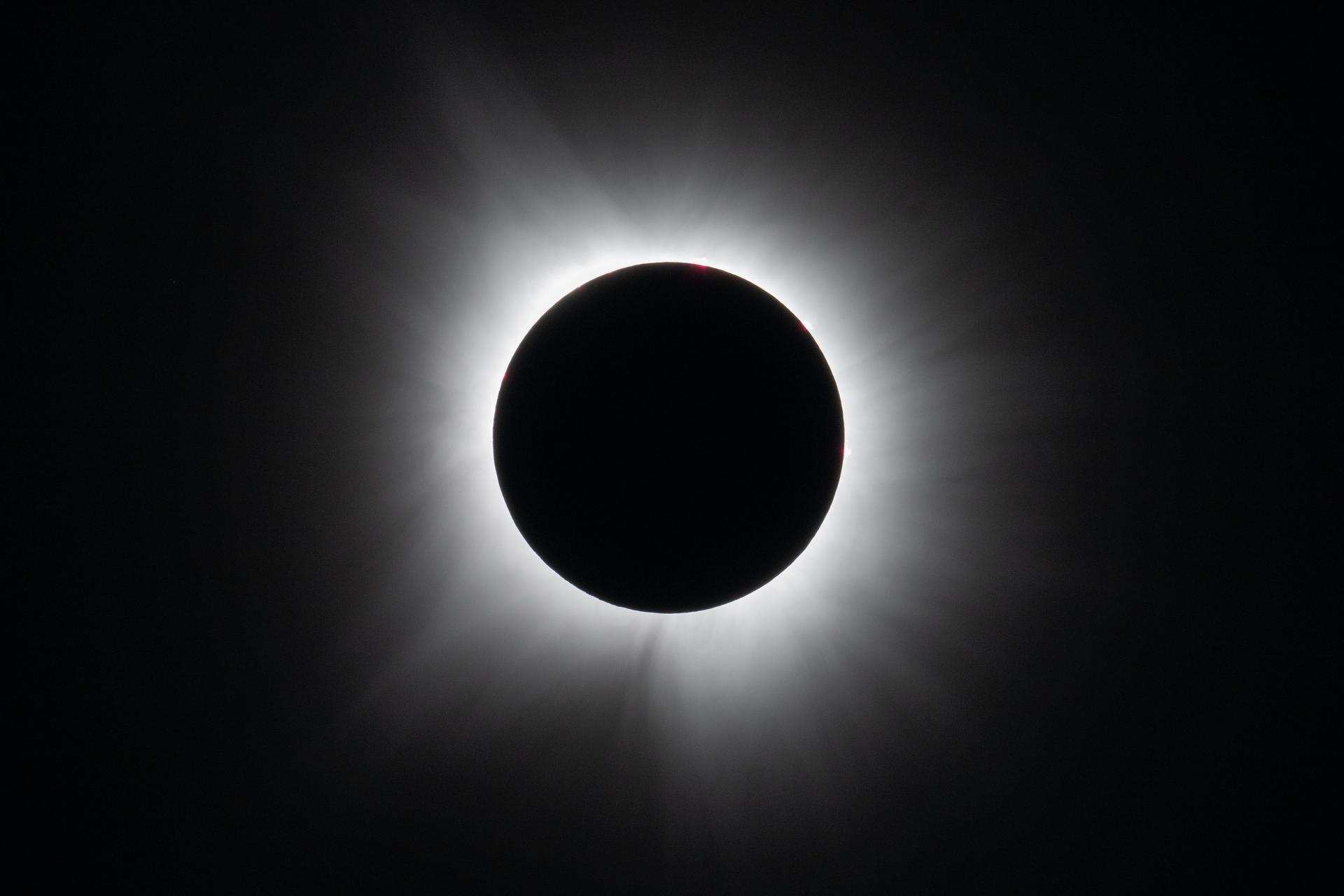
The Sun's corona during a total solar eclipse — Iceland will experience totality in August 2026

Total Solar Eclipse — Iceland, August 12, 2026

The August 12 eclipse will be visible across northern Iceland, with up to 2 minutes of totality. Combine this with prime aurora viewing for a once-in-a-lifetime astronomy trip. Credit: NASA/Aubrey Gemignani.

Why This Combination Matters

No other 2026 eclipse destination offers aurora viewing. Spain and Portugal (the other land-based viewing areas) are too far south — aurora is exceedingly rare there. Greenland has aurora but limited infrastructure. Iceland has both: world-class aurora viewing under the oval, developed tourism infrastructure, and a solar eclipse path passing directly over its most accessible regions.


Iceland Aurora Basics — Season, Best Times, and Forecast

Iceland offers some of the most accessible aurora viewing on Earth. The entire country sits at 63–66°N latitude, directly under the Auroral Oval. Unlike Fairbanks (where temperatures can drop to −40°F), Iceland benefits from the Gulf Stream, keeping winter temperatures around 25–35°F — cold but manageable.

FactorIceland Details
Aurora seasonAugust 21 – April 21 (peak: September–March)
Best viewing time10 PM – 1 AM local time
Kp neededKp 3–4 for overhead aurora (compared to Kp 6–7 for Denver)
Frequency100+ aurora nights per year during peak season
Winter temperature25–35°F (−4 to +2°C) in Reykjavik — mild for the latitude
Forecast resourcesKP Index Explained · vedur.is (Iceland Met Office) · SpaceWeatherLive

For more on reading aurora forecasts, see our complete guide: KP Index Explained: How to Read the Aurora Forecast Like a Pro.

Best Iceland Aurora Viewing Spots

🌋

Thingvellir National Park

A UNESCO World Heritage site 45 minutes from Reykjavik. The tectonic rift valley offers dark skies and dramatic foregrounds — the Silfra fissure reflects the aurora on calm nights. Easy access from the capital. The park is open 24 hours and has designated parking areas.

🏔️

Jokulsarlon Glacier Lagoon

The most photographed aurora location in Iceland. Icebergs floating in the lagoon reflect green aurora curtains for surreal compositions. Located 5 hours from Reykjavik on the south coast. Stay in nearby Hofn for multi-night aurora hunting.

🌊

Kirkjufell Mountain

Iceland's most famous mountain, on the Snaefellsnes Peninsula (2.5 hours from Reykjavik). The iconic pyramid shape with a waterfall foreground creates jaw-dropping aurora photos. The peninsula has several dark-sky-friendly accommodations.

For clothing and gear recommendations for cold-weather aurora photography, see our Alaska guide (similar conditions apply) and Best Camera Settings for Aurora.

Eclipse Viewing in Iceland — Where to Be on August 12, 2026

The path of totality for the August 12, 2026 total solar eclipse crosses northern Iceland, with the best views in the Akureyri region and along the northern coast. Totality lasts approximately 1 minute 45 seconds near Akureyri, and up to 2 minutes 10 seconds further north near Grimsey Island.

Best eclipse viewing locations

Akureyri (Iceland's "northern capital"), the Myvatn region (dramatic volcanic landscapes), and the Trollaskagi Peninsula. All offer reasonable infrastructure, accommodation, and clear views of the northern horizon for both eclipse and aurora.

Eclipse viewing safety

You need certified ISO 12312-2 solar eclipse glasses for the partial phases. Bring a solar filter for any camera or binoculars. During totality (when the Sun is fully covered), it's safe to view without glasses — but only during those 2 minutes. See our Best Eclipse Glasses guide.

Sample Itinerary: Eclipse Day + Aurora Night

August 12, 2026 — The Ultimate Iceland Astronomy Day

10:00 AM — Drive to Akureyri or Myvatn region from Reykjavik (5–6 hrs) or fly domestically to Akureyri (45 min)
4:30 PM — Set up viewing position. Partial eclipse begins. Use solar glasses/filters
5:30 PM — Totality! Remove glasses, observe the corona, look for Baily's beads and prominences
7:00 PM — Dinner and rest. Check KP index forecast for tonight
10:30 PM — Head to dark-sky location. Set up camera. Aurora watch begins
12:00 AM — Peak aurora window. Green curtains over the same landscape where you saw the eclipse hours earlier

Frequently Asked Questions

Can you really see the aurora in August in Iceland?

Yes — from late August onward, Iceland has enough darkness for aurora viewing. By August 21, the sun sets around 9:30 PM and the sky is fully dark by 11 PM. While September–March offers better odds, the August 12 eclipse date falls right at the start of aurora season. With Solar Cycle 25 at peak, conditions could be excellent.

Do I need a 4WD vehicle for Iceland aurora hunting?

In summer and early autumn (August–September), a standard 2WD rental car is sufficient if you stick to the Ring Road. In winter (November–March), a 4WD is strongly recommended. Many aurora viewing locations are accessible via paved roads. Check road conditions at road.is before heading out.

What Kp index do I need for aurora in Iceland?

Kp 3–4 is typically enough for overhead aurora in Iceland. Kp 2 may produce a faint glow on the northern horizon. The Iceland Met Office (vedur.is) provides a local aurora forecast that's more accurate than the global Kp index for Iceland's specific location under the auroral oval.

Is Reykjavik good for aurora viewing?

Reykjavik has significant light pollution that dims aurora displays. Drive at least 20–30 minutes outside the city — Thingvellir National Park (45 min) is the closest reliable dark-sky site. The Grotta Nature Reserve on the Reykjanes Peninsula is the nearest dark spot within city limits.

What should I pack for Iceland aurora and eclipse viewing?

Waterproof/windproof jacket and pants, warm layers (fleece, wool), gloves and hat, sturdy waterproof boots, Eclipse glasses (ISO 12312-2 certified), camera with tripod, red flashlight, and a thermos. Iceland's weather changes rapidly — you may experience sun, rain, and snow all in one day.