
Celestron Inspire 100AZ Review: Best Beginner Refractor? (2026)
Telescope Advisor Logo Telescope Advisor
Celestron Inspire 100AZ telescope on its alt-azimuth mount

Review · Celestron Inspire 100AZ

Celestron Inspire 100AZ Review: Best Beginner Refractor in 2026?

The Celestron Inspire 100AZ is a 100mm (4-inch) refractor on a manual alt-azimuth mount, priced for the serious beginner. It promises crisp lunar views, bright planetary detail, and the ability to show deep-sky objects that smaller refractors cannot reach. This review puts the Inspire 100AZ through its paces — testing its optical performance, build quality, mount stability, and overall value against its main competitors.

100mm

Aperture

660mm

Focal Length

Mid

Price Tier

12 lbs

Total Weight

By Telescope Advisor Editorial Team Published: Updated: Editorial Standards

Quick Summary

👍 Pros

  • Excellent 100mm aperture for the price
  • Good optics — sharp lunar and planetary views
  • Smartphone adapter included
  • StarPointer finder works well
  • Decent 25mm and 10mm eyepieces

👎 Cons

  • Mount is wobbly at high power
  • Chromatism visible on bright objects
  • No slow-motion controls on mount
  • Limited deep-sky capability versus reflectors
  • Tripod could be sturdier

⚖️ Bottom Line

A capable beginner refractor with the best optics in its price class — let down by a wobbly mount. Worth buying for lunar/planetary observing if you budget for a better tripod or build your own pier. Not the best choice for deep-sky.
🔭

Not sure which telescope actually fits your goals?

Answer 5 quick questions about your budget, observing targets, and experience level — our Telescope Finder Tool recommends a specific model in under 2 minutes.

Find My Telescope →

Key Specifications

Spec Value
Aperture100mm (4 inches)
Focal Length660mm (f/6.6)
MountAlt-azimuth, manual (no slow-motion controls)
TripodSteel, adjustable height, accessory tray
Eyepieces25mm (26×) and 10mm (66×) Kellner
FinderscopeStarPointer red dot finder
Included accessoriesSmartphone adapter, 90° diagonal, 2× Barlow lens
Weight12 lbs (5.4 kg) total
Best useLunar, planetary, bright deep-sky

Build Quality and Mount

The Inspire 100AZ's optical tube is well built. The tube is aluminum with a glossy blue finish that Celestron calls "Inspire Teal" — it is visually striking and feels solid. The lens cell is metal with a dew shield that slides forward for extra protection. The focuser is rack-and-pinion with 1.25-inch drawtube, smooth enough for fine focusing at high power.

The mount is the weak point. The alt-azimuth mount is lightweight and lacks slow-motion controls (fine adjustment knobs). At low power, it is serviceable. At 100×+, the mount's wobble becomes frustrating — the image bounces for 2–3 seconds after you touch the focuser. The tripod is steel but thin-legged. An 8-inch Dobsonian (like the Apertura AD8) is dramatically more stable, but costs more.

Workarounds: The mount can be improved by placing a weight on the accessory tray (a 5-pound bag of sand works well) and by not fully extending the tripod legs — using the lowest height setting improves stability significantly. Some users replace the mount entirely with a sturdier photo tripod and a fluid head, which transforms the telescope's usability.

Optical Performance

The Inspire 100AZ uses a fully coated achromatic doublet objective. "Fully coated" means all air-to-glass surfaces have anti-reflection coatings, which improves light transmission and contrast compared to single-coated or uncoated lenses.

Strehl ratio: Estimated at 0.80–0.85 (good for a budget achromat). The optics are uniformly better than the 70mm AstroMaster and comparable to the 100mm PowerSeeker — but the Inspire has better baffling, which improves contrast.

Chromatism (false color): As an achromatic refractor, the Inspire shows purple fringing around bright objects. On the Moon at 100×, you see a purple edge on the bright limb. On Jupiter, the planet's disk has a slight purple halo. This is normal for any achromat at f/6.6. It does not prevent you from seeing detail — it is just visually distracting until you get used to it. A minus-violet filter helps significantly.

Star test: Inside and outside focus, the diffraction rings are reasonably concentric with no pinched optics (a common defect in budget refractors). This indicates good factory collimation. The Inspire 100AZ is one of the few budget refractors that does not need immediate re-collimation out of the box.

Moon Views

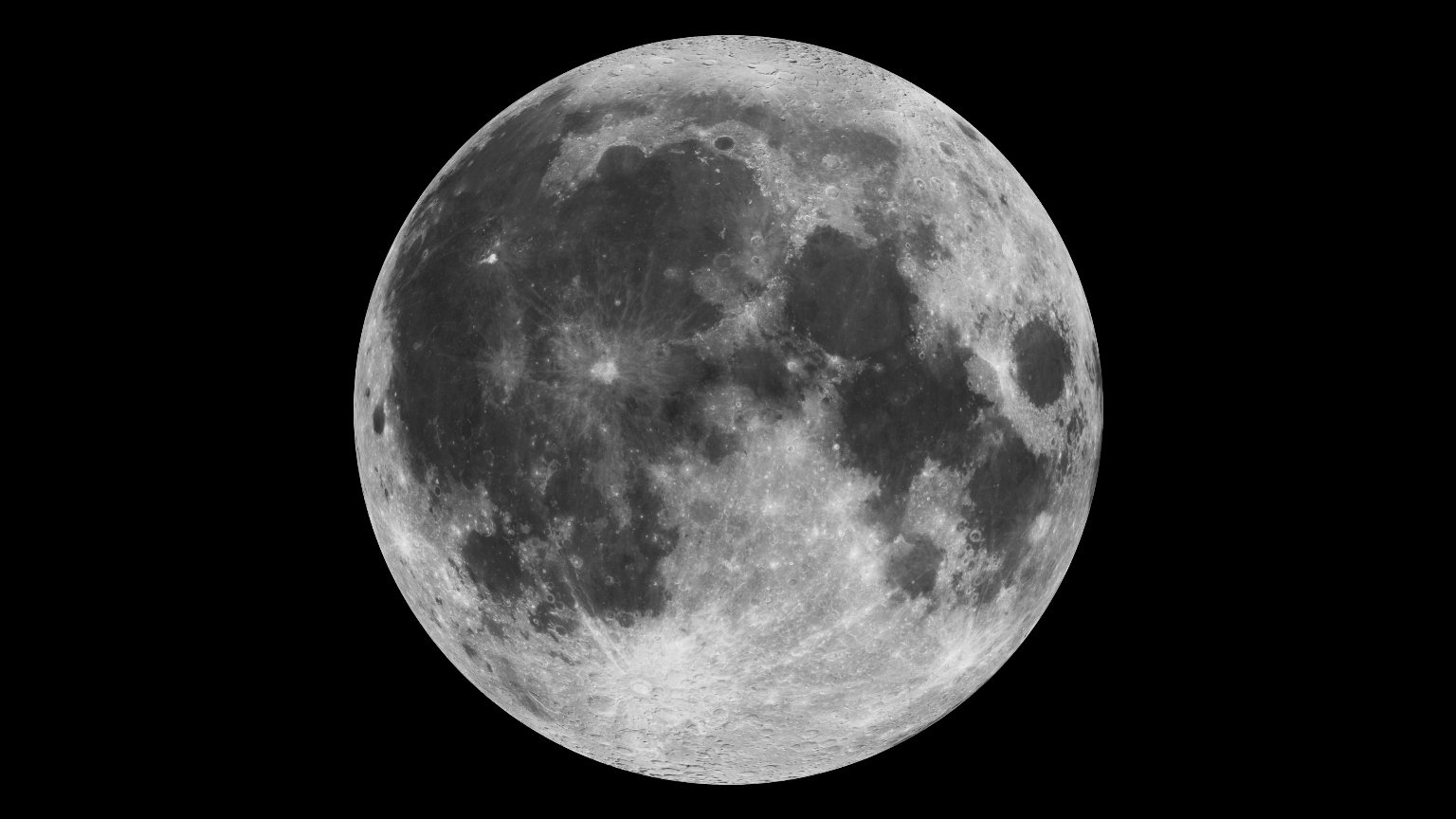
The Moon is where the Inspire 100AZ shines brightest. At 66× (10mm eyepiece), the lunar surface is sharp and contrasty. Copernicus shows its terraced walls. The Apennine Mountains stand out in 3D relief along the terminator. Plato's floor is crisp.

At 132× (10mm + 2× Barlow), you see the Straight Wall (Rupes Recta) as a thin dark line, the Alpine Valley's central rille, and dozens of tiny craters near the terminator. The image softens slightly at this power due to chromatic aberration, but the detail is still remarkable for a 100mm refractor.

The included smartphone adapter works well for lunar snapshots. The 100mm aperture provides enough light to capture sharp images with phone cameras. The adapter clamps securely and aligns with the eyepiece. This is a genuinely useful inclusion that most competitors lack.

Planet Views

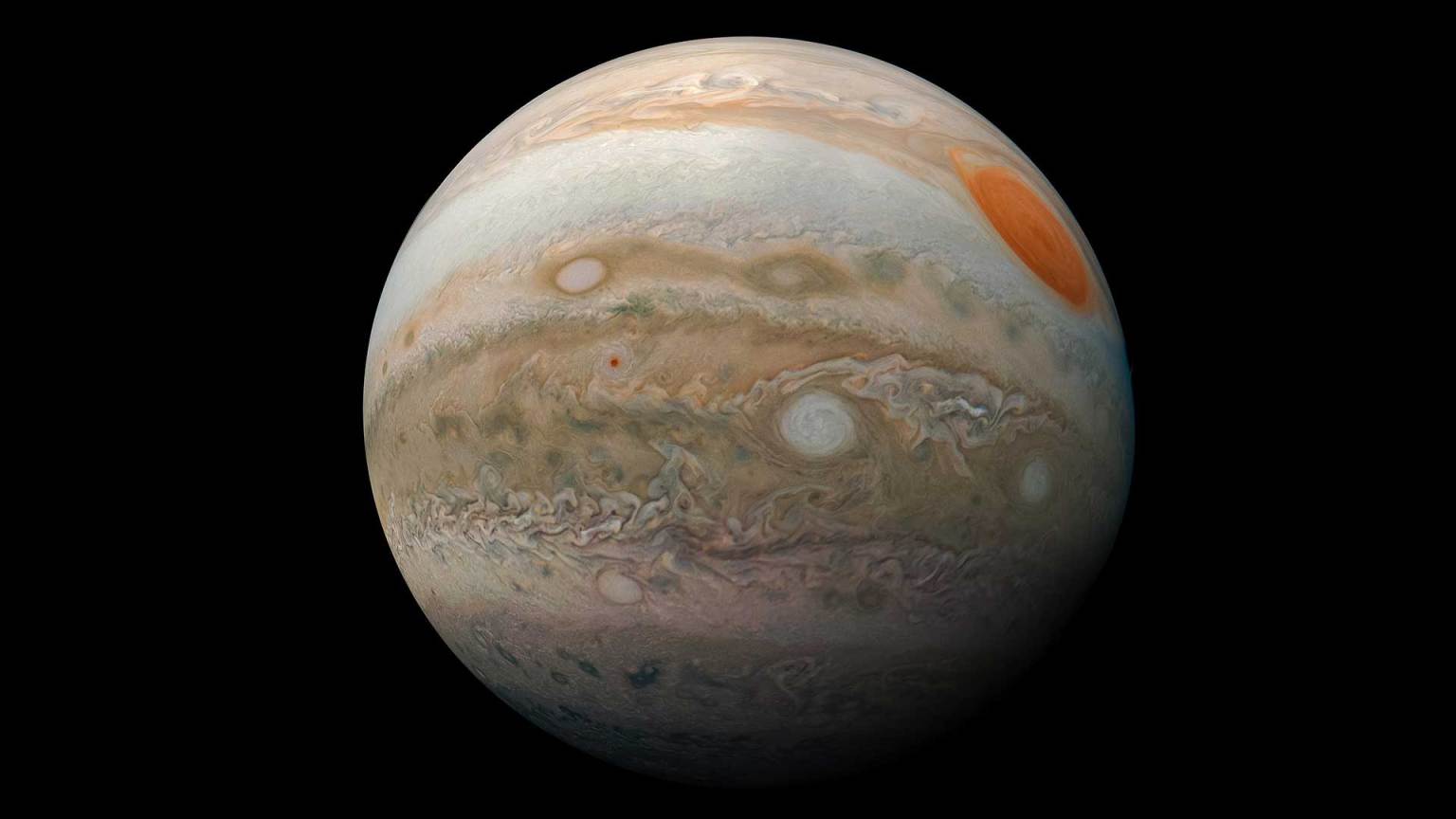
Jupiter (at 100×): Two main equatorial belts clearly visible. The North and South Equatorial Belts are distinct. The planet appears cream-colored with darker tan belts. The Great Red Spot is detectable as a pale notch on good nights — not vivid, but noticeable when you know where to look. The four Galilean moons are easy and show brightness differences.

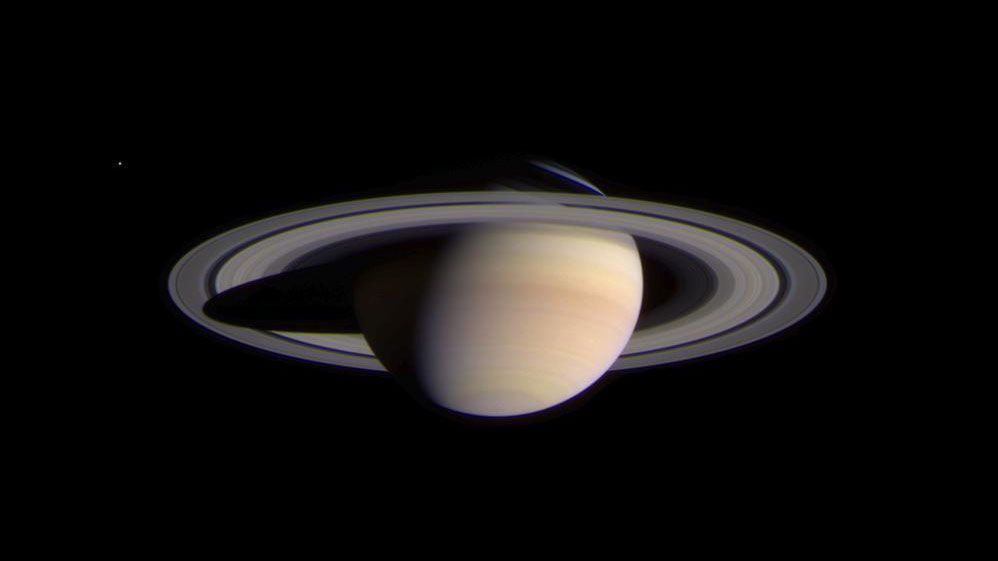
Saturn (at 100×): Rings clearly separated from the planet. The Cassini Division is not visible at this aperture — you need 114mm+ for that. Titan is visible as a faint dot. The image is small but unmistakable. A 2× Barlow helps, though the mount wobble becomes an issue at 132×.

Mars (at opposition): Polar ice cap visible as a bright white patch. Dark surface features (Syrtis Major) detectable as a dark gray region. The planet is small (14–18 arcseconds) even at opposition, so don't expect the detail you get with Jupiter.

Venus: Shows phases clearly. The planet is brilliant white and featureless — you will see the phase (crescent to gibbous) but no surface detail through an unfiltered refractor. A UV filter can reveal subtle cloud patterns in larger scopes.

Deep-Sky Performance

This is where the Inspire 100AZ falls behind equivalent reflectors. The 100mm aperture (77 cm² light gathering area) is decent, but the f/6.6 focal ratio is moderate for deep-sky.

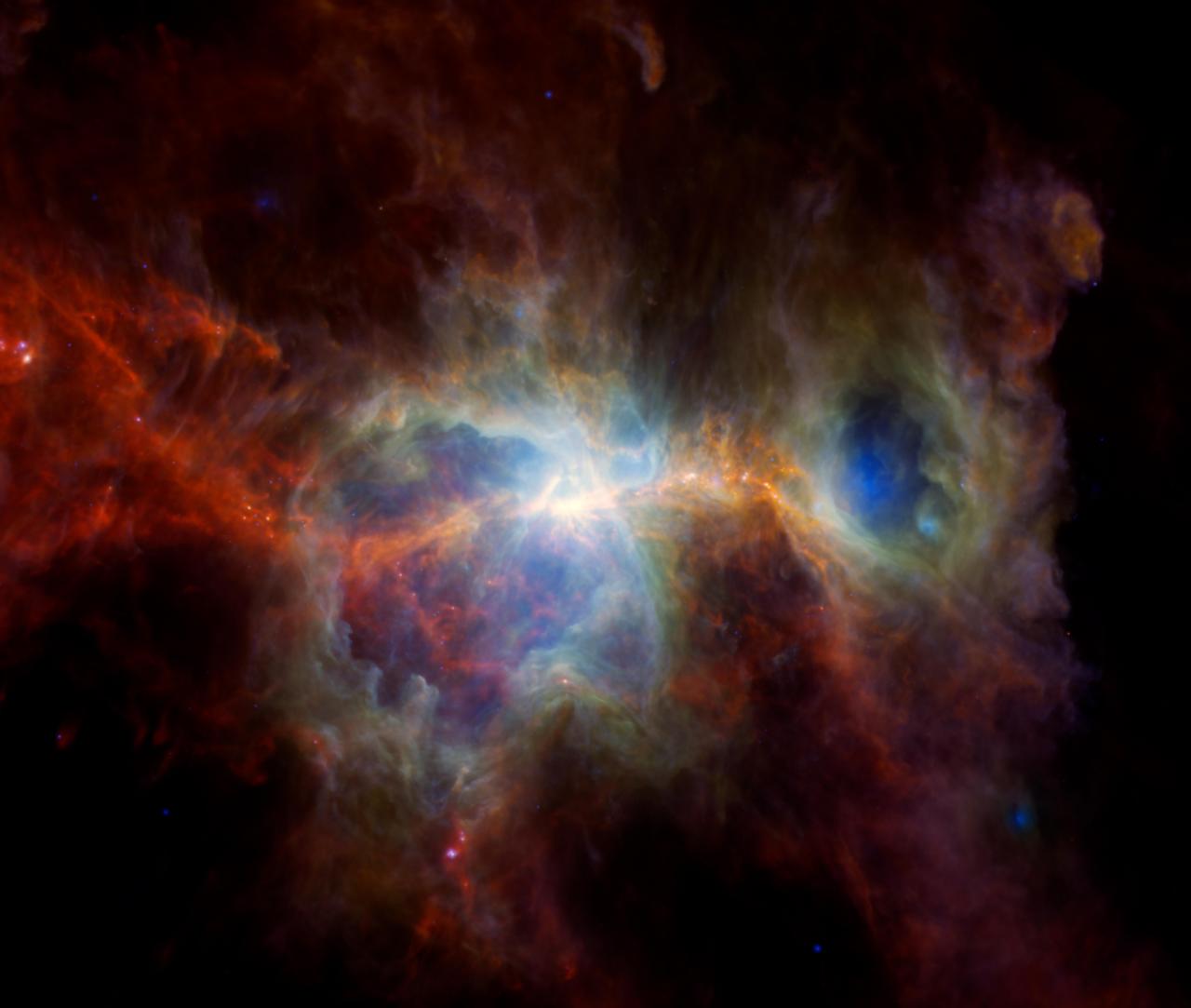
  • Orion Nebula (M42): Visible as a faint greenish-gray patch with the "wings" of the nebula extending from the Trapezium. The four Trapezium stars are resolved. No color visible through the eyepiece (your eye is not sensitive enough for the green glow).
  • Andromeda Galaxy (M31): Visible as a large oval glow filling about half the field of view at 26×. The core is brighter than the outer regions. No spiral structure visible — just a smooth gradient.
  • Ring Nebula (M57): Visible as a tiny donut at 100×. It looks like a faint smoke ring. Requires high power and good conditions.
  • Globular clusters (M13, M22): Resolved into dozens of individual stars at the edges. The core remains unresolved. M13 at 100× is spectacular — one of the best sights through this telescope.
  • Galaxies (M81, M82, M65, M66): Visible as faint patches. M82 shows its elongated shape. No detail visible — just "faint fuzzies." For serious galaxy hunting, a 6-inch Dobsonian is far superior.

Compared to a 130mm reflector (like the Sky-Watcher Heritage 130P), the Inspire 100AZ gathers only 59% as much light. The Heritage 130P at the same price shows fainter objects and resolves globular clusters better — but it requires collimation and has a more open tube that lets in dew.

Inspire 100AZ vs Competitors

Model Aperture Mount Best For Price
Inspire 100AZ100mmAlt-az (manual)Lunar + planetaryMid-tier
AstroMaster 70AZ70mmAlt-az (manual)Budget lunar + planetsEntry-level
Heritage 130P130mmTabletop DobDeep-sky + planetsMid-tier
Classic 200P203mmFull DobEverythingPremium

Vs AstroMaster 70AZ: The Inspire 100AZ has 2× the light gathering (77 cm² vs 38 cm²) and noticeably better lunar/planetary views. Worth the extra $140 if you can afford it.

Vs Heritage 130P: The Heritage 130P shows fainter deep-sky objects but requires collimation and has a more open tube. The Inspire is grab-and-go with no collimation. For lunar/planetary, the Inspire's longer focal ratio gives higher contrast.

Vs Classic 200P: The 200P is in a different class entirely — more aperture, far better mount, vastly superior deep-sky and planetary. The Inspire's advantages are portability and no collimation. If you can afford and store the 200P, it is the better telescope.

Final Verdict

Our Rating: 6.5 / 10

The Celestron Inspire 100AZ is a good telescope with great optics compromised by a mediocre mount. The 100mm achromatic objective delivers sharp lunar and planetary views that beat every 70mm scope on the market. The included smartphone adapter is genuinely useful. But the wobbly alt-azimuth mount limits what the optics can show, especially at high magnification.

Buy it if: You want a grab-and-go refractor for lunar and planetary observing, you appreciate the included smartphone adapter, and you are willing to improve the mount (weight on the tray, or a better tripod).

Skip it if: Your priority is deep-sky observing (buy a Heritage 130P instead), you want a rock-solid mount at high power (buy a Classic 200P), or your budget is under $150 (the AstroMaster 70AZ is a better value at that price point).

FAQ: Celestron Inspire 100AZ

Is the Celestron Inspire 100AZ good for beginners?

Yes — it is a good beginner telescope for lunar and planetary observing. The 100mm aperture shows more detail than entry-level 70mm scopes. However, the mount is wobbly at high power, which frustrates some beginners. If you can manage the mount's limitations, the optical performance is excellent for the price.

Can the Inspire 100AZ see Saturn's rings?

Yes — Saturn's rings are clearly visible at 66× (10mm eyepiece). The rings are well separated from the planet. The Cassini Division is not visible at 100mm aperture — you need 114mm+ for that. Titan is visible as a faint star near the planet.

Does the Inspire 100AZ show the Great Red Spot?

The Great Red Spot is visible as a pale notch in the South Equatorial Belt on good nights. It is not vivid — do not expect the orange oval from NASA images. A 2× Barlow helps at the cost of some image softness.

Is the Inspire 100AZ good for astrophotography?

No — the alt-azimuth mount does not track the stars, so long-exposure deep-sky photography is impossible. Lunar and planetary smartphone shots through the eyepiece are possible with the included adapter. For astrophotography, you need an equatorial mount.

How does the Inspire 100AZ compare to the AstroMaster 70AZ?

The Inspire 100AZ gathers 2× more light than the 70mm AstroMaster, providing noticeably brighter and more detailed views on the Moon and planets. The Inspire also includes a smartphone adapter. The AstroMaster is cheaper and has a similar mount, making it better value on a very tight budget.

What accessories should I buy for the Inspire 100AZ?

A 6mm gold-line eyepiece (110×) for higher-power lunar/planetary work, a Moon filter to reduce glare at full Moon, and a sturdier tripod or a weight for the accessory tray to improve mount stability. If you do close-up lunar observing, a 3× Barlow can be useful on the Moon (but not on planets where the mount wobble is too problematic).


Related Guides