Education and Outreach: Using Webb Interstellar Stories to Grow Real Astronomy Skills
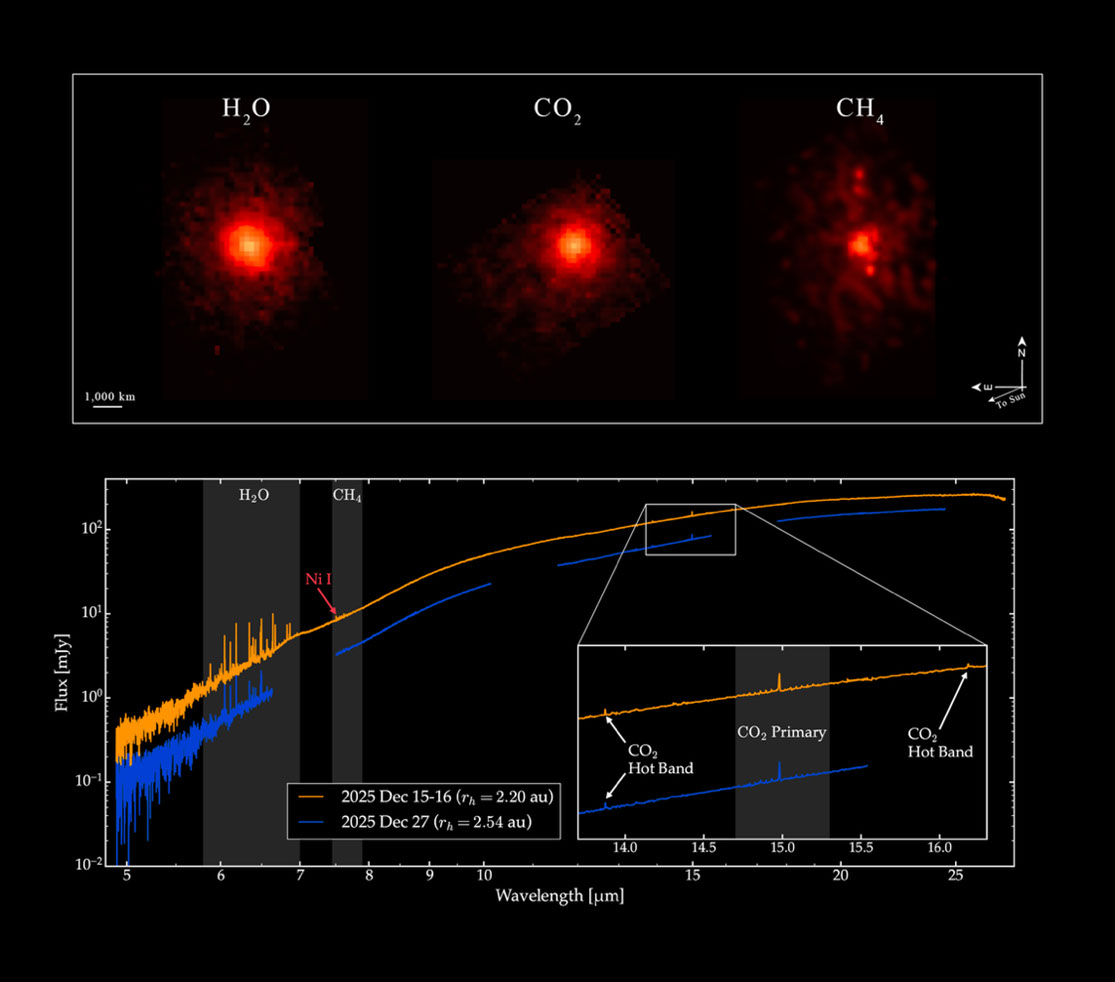
Interstellar-object headlines are powerful outreach tools because they combine novelty, mystery, and big-picture relevance. But novelty alone does not create lasting engagement. The best outreach programs use these stories to teach transferable skills: evidence reading, sky orientation, observing workflow, and confidence calibration. A headline that starts as "wow" can become a stepping stone to consistent learning if the session is structured well.
A high-performing outreach format has four blocks. Block one is a five-minute explainer in plain language: what the object is, what Webb measured, and what remains uncertain. Block two is expectation setting: what visitors can and cannot directly see in amateur gear. Block three is practical sky activity: identify companion targets connected to the story theme. Block four is reflection: what was observed, what was inferred, and what to try next.
For youth groups, make the difference between detection and interpretation explicit. Ask students to label statements as "measured" or "inferred." This builds scientific reasoning and reduces confusion when updates evolve. For adult beginners, focus on execution confidence: setup sequence, finder use, focus discipline, and session pacing.
Clubs can maintain an "interstellar tracker" sheet with columns for source date, confidence level, visibility relevance, and companion target suggestions. This turns fragmented news consumption into a practical workflow. It also helps avoid repeated debates over low-confidence claims by anchoring discussion to source quality.
The long-term benefit is community resilience. When people learn to process exciting science responsibly, they stay engaged through both breakthroughs and quieter periods. Outreach quality improves, misinformation drops, and observational habits strengthen. Webb interstellar stories are not just content opportunities. They are training opportunities for better amateur science culture.