When exactly is the Total Solar Eclipse in August 2026?
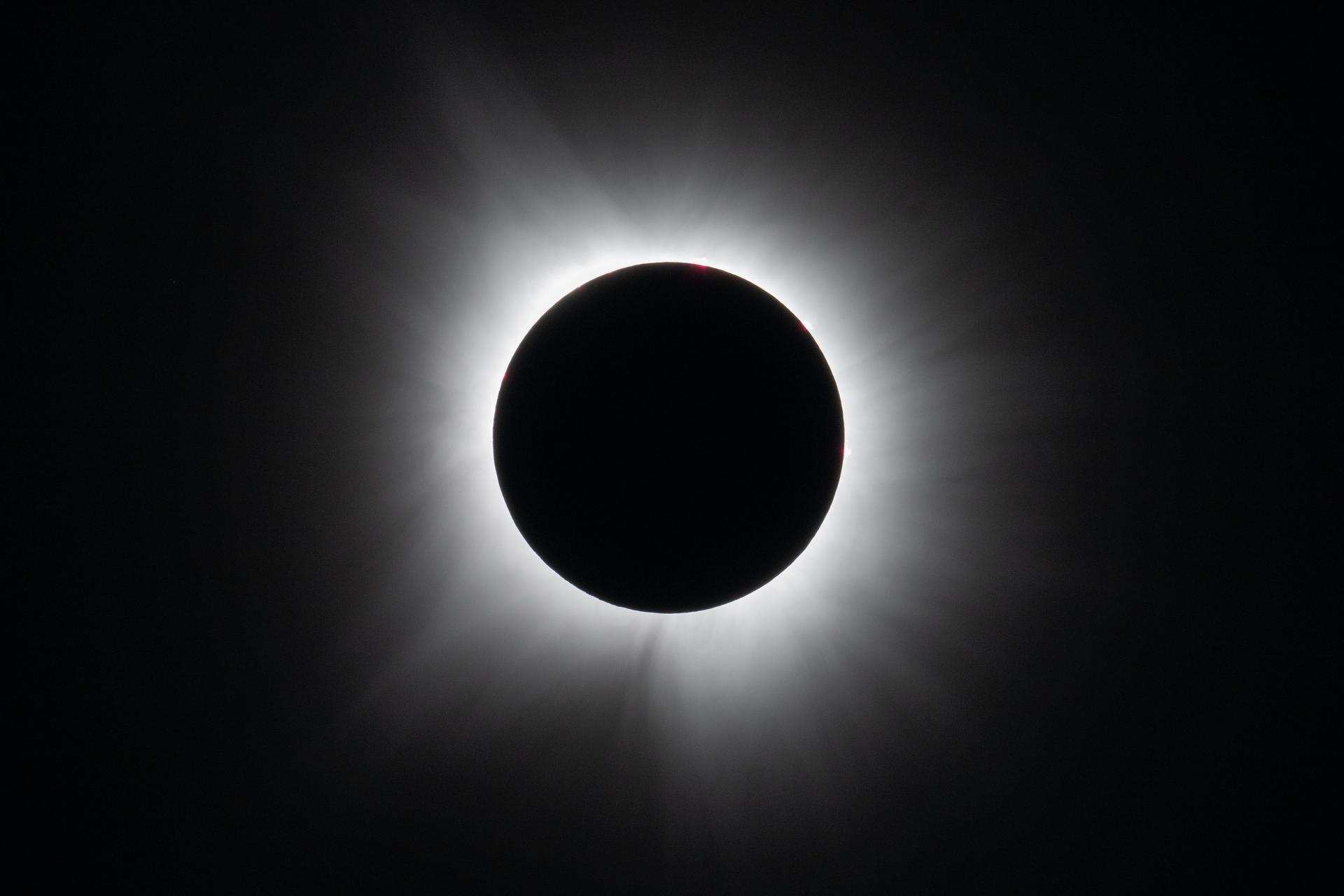
The Total Solar Eclipse occurs on August 12, 2026. The path of totality crosses the Arctic Ocean, Iceland, the Faroe Islands, and northern Spain (including the Balearic Islands, Valencia, and Barcelona). Totality duration in Spain is approximately 2 minutes. The partial eclipse is visible from almost all of Europe, western Africa, the Middle East, and parts of North America. UK and Ireland see an 85–92% partial eclipse at or just after sunset. Full eclipse guide →
Can I use my telescope to view the solar eclipse?
Only with a proper solar filter mounted on the front of the telescope (over the objective lens or mirror). Never use an eyepiece solar filter — these can crack from heat and cause instant, permanent blindness. White-light Baader film filters are safe and inexpensive. The Celestron EclipSmart solar binoculars have built-in solar-safe optics. During totality (in the path of totality only), you may remove the solar filter entirely to observe the corona. Outside totality, always use a certified solar filter. Eclipse glasses alone are not sufficient for telescope use.
Why are the 2026 Perseids so good?
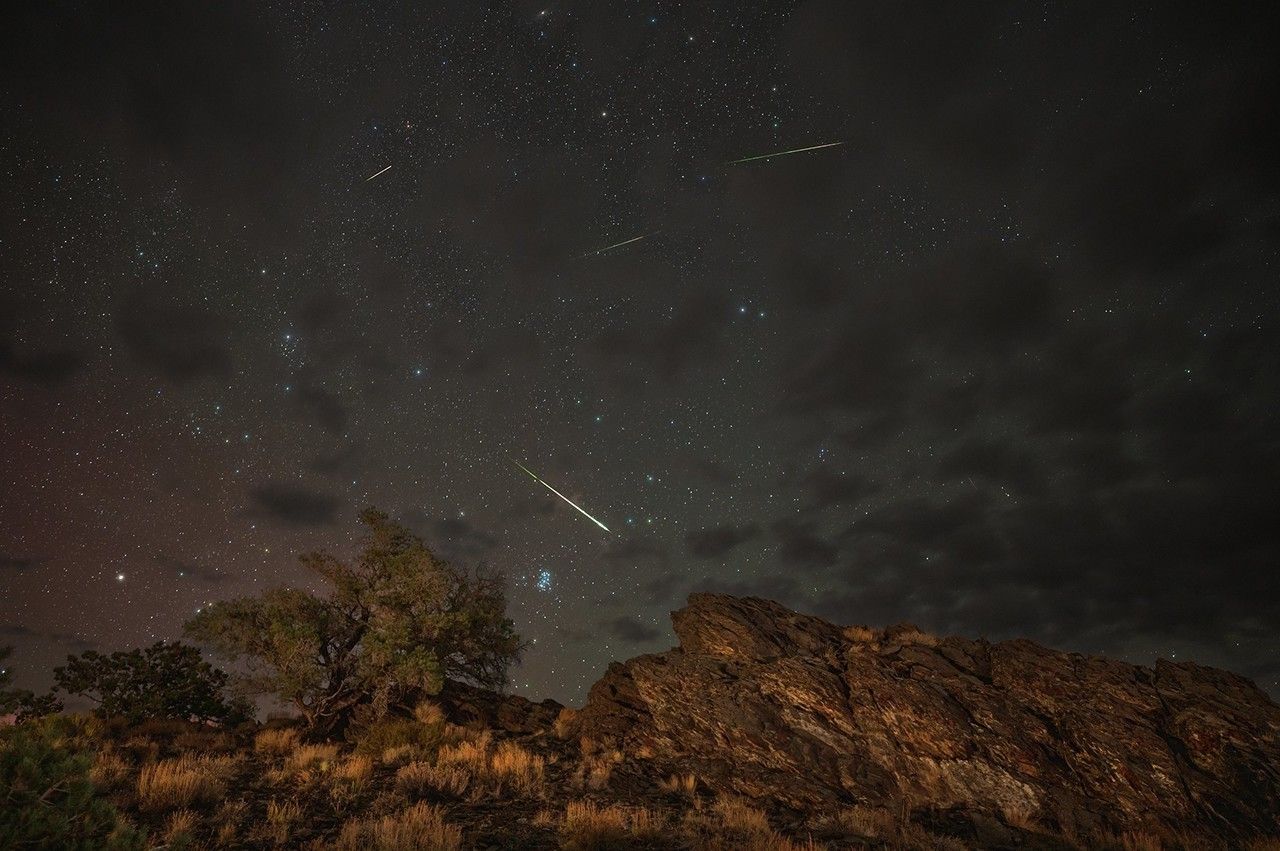
The 2026 Perseid meteor shower peaks on August 11–13, just 4–6 days after the New Moon on August 7. This means the Moon is a very thin crescent that sets early in the evening, leaving the sky completely dark for the peak hours after midnight. In most years, the Perseids have to compete with moonlight; in 2026, the coincidence of the solar eclipse (which created the near-new Moon) produces perfect dark-sky conditions. Combined with the Perseids’ naturally high ZHR of 80–100/hr, this makes 2026 an exceptional Perseid year.
Is Saturn at opposition in August 2026?
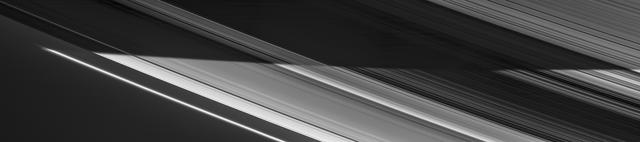
Saturn's opposition in 2026 falls in July 2026, not August — but Saturn remains in near-opposition quality through all of August, reaching excellent altitude in the evening sky. The difference in Saturn's apparent disk size between July opposition and late August is negligible for visual observers. Saturn remains the premiere telescope planet for the entire August observing season, with rings tilted at ~+6° and clearly visible in any telescope 60mm or larger.
Where is the best place to watch the Perseid meteor shower in 2026?
Any location away from city lights with a clear, dark sky overhead. The ideal site is a rural dark-sky area with minimal light pollution and an open, unobstructed view of the northeast sky (where the radiant in Perseus is located). In the UK and Ireland, many dark-sky parks and rural highland areas are excellent. In North America, national parks, farmland, and desert regions away from major cities offer the best conditions. A Bortle 3 or darker sky will dramatically multiply the visible meteor rate compared to a suburban or urban site.
What can I see through a small telescope in August 2026?
Even a 60–80mm beginner telescope will show you: Saturn with its rings clearly visible; Mars as a reddish disk (small but unmistakably a disk); Venus as a crescent in the west at dusk; the Moon's craters and mountains in stunning detail; the M13 Hercules Globular Cluster as a fuzzy ball resolving into stars; the M57 Ring Nebula as an oval puff of light; the Double Cluster in Perseus as two glittering swarms of stars; and the bright core of the Andromeda Galaxy (M31) after midnight.
Is Jupiter visible in August 2026?
Jupiter is not a practical target in August 2026. Jupiter was near solar conjunction in early August, meaning it is passing behind the Sun from Earth’s perspective and is not observable. Jupiter will emerge into the morning sky in September–October 2026 and become excellent again by late 2026. For August, Saturn is the dominant evening planet and the one to focus on.
Do I need special equipment for the solar eclipse?
For naked-eye viewing: ISO 12312-2 certified eclipse glasses (mandatory for partial eclipse). For binocular viewing: dedicated solar binoculars (like the Celestron EclipSmart) or standard binoculars with separate full-aperture Baader film filters. For telescope viewing: a white-light solar filter that covers the full aperture of your telescope objective (never an eyepiece filter). For photography: a DSLR solar filter (ND 5.0 or Baader film) on your lens. The only exception to filter requirements is during the 1–2 minutes of totality in the path of totality.
What is the Moon phase during the Perseid meteor shower 2026?
The New Moon falls on August 7, 2026, five days before the Perseid peak. On the peak nights of August 11–12 and 12–13, the Moon is a very thin waxing crescent (5–6 days old) and sets before 10 PM local time. This leaves the sky completely moonless for the prime after-midnight viewing window. This is the best possible lunar condition for the Perseids — essentially the same as a new-Moon year for this shower.
What months are best for telescope observing in 2026?
Every month has highlights, but July through October 2026 is the peak season for Northern Hemisphere observers. July 2026 brings Saturn at opposition. August 2026 brings the solar eclipse, peak Perseids, and outstanding deep-sky conditions. September–October 2026 sees Jupiter returning to the evening sky and Saturn still well-placed. For the complete calendar: Astronomy Events Calendar 2026 → | July 2026 guide →