August 2026 at a Glance: Five Events in Thirty Days
August 2026 is the most astronomically dense month of the year. In a span of 30 days, the sky delivers a Perseid meteor shower peak under ideal dark-sky conditions, a partial solar eclipse visible from a high-population corridor of the United States, a rare morning planetary lineup, Saturn brightening to its annual peak, and the launch of NASA's most ambitious space telescope since James Webb. This is not a month to stay indoors.
| Date | Event | What You Need | Who Can See It |
|---|---|---|---|
| Aug 11 | New Moon — darkest skies of August | Naked eye | Worldwide |
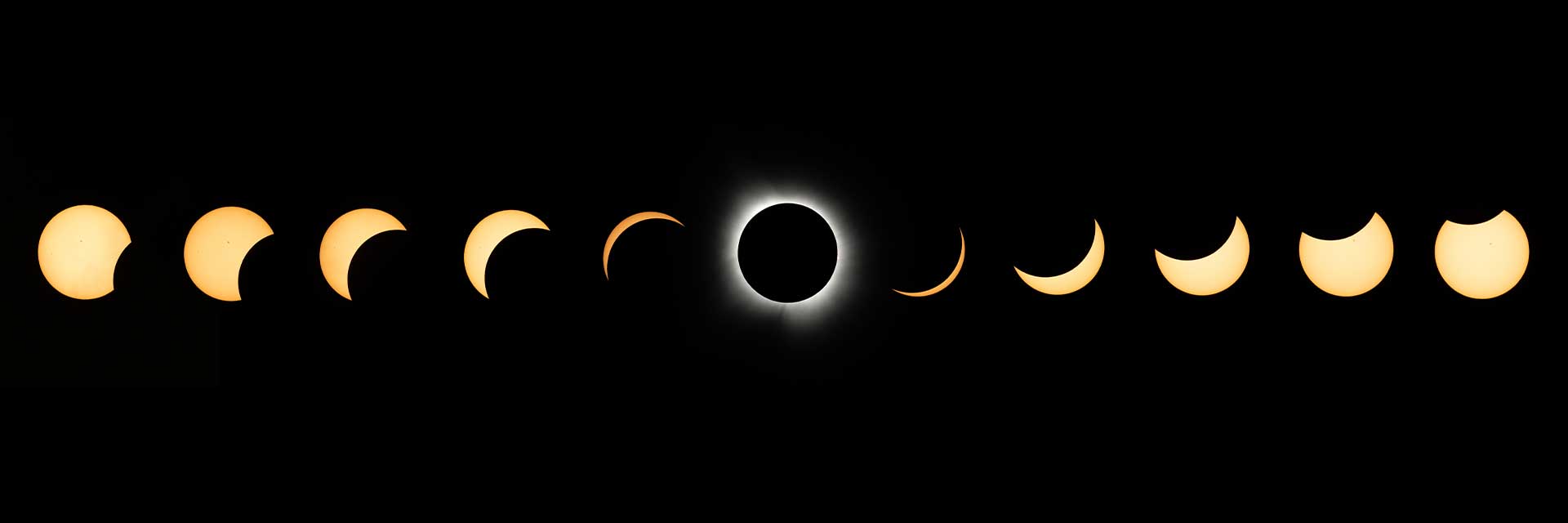
| Aug 12 | Partial solar eclipse + 6-planet morning alignment | Eclipse glasses; naked eye for planets | NE USA, Alaska, Europe |
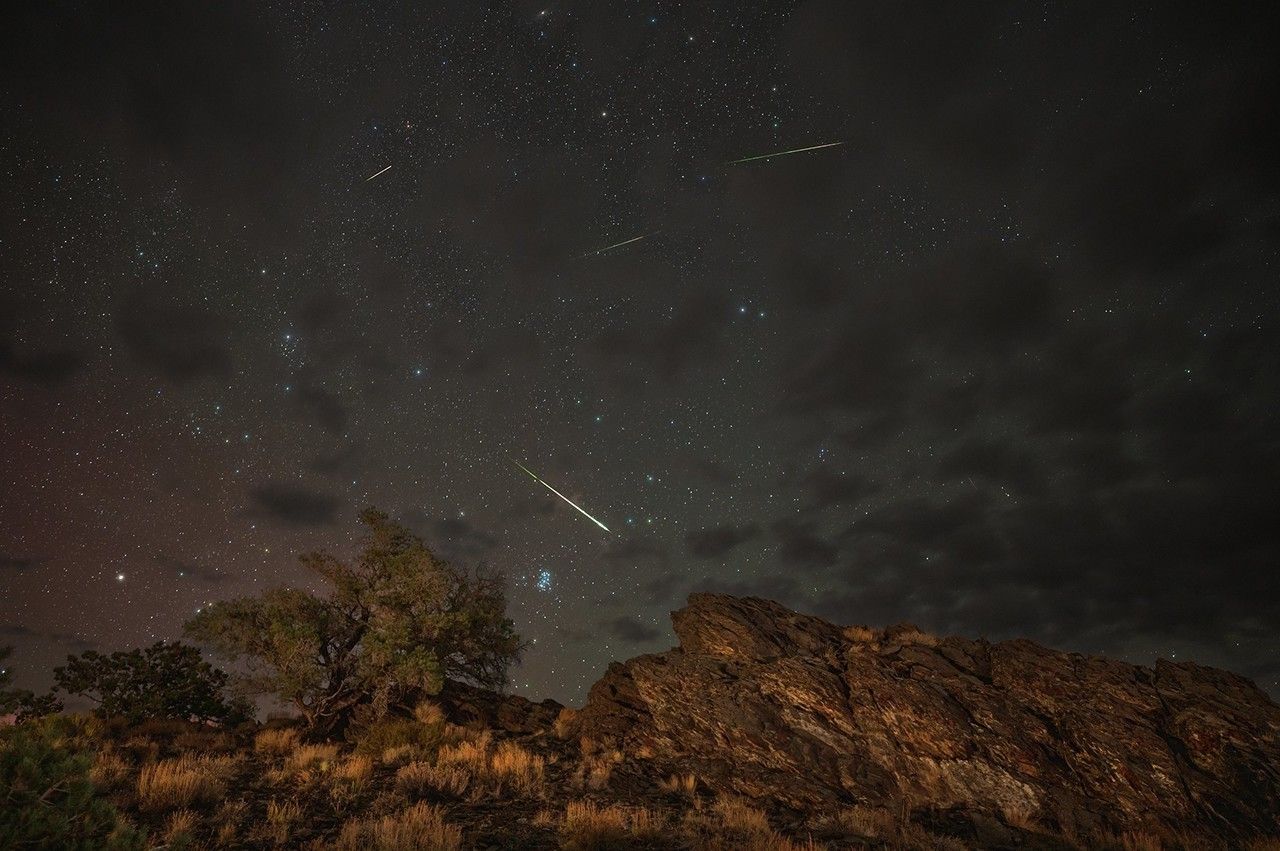
| Aug 12–13 | Perseid meteor shower peak | Naked eye (dark site recommended) | Northern Hemisphere |
| Aug 28 | Partial lunar eclipse | Naked eye, binoculars, telescope | Eastern USA, Americas, Europe |
| Aug 30 | Roman Space Telescope launches (Falcon Heavy) | Livestream; launch visible from Florida coast | Worldwide (Kennedy Space Center) |
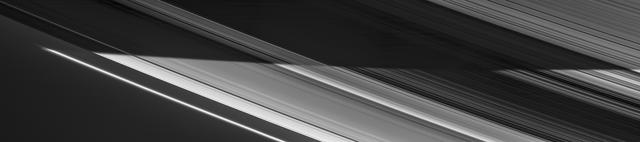
| All month | Saturn brightening toward October 4 opposition | Naked eye, binoculars, telescope | Worldwide |