

Telescope Advisor Logo Telescope Advisor
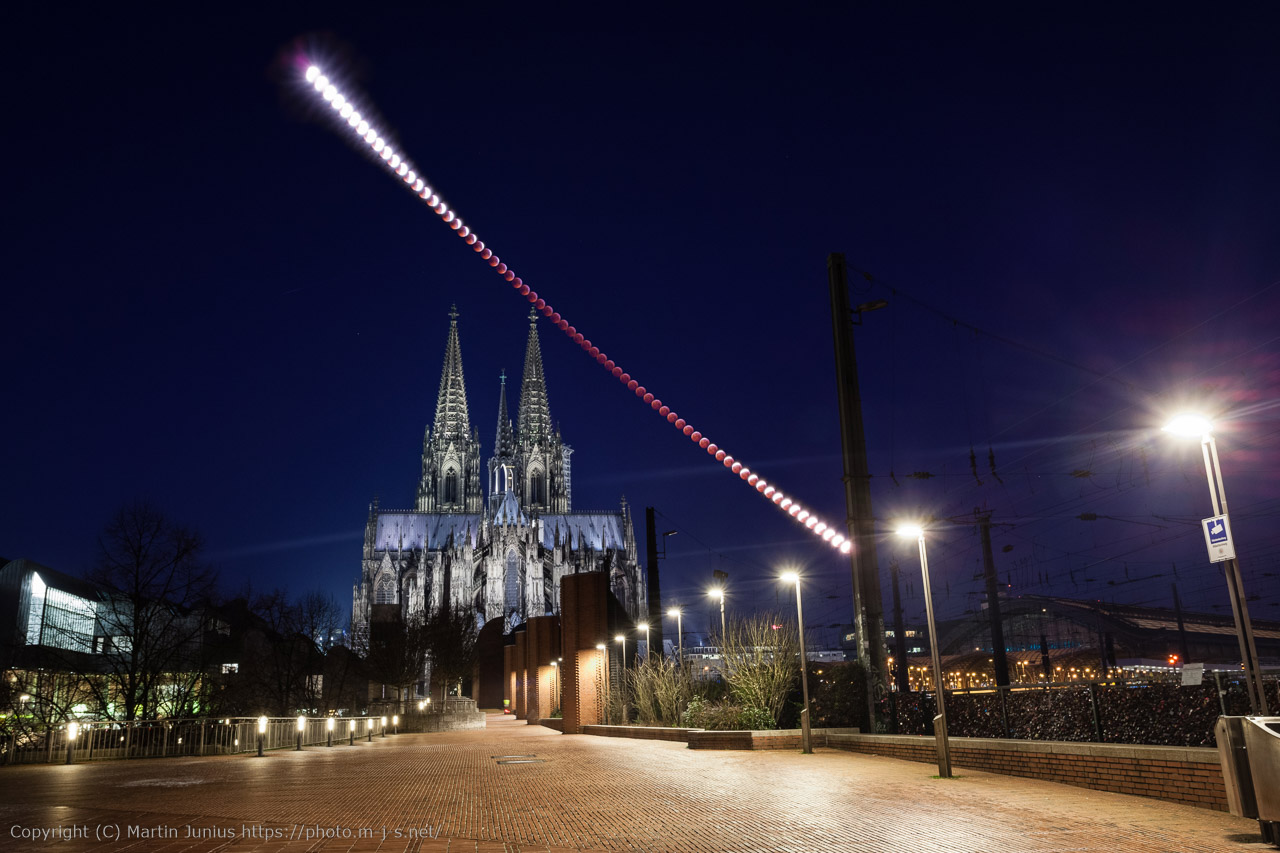
A deep orange-red Moon — the blood moon during a total lunar eclipse, demonstrating how atmospheric scattering creates the dramatic colour

Lunar Guide · Moon Colour · Atmospheric Science

Why Is the Moon Orange Tonight? — The Science of Moon Colour Explained

If you have ever looked up at the Moon and noticed it glowing a deep orange or reddish hue, you are not alone. An orange Moon is one of the most striking sights in the night sky, and it has inspired myths, superstitions, and countless photographs. But the science behind it is straightforward and fascinating — rooted in the same physics that makes sunsets red and the sky blue.

CauseRayleigh scattering
When it happensLow on horizon, eclipses, smoke
Worst culpritWildfire smoke & dust
Best exampleHarvest Moon & blood moon
By Elena Reyes Published: Updated: Reviewed & approved by Juhi Sahni, Senior Editor Editorial Standards
Elena Reyes — Senior Science Editor

Elena Reyes

Senior Science Editor

Covers NASA missions, space science discoveries, and astronomical events for Telescope Advisor. Translates complex astrophysical research into practical insights for backyard observers. Based in the San Francisco Bay Area.

The Short Answer

The Moon looks orange when its light travels through a thicker layer of Earth's atmosphere before reaching your eyes. The atmosphere scatters shorter blue wavelengths of light, allowing longer red and orange wavelengths to pass through — the same reason sunsets appear red. This happens whenever the Moon is low on the horizon, during lunar eclipses, or when the air is filled with smoke, dust, or pollution.
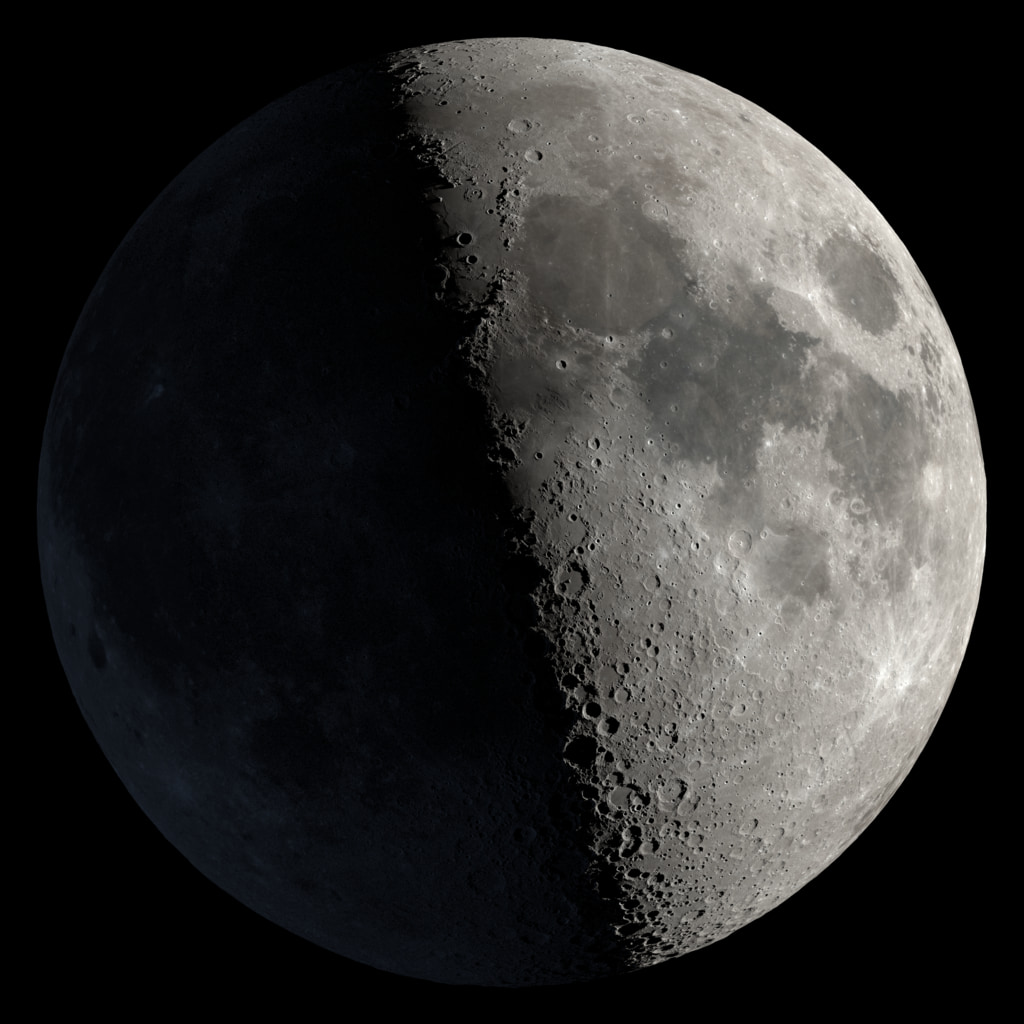
The Moon's cratered surface captured by NASA's Lunar Reconnaissance Orbiter — the Moon itself does not change colour, but atmospheric conditions alter how we perceive it
The Moon Under Natural Conditions — The Moon reflects sunlight, which is white light. Its colour changes only when that light passes through varying amounts of Earth's atmosphere before reaching our eyes. Credit: NASA/LRO.

The Science of Rayleigh Scattering

The Moon itself does not change colour — it reflects sunlight, which is white light composed of all colours. The colour change happens because of Rayleigh scattering, the same phenomenon that makes the sky blue and sunsets red. When moonlight passes through Earth's atmosphere, air molecules scatter shorter wavelengths (blue and violet) more effectively than longer wavelengths (red and orange). When the Moon is high overhead, its light passes through relatively little atmosphere, so we see it as white. When the Moon is near the horizon, its light travels through a much thicker layer of atmosphere — up to 40 times more air — scattering away most of the blue light and leaving the warm orange and red tones that reach our eyes.

Five Reasons the Moon Turns Orange

1. The Moon Is Near the Horizon

This is the most common reason. When the Moon has just risen or is about to set, its light passes through the maximum amount of atmosphere. A rising or setting Moon can appear deep orange or even reddish for the first few minutes after moonrise, gradually turning yellow and then white as it climbs higher. This effect is strongest at moonrise and is visible from any location on Earth.

2. Harvest Moon and Seasonal Effects

The Harvest Moon — the full moon closest to the autumnal equinox — is famous for appearing orange or amber. This is partly because it rises around sunset for several consecutive nights, and partly because autumn air often contains more dust and moisture particles that enhance the scattering effect. The same applies to the Hunter's Moon in October.

3. Total Lunar Eclipse (Blood Moon)

During a total lunar eclipse, the Moon turns a deep red-orange colour — the famous blood moon. This happens because the only sunlight reaching the Moon has been filtered through Earth's entire atmosphere around the edges of the planet. All the blue light is scattered away, leaving only the red wavelengths. The August 28, 2026 lunar eclipse will produce this effect. See our Blood Moon Guide for details.

4. Wildfire Smoke and Air Pollution

When large wildfires are burning, smoke particles in the atmosphere can make the Moon appear orange or even brownish-red for weeks at a time — regardless of its position in the sky. Smoke particles scatter blue light even more effectively than clean air, producing vivid orange Moons that can be seen from hundreds of miles away from the fires. This effect is common during summer wildfire seasons in North America and Australia.

5. Volcanic Eruptions and Dust

Major volcanic eruptions inject sulfur dioxide and fine ash particles into the stratosphere, where they can linger for months or years. These particles enhance atmospheric scattering, producing colourful sunsets and orange Moons worldwide. The 1991 eruption of Mount Pinatubo in the Philippines produced vivid orange Moons for over a year afterward.

Is an Orange Moon a Bad Omen?

No. While many cultures have associated orange Moons with omens — blood moons were seen as prophecies of doom, and harvest moons were celebrated in festivals — the scientific explanation is purely atmospheric. An orange Moon signals that you are looking through more atmosphere than usual, or that the air contains extra particles. It is a natural and beautiful phenomenon with no supernatural significance.

However, the cultural associations are fascinating in their own right. Many ancient agricultural societies tracked the Moon's colour as a weather predictor — a deep orange Moon often preceded dry, dusty conditions, while a pale white Moon indicated high humidity and potential rain. These folk observations actually have a scientific basis: dry, dusty air enhances scattering, producing more orange Moons, while humid air produces whiter Moons. So while the Moon's colour does not predict your fortune, it can tell you something about the state of the atmosphere above you.

When to See an Orange Moon

Orange Moons are most commonly seen during moonrise and concisely concisely moonset, when the Moon is within 10 degrees of the horizon. This happens every day, but it is most noticeable around the full Moon because the full Moon rises at sunset, creating a striking visual. The Harvest Moon (the full moon closest to the autumnal equinox in late September) is particularly famous for its orange appearance because it rises at nearly the same time for several consecutive nights, giving the illusion of multiple orange Moons in a row.

There are three specific times when you are almost guaranteed to see an orange Moon: (1) Any clear moonrise or moonset — plan to be at a location with a clear eastern or western horizon. (2) During a total lunar eclipse — the blood moon effect creates a deep orange-red colour that lasts for the duration of totality. (3) During major wildfire events — smoke particles create vivid orange Moons that can persist for weeks. For the best view, use binoculars or a small telescope at low magnification, which enhances the colour saturation without washing out the subtle orange tones.

How to Photograph an Orange Moon

Photographing an orange Moon is easier than you might think. The key is to capture the colour accurately without overexposing the bright parts of the Moon. Use a DSLR or mirrorless camera with a telephoto lens (200mm or longer) on a tripod. Set your camera to manual mode, aperture f/5.6–f/8, ISO 200–400, and a shutter speed of 1/125s to 1/250s for a rising Moon. The most dramatic colours happen in the first 10–15 minutes after moonrise, when the Moon is closest to the horizon. For landscape shots with a large orange Moon, use a longer lens and position yourself with a clear eastern or western horizon depending on the Moon's phase.

For smartphone photographers, the best results come from using your phone's telephoto lens (if available) or a clip-on telephoto attachment. Use Pro or Manual mode if available, set the white balance to daylight or cloudy (to enhance warmth), and reduce exposure compensation by 1–2 stops to prevent the Moon from washing out. A small tripod or phone mount makes a significant difference. The Moon moves quickly through the frame at high magnification, so work efficiently to capture the best colour before it fades as the Moon climbs higher.

Frequently Asked Questions

Why does the Moon look orange tonight?

The Moon looks orange when its light passes through a thicker layer of atmosphere. This happens when it is near the horizon, during wildfire season, or when dust and pollution are in the air. The atmosphere scatters blue light, leaving red and orange.

Is an orange Moon rare?

No. An orange Moon near the horizon happens every month during moonrise and concisely concisely moons. It is more noticeable during the Harvest Moon, lunar eclipses, and wildfire seasons, but it is a regular natural phenomenon.

What does an orange Moon mean spiritually?

Various cultures have attached spiritual meanings to orange Moons — from harvest celebrations to prophetic omens. Scientifically, it is simply light scattering through Earth's atmosphere with no supernatural significance.

Does wildfire smoke make the Moon orange?

Yes. Smoke particles from wildfires strongly scatter blue light, creating vivid orange or even brownish-red Moons. This effect can persist for weeks when large fires are burning, visible hundreds of miles away.

What is the difference between an orange Moon and a blood Moon?

A blood moon is the deep red colour during a total lunar eclipse, caused by sunlight filtering through Earth's entire atmosphere around the planet. An orange Moon is a milder version caused by the Moon being low on the horizon or airborne particles.

Can I photograph an orange Moon with my phone?

Yes. Use your phone's Night Mode or Pro Mode with a tripod. Lower exposure compensation to avoid washing out the colour. A telephoto lens attachment helps capture more detail on the lunar surface.