Astronomy Events Calendar 2027: Complete Guide to Eclipses, Meteor Showers, and Planet Alignments
Telescope Advisor Logo Telescope Advisor
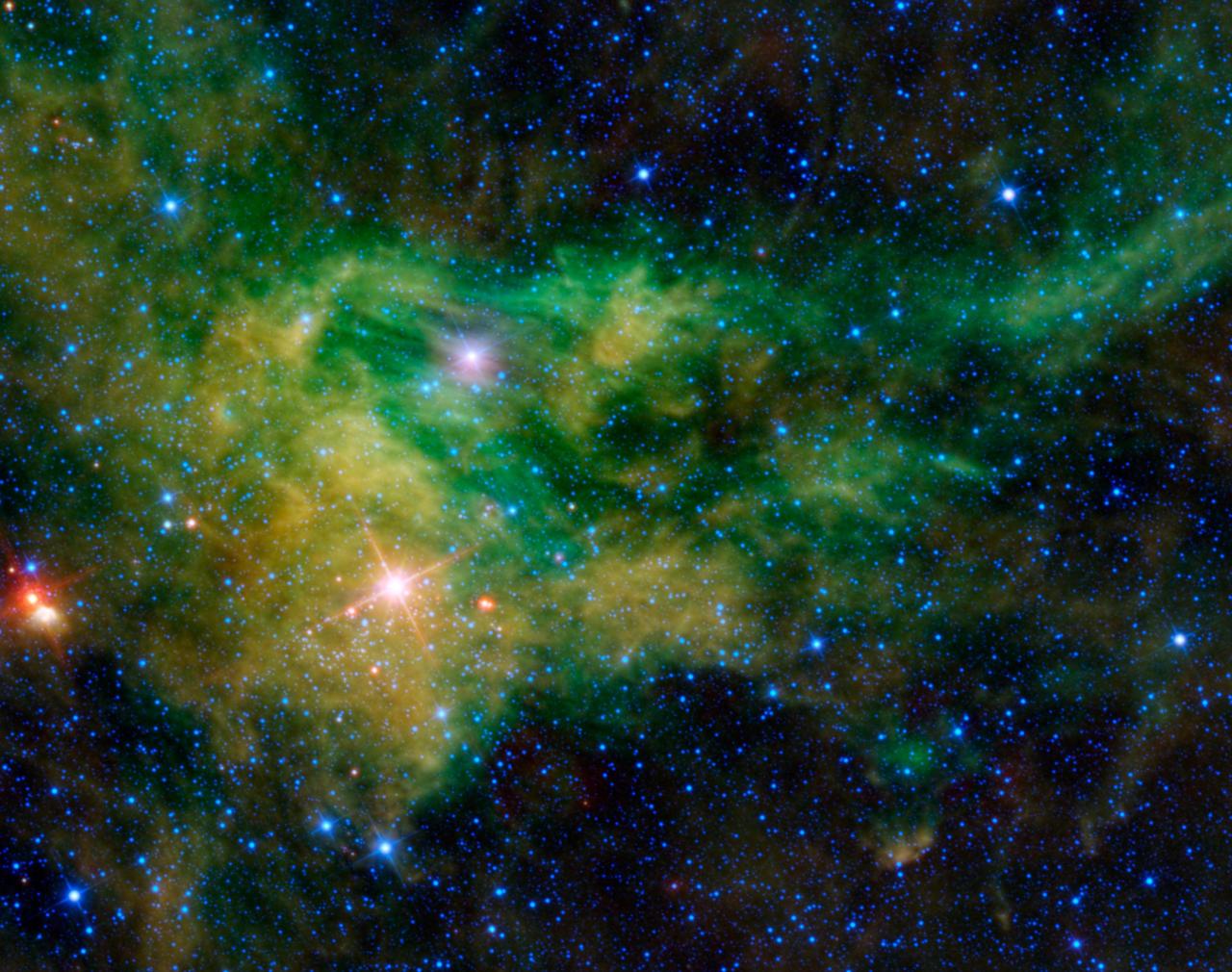
Night sky filled with stars and the Milky Way — 2027 astronomy events calendar

Astronomy Calendar · 2027

Astronomy Events Calendar 2027: Complete Guide to Eclipses, Meteor Showers, and Planet Alignments

2027 delivers one of the decade's most anticipated celestial events: a total solar eclipse spanning North Africa, the Middle East, and southern Spain on August 2. But the year also offers four bright lunar eclipses, a spectacular Mars opposition, and the reliable return of the Perseid and Geminid meteor showers. This month-by-month calendar covers every major event with exact dates, viewing conditions, and equipment recommendations.

Total solar eclipseAugust 2, 2027
Lunar eclipses4 (2 total, 2 partial)
Major meteor showers10+ peak nights
Planet oppositionsMars, Jupiter, Saturn
By Telescope Advisor Editorial Team Published: Updated: Editorial Standards

Quick Answer: What Are the Biggest Sky Events of 2027?

The total solar eclipse on August 2, 2027, is the headline event of 2027 — the path of totality crosses Morocco, Spain (including Gibraltar and southern coastal cities), Algeria, Tunisia, Libya, Egypt, Saudi Arabia, and Yemen. This is the most accessible total solar eclipse for European observers since 1999. The year also features four lunar eclipses (two total, two partial), excellent Mars observing conditions at opposition on February 19, and a fine Saturn opposition on August 14.

For meteor shower enthusiasts, the Quadrantids (January 3–4), Perseids (August 12–13), and Geminids (December 14–15) all occur under favorable Moon conditions, offering peak rates of 80–120+ meteors per hour. The Lyrids (April 22–23) and Orionids (October 21–22) are also well placed.

The best all-round telescope for 2027 events is a 130mm tabletop Dobsonian like the Sky-Watcher Heritage 130P — wide enough for deep-sky observing during meteor showers, portable for eclipse travel, and with enough aperture for excellent planetary views of Mars at opposition. For the August 2 solar eclipse, ISO-certified eclipse glasses and a solar filter for your telescope are mandatory.

🔭

Not sure which telescope actually fits your goals?

Answer 5 quick questions about your budget, observing targets, and experience level — our Telescope Finder Tool recommends a specific model in under 2 minutes.

Find My Telescope →

2027 at a Glance: Top Events Calendar

2027 is an exceptional year for astronomy, headlined by a total solar eclipse that traverses some of the most accessible regions for European and North African observers. Here is the full list of major events with exact dates.

Date (2027) Event Viewing Conditions Best For
Jan 3–4 Quadrantid Meteor Shower peak Excellent — Moon-free Meteor watching
Feb 19 Mars at opposition Excellent — high altitude Planet observing
Apr 22–23 Lyrid Meteor Shower peak Excellent — Moon-free Meteor watching
May 5–6 Eta Aquarid Meteor Shower peak Fair — some moonlight Meteor watching (Southern)
Jun 10 Venus – Jupiter conjunction Excellent evening event Naked eye / binoculars
Jul 6–7 Partial lunar eclipse Good — Americas, Europe Naked eye / binoculars
Aug 2 Total Solar Eclipse Prime — clear season Eclipse glasses + solar filter
Aug 12–13 Perseid Meteor Shower peak Excellent — Moon-free Meteor watching
Aug 14 Saturn at opposition Excellent — high altitude Planet observing
Oct 21–22 Orionid Meteor Shower peak Good — waning gibbous Meteor watching
Nov 10 Total lunar eclipse Excellent — Americas, Asia Naked eye / binoculars
Dec 14–15 Geminid Meteor Shower peak Excellent — Moon-free Meteor watching

Total Solar Eclipse — August 2, 2027

The total solar eclipse of August 2, 2027, is the most anticipated European-accessible total eclipse since 1999. The path of totality crosses Morocco, southern Spain (including the Costa del Sol, Gibraltar, and Almería), Algeria, Tunisia, Libya, Egypt, Saudi Arabia, and Yemen. For European observers, this is a once-in-a-generation opportunity: totality occurs near sunset in Spain, with the eclipsed Sun low over the Mediterranean — a potentially spectacular photographic scenario.

Maximum totality duration is approximately 4 minutes 23 seconds in Egypt, dropping to about 2 minutes in southern Spain. The Sun is relatively low in the western sky (15–25° altitude for Spain, higher for North Africa and the Middle East), which means foreground landscape photography opportunities are exceptional but horizon haze and atmospheric extinction must be considered.

Essential safety — solar filters and eclipse glasses are mandatory

NEVER look directly at the Sun without proper eye protection. For the partial phases before and after totality, use ISO 12312-2 certified eclipse glasses. For telescope viewing, a front-mounted solar filter (such as the Celestron EclipSmart Universal Solar Filter) is essential. During the brief minutes of totality, when the Moon completely blocks the Sun's disk, it is safe to view with the naked eye — but be ready to replace eye protection the instant totality ends. We recommend the Helioclipse Eclipse Glasses 12-Pack for groups and the Celestron EclipSmart 70mm Solar Filter for telescope users.

Path of totality highlights

  • Morocco: Tangier, Casablanca, Rabat — totality near midday, excellent odds
  • Spain: Almería, Granada (partial), Gibraltar — totality near sunset, dramatic low-angle views
  • Egypt: Luxor, Aswan — longest duration (~4 min 23 sec)
  • Saudi Arabia: Mecca, Riyadh — high altitude, clear desert skies

Weather outlook by region

  • Spain coast: ~60–70% clear-sky probability in August (Mediterranean summer)
  • Morocco coast: ~70–80% clear-sky probability
  • Egypt (interior): >90% clear-sky probability — best odds for photography
  • Arabian Peninsula: >90% clear-sky probability, but extreme heat

If you are planning to travel for this eclipse, book accommodation and transport as early as possible. The path of totality passes through several major tourist destinations, and viewing sites near the centerline will be crowded. Consider the southern Spain option if you prefer European infrastructure and cuisine; consider Egypt if maximum totality duration is your priority.

Lunar Eclipses 2027

2027 features four lunar eclipses: two total (visible from the Americas and Asia) and two partial (visible from Europe and Africa). Lunar eclipses are the easiest astronomical events to observe — they require no equipment, no eye protection, and are visible from anywhere the Moon is above the horizon.

Date Type Visibility Duration
Jul 6–7 Partial lunar eclipse Americas, Europe, Africa, Middle East ~2 hr 45 min partial phase
Nov 10 Total lunar eclipse Americas, Asia, Australia, Pacific ~3 hr 40 min total phase (~1 hr 20 min totality)
Dec 30–31 Partial lunar eclipse Europe, Africa, Asia, Australia ~2 hr partial phase

The total lunar eclipse of November 10, 2027 is the year's best lunar event. Totality lasts over an hour, and the Moon will be well placed for North American observers in the pre-dawn hours. During totality, the Moon often takes on a striking red-orange hue (the "Blood Moon" effect) caused by sunlight refracting through Earth's atmosphere.

Meteor Showers 2027

2027 is a superb year for meteor shower observers, with several major showers peaking under dark, moonless skies. The Quadrantids, Lyrids, Perseids, and Geminids all benefit from favorable Moon phases — a rare alignment that promises excellent viewing conditions for each.

Shower 2027 Peak ZHR Moon Phase Rating
Quadrantids Jan 3–4 80–120 Waning crescent (no Moon after midnight) Excellent
Lyrids Apr 22–23 15–20 New Moon (dark skies all night) Excellent
Eta Aquarids May 5–6 40–60 Waxing gibbous (some interference) Fair
Perseids Aug 12–13 100–120 Waxing gibbous (sets ~midnight) Excellent post-midnight
Orionids Oct 21–22 15–25 Waning gibbous (Moon rises late) Good
Leonids Nov 17–18 15–20 Waning gibbous (some interference) Fair
Geminids Dec 14–15 120–150 Waning crescent (no Moon after midnight) Excellent

The Perseids remain the most popular shower because of warm August weather, and in 2027 they peak under excellent conditions: the waxing gibbous Moon sets around midnight, leaving the peak pre-dawn hours dark. The Geminids in December benefit from a waning crescent Moon that does not interfere with post-midnight viewing. The Quadrantids in January offer high rates but an extremely narrow peak window of only a few hours.

Planetary Events: Oppositions & Conjunctions

2027 offers excellent planetary observing, headlined by a favorable Mars opposition on February 19. Mars reaches opposition roughly every 26 months, and the 2027 opposition is a good one: the Red Planet shines at magnitude −1.2 and appears 14.6 arcseconds across — large enough to reveal the polar ice cap and dark albedo features like Syrtis Major in a 6-inch or larger telescope.

Mars opposition — Feb 19

Mars is in Leo during this opposition, reaching an altitude of 55–75° for Northern Hemisphere observers. The planet is visible all night, rising at sunset and setting at sunrise. This is the best time in 2027 to observe Mars surface detail through a telescope at 150–200× magnification. A red #25 filter enhances contrast of the polar cap and dark surface features.

Saturn opposition — Aug 14

Saturn reaches opposition in Aquarius, and its rings are tilted approximately 12° toward Earth in 2027 — a significant improvement over the near-edge-on view of 2024–2025. Saturn's rings are dramatically visible in any telescope at 50× or higher, and the Cassini Division is easily resolved in a 4-inch or larger scope. Saturn's largest moon, Titan (magnitude 8.4), is visible in binoculars or small telescopes.

Jupiter opposition — Sep 24

Jupiter reaches opposition in Pisces, shining at magnitude −2.9 with an apparent diameter of 48 arcseconds. The planet is well placed for evening observing through the autumn months. Jupiter's four Galilean moons, its two main equatorial belts, and the Great Red Spot are all visible in a 70mm or larger telescope at 80–120× magnification.

Notable conjunctions in 2027: Venus and Jupiter appear within 2° of each other on June 10, 2027, offering a fine evening conjunction similar to the June 2026 event. Venus and Mars pair up on July 21, 2027, and Venus passes very close to Saturn on October 7, 2027. These events are all visible to the naked eye and are spectacular in binoculars.

Month-by-Month Breakdown

January 2027

The year opens with the Quadrantid meteor shower (peak January 3–4), one of the year's best meteor showers but with an exceptionally narrow peak window of only 4–6 hours. The radiant rises in the north-northeast after midnight, and the waning crescent Moon provides dark skies. Venus dominates the evening sky all month, and Mercury has a good evening apparition in the second half of January.

February 2027

Mars reaches opposition on February 19 — the planetary highlight of the first half of 2027. Mars is visible all night, reaching its highest point around midnight. Even a 4-inch telescope reveals the dark albedo markings and the south polar cap. This is an excellent month for planetary sketching and imaging.

March 2027

The spring equinox occurs on March 20. Mars remains well placed in the evening sky early in the month but fades as it moves away from opposition. Jupiter and Saturn are morning objects, rising before dawn. The zodiacal light is visible in the western evening sky for Northern Hemisphere observers during the two weeks following the equinox.

April 2027

The Lyrid meteor shower peaks on April 22–23 under dark skies (New Moon). The Lyrids are a medium-strength shower producing 15–20 meteors per hour, with occasional bright fireballs. Venus is brilliant in the evening sky all month. Saturn begins to rise earlier in the pre-dawn hours, becoming more accessible.

May 2027

The Eta Aquarid meteor shower peaks May 5–6, best seen from the Southern Hemisphere and tropical latitudes. This shower produces fast, long-lasting meteors from the debris of Halley's Comet. Jupiter emerges into the morning sky, and Saturn becomes visible in the late evening.

June 2027

Venus and Jupiter meet in a close conjunction on June 10, 2027, in the western evening sky — an event similar to the spectacular June 2026 conjunction. Both planets fit in a single binocular field. The summer solstice occurs on June 21, marking the longest day of the year in the Northern Hemisphere.

July 2027

A partial lunar eclipse occurs on July 6–7, visible from the Americas, Europe, and Africa. Saturn reaches its highest point around midnight in July, offering excellent views of the ring system. The Delta Aquarid meteor shower is active from mid-July through August, producing 15–20 meteors per hour.

August 2027

The total solar eclipse on August 2 is the year's signature event. The Perseid meteor shower peaks August 12–13 under dark conditions after midnight. Saturn reaches opposition on August 14, offering the year's best views of the ringed planet. This is the most event-filled month of the year for astronomy.

September 2027

Jupiter reaches opposition on September 24, offering excellent evening views through the autumn. The autumn equinox occurs on September 23. Neptune is at opposition on September 15, visible in binoculars as a tiny blue-green dot. The evening Milky Way is magnificent through wide-field telescopes.

October 2027

The Orionid meteor shower peaks October 21–22, produced by debris from Halley's Comet. Venus and Saturn have a close conjunction on October 7. Orion rises in the late evening, signaling the return of winter deep-sky objects. Uranus reaches opposition on October 30, visible in binoculars as a tiny greenish disk.

November 2027

The total lunar eclipse of November 10 is visible across the Americas, Asia, and Australia — a spectacular event with over an hour of totality. The Leonid meteor shower peaks November 17–18 but faces some moonlight interference. Mars returns to the morning sky, and the Pleiades cluster is prominent all night.

December 2027

The year closes with the Geminid meteor shower (peak December 14–15), producing up to 120–150 meteors per hour under dark skies. A partial lunar eclipse on December 30–31 is visible from Europe, Africa, and Asia — a fitting end to an eventful year. The winter solstice occurs on December 22.

Best Equipment for 2027 Events

Different events call for different equipment. A versatile all-rounder telescope paired with the right accessories will cover most of what 2027 offers. Here are our recommendations for the year's key observing needs.

Editor's Pick — Best All-Round Telescope for 2027
Sky-Watcher Heritage 130P Flextube — best all-round telescope for 2027 astronomy events

Sky-Watcher Heritage 130P Flextube

130mm aperture 650mm focal length Collapsible & portable Great for deep-sky & planets

The Heritage 130P is the ideal telescope for the diverse range of 2027 events. Its 130mm aperture gathers enough light for excellent deep-sky views of nebulae and star clusters during meteor shower nights, while its 650mm focal length (f/5) provides the wide field needed to frame the Andromeda Galaxy and the Pleiades. For planetary observing at Mars opposition, the 130P at 130× (using a 5mm eyepiece) reveals the polar cap and dark surface markings. The collapsible tube design makes it genuinely portable for eclipse travel. Set it on a picnic table in Spain for the August 2 eclipse, and you have a capable solar-observing platform with a proper front-mounted filter.

For the August 2 solar eclipse: Pair this scope with the Celestron EclipSmart Universal Solar Filter (B0CH45ZBKV) for safe solar viewing. The 130mm aperture delivers stunning detail of sunspot groups and the gradual progression of the Moon across the Sun's disk.

Celestron AstroMaster 70AZ — budget telescope for 2027 astronomy events

Celestron AstroMaster 70AZ — Best budget pick

70mm aperture 900mm focal length Alt-az mount Budget-friendly

The AstroMaster 70AZ is the most affordable way to observe 2027's major events. Its 70mm aperture shows Jupiter's cloud bands and Galilean moons, Saturn's rings, and the Moon in beautiful detail. During the August 2 solar eclipse, a properly fitted solar filter transforms it into an excellent solar telescope. The pre-assembled tripod and mount make it a true grab-and-go instrument for quick observing sessions.

Best for: Beginners and casual observers who want a reliable, low-cost telescope for lunar, planetary, and solar observing throughout 2027.

Sky-Watcher Classic 200P — large aperture telescope for 2027 deep-sky events

Sky-Watcher Classic 200P Dobsonian (8-inch) — Best for deep-sky & planets

203mm aperture 1200mm focal length 2" focuser Push-to mount

For serious observers who want the best possible views of Mars at opposition, Saturn's rings, and deep-sky objects throughout 2027, the 8-inch Dobsonian delivers. At 200× magnification, Mars shows the polar cap, Syrtis Major, and other dark albedo features. Saturn's rings are breathtaking with the Cassini Division clearly split. Deep-sky objects like the Orion Nebula, Andromeda Galaxy, and the Hercules Cluster are rendered in stunning detail. The push-to mount is simple and reliable, making this a straightforward scope to use for a lifetime of observing.

Editor's Pick — Solar Eclipse Safety Essentials
Helioclipse Eclipse Glasses 12-Pack — ISO 12312-2 certified solar eclipse glasses

Helioclipse Eclipse Glasses (12-Pack)

ISO 12312-2 certified 12 pairs Safe for direct solar viewing Perfect for groups

The August 2, 2027 total solar eclipse demands proper eye protection. The Helioclipse Eclipse Glasses 12-Pack provides ISO 12312-2 certified safe viewing for family groups or small travel parties. These glasses block 99.999% of the Sun's intense visible and infrared radiation, making them safe for directly viewing the partial phases of the eclipse. During totality (when the Sun is completely covered), you can safely remove them to view the corona, but be ready to put them back on the instant the Sun reappears. We recommend ordering well in advance, as eclipse glasses often sell out in the weeks before major eclipses.

For telescope solar filters: The Celestron EclipSmart Universal Solar Filter (B0CH45ZBKV) is our top pick for safe telescope solar viewing and photography.

Use the Amazon link above to check the current price. Prices and availability subject to change. All product links are affiliate links — see our editorial standards for our review process.

Astronomy Events 2027 — FAQ

What are the biggest astronomy events in 2027?

The biggest event is the total solar eclipse on August 2, 2027, visible from Morocco, Spain, North Africa, and the Middle East. Other major events include Mars opposition on February 19, Saturn opposition on August 14, Jupiter opposition on September 24, the total lunar eclipse on November 10, and the Perseid (Aug 12–13) and Geminid (Dec 14–15) meteor showers.

When is the total solar eclipse in 2027?

The total solar eclipse of 2027 occurs on August 2, 2027. The path of totality crosses Morocco, southern Spain, Algeria, Tunisia, Libya, Egypt, Saudi Arabia, and Yemen. Maximum totality duration is approximately 4 minutes 23 seconds in Egypt.

Are there any lunar eclipses in 2027?

Yes, there are three lunar eclipses in 2027: a partial lunar eclipse on July 6–7 (visible from the Americas, Europe, and Africa); a total lunar eclipse on November 10 (visible from the Americas, Asia, and Australia); and another partial lunar eclipse on December 30–31 (visible from Europe, Africa, and Asia).

When is the best time to see Mars in 2027?

Mars reaches opposition on February 19, 2027, when it is closest to Earth and visible all night. The weeks immediately before and after opposition offer the best views of surface detail through a telescope. Mars shines at magnitude −1.2 and appears 14.6 arcseconds across.

What meteor showers peak in 2027?

Major 2027 meteor showers include the Quadrantids (Jan 3–4), Lyrids (Apr 22–23), Eta Aquarids (May 5–6), Perseids (Aug 12–13), Orionids (Oct 21–22), Leonids (Nov 17–18), and Geminids (Dec 14–15). The Quadrantids, Lyrids, Perseids, and Geminids all peak under favorable Moon conditions in 2027.

What is the best telescope for 2027 events?

The Sky-Watcher Heritage 130P Flextube is our top all-round pick for 2027. Its 130mm aperture, short focal length, and portability make it suitable for deep-sky observing during meteor showers, planetary viewing at Mars opposition, and solar observing with a proper filter during the August 2 eclipse.

When is the Venus-Jupiter conjunction in 2027?

Venus and Jupiter have a close conjunction on June 10, 2027, when they appear within approximately 2° of each other in the western evening sky. This is a fine naked-eye and binocular event, similar to the June 2026 conjunction.

What is the longest total solar eclipse of 2027?

The total solar eclipse of August 2, 2027, reaches a maximum duration of 4 minutes 23 seconds near Luxor, Egypt. Duration decreases as you move east or west of the point of maximum eclipse. In southern Spain, totality lasts approximately 2 minutes.
Related Guides