
Edinburgh Eclipse 2026: Partial Solar Eclipse Guide — Times and Scotland Viewing | Telescope Advisor
Telescope Advisor Logo Telescope Advisor
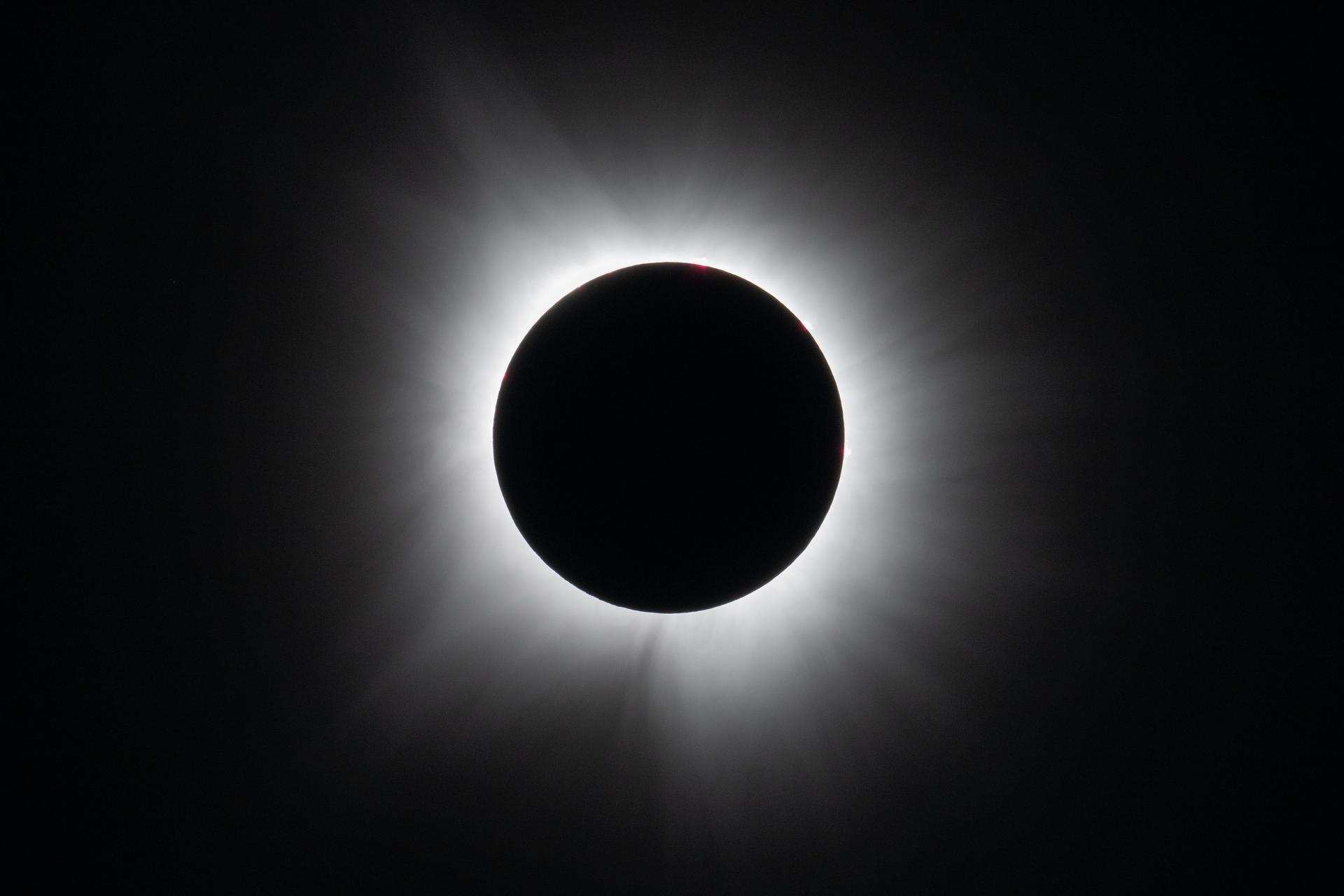
Total solar eclipse corona — what the partial eclipse over Edinburgh will look like with proper solar viewing equipment

Eclipse Guide · Edinburgh · August 2026

Edinburgh Eclipse 2026: Partial Solar Eclipse Guide — Times, Locations, and Viewing Tips for Scotland

On August 12, 2026, Edinburgh will experience a deep partial solar eclipse, with the Moon covering approximately 85% of the Sun's disk at maximum. This guide provides the exact timings for Edinburgh, the best city viewing spots, advice on dealing with the low-sun challenge near sunset, and the essential safety equipment you need.

DateAugust 12, 2026
Max. coverage~85% partial
Sunset timingEclipse near sunset
SafetyISO 12312-2 glasses required
By Telescope Advisor Editorial Team Published: Updated: Editorial Standards

Quick Answer: When Is the Eclipse in Edinburgh on August 12, 2026?

For Edinburgh, the partial solar eclipse runs from approximately 6:30 PM to 8:25 PM BST on August 12, 2026, with maximum coverage (~85%) occurring around 7:35 PM BST. The eclipse begins with the first small "bite" taken out of the Sun's lower-right edge at 6:30 PM. By 7:35 PM, about 85% of the Sun is covered by the Moon, creating a dramatic crescent Sun. The Sun then sets while still partially eclipsed at approximately 8:25 PM, making the final phase a low-altitude event near the western horizon.

The low-sun challenge: Because the eclipse occurs late in the day near sunset, the Sun will be low in the west-northwest sky during the entire event. At maximum eclipse (~7:35 PM BST), the Sun will be only about 10–12° above the horizon. This means you need an unobstructed western horizon — hills, buildings, and trees to the west will block the view. Arthur's Seat, Calton Hill, and the Firth of Forth coastline offer the best sightlines.

Naked eye (with eclipse glasses)

ISO 12312-2 certified eclipse glasses are essential for viewing the partial phases. Even 85% coverage leaves enough sunlight to cause permanent eye damage without proper protection. The naked-eye view through glasses shows a beautiful crescent Sun.

Solar binoculars (best view)

ISO-certified solar binoculars like the Celestron EclipSmart 12×50 are the best tool for this event. They provide a magnified, safe view of the crescent Sun, and their wide field keeps the entire disk in view as the eclipse progresses.

Telescope (with solar filter)

A telescope with a front-mounted solar filter reveals sunspot groups and the detailed progression of the Moon's edge across the solar surface. This is the view for serious eclipse enthusiasts.

🔭

Not sure which telescope actually fits your goals?

Answer 5 quick questions about your budget, observing targets, and experience level — our Telescope Finder Tool recommends a specific model in under 2 minutes.

Find My Telescope →

Exact Edinburgh Timing & What 85% Coverage Looks Like

For Edinburgh, the eclipse begins in the early evening when the Sun is still relatively high, but by maximum coverage the Sun is low in the west. Here are the exact times for Edinburgh on August 12, 2026.

Phase Time (BST) Sun Altitude What You See
Eclipse begins (first contact) 6:30 PM BST ~20° A small dark "bite" appears on the lower-right edge of the Sun. The change is subtle at first.
Maximum eclipse 7:35 PM BST ~10° 85% of the Sun is covered. The Sun appears as a dramatic thin crescent. The light dims noticeably — the quality of light becomes eerily "silvery."
Eclipse ends (Sunset) ~8:25 PM BST 0° (horizon) The Sun sets while still partially eclipsed. The final minutes show the crescent Sun sinking below the western horizon — a spectacular sight if the horizon is clear.

What 85% coverage means for Edinburgh

An 85% partial eclipse is a deep partial, but it is NOT the same as totality. Even at maximum coverage, 15% of the Sun remains exposed, which is still far too bright to view without eye protection. You will NOT see the solar corona, the sky will NOT go dark, and stars will NOT appear. What you WILL see is a dramatic crescent Sun and a noticeable dimming of the daylight. The quality of light becomes unusually flat and silvery — similar to the light just before a severe summer thunderstorm. Photographers often describe the colour temperature shifting noticeably toward the blue end of the spectrum.

Because the Sun sets while still in eclipse, the final moments are particularly photogenic. As the crescent Sun approaches the horizon, atmospheric extinction dims it further, potentially allowing brief naked-eye glimpses of the crescent through thicker haze near the horizon — but always err on the side of safety and keep your eclipse glasses on for the partial phases.

The Low-Sun Challenge: Why Edinburgh's Sunset Eclipse Is Tricky

Edinburgh's high northern latitude (55.95° N) means the August Sun follows a low arc across the southern sky. By 7:35 PM BST, the Sun is at only about 10° altitude — less than one fist held at arm's length above the horizon. This creates several challenges for eclipse observers.

Challenge: Horizon obstructions

At 10° altitude, any building, hill, or tree to the west-northwest will block the view. Edinburgh's topography is hilly, and many residential areas face hills or neighbouring buildings to the west. A location with a clear view of the Pentland Hills skyline or the Firth of Forth is essential.

Challenge: Atmospheric extinction and turbulence

When the Sun is within 10° of the horizon, its light passes through a much thicker column of air. This dims the Sun (which is good for safety), but it also introduces atmospheric turbulence that blurs the image in telescopes and binoculars. The Sun may appear to shimmer or ripple at high magnification.

Site selection is everything — scout west-facing locations in advance

Visit your proposed viewing location on a clear evening a few days before August 12 to confirm the Sun's setting point is unobstructed. The Sun sets at approximately 300° azimuth (west-northwest) in Edinburgh in mid-August. A compass app on your phone will help you identify the correct direction. If trees or buildings block the view at the horizon, find a higher vantage point.

Weather Odds & Cloud Cover in Edinburgh

Let us address the elephant in the room: Edinburgh in August has a reputation for clouds and rain. The statistical reality is that mid-August in Edinburgh offers roughly 40–50% probability of clear or partly clear skies around sunset, based on historical weather data for the Lothians region. This is not ideal, but it is far from hopeless — and there are practical steps you can take to improve your odds.

Cloud cover statistics for Edinburgh in August

  • Clear skies: ~15% of August evenings
  • Partly cloudy: ~30% of August evenings (may still allow viewing through breaks)
  • Overcast: ~55% of August evenings
  • Best chance: After a stable high-pressure system settles over the North Sea
  • Worst chance: Atlantic fronts pushing in from the west (most common pattern)

Weather strategies for eclipse day

  • Monitor forecasts from the Met Office (metoffice.gov.uk) from August 8 onward
  • Have a plan B location — if Edinburgh is overcast, consider driving east toward Dunbar or North Berwick, where coastal cloud patterns differ
  • Check satellite imagery on the day using the Met Office infrared satellite loop
  • High ground helps — hills like Arthur's Seat or Allermuir Hill may be above low-lying coastal cloud
  • Be ready to relocate quickly — a 15–20 minute drive east can mean the difference between overcast and clear

The eclipse occurs near sunset, which works in your favour: August evening cloud in Edinburgh often breaks up as the day cools, and the "sunset gap" — a tendency for cloud to thin near the horizon at sunset — is a real phenomenon in coastal climates. Even if the sky overhead is mostly cloudy, there may be a clear slot near the western horizon through which the eclipsed Sun can be seen during its final minutes.

Best City Viewing Spots in Edinburgh

Edinburgh offers several excellent locations for eclipse viewing, provided they have a clear western horizon. Here are our top recommendations, ranked by the quality of their horizon view.

1. Arthur's Seat summit

The highest point in central Edinburgh (251m) offers a panoramic 360° view. The western horizon from the summit overlooks the Pentland Hills and the Firth of Forth. The hike to the top takes 20–30 minutes, so plan to reach the summit by 6:00 PM. This is the best location in the city for the eclipse, but it will be crowded and exposed to wind. Bring warm clothing even on a mild August evening.

2. Calton Hill

Calton Hill (103m) is easier to reach than Arthur's Seat and offers an excellent west-northwest view over the New Town toward the Firth of Forth. The iconic monuments (Nelson Monument, National Monument) provide dramatic foreground elements for photographs. Accessible in 5–10 minutes from Princes Street.

3. Portobello Beach / Seafield

The Firth of Forth coastline east of the city centre offers a completely unobstructed western horizon over the water. Portobello Beach provides a flat, accessible viewing platform with the Forth bridges visible in the distance to the west. This is the best choice for photographers who want to capture the crescent Sun setting over the sea.

4. Holyrood Park

The lower slopes of Holyrood Park, particularly around Duddingston Loch and the Queen's Drive, offer good western views without the climb to Arthur's Seat. The car park near Holyrood Palace provides easy access, but arrive early as spaces are limited.

Bonus location: North Berwick Law (East Lothian)

If you are willing to drive 30–40 minutes east of Edinburgh, the summit of North Berwick Law (187m) offers a spectacular western view over the Firth of Forth with the Bass Rock in the foreground. The parking area at the base is small, so arrive early. The walk to the summit is a moderate 15-minute climb.

Edinburgh vs. London vs. Glasgow — How Coverage Compares Across the UK

Because the August 12, 2026 partial eclipse is visible across the entire UK, but with significantly different coverage percentages from south to north, it is useful to compare what each major city will see.

City Max. Coverage Max. Time Sun Altitude at Max Sunset Time
London ~92% ~7:20 PM BST ~15° ~8:25 PM BST
Manchester ~90% ~7:25 PM BST ~12° ~8:30 PM BST
Glasgow ~87% ~7:30 PM BST ~10° ~8:40 PM BST
Edinburgh ~85% ~7:35 PM BST ~10° ~8:25 PM BST
Aberdeen ~82% ~7:40 PM BST ~8° ~8:45 PM BST
Inverness ~80% ~7:45 PM BST ~7° ~8:55 PM BST

As the table shows, coverage decreases as you move north. London gets 92% coverage with the Sun at a more comfortable 15° altitude; Edinburgh receives 85% with the Sun at a challenging 10°. Despite the lower coverage, Edinburgh's eclipse is still a dramatic event — 85% is more than enough to produce a strikingly thin solar crescent and a noticeable dimming of the daylight. The lower altitude means the Sun is dimmer (reduced glare) and potentially more colourful through atmospheric refraction, but it also means you need a clear western horizon more urgently than London observers do.

Solar Photography from Scotland

Photographing the partial eclipse from Edinburgh presents both challenges and unique opportunities. The low Sun near sunset offers compositional possibilities that a midday eclipse cannot match.

Smartphone with eclipse glasses

  • ✓ Hold eclipse glasses over your phone camera lens
  • ✓ Use the telephoto lens if available (2× or 3× optical zoom)
  • ✓ Tap to lock focus and exposure on the Sun
  • ✓ Lower exposure compensation (−1 to −2 EV) to avoid overexposure
  • ✓ Frame the crescent Sun above the Edinburgh skyline for context

DSLR with telephoto lens

  • ✓ 200–400mm lens with a solar filter over the front of the lens
  • ✓ Remove the solar filter only during brief maximum if shooting corona (NOT for partial)
  • ✓ ISO 100–400, f/8–f/11, 1/250–1/1000 sec shutter
  • ✓ Use a sturdy tripod — the low Sun means long lenses magnify camera shake
  • ✓ Shoot in RAW for white balance flexibility

Creative landscape composition

  • ✓ Use a foreground silhouette — Arthur's Seat, Calton Hill monuments, Forth Bridges
  • ✓ Position yourself so the crescent Sun aligns with a landmark
  • ✓ Include the Firth of Forth for reflections (but never point at the Sun through the viewfinder)
  • ✓ Bracketing exposures helps capture both the Sun and the twilight landscape
Safety first for solar photography: NEVER look through the camera's optical viewfinder at the Sun without a solar filter over the front of the lens. This is true for both DSLR and mirrorless cameras. Use live view on the rear screen instead. For smartphones, the eclipse glasses held over the lens are adequate, but dedicated solar filter film is better. Remember that the camera sensor can also be damaged by prolonged exposure to the magnified Sun, so keep exposures short and use live view sparingly.

Essential Safety Equipment for the Edinburgh Eclipse

Safe solar viewing is non-negotiable. Never look directly at the Sun without proper eye protection. For the August 12 partial eclipse from Edinburgh, you will need ISO-certified eclipse glasses or solar binoculars. Here are our top safety picks.

Editor's Pick — Best for Families & Groups
Helioclipse Eclipse Glasses 12-Pack — ISO 12312-2 certified solar viewing glasses

Helioclipse Eclipse Glasses (12-Pack)

ISO 12312-2 certified 12 pairs Safe for direct solar viewing Perfect for groups

The Helioclipse Eclipse Glasses 12-Pack is the ideal solution for families, small groups, or anyone hosting an eclipse-watching gathering in Edinburgh. Each pair meets the ISO 12312-2 international safety standard, blocking 99.999% of the Sun's intense visible and infrared radiation. The cardboard frames are lightweight and comfortable to wear over regular eyeglasses. For an 85% partial eclipse like Edinburgh's, these glasses are the minimum essential equipment — never attempt to view even a sliver of the exposed Sun without certified eye protection.

Tip for Edinburgh observers: The Sun will be low and relatively dim near sunset, making the remaining 15% of the exposed disk deceptive — it still emits enough ultraviolet and infrared energy to cause permanent retinal damage in seconds. Wear your eclipse glasses throughout the entire partial phase.

Celestron EclipSmart 12x50 Solar Binoculars — safe solar viewing binoculars for Edinburgh eclipse

Celestron EclipSmart 12×50 Solar Binoculars — Best magnified view

12× magnification Integrated solar filter ISO certified Handheld solar viewing

These dedicated solar binoculars have permanently mounted ISO-certified solar filters built into the objective lenses, making them safe for direct solar viewing at all times. The 12× magnification reveals the crescent Sun in beautiful detail, showing the irregular edge of the lunar limb as it crosses the solar disk. The 50mm objectives provide a bright, clear image even in the low-altitude, hazy conditions of Edinburgh's sunset eclipse. Unlike DIY solar filter solutions, the EclipSmart binoculars cannot be used for nighttime observing — they are a dedicated solar instrument, which means no risk of accidentally removing a filter.

Where to buy in Edinburgh: These binoculars are available on Amazon UK (delivery within the UK) and may also be stocked by specialist astronomy retailers like Rother Valley Optics or Harrison Telescopes.

Use the Amazon link above to check the current price. Prices and availability subject to change. All product links are affiliate links — see our editorial standards for our review process.

Edinburgh Eclipse 2026 — FAQ

What time is the eclipse in Edinburgh on August 12, 2026?

The partial solar eclipse begins in Edinburgh at approximately 6:30 PM BST, reaches maximum coverage (~85%) at 7:35 PM BST, and ends at sunset around 8:25 PM BST when the still-eclipsed Sun sinks below the western horizon.

How much of the Sun will be covered in Edinburgh?

Edinburgh will see approximately 85% of the Sun covered by the Moon at maximum eclipse. This creates a dramatic crescent Sun but is still a partial eclipse — the sky will not go dark and the corona will not be visible.

Do I need eclipse glasses in Edinburgh?

Yes, absolutely. Even with 85% of the Sun covered, the remaining 15% is still bright enough to cause permanent eye damage. You must use ISO 12312-2 certified eclipse glasses or a solar filter for any direct viewing of the partial phases.

Where are the best places in Edinburgh to watch the eclipse?

The best locations are those with a clear, unobstructed western horizon. Arthur's Seat summit, Calton Hill, and Portobello Beach are our top picks. Holyrood Park and the coastline at Seafield also offer good views. Avoid areas where buildings or hills block the west-northwest horizon.

Will the sky go dark during the eclipse in Edinburgh?

No. Even at 85% coverage, the remaining 15% of the Sun provides enough light to keep the sky bright. You will notice a dimming of daylight and a change in the quality of light to a silvery hue, similar to the light before a summer thunderstorm. The sky will not darken enough for stars to appear.

What is the weather forecast for the eclipse in Edinburgh?

Mid-August in Edinburgh offers approximately a 40–50% probability of clear or partly clear skies around sunset. Monitor Met Office forecasts from August 8 onward and have a backup plan to drive east toward East Lothian if necessary. The coastal location works in your favour — sea breezes can push cloud inland, creating a clearer horizon view.

Can I photograph the eclipse with a smartphone in Edinburgh?

Yes. Hold ISO-certified eclipse glasses over your phone's lens and use your camera's telephoto or zoom function. The low Sun near Edinburgh's skyline offers excellent compositional opportunities. Use a tripod or rest your phone on a stable surface for sharp images.

Is 85% coverage worth watching, or should I travel to Spain for totality?

An 85% partial eclipse is absolutely worth watching — the thin crescent Sun is a striking sight. However, it is fundamentally different from totality. If you have the means to travel to Spain (where the path of totality crosses the Costa del Sol, Gibraltar, and Almería), the total eclipse experience is incomparably more dramatic. For those who cannot travel, Edinburgh's 85% partial is the next best thing and will be a memorable event.

Related Guides