London Eclipse 2026: Partial Solar Eclipse Times & Viewing Guide | Telescope Advisor
Telescope Advisor Logo Telescope Advisor
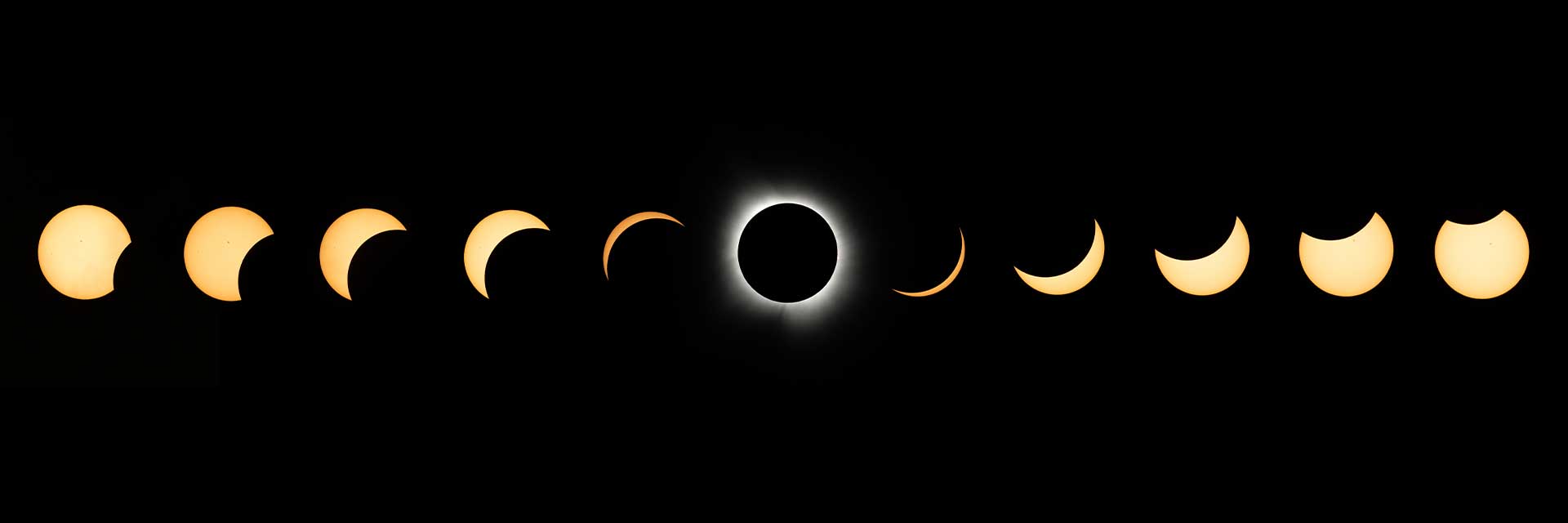
Partial solar eclipse progression composite — London will see an 87% partial eclipse at sunset on August 12, 2026

City Eclipse Guide · London · August 12, 2026

London Eclipse 2026: Partial Solar Eclipse Times & Viewing Guide

London will experience a deep partial solar eclipse on the evening of August 12, 2026, with approximately 87% of the Sun covered by the Moon at maximum. The eclipse occurs very close to sunset, making this a spectacular low-horizon event — but one that requires careful planning. The partially eclipsed Sun will set while still partially obscured, creating a unique visual effect that Londoners have not seen since 2015. Since London is not in the path of totality, the Sun will never be fully blocked, but the combination of deep partial eclipse plus sunset creates a memorable display.

Maximum coverage87.4%
Max time (BST)20:54 BST
Sunset20:54 BST (eclipse sets)
Sun altitude2° at maximum
By Telescope Advisor Editorial Team Published: Updated: Editorial Standards

London Eye Safety Warning

Never look directly at the Sun without ISO 12312-2 certified eclipse glasses. This applies at all times during the partial phases. Even at 87% coverage, the remaining sunlight is intense enough to cause permanent retinal damage. The low Sun near sunset does not reduce the danger — infrared and ultraviolet radiation are still present. See our best eclipse glasses guide for UK-available products.

Quick Answer: Will the Eclipse Be Visible From London?

Yes, London will see a deep 87.4% partial solar eclipse on the evening of August 12, 2026. The Moon will begin crossing the Sun at 19:48 BST, reaching maximum coverage at 20:54 BST, just as the Sun is setting in the west. The partially eclipsed Sun will then set at approximately 20:54 BST, making this a sunset eclipse — a rare and atmospheric combination. However, London is not in the path of totality, so the Sun will never be fully blocked. To see totality, you would need to travel to Spain or northern Iceland. This page covers exactly what Londoners can expect, where to watch, and how to stay safe.

Why This Sunset Eclipse Is Special

The last time London saw a comparable deep partial eclipse at sunset was March 20, 2015 (85% coverage). The next opportunity will not be until 2028. The low Sun means you can watch the eclipse without specialized solar filters on telescopes — ISO-certified glasses are still essential for your eyes — and the orange-red colour of the setting Sun makes for spectacular photographic compositions with London landmarks silhouetted against the eclipsed sunset.

London Eclipse Times (BST)

All times are in British Summer Time (BST = UTC+1), which is the local time in London. The eclipse runs from early evening until sunset, making it a perfect after-work viewing event.

EventTime (BST)Sun AltitudeWhat to Do
First contact (partial begins)19:48 BST14°Put on ISO-certified eclipse glasses. First notch appears on the Sun's upper edge.
50% coverage20:20 BSTThe Sun now appears as a crescent. Notice the dimming light and cooling air.
Maximum eclipse (87.4%)20:54 BSTPeak coverage. The Sun is a very thin crescent low in the west. This coincides with sunset.
Sunset (eclipse ends)20:54 BSTThe partially eclipsed Sun sets below the horizon. Last safe viewing through glasses.

The 2-Degree Challenge

At maximum eclipse, the Sun will be only 2 degrees above the western horizon — about the width of your two index fingers held together at arm's length. Any buildings, trees, or hills to the west will block the view entirely. An unobstructed western horizon is absolutely critical for seeing this eclipse from London.

Best London Viewing Locations

The key requirement is a low, unobstructed western horizon. Central London's skyline of tall buildings and narrow streets makes viewing from the city centre difficult. Here are the best locations ranked by horizon quality:

1. Parliament Hill, Hampstead Heath

Parliament Hill offers one of the best panoramic views in London, with an uninterrupted south-western horizon across the city. The hill rises approximately 30 metres above the surrounding area, giving you a clear sightline over the London skyline. The eclipse will be visible low in the west-north-west. Arrive by 19:00 BST to secure a good spot — this will be one of the most popular eclipse-viewing locations in London. Take the Northern line to Hampstead or Gospel Oak Overground station.

2. Greenwich Park (Royal Observatory)

The Royal Observatory in Greenwich Park has a strong astronomical tradition and offers an elevated position with good western views over the Thames. The observatory grounds are open until late in summer. The park is easily accessible by DLR (Cutty Sark or Greenwich stations) and offers one of the most atmospheric settings for viewing the eclipse, standing on the historic Prime Meridian line. The Royal Observatory may host a public viewing event — check their website closer to the date.

3. Primrose Hill

Primrose Hill, just north of Regent's Park, offers another excellent elevated viewpoint with panoramic views across London. The western horizon is reasonably clear over the rooftops of Camden and beyond. The hill is smaller than Parliament Hill but still provides the elevation needed to see over nearby buildings. Arrive early — this is a popular spot for sunset on any summer evening, and eclipse day will be exceptionally busy.

4. Richmond Park (Kingston Hill or Pembroke Lodge)

Richmond Park's elevated western edges offer some of the most open horizons within Greater London. Pembroke Lodge gardens in the park provide a panoramic view stretching from St Paul's Cathedral to Windsor Castle. The deer park setting creates a natural, countryside feel while still being accessible by Tube (Richmond station, then bus 65 or 371). The park closes at dusk, but the eclipse occurs before closing time.

5. Thames River Path (South Bank)

For a cityscape experience, the South Bank path between Waterloo Bridge and the London Eye offers a reasonably open western view along the Thames. The river provides a flat corridor to the west, and the Houses of Parliament and the London Eye create a stunning foreground for eclipse photography. You will need to position yourself carefully to avoid the river's south-bank buildings blocking the view. The area near the London Eye, looking west towards Vauxhall, offers the best sightlines.
London Weather in August & Eclipse Cloud Cover

August is one of London's more reliable summer months, but British weather is famously unpredictable. Historical Met Office data shows approximately 25–30% chance of clear skies at sunset on August 12 in London, with 40% partly cloudy and 30–35% overcast. The key challenge is that the Sun will be only 2 degrees above the horizon, so even thin cloud on the western horizon could obscure the view entirely.

The best strategy is to be mobile. Check the Met Office forecast and satellite imagery from 48 hours before the eclipse, and be prepared to relocate. If London is cloudy, the south coast (Brighton, Eastbourne, Dover) often has better evening cloud cover statistics in August, though you will need to factor in travel time. Within London itself, the western edges of the city (Richmond, Kingston, Uxbridge) are slightly more likely to be clear than the city centre, as urban heat island effects can promote cloud formation over central London on hot summer days.

Use the Met Office app, Clear Outside, and satellite loops from sat24.com to make your call on eclipse day. If the forecast looks marginal, head to your chosen location early and be prepared for a last-minute dash to the coast.

Historical London Eclipses: 1999, 2015 & 2026

London has experienced several notable solar eclipses in recent decades, and each has its own character. The August 11, 1999 eclipse was the most recent total solar eclipse visible from mainland Britain — though London itself saw only a 97% partial. Those who remember it speak of the eerie twilight that fell at 11:18 BST, the sudden drop in temperature, and the strange quality of light that made shadows sharpen. The 1999 eclipse was a watershed moment for a generation of British astronomers, sparking interest that led many to buy their first telescopes.

The March 20, 2015 eclipse was the last major partial eclipse visible from London, reaching 85% coverage at 09:31 GMT. That event was widely photographed across the capital, with images of the solar crescent rising behind the London Eye and the Houses of Parliament circulating globally. The 2015 eclipse was particularly notable because it occurred at mid-morning, making it accessible to school groups and office workers. Many Londoners who missed the 2015 eclipse are now planning to catch the 2026 event.

The August 12, 2026 eclipse is different from both previous events because it occurs at sunset rather than in the morning. A sunset eclipse has a unique visual character: the Sun is orange-red and flattened by atmospheric refraction, the sky develops deep colours as totality approaches, and the eclipse ends with the partially covered Sun slipping below the horizon. This combination of deep partial eclipse and sunset has not occurred in London since 1724, making the 2026 event genuinely historic. According to NASA's Five Millennium Canon of Solar Eclipses, the next comparable sunset partial eclipse for London will not occur until 2028, and that will only reach 60% coverage.

The Sunset Eclipse Geometry: Why London's Eclipse Is Unique

The August 12, 2026 eclipse has a distinctive geometry that creates visual effects rarely seen in the UK. Because the eclipse occurs within 10 minutes of sunset, the Sun will be only 2 degrees above the western horizon at maximum. At this low altitude, sunlight passes through a much thicker layer of atmosphere — roughly 30 times more air mass than at noon. This extra atmosphere scatters away the blue and green wavelengths, leaving only the red and orange light to reach your eyes. The result is a deep orange or red Sun, flattened into an oval shape by atmospheric refraction.

As the Moon's shadow sweeps across the Sun's face during a sunset eclipse, the sky darkens noticeably. Even though London will not experience totality, the 87% coverage will reduce sunlight to approximately 13% of its normal intensity — comparable to the light level of deep twilight. Birds may roost, streetlights may activate, and the temperature may drop by several degrees Celsius. These effects are more pronounced when the Sun is low because the light is already weakened by the atmosphere.

One subtle phenomenon unique to low-altitude eclipses is the potential for shadow bands — faint, wavy lines of alternating light and dark that can appear on light-coloured surfaces just before an eclipse reaches maximum. Shadow bands are rarely seen from the UK, but the combination of a deep partial eclipse at sunset on a warm summer evening creates favourable conditions. Look for them on white surfaces like pavements, walls, or sheets of paper placed on the ground. They require a clear, calm atmosphere and are most visible in the minute or two leading up to maximum coverage.

Photographing the Eclipse from London

London's combination of iconic landmarks and a low sunset eclipse creates unique photographic opportunities. The Houses of Parliament, London Eye, Tower Bridge, and St Paul's Cathedral can all be silhouetted against the partially eclipsed Sun — but only if you position yourself carefully. Use a telephoto lens of 200mm or longer to make the Sun appear larger in the frame alongside your chosen landmark. The PhotoPills app can help you plan the exact position of the Sun relative to London landmarks on August 12.

For smartphone users, brace your phone against a steady surface and use manual exposure. During partial phases, use the phone filter included with the Helioclipse glasses. The low Sun means the sky will be orange and hazy, creating a dramatic backdrop. Underexpose by 1-2 stops to avoid washing out the crescent shape. A tripod is strongly recommended for any camera work during the dim light near sunset.

One of the most dramatic compositions is from the South Bank near the London Eye, looking west towards Vauxhall and Battersea. The river provides a leading line towards the setting Sun, with the London Eye's structure framing the sky. For this shot, use a wide-angle lens (24-70mm) to capture the sweep of the river and the orange sky, with the eclipsed Sun as a small but distinct element near the horizon.

Eclipse Glasses & Safety Gear

ISO 12312-2 certified eclipse glasses are essential for all partial phases from London. Even at 87% coverage, the remaining sunlight is intense enough to cause permanent eye damage. Here are the best options available on Amazon UK:

Editor's Pick — Best Eclipse Glasses for London
Helioclipse ISO 12312-2 eclipse glasses

Helioclipse Solar Eclipse Glasses (12-Pack)

ISO 12312-2 & CE12 pairsPhone filter included

The Helioclipse 12-pack is perfect for London families and groups. Each pair is independently tested to ISO 12312-2 and CE certified. The phone filter means you can capture smartphone photos of the partial phases safely. At roughly £1.50 per pair, they are affordable enough to bring extras for friends.

Check Price on Amazon UK

Affiliate link.

Lunt Solar eclipse glasses 5-pack

Lunt Solar Eclipse Glasses (5-Pack)

Lunt Solar Systems is a trusted name in solar optics. Their 5-pack is ideal for couples or small groups. Individually sealed, ISO 12312-2 and CE certified. The wide frame fits comfortably over prescription glasses.

Check Price on Amazon UK

Affiliate link.

🔭

Not sure which telescope actually fits your goals?

Answer 5 quick questions about your budget, observing targets, and experience level — our Telescope Finder Tool recommends a specific model in under 2 minutes.

Find My Telescope →

FAQ — London Eclipse 2026

Is the total solar eclipse visible from London?

No, London is not in the path of totality. The city will see an 87.4% partial eclipse. To experience totality, you would need to travel to Spain or northern Iceland.

What time is the solar eclipse in London on August 12, 2026?

Partial eclipse begins at 19:48 BST. Maximum eclipse (87.4% coverage) occurs at 20:54 BST, which coincides with sunset. The eclipsed Sun sets at 20:54 BST.

Where is the best place to watch the eclipse in London?

Parliament Hill on Hampstead Heath offers the best unobstructed western horizon. Greenwich Park, Primrose Hill, and the South Bank near the London Eye are also good options.

Do I need eclipse glasses in London for a partial eclipse?

Yes. ISO 12312-2 certified eclipse glasses are absolutely required for all partial phases. Even at 87% coverage, the remaining sunlight can cause permanent eye damage.

What are the weather odds for the eclipse in London?

Approximately 25-30% chance of clear skies at sunset on August 12. The south coast of England may offer better odds if London is cloudy.

When was the last eclipse visible from London?

The last deep partial eclipse visible from London was on March 20, 2015 (85% coverage). Before that, the 1999 eclipse (97% coverage) was the most widely observed.

Why does the eclipse happen at sunset in London?

The path of totality crosses Spain and Iceland, placing London near the northern edge of the Moon's penumbral shadow. The timing of the Moon's orbit means maximum eclipse coincides with London's sunset on August 12.

Can I photograph the eclipse with my smartphone?

Yes. Use the phone filter included with Helioclipse glasses for safe partial-phase photos. For the low Sun near sunset, brace against a steady surface and use manual exposure. A tripod adapter helps.

Where can I find official London eclipse resources?

NASA's eclipse page (eclipse.gsfc.nasa.gov) has precise predictions and historical data for every eclipse from 2000 BCE to 3000 CE. The Royal Astronomical Society (ras.ac.uk) offers observing guides and public events. For UK weather forecasts on eclipse day, check the Met Office (metoffice.gov.uk) and satellite imagery from sat24.com for real-time cloud cover assessment.