Quick Answer: Can You Really See a Solar Flare Through a Telescope?
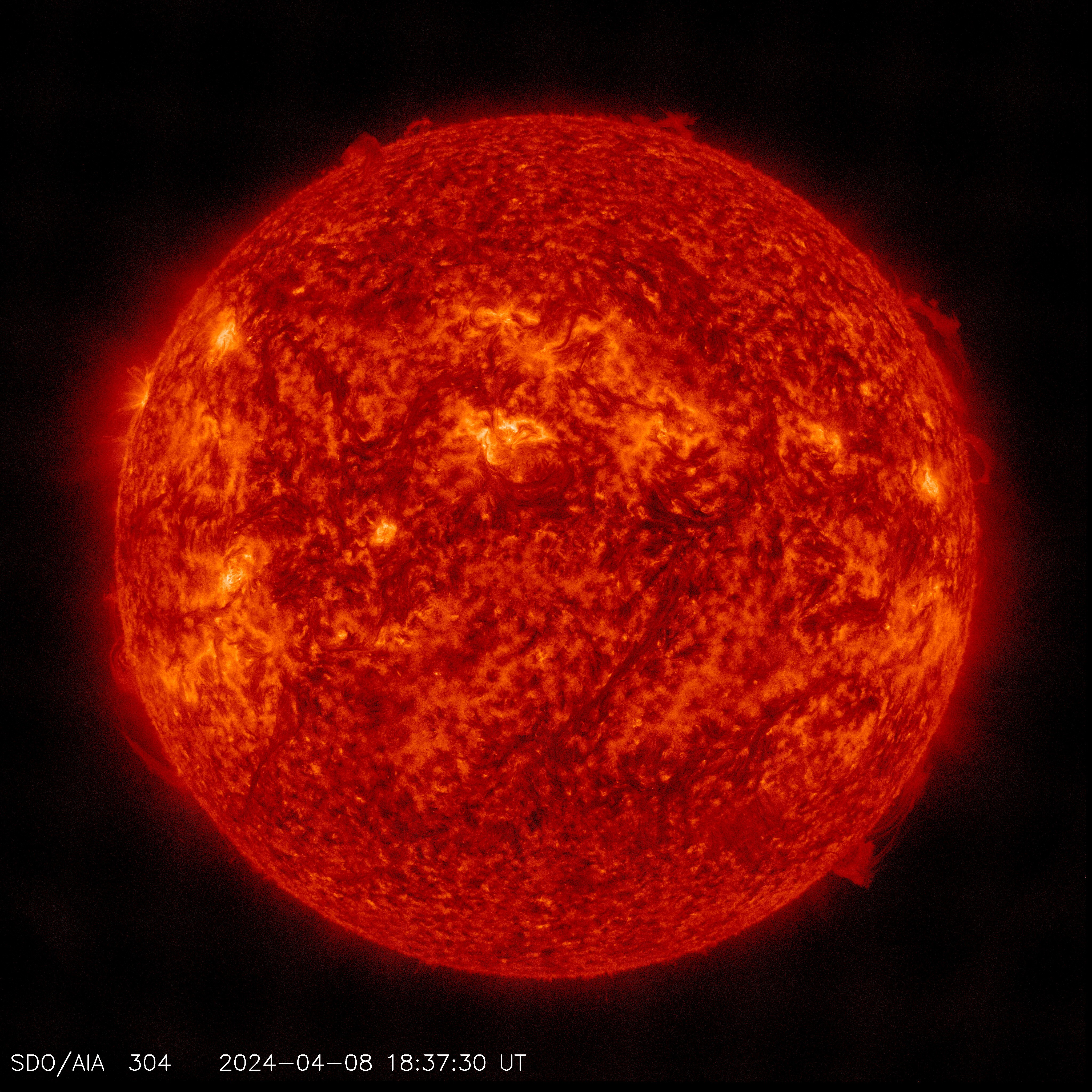
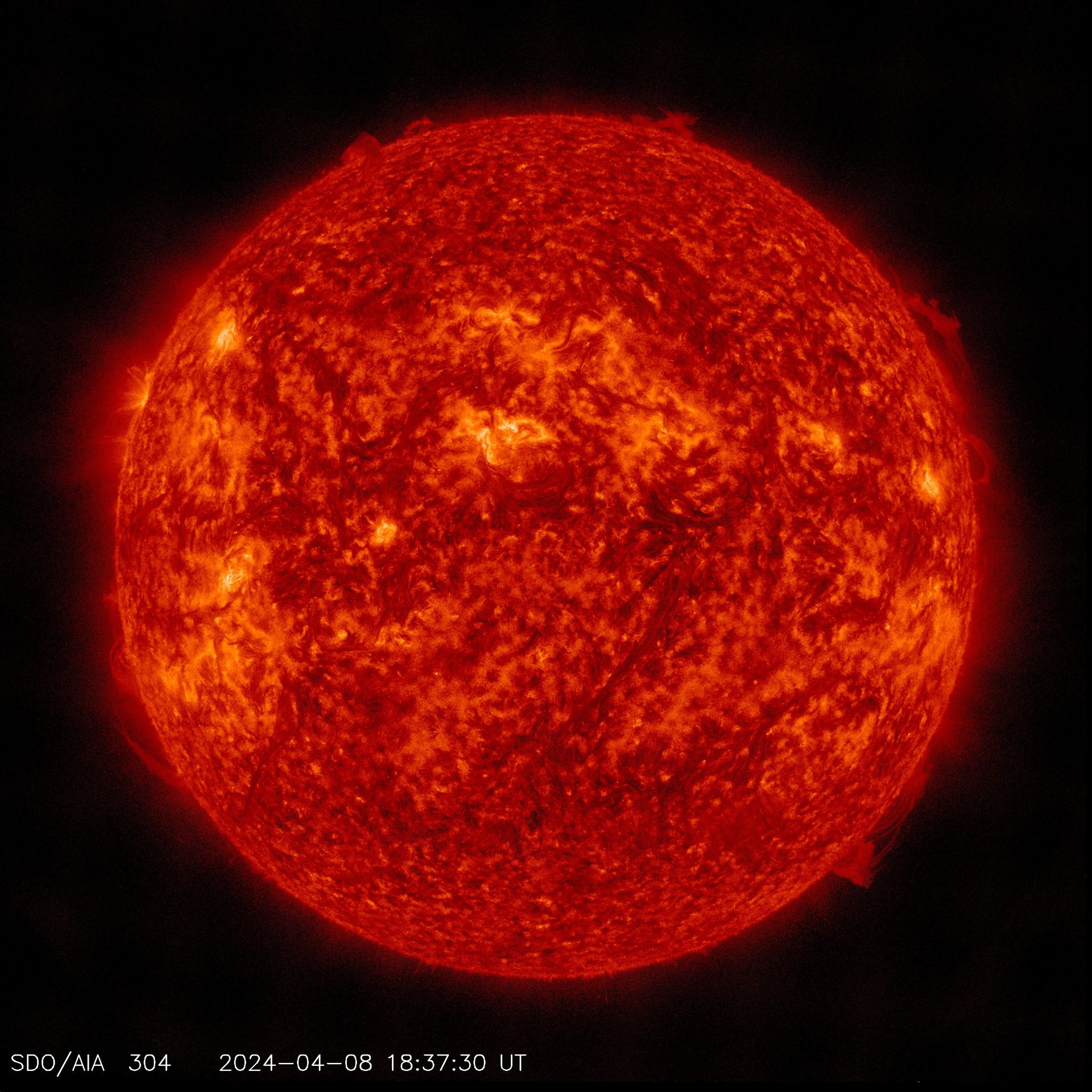
Yes — but only with the right equipment and safety precautions. A solar flare appears as a sudden, brilliant brightening on the Sun's surface, visible in H-alpha light as a white-hot eruption against the red solar disk. Through a properly filtered white-light telescope, large flares show as bright patches near sunspot groups. Through a dedicated H-alpha telescope like the Coronado PST or Lunt LS50, you see the full structure: the flare itself, the surrounding chromosphere, and — if you're lucky — a coronal mass ejection lifting away from the Sun's limb.
You cannot see a flare or CME with the naked eye or unfiltered binoculars. The Sun is dangerously bright, and flares happen on a scale that requires magnification and narrowband filtering. But with the right gear and real-time space weather data from NOAA's SWPC, you can track a flare from its initial X-ray detection to its visible arrival as an aurora 1–3 days later. That end-to-end connection — from a spot on the Sun to green curtains over your backyard — is what makes space weather observing uniquely rewarding during Solar Cycle 25's peak.
Tracking (free, online)
NOAA SWPC, SpaceWeatherLive, and the SDO website give you real-time flare alerts, X-ray flux graphs, and CME imagery. No equipment needed.
Visual observing
White-light solar filter shows sunspots and large flare brightenings. H-alpha scope shows flares, filaments, prominences, and the chromosphere.
Aurora connection
CMEs from flares cause geomagnetic storms that create aurora. A big flare today = possible aurora 1–3 days later. Check tonight's aurora forecast →