Quick Answer: The Two July Meteor Showers Explained
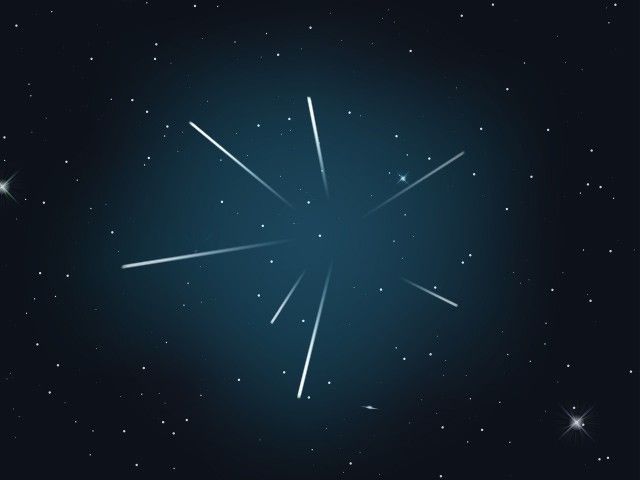
The Delta Aquariids peak on July 28–29 with a steady 15–20 meteors per hour, best seen from the southern hemisphere and southern US latitudes. They originate from comet 96P/Machholz and produce moderate-speed meteors that streak across the southern sky. The second quarter Moon sets before midnight, leaving dark skies for optimal viewing.
The Alpha Capricornids peak on July 30–31 and are famous for something rarer: bright fireballs. Despite a low Zenithal Hourly Rate of only 5 meteors per hour, the Alpha Capricornids produce an unusually high percentage of slow, dramatic fireballs that linger for seconds rather than the quick flashes typical of other showers. This makes them worth watching even in smaller numbers.
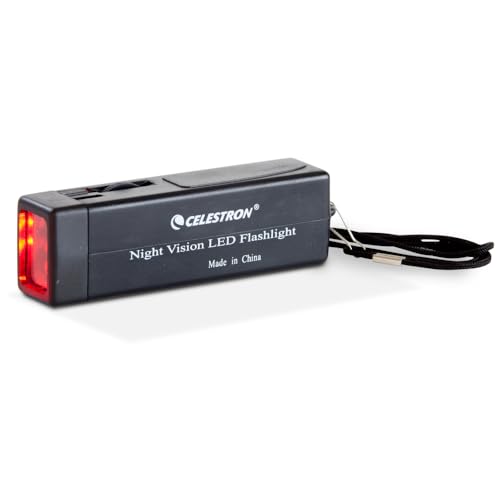
No telescope or binoculars needed. Meteor showers are best observed with the naked eye — wide-field vision catches far more meteors than any optical instrument. Your main gear decisions should be about comfort: a reclining chair, warm layers, and a red flashlight to preserve night vision.
Delta Aquariid Profile
- Peak: July 28–29, 2026
- ZHR: 15–20 meteors/hour
- Parent: Comet 96P/Machholz
- Speed: 41 km/s (medium)
- Best for: Southern observers, pre-dawn hours
Alpha Capricornid Profile
- Peak: July 30–31, 2026
- ZHR: ~5 meteors/hour + fireballs
- Parent: Comet 169P/NEAT
- Speed: 23 km/s (slow)
- Best for: Fireball hunters, evening hours