
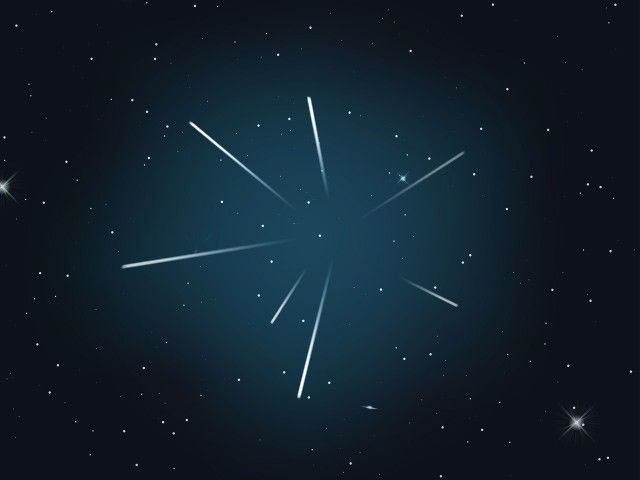
Meteor Shower Guide · August 2027
Perseid Meteor Shower 2027
Peak Aug 12–13 — Times, Moon & Viewing Guide
The Perseids return every August without fail — and 2027 is no exception. It is at its most active on the night of August 12–13, delivering one of the year's most reliable meteor displays. The one catch in 2027: a waxing gibbous Moon (roughly 80% lit) shares the sky, so the very best views come in the pre-dawn hours after moonset. Here's exactly when to look, what to expect, and how to get the most from the night.
Quick Answer: Do I Need a Telescope for the 2027 Perseids?
| Your Goal | Best Tool | Why |
|---|---|---|
| Watch meteors | Naked eye only | Meteors cross a huge sky area — a telescope's narrow field of view will miss them |
| Count & enjoy more meteors | Naked eye + reclining chair | Comfort = more sky coverage; in 2027, focus on the pre-dawn window after moonset |
| See deep-sky objects between meteors | Binoculars or telescope | Sweep the Milky Way, Andromeda, and the Double Cluster in Perseus while you wait |
| Photograph meteors | DSLR/mirrorless + wide lens | Wide-angle (14–24mm) + intervalometer captures meteor trails across the frame |
Bottom line: watch the Perseids naked-eye, then swing a telescope or binoculars to the Milky Way, Andromeda, or the Double Cluster between fireballs. The 2027 Moon is bright, so plan for the hours after moonset.
Perseid 2027 Peak: Date, Time & Moon Conditions
| Peak night | August 12–13, 2027 |
| Active period | July 17 – August 24, 2027 |
| Radiant | Constellation Perseus (northeast sky) |
| Typical peak rate | 50–100/hr from a dark site (ZHR ~100) |
| Meteor speed | 37 miles/second (59 km/s) |
| Moon (peak) | Waxing gibbous ~75–85% lit |
| Parent comet | 109P/Swift-Tuttle |
Peak timing per the American Meteor Society (the Perseids' peak falls on August 12–13); moon data verified against NASA/JPL DE421 ephemerides.
The Perseids are caused by Earth passing through the debris trail of Comet 109P/Swift-Tuttle — a large comet whose 16-mile (26 km) nucleus sheds dust and rock fragments that slam into our atmosphere at 37 miles per second (59 km/s), burning up as bright streaks. The shower is active from July 17 to August 24 and its activity peaks on August 12–13 in most years. For 2027, that maximum falls on the night of August 12–13, with excellent activity on the surrounding nights as well.
🌙 The 2027 Moon: Plan Around It
Unlike 2026 (which enjoyed a New Moon), the 2027 peak falls under a waxing gibbous Moon — roughly 75–85% illuminated on August 12–13, heading toward a full Moon around August 17–18. Moonlight will wash out some fainter meteors early in the night. The Moon sets in the early morning hours, so the pre-dawn window after moonset is the best time to watch.
No telescope is needed to watch meteors — the shower is best seen with the naked eye from a dark site. If you want a scope or binoculars for the deep-sky objects visible between fireballs, see our best telescopes for beginners or use the telescope finder tool.
Best Time to Watch the 2027 Perseids
The Perseid radiant — the point in Perseus from which meteors appear to radiate — climbs from the northeastern horizon at nightfall to a high altitude by the early morning hours. Because the radiant is higher in the pre-dawn sky, rates increase steadily through the night and peak before dawn. In 2027, moonset lands in the early morning too, so the ideal window is from roughly 1–2 AM local time until morning twilight — when the Moon is down and the radiant is highest.
| Window (local time) | Moon position | What you'll see |
|---|---|---|
| 10 PM – midnight | Moon still up | Earthgrazers near the NE horizon; moonlight limits fainter meteors |
| Midnight – moonset (~1–2 AM) | Setting in the west | Rates building; moonlight fading as the Moon drops |
| After moonset – dawn | Down | ⭐ Best window — darkest sky, radiant high, peak rates |
If you can only go out once, aim for the couple of hours after moonset, before dawn. If the weather is poor on peak night, the night before (August 11–12) and after (August 13–14) still deliver strong activity — the Perseid maximum is broad, and rates stay elevated for several nights.
Best Equipment for Meteor Shower Watching
You don't need a telescope for meteors — but the right gear makes peak night dramatically more comfortable and memorable.

Best Binoculars for Meteor Showers
Celestron Nature DX 8x42
Wide field, bright optics, comfortable for extended sky scanning

Best Reclining Chair for Stargazing
GCI Outdoor Pod Rocker
Hands-free reclining for neck-friendly meteor watching
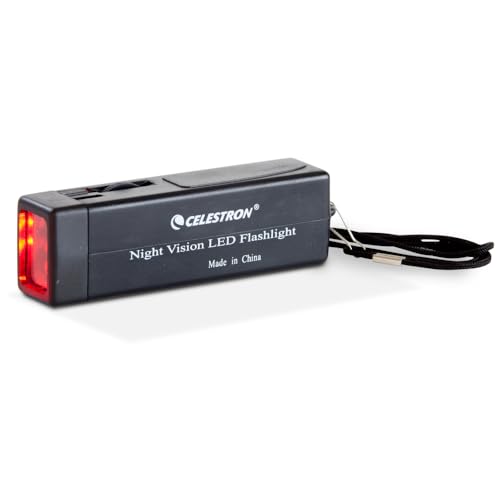
Best Red Light Flashlight
Celestron Night Vision Red LED Flashlight
Preserves dark adaptation during peak viewing
Affiliate disclosure: We may earn a commission from links on this page at no extra cost to you. As an Amazon Associate, we earn from qualifying purchases. All products verified live via the Amazon Creators API (August 2026).
Want a telescope for the rest of the year?
Meteors don't need one — but Saturn, Jupiter, and deep-sky objects do. Find your perfect telescope in 5 questions.
Where to Look & How to Watch
The Perseids radiate from the constellation Perseus, which rises in the northeastern sky. But don't stare at the radiant — meteors appear across the whole sky, and those seen 40–90 degrees away from the radiant look longer and more dramatic. The best approach is to lie flat on your back and let your eyes rove the entire sky.
Step-by-step viewing plan
- Find a dark site away from city lights; let your eyes adapt for 20 minutes.
- Bring a reclining chair or blanket — comfort keeps you outside longer.
- Face the northeast after dark; by pre-dawn the radiant is high overhead.
- Focus on the hours after moonset in 2027 for the darkest sky.
- No equipment needed — the naked eye is the best meteor tool.
Radiant & sky notes
- Find Perseus: look northeast for the W-shaped Cassiopeia — Perseus is below it.
- Meteor speed: 37 miles per second (59 km/s) — fast, bright streaks.
- Best hemisphere: Northern Hemisphere (radiant climbs highest).
- Warm August nights make it one of the easiest showers to enjoy.
What to Expect: Rates & Fireballs
The Perseids have a zenithal hourly rate (ZHR) of about 100 at the theoretical maximum — the count you could see under perfect dark skies with the radiant overhead. In practice, dark-sky observers typically see 50–100 meteors per hour at the peak (NASA's own dark-sky figure is roughly 25–60 per hour), and suburban observers fewer. In 2027, moonlight early in the night will hide the faintest meteors, but the post-moonset hours still reward you with plenty of bright streaks and fireballs.
The Perseids are famous for fireballs — exceptionally bright meteors with apparent magnitudes brighter than −3 (brighter than Jupiter). They originate from larger fragments of cometary material, can light up the sky, cast shadows, and sometimes leave glowing trains (ionised gas trails) that persist for 10–30 seconds. Fireballs can appear on any night of the active period, but your best odds are at the peak.
🔥 Pro tip for fireballs
When a fireball fires, don't chase it with your eyes — fix your gaze on its glowing train and watch it distort and fade over the next 30 seconds. It's one of the most beautiful details of a Perseid night.
Gear for the 2027 Perseid Night
No equipment needed for meteors — but between fireballs, a grab-and-go scope or binoculars are perfect for sweeping the Milky Way, Andromeda, and the Double Cluster in Perseus.
Celestron StarSense Explorer LT 114AZ
Phone-guided starhopping between fireballs
$239.99
Affiliate links — we may earn a commission at no extra cost to you.
Not sure what to buy? Start with our best telescopes for beginners guide or use the telescope finder tool to match a scope to your budget and goals. For wide-field deep-sky views, see our best astronomy binoculars guide.
Perseid 2027 — Frequently Asked Questions
When is the Perseid meteor shower peak in 2027?
The Perseids are at their most active on the night of August 12–13, 2027, with excellent activity on the surrounding nights. The shower is active from roughly July 17 to August 24, with rates building in the days before the peak.
What is the moon phase during the 2027 Perseid peak?
The Moon will be waxing gibbous, roughly 75–85% illuminated on the peak nights (heading toward full around August 17–18, 2027). It sets in the early morning hours, so the pre-dawn window after moonset offers the darkest skies.
Do I need a telescope to watch the 2027 Perseids?
No. Meteors cross a huge area of sky, so a telescope's narrow field of view is the wrong tool — the naked eye is best. A telescope or binoculars are great for exploring deep-sky objects (the Milky Way, Andromeda, the Double Cluster in Perseus) between meteors. See our best telescopes for beginners or use the telescope finder tool.
What time should I watch the 2027 Perseids?
The best window in 2027 is the couple of hours after moonset, before dawn (roughly 1–2 AM until morning twilight, depending on your location). This combines the highest radiant altitude with the darkest, Moon-free sky. Early evening (10 PM–midnight) offers fewer, mostly Earthgrazer meteors under moonlight.
How many Perseid meteors per hour can I expect in 2027?
At the peak, dark-sky observers typically see 50–100 meteors per hour (the theoretical ZHR is ~100; NASA's observed dark-sky figure is lower, around 25–60 per hour). Suburban observers see fewer. In 2027, moonlight will hide the faintest meteors early in the night, so count on the post-moonset hours for the best rates.
Where should I look in the sky for the Perseids?
The radiant is in the constellation Perseus, in the northeastern sky. Don't stare at the radiant — look 40–90 degrees away from it (overhead or toward the east) where meteors cross your field of view at longer, more dramatic angles. Lie flat on your back and let your eyes roam the whole sky.
Sources & Further Reading
- American Meteor Society — Meteor Shower Calendar (peak timing, ZHR, radiant)
- NASA Science — Perseids Meteor Shower (rates, velocity, comet 109P/Swift-Tuttle, fireballs)
- timeanddate.com — Perseids Meteor Shower (active period, viewing)
Moon phase for August 2027 verified against NASA/JPL DE421 ephemerides (waxing gibbous on the peak nights; full Moon around August 17–18, 2027).
Related Guides
Perseid Meteor Shower 2026
The 2026 peak under a perfect New Moon
Astronomy Events Calendar 2027
Every major sky event next year
What's Visible Tonight
Current night-sky viewing targets
Best Telescopes for Beginners
Top picks for first-time buyers
Telescope Finder Tool
Match a scope to your needs
Best Astronomy Binoculars
Wide-field views for meteor nights