Best Star Projectors 2026: Which Show the Real Night Sky
Telescope Advisor Logo Telescope Advisor
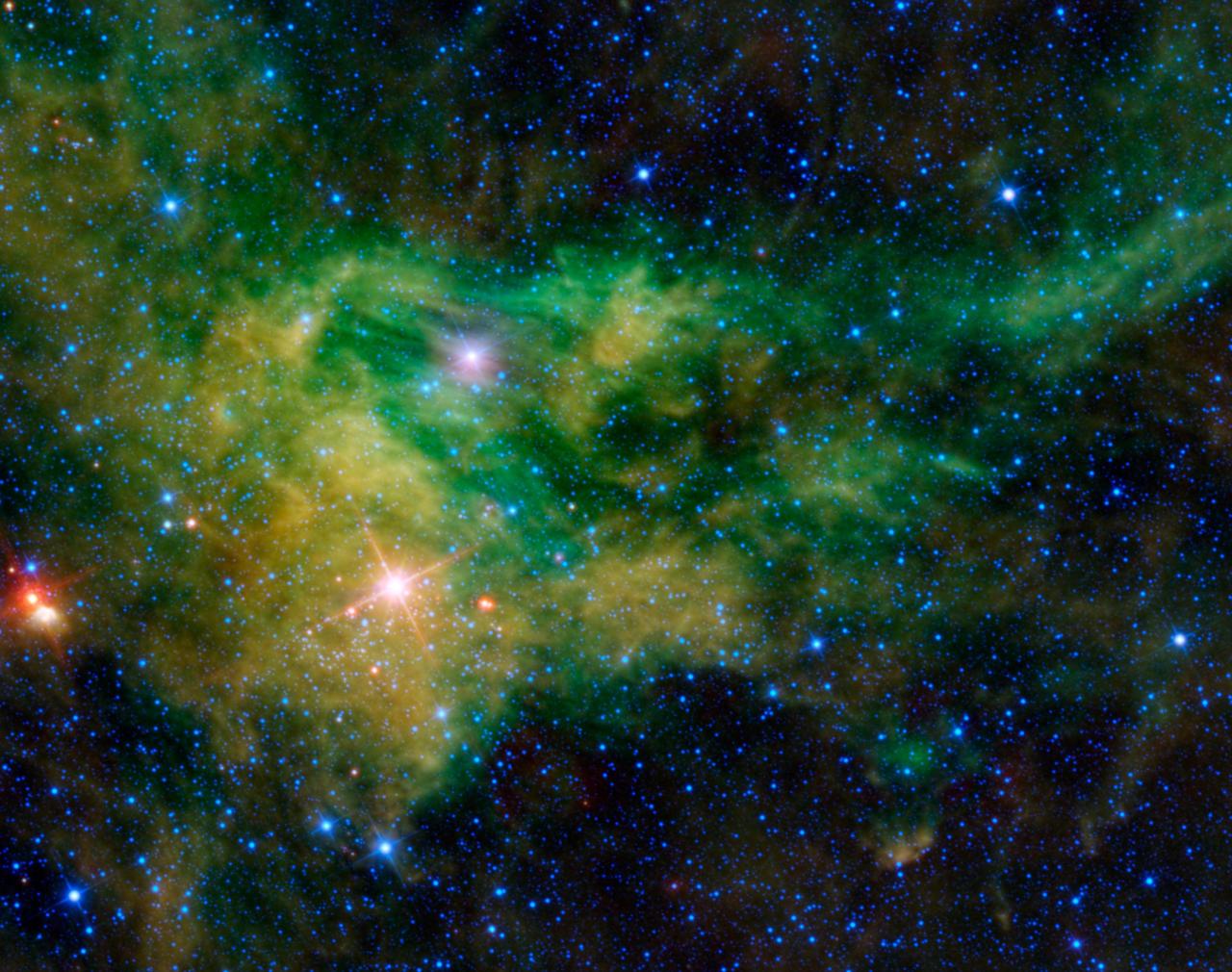
A real starry night sky, the view the best star projectors try to recreate indoors

Gift Guide · Home Planetariums · 2026

Best Star Projectors: Which Ones Show the Real Night Sky

Most “star projectors” are mood lights that scatter random dots across the ceiling. A few are true home planetariums that show real constellations. As an astronomy site, we care about the difference, so this guide sorts them by how accurately they show the sky, picks the best gifts for kids, and tells you when a pair of binoculars is the better present.

Most accurateHomestar Flux
Twinkling starsHomestar Matataki
RechargeablePOCOCO Galaxy
The real thingBinoculars + planisphere
By Telescope Advisor Editorial Team Published: Updated: Reviewed & approved by Juhi Sahni, Senior Editor Editorial Standards

Affiliate disclosure: Telescope Advisor earns a commission from qualifying Amazon purchases made through links on this page, at no extra cost to you. It never affects our recommendations.

How we built this guide: we have not tested these projectors ourselves. Our picks combine the manufacturers’ published specifications and Amazon US listings (all checked on November 17, 2026) with hands-on reviews published by Space.com, Live Science and BBC Sky at Night Magazine. Where a detail comes from a single source, we name it. We rank by one thing an astronomy site can judge well: how faithfully each projector shows the real sky.

Quick Answer

For a star projector that shows the real night sky, buy the Sega Toys Homestar Flux. It projects about 60,000 stars from real star-field discs, with a second disc that draws the constellation lines, and more than 30 extra discs are available. Space.com and Live Science both rate it among the most realistic home planetariums. Want twinkling stars and bedtime sounds? Pick the Homestar Matataki. Need a rechargeable projector? The POCOCO Galaxy shows real astronomy photos rather than a star map. Colourful laser “galaxy” projectors are fine as mood lights but will not teach anyone a single constellation.
Our Pick — Most Accurate Star Projector
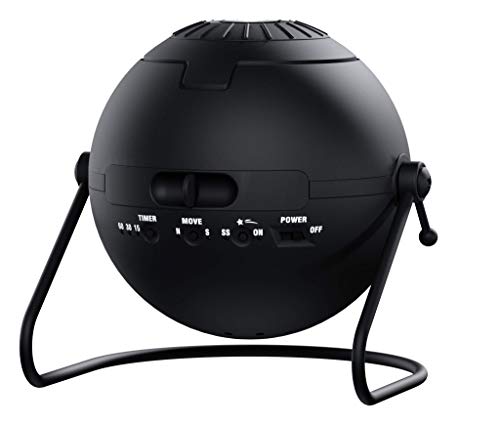
Sega Toys Homestar Flux Home Planetarium

Sega Toys Homestar Flux Home Planetarium

Stars: About 60,000
Light source: 5W LED
Discs included: 2
Power: USB cable + wall adapter

A disc-based home planetarium developed with planetarium designer Takayuki Ohira. A 5-watt LED projects about 60,000 stars. Two discs are included (the Northern Hemisphere sky, with and without constellation lines), and more than 30 optional discs are sold separately. Slow rotation, a shooting-star effect and a 15, 30 or 60-minute sleep timer.

Pros

  • Real star patterns and constellation lines
  • Sharp, high-contrast stars
  • Large library of extra discs

Cons

  • No speaker, app or colour effects
  • Needs mains power
  • Costs more than mood-light projectors

Three Kinds of Star Projector (Only One Shows a Real Star Map)

1. Planetarium projectors

A bright LED shines through a precision star-field disc and a glass lens. The stars sit in their real positions, so you can find the Big Dipper, Cassiopeia and Orion on your ceiling. Examples: the Sega Toys Homestar range, and Bresser-made planetariums such as the National Geographic Astro Planetarium, which Space.com reports can be set to a date and time.

2. Photo-disc projectors

These project a photograph on a film disc: the Milky Way, a nebula, the Moon. The images can be real astronomy photos, but they are pictures, not a map you can navigate. Example: POCOCO Galaxy.

3. Laser and LED “galaxy” lights

Coloured LED washes plus laser dots that drift around the room, often with a speaker. Beautiful as a night light; astronomically random. Example: aurora and nebula projectors.

Our Star Projector Picks Compared

ProjectorTypeReal star map?Key featuresPowerBest for
Sega Toys Homestar FluxPlanetariumYesAbout 60,000 stars, 5W LED, 2 discs, sleep timerUSB + wall adapterAccuracy, older kids and adults
Sega Toys Homestar MatatakiPlanetariumYesTwinkling-star disc, 60,000-star disc, natural soundsMains (per Space.com)Bedtime, younger kids
Sega Toys Homestar OriginalPlanetariumYes3W LED, 2 discs and a poster, timerPlug-inLower-cost Homestar
POCOCO GalaxyPhoto discNo (photos)2 film discs, 15/30/60-minute timer, rotationRechargeable or plugCable-free use
Aurora / nebula lightsLED + laserNoColour effects, speaker, remotePlug-inMood lighting, parties

Sources: Amazon US listings checked November 17, 2026; Space.com, Live Science and BBC Sky at Night Magazine star projector reviews.

1. Sega Toys Homestar Flux: the Most Accurate Star Projector

The Homestar line was developed by Sega Toys with Takayuki Ohira, a designer of professional planetarium projectors, and the Flux is its flagship. It projects about 60,000 stars, far more than the roughly 9,000 stars the naked eye can see across the entire sky (Sky & Telescope’s figure, from the Yale Bright Star Catalog), so the Milky Way appears as a soft band of faint stars rather than a few dots. The two included discs show the Northern Hemisphere sky: one plain, one with constellation lines, which is ideal for learning shapes. Space.com counts around 30 optional discs, from other skies to nebula imagery.

What it lacks is just as telling: there is no speaker, app, remote or coloured light show. Its stars do not twinkle; Space.com describes twinkling as one of the features Sega added later with the Matataki. If you want a quiet, realistic sky on the ceiling, that restraint is the point. Its projection reaches about 2.7 m (8.9 ft) across, according to Space.com.

2. Sega Toys Homestar Matataki: Twinkling Stars and Sounds

Best for Bedtime — Twinkling Stars
Sega Toys Homestar Matataki (Navy)

Sega Toys Homestar Matataki (Navy)

Stars: 10,000 twinkling or 60,000
Discs included: 2
Sound: Built-in natural sounds
Extras: Sleep timer

A newer Homestar with two discs: one projects about 10,000 twinkling stars, the other about 60,000 steady stars. A built-in speaker plays natural sounds, and the disc rotates to mimic the sky’s nightly motion. Also sold in white.

Pros

  • Twinkling effect looks magical
  • Bedtime sounds built in
  • Accurate star discs

Cons

  • Space.com found the Flux sharper
  • Smaller projection than the Flux, per Space.com
  • Mains power only, per Space.com

The Matataki trades a little sharpness for atmosphere. Space.com, which has reviewed both, still prefers the Flux’s higher-contrast stars, but rates the Matataki highly for its features and found it quiet in use. Space.com also reports that discs for the Flux and Original fit the Matataki, which matters if a family already owns a Homestar.

3. Sega Toys Homestar Original: a Lower-Cost Accurate Homestar

Sega Toys Homestar Original (Black)

Sega Toys Homestar Original (Black)

Light source: 3W LED
Discs included: 2 + poster
Extras: Timer, adjustable angle

The earlier Homestar design with a 3-watt LED, two realistic star discs, a poster, a timer and adjustable angle and focus. It uses the same family of optional discs as the newer models.

Pros

  • Same real-sky disc approach
  • Simple to use
  • Works with optional Homestar discs

Cons

  • Dimmer than the 5W Flux
  • No sounds or twinkle
  • Plug-in power only

Sega also sells the Homestar Classic. Live Science describes it as the most affordable Homestar, with one Northern Hemisphere disc and a gentle panning motion instead of full rotation. At least one Amazon US listing for the Classic ships from Japan, so compare the seller and delivery date carefully.

4. POCOCO Galaxy: Best Rechargeable Photo-Disc Projector

Best Rechargeable Projector
POCOCO Galaxy Star Projector (Rechargeable)

POCOCO Galaxy Star Projector (Rechargeable)

Type: Photo-disc projector
Light source: 1W LED
Discs included: 2
Power: Battery or plug

A compact projector that shines a 1-watt LED through high-resolution film discs. It runs from its battery or a plug, has a 15, 30 or 60-minute timer and disc rotation, and ships with two discs. Many more discs, including constellation and planet sets, are sold separately.

Pros

  • No cable needed
  • Sharp, bright images
  • Large disc library

Cons

  • Shows photos, not a star map
  • Dimmer light source
  • Battery life varies with use

Space.com praises the POCOCO’s bright, high-resolution projections and its rechargeable battery. BBC Sky at Night Magazine lists it with a Milky Way disc and a Westerlund 2 star-cluster disc in the box (disc sets vary by bundle). These are real astronomy images, so it is a lovely way to show a child what a star cluster looks like. Just know that it shows one picture at a time rather than a sky you can navigate. Live Science’s current top pick, the Orzorz Galaxy Lite, is a very similar photo-disc design; we did not find a live Amazon US offer for it on November 17, 2026.

5. Ambient Galaxy and Aurora Projectors: Mood Lights, Not Star Maps

The colourful projectors that fill most “star projector” search results, such as the HODANS Northern Galaxy aurora projector (33 light effects, a remote and a Bluetooth speaker, according to its listing), are designed for atmosphere. Space.com rates the ambient projectors it has reviewed as non-scientific. They are fun for a teenager’s room or a party; they will not show any real constellation. If that is what the recipient wants, fine. If they are curious about the actual sky, choose a Homestar or skip the projector and read on.

How to Check Whether a Star Projector Is Accurate

You do not need to be an astronomer. Before buying, or on the first night, check these:

  1. Read the disc list. An accurate projector names a hemisphere (“Northern Hemisphere”) and usually offers a constellation-line disc. “Ocean waves” and “nebula effects” are mood settings.
  2. Find the Big Dipper. Seven stars in a ladle shape. Follow the two stars at the end of the bowl and you should reach Polaris, the North Star. Our beginner’s constellation guide shows the pattern.
  3. Look for Orion and Cassiopeia. Orion’s three-star belt and Cassiopeia’s W are easy to spot. If you cannot find any of these, the projector is decorative.
  4. Watch for colours and lasers. Green or red laser dots and colour washes mean an ambient light, not a planetarium.

Buying a Star Projector for Kids

  • For learning: a Homestar with the constellation-line disc. Pair it with a planisphere so they can find the same shapes outside.
  • For bedtime: the Matataki’s twinkling disc and sounds, or any model with a sleep timer. The Flux and POCOCO both have 15, 30 and 60-minute settings.
  • For younger children: choose LED disc projectors over laser models, and teach them never to look into the lens of any projector. If you buy a laser model, check the laser class on the label and the age guidance.
  • Placement: plug-in projectors need a shelf near an outlet. A rechargeable model like the POCOCO can sit anywhere, but needs charging.

More gift ideas in our astronomy gifts under $50 and best astronomy gifts guides.

Want the Real Sky? Binoculars and a Beginner Telescope

If the person you are buying for keeps asking “what is that bright star?”, a projector is a stepping stone. The real sky is free, and the right first instrument shows things no projector can: craters on the Moon, Jupiter’s four bright moons and, with a telescope, Saturn’s rings.

Best First Step
Celestron SkyMaster 15x70 Binoculars

Celestron SkyMaster 15x70 Binoculars

Big 70mm astronomy binoculars for the Moon, star clusters and the Milky Way. Best on a tripod.

First Telescope for Kids
Gskyer 70mm AZ Refractor

Gskyer 70mm AZ Refractor

A simple 70mm refractor for the Moon, Jupiter and Saturn. Amazon’s #1 telescope best seller on November 17, 2026.

App-Guided Telescope
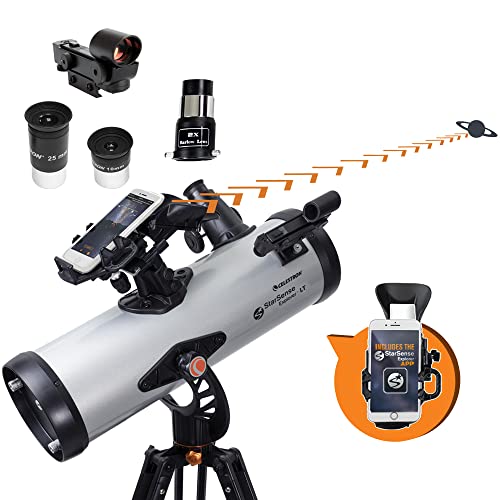
Celestron StarSense Explorer LT 114AZ

Celestron StarSense Explorer LT 114AZ

A 114mm telescope whose phone app guides you to each target, like a projector that points at the real sky.

Start with our stargazing for beginners guide, the best binoculars for stargazing, the best telescopes for kids and the best stargazing apps.

Star Projectors: Frequently Asked Questions

Which star projector shows the real night sky?
Planetarium-style projectors that use star-field discs show real star patterns. Sega Toys' Homestar range (Flux, Matataki, Original and Classic) is the best-known example: the included Northern Hemisphere discs show the real constellations, with a second disc that adds constellation lines. Most budget galaxy and nebula projectors do not show a real star map.
Are galaxy and nebula projectors accurate?
Usually not. Laser and LED galaxy projectors scatter random points of light over coloured clouds. They make a lovely mood light, but you will not find the Big Dipper or Orion in them. Photo-disc projectors such as the Pococo show real astronomical photographs, like the Milky Way or a star cluster, but not a working map of the sky.
Is the Sega Homestar Flux worth it?
If accuracy matters, yes. Reviewers at Space.com and Live Science both rate it among the most realistic home planetariums: it projects about 60,000 stars from a 5-watt LED, ships with two discs, and more than 30 optional discs are sold separately. It has no speaker, app or coloured light effects, and it costs more than most ambient projectors.
What is the difference between the Homestar Flux and the Matataki?
The Matataki adds a twinkling-star disc (about 10,000 twinkling stars, alongside a 60,000-star disc) and built-in natural sounds. Space.com found the Flux gives higher-contrast, sharper stars, while the Matataki has more features. Space.com also reports that Flux and Original discs work in the Matataki.
Can a star projector help kids learn the constellations?
Yes, if it is an accurate one. A Homestar disc with constellation lines lets a child learn shapes like the Big Dipper and Orion indoors, then find them outside with a planisphere. A random galaxy projector cannot do that.
Are laser star projectors safe for children's bedrooms?
Children should never look into the lens or aperture of any projector. For younger children we prefer LED disc projectors such as the Homestar range, which have no lasers. If you buy a laser model, check the laser class printed on the label and the manufacturer's age guidance.
Can a star projector replace a telescope or binoculars?
No. A projector is a great way to learn star patterns or wind down at bedtime, but it shows a picture of the sky, not the sky itself. For a stargazing-curious child or adult, a planisphere and a pair of binoculars show real stars, the Moon's craters and Jupiter's moons from the backyard.
Do Homestar projectors need to be plugged in?
Yes. The Flux runs from a USB cable and wall power adapter, and the Matataki and Classic are mains-powered according to Space.com. If you need a rechargeable projector, a battery-powered photo-disc model such as the Pococo is the alternative.

Sources

  • Space.com, “Best star projectors” guide and individual Homestar, POCOCO and National Geographic Astro Planetarium reviews, checked November 17, 2026
  • Live Science, “Best star projectors” guide, checked November 17, 2026
  • BBC Sky at Night Magazine, “Best galaxy and star projectors”, checked November 17, 2026
  • Amazon US listings for each projector named on this page, checked November 17, 2026
  • Astroshop.eu, Sega Toys Homestar Flux product page (Takayuki Ohira’s role, 5W LED)