
Stargazing in Florida: What to Expect
Florida's combination of low elevation, high humidity, and proximity to the Atlantic and Gulf of Mexico means that transparency (atmospheric clarity) varies significantly. The best stargazing conditions occur during the dry season from October through May, when humidity drops and cold fronts push through, leaving clear, stable skies behind. Summer months bring afternoon thunderstorms that often clear by evening, leaving washed-out skies with moderate transparency — but the trade-off is warm nights that make overnight observing comfortable.
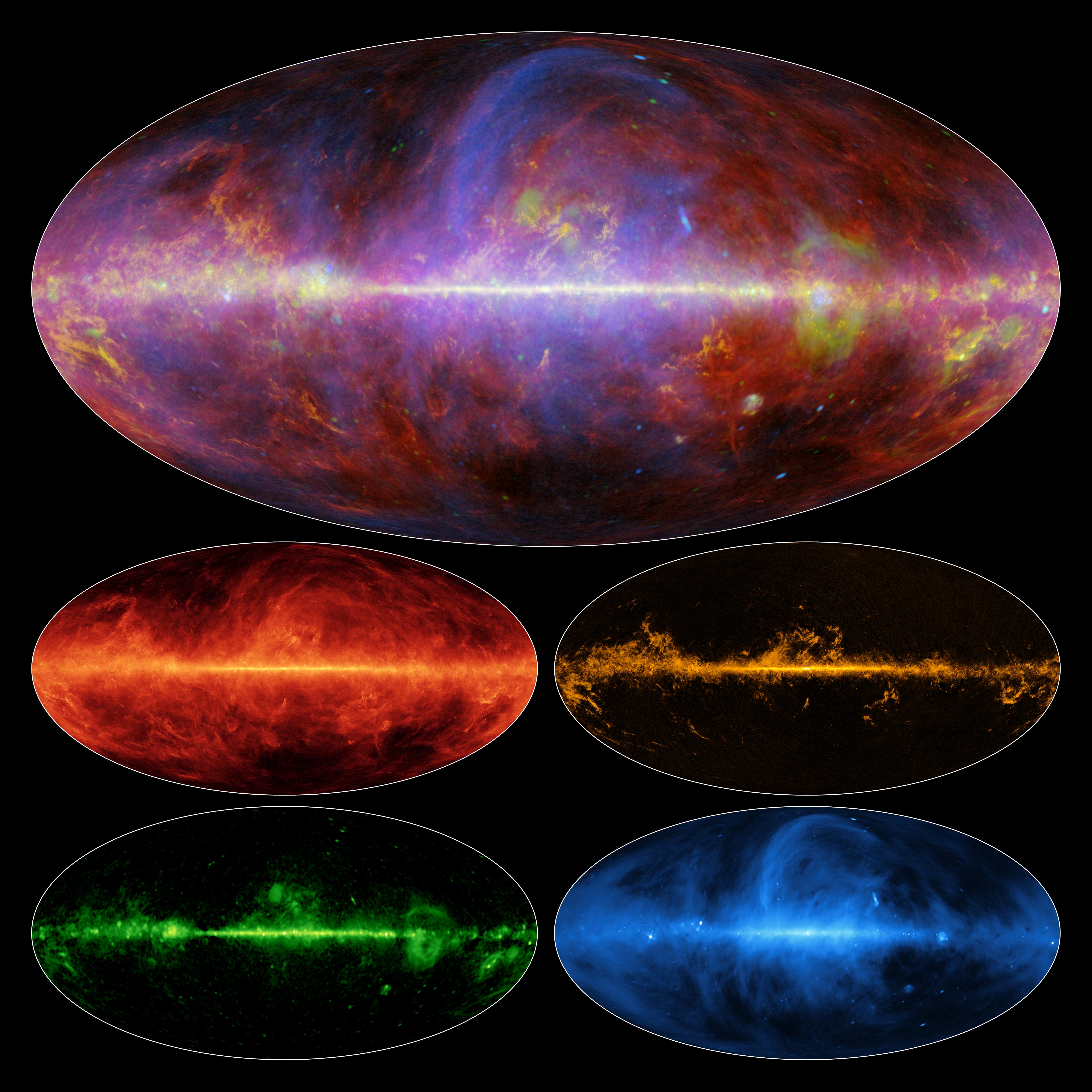
Florida's latitude (25–31°N) provides good views of the northern and mid-declination sky. The Milky Way's summer core is well placed, and the winter sky offers excellent views of Orion, Taurus, and the Pleiades. Florida also has the advantage of being one of the few states where you can observe the southern constellations like the Southern Cross from the Florida Keys (just above the horizon). The state's geography means that dark skies are concentrated in the interior and the far south — away from the light domes of Miami, Orlando, Jacksonville, and Tampa.