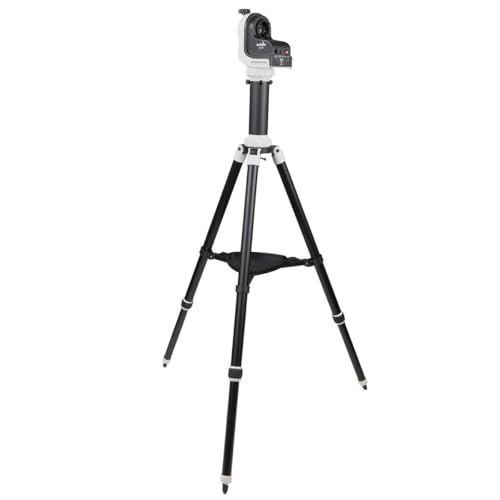
Telescope mounts come in more varieties than telescopes themselves, and choosing the wrong one is the single most common cause of buyer's remorse among new astronomers. A flimsy mount turns even the finest optics into a frustrating experience: vibrations that take seconds to settle, a tripod that wobbles in the slightest breeze, and manual tracking that makes high-magnification viewing nearly impossible.
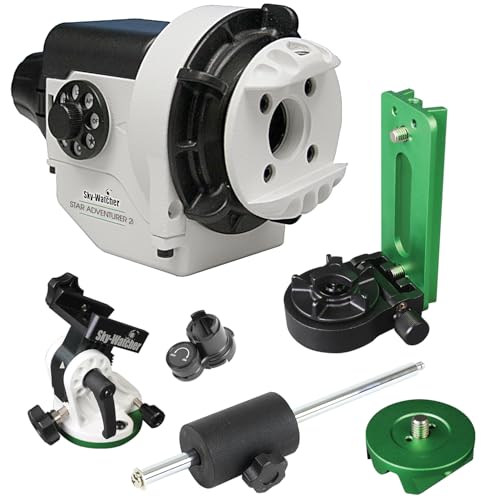
The mount's job is twofold: hold the telescope steady and track celestial objects as the Earth rotates. Different mount designs accomplish tracking differently. Alt-azimuth mounts move up-down and left-right — intuitive but they cannot track accurately without computer assistance. Equatorial mounts align with Earth's axis, allowing a single motor to follow the stars with precision — essential for astrophotography. GoTo mounts add computerised object location, making them ideal for beginners who want to spend time observing rather than star-hopping.
This guide covers every major mount type, their strengths and weaknesses, and specific product recommendations for each category.