Zaragoza Eclipse 2026: Total Solar Eclipse Times & Viewing Guide | Telescope Advisor
Telescope Advisor Logo Telescope Advisor
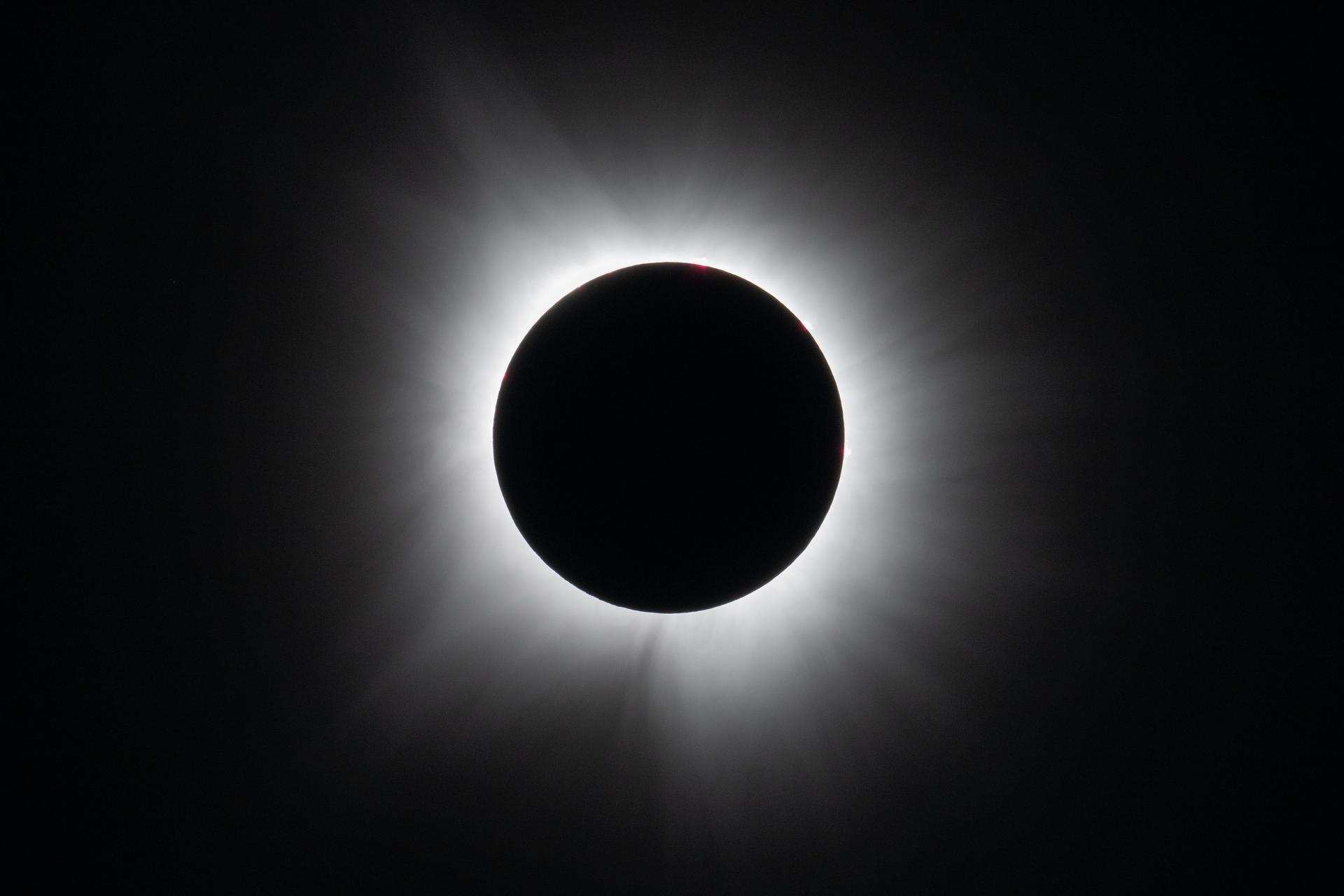
Total solar eclipse corona

City Eclipse Guide · Zaragoza · August 12, 2026

Zaragoza Eclipse 2026: Total Solar Eclipse Times & Viewing Guide

Zaragoza sits on the edge of the path of totality — the city itself will experience a 99.8% partial eclipse, but totality is just a short drive away. By travelling 10–20 kilometres north-west on the A-2 motorway toward Logroño, you can reach the centreline of the eclipse path and experience approximately 30 seconds of total darkness. This guide covers exactly where to go, when to be there, and what you need to safely observe the August 12, 2026 total solar eclipse from the Zaragoza area.

Totality from city99.8% partial (no totality)
Drive to totality10–20 km NW (15 min)
Totality duration~30 seconds
Sun altitude6 degrees
By Telescope Advisor Editorial TeamPublished: Updated: Editorial Standards

Eye Safety: ISO 12312-2 Glasses Required

ISO-certified eclipse glasses are essential for all partial phases. See our eclipse glasses guide for recommendations available on Amazon ES.

Quick Answer: Can I See Totality From Zaragoza?

Not directly from the city — but totality is a 15-minute drive away. Zaragoza sits just outside the path of totality, so the city itself will experience a 99.8% partial eclipse — dramatically deep, but not quite total. However, the centreline of the eclipse path passes just 10–20 kilometres north-west of the city, accessible via the A-2 motorway toward Logroño. By driving to the area around Alagón, Figueruelas, or the countryside near the Ebro River, you can position yourself within the path and experience about 30 seconds of totality at 21:43 CEST. This is one of the shortest drives to totality of any major Spanish city, making Zaragoza an exceptionally convenient and affordable base for eclipse viewing.

Zaragoza makes an excellent base because it is a major city with an international airport, high-speed AVE rail connections, and a wide range of accommodation. You can enjoy the city's famous tapas culture and the Basilica del Pilar during the day, then make a short drive into the Aragonese countryside for totality in the evening. This guide covers the best totality-zone locations near Zaragoza, plus city-based viewing for those who cannot drive, along with weather tips, accommodation advice, and essential safety gear recommendations for safely observing the partial phases.

Zaragoza Eclipse Times (CEST)

All times are in Central European Summer Time (CEST = UTC+2), which is the local time in Zaragoza. The eclipse occurs in the late evening, with totality arriving just minutes before the Sun sets over the Ebro valley. Plan to be at your chosen viewing location by 19:00 CEST to allow time for setup and to secure your spot before the crowds arrive on this busy eclipse day. The partial phases begin at 20:36 CEST and last for 67 minutes, giving you ample time to watch the Moon slowly cover the Sun through your certified eclipse glasses and check your camera equipment.

EventZaragoza CityTotality Zone (15 min NW)
Partial begins20:36 CEST20:36 CEST
Maximum eclipse21:43 CEST (99.8%)21:43 CEST (100%)
Totality durationNone~30 sec
Sun altitude
Sunset20:57 CEST20:57 CEST

Edge-of-Path Reality

Zaragoza's position at the edge of the path means the difference between a 99.8% partial eclipse (from the city) and 100% totality (from 15 km NW) is literally a short drive. Do not settle for a 99.8% partial eclipse — you are only minutes from experiencing the real thing. The corona, the 360-degree sunset, and the sudden darkness are only visible from within the path. Make the drive.

Best Viewing Locations Near Zaragoza

Zaragoza's position on the edge of the path of totality means you have excellent options for reaching the totality zone quickly. All of the following locations are accessible within 15-30 minutes of the city centre via the A-2 motorway or the N-232 road.

1. Alagón (15 km NW, A-2 motorway)

The town of Alagón lies within the path of totality and is the closest totality-zone location to Zaragoza. The surrounding farmland offers open fields with good north-western horizons. Take the A-2 motorway toward Logroño and exit at Alagón. The country roads north of the town provide elevated viewpoints with clear sightlines.

2. Figueruelas (20 km NW)

A small industrial town on the A-2 motorway, Figueruelas sits firmly within the path. The open agricultural land between Figueruelas and the Ebro River offers excellent flat horizons. This area is less populated than Alagón, meaning fewer crowds and more space to set up equipment.

3. El Castellar (25 km NW, elevated)

A hilltop village at approximately 500 metres elevation, offering panoramic views of the Ebro valley. The drive from Zaragoza takes about 25 minutes on the N-232 road. The elevation provides a slightly longer view of the Sun before it sets, plus cleaner air above the valley haze.

4. Parque del Agua (city option — 99.8% partial)

If you are unable to drive out of the city, the Parque del Agua on Zaragoza's western edge offers the best city-based view. The park is large and open, with a reasonable western horizon over the Ebro River. You will see a 99.8% partial eclipse — still a spectacular sight — but not the corona or the full totality effect.

Getting to Zaragoza & Eclipse Day Logistics

Zaragoza is one of Spain's best-connected cities. Zaragoza Airport (ZAZ) has flights from London-Stansted, Paris-Orly, and several German cities. The AVE high-speed train connects Zaragoza to Madrid in 1 hour 15 minutes and to Barcelona in 1 hour 30 minutes — making it an ideal destination for a long-weekend eclipse trip from either city. The city also sits at the intersection of the A-2 (Madrid–Barcelona) and A-68 (north–south) motorways, making it an easy drive from anywhere in north-eastern Spain. Zaragoza-Delicias station is a modern transport hub with direct connections to the airport bus service and all major car rental companies.

For eclipse day, a rental car is essential for reaching the totality zone. Book accommodation early — Zaragoza's central location makes it a popular base for eclipse chasers. If you arrive by train, all major car rental companies have desks at Zaragoza-Delicias station, which is also the AVE station. The drive from the station to the A-2 motorway heading toward Logroño takes approximately 10 minutes.

Eclipse day timeline: Aim to arrive at your chosen totality-zone location by 19:00 CEST, at least 1.5 hours before first contact. This gives you time to set up equipment, scout the horizon, and settle in. The partial phases begin at 20:36 CEST and last 67 minutes, giving you plenty of time to watch the Moon slowly cover the Sun through your eclipse glasses. Totality occurs at 21:43 CEST and lasts approximately 30 seconds — a brief but intensely dramatic window. After totality ends, the Sun will set by 20:57 CEST, so pack a torch or headlamp for the drive back to Zaragoza.

Where to Stay & Weather Tips for Zaragoza

Zaragoza has excellent hotel options across all budgets. The city centre around Plaza del Pilar and Calle Alfonso offers the widest choice, from the luxurious Hotel Palafox to budget-friendly hostels. For eclipse day, staying centrally and driving north-west on the A-2 in the late afternoon is ideal. The journey to the totality zone takes only 15-20 minutes, so you can enjoy the city's famous tapas scene before heading out. This convenience makes Zaragoza one of the easiest Spanish cities from which to reach totality — you do not need to relocate your accommodation or spend hours on the road.

Zaragoza's climate in August is typical of the Ebro valley: hot, dry, and sunny. Average highs reach 32°C, and evening temperatures are still warm at 22°C. August is the driest month of the year, with only 15mm of rainfall on average. Historical data from AEMET shows approximately a 35% chance of completely clear skies at sunset on August 12, making Zaragoza one of the better locations in eastern Spain for eclipse viewing.

However, the proximity of the Pyrenees mountains to the north can generate afternoon cumulus cloud build-up that occasionally persists into the evening. This is the main weather risk for Zaragoza. Your cloud-avoidance strategy should be: if clouds are building over the Pyrenees and drifting south toward Zaragoza by 18:00 CEST, consider driving south or west along the A-68 motorway toward the meseta of Castilla-La Mancha, where conditions are often clearer. The A-68 gives you an escape route to clearer skies if needed, and driving time to clearer areas is only 30-45 minutes.

For accommodation, booking by mid-July is essential. Recommended hotels include the Hotel Palafox (luxury, near the Basilica), Hotel Zenit Don Yo (mid-range, excellent location on Calle Alfonso), and the Albergue Zaragoza (budget, 10 minutes from the city centre). If you prefer to stay closer to the totality zone, consider the rural guesthouses in Alagón or Figueruelas — these small towns have limited but charming accommodation options that put you right in the path of totality and eliminate the need to drive on eclipse day.

Eclipse Glasses & Safety Gear

ISO 12312-2 certified eclipse glasses are essential for the partial phases before and after totality. The 67 minutes of partial phases preceding totality require constant eye protection, and the brief 30-second window of totality is the only time you can safely remove them. Here are the best options available on Amazon ES and Amazon UK for your Zaragoza eclipse trip:

Editor's Pick — Best Eclipse Glasses
Helioclipse eclipse glasses

Helioclipse Solar Eclipse Glasses (12-Pack)

ISO 12312-212 pairsCE certified

The Helioclipse 12-pack is the best value for families and groups. Each pair is independently tested to ISO 12312-2 and CE certified. Includes a bonus phone filter for safe smartphone photography.

Check Price on Amazon

Affiliate link.

Lunt eclipse glasses 5-pack

Lunt Solar Eclipse Glasses (5-Pack)

Lunt Solar Systems is a trusted name in solar optics. Their 5-pack is ideal for couples or small groups. Individually sealed, ISO 12312-2 and CE certified.

Check Price on Amazon

Affiliate link.

Zaragoza Eclipse History & Local Events

Zaragoza has a rich astronomical history dating back to its Moorish period, when the city was a centre for scientific learning under the Caliphate of Córdoba. The 11th-century astronomer Al-Mu'taman ibn Hûd, who ruled the Taifa of Zaragoza, wrote extensively on astronomy and mathematics, including treatises on planetary motion that influenced later European scholars. Today, the Agrupación Astronómica de Zaragoza (Zaragoza Astronomical Society) is one of Spain's most active amateur astronomy groups, and they are planning a public eclipse viewing event at the Parque del Agua on August 12, 2026. The society's members will bring filtered telescopes and provide expert commentary throughout the partial phases, making this an excellent option for visitors who want a guided experience.

The city council has announced several eclipse-related activities for August 2026, including a photography competition, guided eclipse bus trips to the totality zone from Plaza del Pilar, and a special exhibition at the Museo de Ciencias Naturales about solar eclipses throughout history. Tickets for the guided bus trips are expected to sell out quickly — check the Zaragoza Turismo website from April 2026 for booking details. This is a rare opportunity to experience totality with expert guidance from local astronomers who know the best viewing spots along the A-2 corridor. The bus trips include ISO-certified eclipse glasses, a picnic dinner, and transport back to the city after the eclipse.

For those who prefer a self-guided experience, the Zaragoza Astronomical Society has published a downloadable PDF guide to the best totality-zone locations around Zaragoza, including GPS coordinates, horizon elevation profiles, and estimated crowd sizes. The guide is available in Spanish and English from their website. We recommend downloading it in advance as mobile reception can be patchy in the rural areas north-west of the city. The PDF also includes information about roadside pull-off areas along the A-2 motorway that are suitable for safe eclipse viewing, as well as recommendations for restaurants and bars in Alagón and Figueruelas where you can watch the partial phases before heading into the fields for totality.

Photographing the Eclipse from Zaragoza

Zaragoza's location on the Ebro River plain offers unique photographic opportunities with the Basilica del Pilar and the Roman ruins as foreground elements. The Sun at only 6 degrees elevation means you can capture the eclipse low over the Ebro valley landscape. A telephoto lens of 200mm or longer is recommended for detailed crescent shots during partial phases. During the 30 seconds of totality, a wide-angle shot capturing the 360-degree sunset effect and the corona is the image that will define your eclipse memory. The dramatic contrast between the darkened landscape and the illuminated horizon line creates a unique composition that is specific to low-altitude eclipses.

For smartphone users, brace your phone against a steady surface and use manual exposure. During partial phases, use the phone filter included with the Helioclipse glasses. For totality, underexpose by 1-2 stops to avoid washing out the corona. The low elevation means atmospheric refraction will distort the Sun's shape near the horizon — this creates striking visual effects that are unique to edge-of-path eclipses and can produce some of the most memorable images of your trip.

If you are photographing from El Castellar at 500 metres elevation, the panoramic view of the Ebro valley provides a sweeping natural backdrop. The layered plains receding toward the Pyrenees create a sense of depth that conveys the scale of the eclipse. A tripod is essential for the dim light of totality and for sharp images during the partial phases. For the best results, arrive at your location by 18:00 CEST to test compositions and adjust settings before the partial phase begins.

What to Pack for Zaragoza

  • ISO 12312-2 eclipse glasses — Essential for all partial phases. See our eclipse glasses guide.
  • Camera with telephoto lens (200mm+) — For capturing the low Sun over the Ebro valley. A tripod is essential for sharp images during the dim light of totality.
  • Warm clothing — August evenings in the Ebro valley cool quickly after sunset. A jacket or fleece is essential, particularly if you are at the elevated El Castellar viewpoint.
  • Water and snacks — At least 2 litres per person. The viewing locations in the Alagón and Figueruelas areas have limited facilities.
  • A folding chair or blanket — The partial phases last 67 minutes before totality. You will be outside for 2+ hours total.
  • A red flashlight — For navigating back to your car after the eclipse in darkness. The rural roads near the A-2 have no street lighting.
  • Binoculars with solar filters — For detailed views of the solar crescent and sunspots during the partial phases.
  • GPS or offline maps — Mobile reception can be patchy in the rural areas north-west of Zaragoza. Download offline maps before you arrive.
🔭

Not sure which telescope actually fits your goals?

Answer 5 quick questions about your budget, observing targets, and experience level — our Telescope Finder Tool recommends a specific model in under 2 minutes.

Find My Telescope →

FAQ — Zaragoza Eclipse 2026

Is the total solar eclipse visible from Zaragoza?

Zaragoza sees a 99.8% partial eclipse. For totality, drive 15-20 minutes NW on the A-2 toward Logroño to reach the path centreline.

What time is the eclipse in Zaragoza?

Partial begins at 20:36 CEST. Maximum at 21:43 CEST. Totality (from the totality zone) lasts approximately 30 seconds at 21:43 CEST.

Where should I drive to see totality from Zaragoza?

Head north-west on the A-2 motorway toward Logroño. Alagón (15 km) and Figueruelas (20 km) are both within the path of totality.

What are the weather odds for the eclipse in Zaragoza?

August is the driest month in the Ebro valley, with only 15 mm of rain. Clear sky odds are approximately 35% at sunset, making Zaragoza one of the better options in eastern Spain.

Is a rental car necessary in Zaragoza?

Yes. The totality zone is a 15-minute drive from the city. Taxis and ride-sharing will be in very high demand on eclipse day. A rental car gives you the flexibility to chase clear skies if needed.