
How to See the Crab Nebula (M1) Through a Telescope — Complete Observing Guide
Telescope Advisor Logo Telescope Advisor
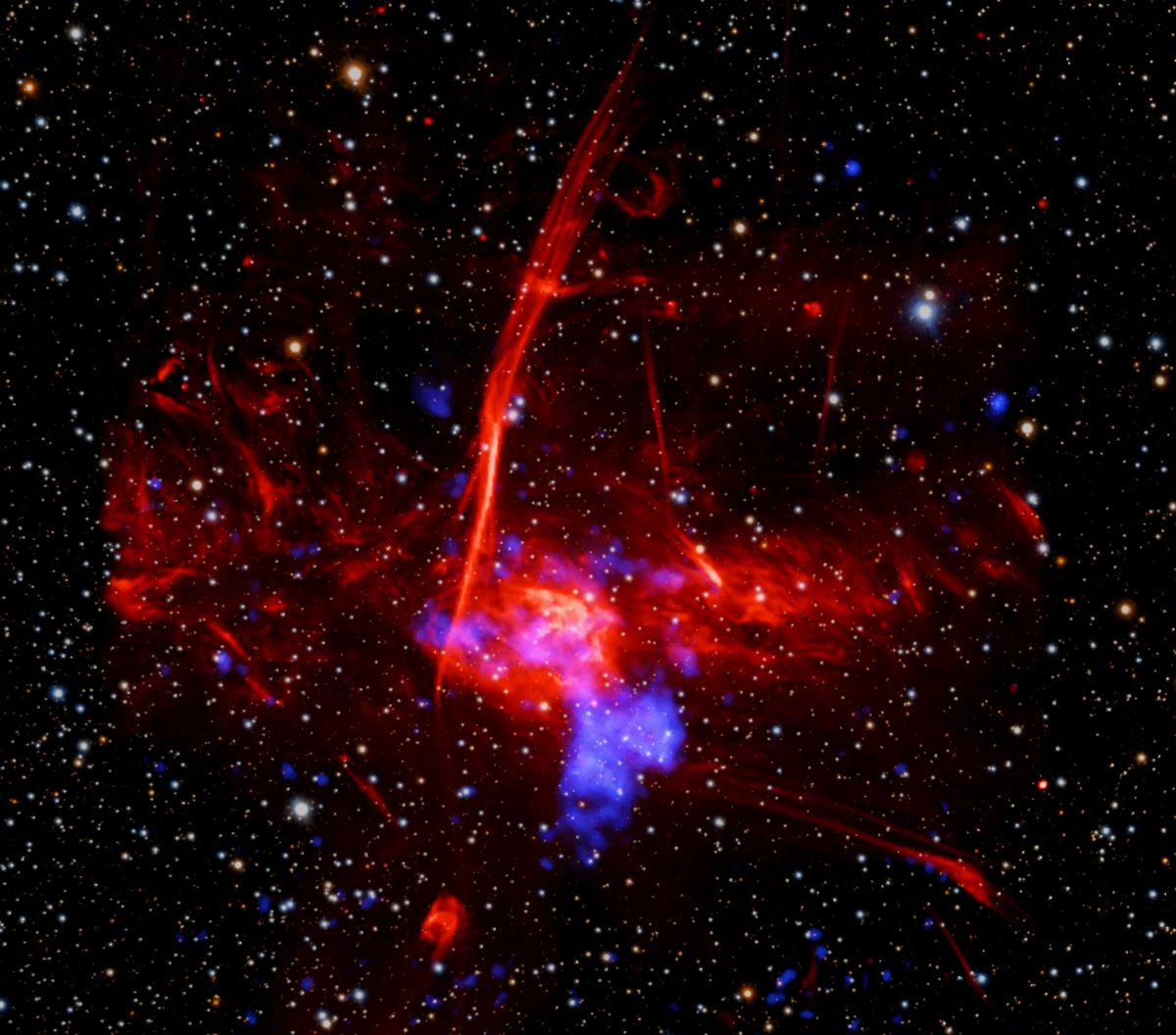
The Crab Nebula M1 as captured by the Chandra X-ray Observatory — the expanding debris of a supernova witnessed in 1054 AD

Observing Guide · Supernova Remnant

How to See the Crab Nebula (M1) Through a Telescope

M1, the Crab Nebula, is the first and one of the most famous objects in Charles Messier's catalogue. It is the expanding debris of a supernova that was so bright in 1054 AD that it was visible in broad daylight for 23 days. Today, it is a challenging but rewarding target for amateur telescopes — a faint, ghostly patch of light marking the grave of a star that exploded nearly a thousand years ago. This guide covers everything you need to observe it.

Object typeSupernova remnant
Apparent magnitude8.4
Best seasonOctober – March
Min. aperture100mm sees it as a patch
By Elena ReyesPublished: Updated: Reviewed & approved by Juhi Sahni, Senior Editor Editorial Standards

Quick Answer: What Telescope Do I Need for the Crab Nebula?

The Crab Nebula is visible in any telescope with at least 100mm (4-inch) aperture under dark skies. At magnitude 8.4, it is not a bright object — it appears as a small, faint oval patch of light. Through a 100mm refractor at 50–60×, M1 is visible as a subtle grey smudge near the star Zeta Tauri. A 150mm (6-inch) scope at 80–100× shows the nebula's elongated, uneven shape. An 8-inch (200mm) Dobsonian at 100–150× reveals a mottled surface with brighter patches and hints of the filamentary structure. A nebula filter (O-III or UHC) significantly improves contrast because the Crab emits strongly in the O-III wavelength from doubly ionised oxygen.


🔭

Not sure which telescope actually fits your goals?

Answer 5 quick questions about your budget, observing targets, and experience level — our Telescope Finder Tool recommends a specific model in under 2 minutes.

Find My Telescope →

How to Find M1 in Taurus

M1 is located in the constellation Taurus, about 1 degree northwest of the star Zeta Tauri, which marks the southern horn of the Bull. Zeta Tauri (magnitude 2.9) is easy to find: locate Orion's Belt, follow the line of the Belt stars upward (northwest) to Aldebaran, then continue past Aldebaran to the Hyades cluster. Zeta Tauri is the bright star at the tip of the Bull's southern horn. From Zeta Tauri, sweep about 1 degree northwest (toward Elnath) in a finder scope — M1 appears as a small, faint patch.

M1 is best observed from October through March, when Taurus is high in the evening sky. The constellation culminates around midnight in December, making winter evenings the prime time for Crab Nebula observing. A moonless night and dark skies (Bortle 4 or better) are strongly recommended — M1's low surface brightness makes it one of the faintest Messier objects for its magnitude.

What the Crab Nebula Looks Like Through Different Apertures

InstrumentBest MagnificationWhat You'll See
100mm (4") refractor50–60×Small, faint oval patch. Requires averted vision. Grey, featureless. O-III filter helps.
150mm (6") reflector80–100×Elongated uneven shape. Brighter centre with a slightly mottled surface. Filter recommended.
200mm (8") Dobsonian100–150×Bright patch with distinct mottling. Central area brighter than edges. Hints of filaments on good nights.
300mm (12")+150–200×Bright, structured nebula. Filamentary structure visible with O-III filter. Central star (pulsar) challenging at mag 16.5.

The Science of the Crab Nebula

M1 is the remnant of a supernova that was observed by Chinese astronomers on July 4, 1054 AD. The star exploded 6,500 light-years away, and for 23 days it was visible in broad daylight — brighter than Venus. The expanding debris now spans about 11 light-years across and is still expanding at 1,500 km/s (nearly 5% of the speed of light). At the centre of the nebula lies a pulsar — a neutron star just 20 km across that spins 30 times per second, emitting pulses of radiation from radio waves to gamma rays.

The Crab Pulsar (PSR B0531+21) was discovered in 1968 and was the first pulsar linked to a known supernova remnant. It is one of the most energetic pulsars known, powering the entire nebula through its spin-down energy. The pulsar itself is magnitude 16.5 — far beyond amateur telescopes — but its influence on the nebula is visible as the bright central region that observers see through 8-inch and larger scopes. The nebula's filaments, beautifully captured in Hubble images, are the expanding shells of the progenitor star's outer layers, now glowing from the pulsar's radiation.

Best Telescopes for the Crab Nebula

M1 is a low-surface-brightness object that benefits from aperture and dark skies. An 8-inch Dobsonian under Bortle 4 skies provides the best balance of cost and performance. For telescope recommendations, see our best Dobsonian telescopes guide. An O-III or UHC filter is strongly recommended — M1's strongest emission lines are in the doubly ionised oxygen band, which these filters transmit.


Frequently Asked Questions

What telescope do I need for the Crab Nebula?

A 100mm (4-inch) scope under dark skies shows M1 as a faint patch. An 8-inch Dobsonian reveals mottled structure. An O-III filter significantly improves visibility.

How do I find the Crab Nebula?

Find Zeta Tauri (the bull's southern horn tip), then sweep about 1 degree northwest. M1 appears as a faint, small patch of light in the finder scope.

When was the Crab Nebula discovered?

The supernova was observed in 1054 AD by Chinese astronomers. Charles Messier independently discovered the nebula in 1758 while searching for a comet, and it became the first entry in his catalogue.

Can I see the Crab Pulsar through a telescope?

The pulsar itself is magnitude 16.5 — beyond amateur telescopes. However, its effect is visible as the bright central glow of the nebula in 8-inch and larger scopes.

When is the best time to observe the Crab Nebula?

From October through March, when Taurus is high in the evening sky. Best around midnight in December.

Do I need a filter for the Crab Nebula?

An O-III or UHC filter is strongly recommended — the Crab Nebula emits strongly in the O-III band. A filter dramatically improves contrast and reveals more detail.