Telescope Deals Under 200 Dollars: October 2026 Guide
Telescope Advisor Logo Telescope Advisor
Planets viewed through a telescope — budget telescope deals for October 2026 and Amazon Prime Big Deal Days

Deals Guide · Under 200 Dollars · October 2026

Telescope Deals Under 200 Dollars: What Is Actually Worth Buying

Two hundred dollars is a real telescope budget, but a limited one — and most guides are not honest about where the limit falls. This page covers what is genuinely good in the band, the accessories that improve it, and the three purchases to refuse at any discount. Oct 6–7 is when the best prices appear.

Buy windowOct 6–7, 2026
Typical discount15–30% off
Realistic aperture70mm to 90mm
Works tonightSaturn & the Moon
By Telescope Advisor Editorial Team Published: Updated: Reviewed & approved by Juhi Sahni, Senior Editor Editorial Standards

Quick Answer: What Should You Buy Under 200 Dollars?

Buy a 70mm refractor from a brand that makes real telescopes, or — better — buy astronomy binoculars and an accessory kit instead. And be honest with yourself about the ceiling: below this price you are buying an instrument for the Moon, Saturn’s rings, Jupiter’s moons, and the brightest clusters. That is a genuinely enjoyable list. It is not the deep-sky catalogue.

  • Best telescope in the band: a 70mm refractor on a stable alt-az mount. It will show you Saturn’s rings on the first clear night, which is the thing that decides whether the hobby sticks.
  • Genuinely better value: 15x70 astronomy binoculars. Two 70mm objectives gather roughly the light of a 100mm telescope, and there is no setup, no alignment, and nothing to learn.
  • Best use of the sale: accessories. A Barlow, a moon filter, and a wide-field eyepiece together cost less than a telescope and improve any instrument you own or buy later.
  • Refuse at any discount: department-store telescopes promising extreme magnification, anything with a plastic mount, and any telescope where the magnification figure is the headline specification. A 70mm telescope claims nothing honest above about 140x.
  • Wait if you can stretch. If your budget can reach the mid-range, the aperture you gain is transformative — it is the difference between seeing Saturn’s rings and seeing the Cassini Division in them.

Everything below was verified as in stock and purchasable on September 17, 2026. Live prices render on each card and are timestamped at page load.


🔭

Not sure which telescope actually fits your goals?

Answer 5 quick questions about your budget, observing targets, and experience level — our Telescope Finder Tool recommends a specific model in under 2 minutes.

Find My Telescope →

What 200 Dollars Actually Buys

Most budget telescope guides skip the uncomfortable part: telescopes have a price floor. A real 130mm reflector with a parabolic mirror starts somewhere in the mid-range, and no sale closes that gap. Below this budget you are buying a 70mm to 90mm refractor, and the honest question is not how much magnification but what can this actually show me.

What a good 70mm telescope will show you

  • Saturn’s rings — clearly separated from the planet
  • The Moon in genuinely satisfying detail: craters, mare, the terminator
  • Jupiter as a disc with its four Galilean moons as points of light
  • Jupiter’s two main equatorial cloud belts on a steady night
  • The Andromeda Galaxy, the Pleiades, the Beehive Cluster, and the Orion Nebula
  • Double stars like Albireo and Mizar

What it will not show you

  • Structure in galaxies — they stay as faint smudges
  • Individual stars resolved in globular clusters
  • The Cassini Division in Saturn’s rings
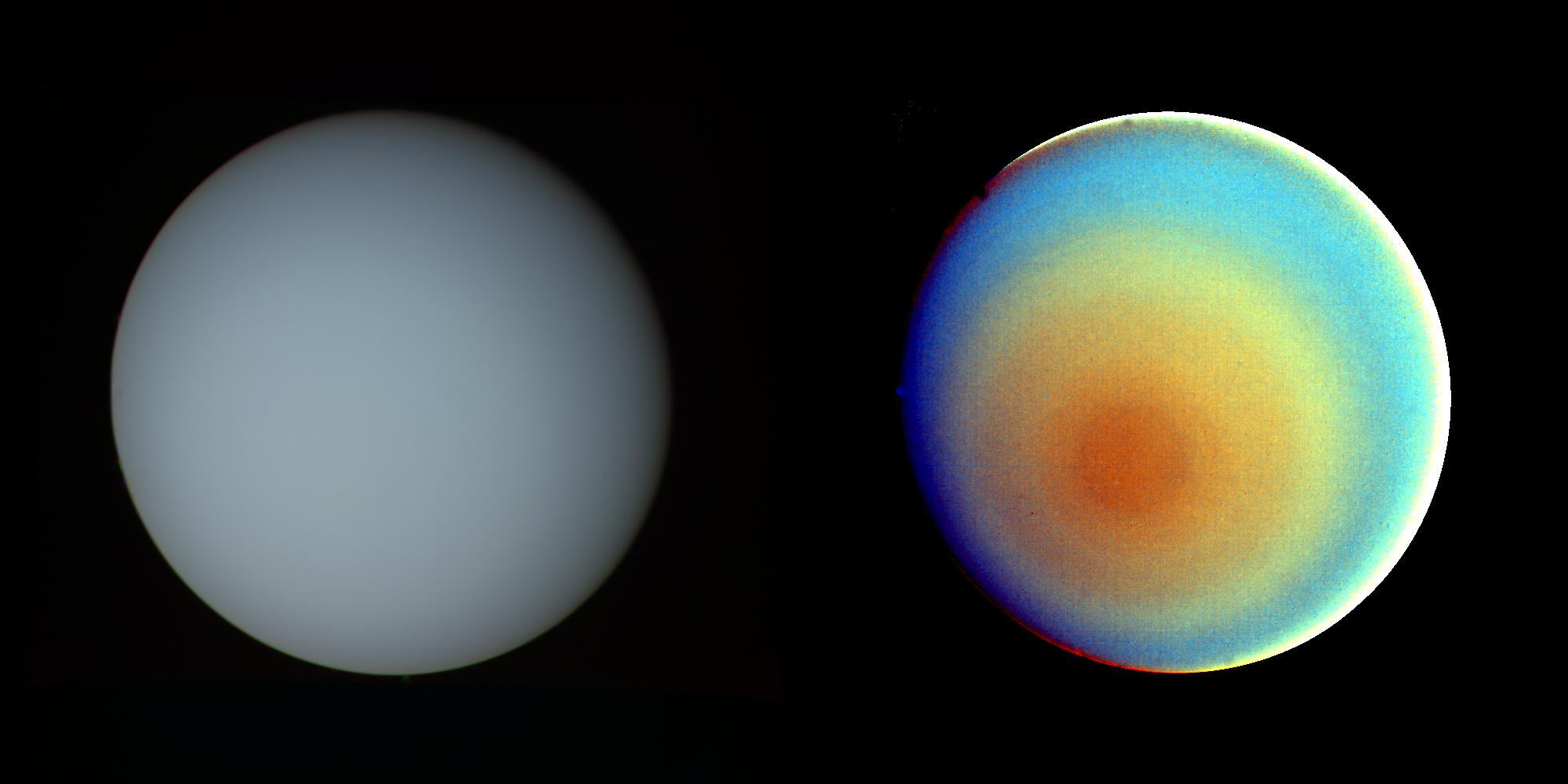
  • Detail on Mars, or any detail at all on Uranus and Neptune
  • Faint nebulae that need aperture and dark skies
  • Photography of anything other than the Moon

Is that enough to be worth it? Genuinely, yes — if you know what you are buying. Saturn through a 70mm refractor for the first time is a memorable experience, and the Moon never stops being interesting. What ruins the purchase is expecting to see photographs. Nothing you can buy at any price shows you photographs; they are long exposures stacked over hours. The right expectation is the difference between disappointment and a lifelong hobby.


Next Best Step

Need the fastest next step?

Pick the path that matches where you are right now: get a recommendation, compare buyer guides, or narrow by budget.

Open Finder Tool →

🎄 Holiday season: Telescope Christmas Gift Guide 2026 · Smart telescope Black Friday deals

The Picks Worth Buying

Three telescopes in this band that we would recommend to a friend, and why each one exists. Note that one widely stocked budget model — the Celestron PowerSeeker 70AZ — is currently showing as unavailable on Amazon, so we have not included it. Availability in this price band shifts more than anywhere else, and we re-verify before every sale event.

Editor's Pick — Best Under 200 Dollars
Gskyer 70mm aperture AZ mount refractor telescope with carry bag

Gskyer 70mm AZ Refractor Telescope

70mm aperture400mm focal lengthAlt-az mountBag, phone adapter, remote

A complete first telescope that gets the fundamentals right rather than the marketing ones. The 70mm refractor sits on a simple alt-az mount, and the kit includes a carry bag, a phone adapter, and a wireless shutter remote. The short focal length gives wide, forgiving views that make objects easy to locate — which matters far more for a first telescope than reaching an impressive magnification number. The phone adapter is the quietly valuable inclusion: being able to photograph what you just found is what keeps beginners coming back through the first frustrating weeks of learning the sky.

Pros

  • Usable out of the box with no extra purchases
  • Phone adapter and remote included, so you can photograph what you find
  • Wide field makes objects easy to locate for a beginner
  • Light enough to carry outside in a single trip

Cons

  • 70mm aperture limits deep-sky work to the brightest objects
  • You will outgrow it within a season or two
  • The mount is adequate rather than rock solid

Our Verdict

The default recommendation in this budget band, and the one we would buy ourselves. It shows Saturn's rings and the Moon's craters on the first clear night, which is exactly what a first telescope needs to do. If you already know the hobby will take hold, skip to our mid-range picks instead — you will save money in the long run.

Price: $96.99 · Sep 17, 2026

Affiliate link — we may earn a commission at no extra cost to you.

Celestron Travel Scope 70 portable refractor telescope with backpack
2Best for Travel

Celestron Travel Scope 70

70mm aperture400mm focal lengthBackpack includedUnder 4 lbs

From the largest name in consumer astronomy, and it solves a problem the Gskyer does not: portability. The whole telescope packs into an included backpack and sets up in about two minutes without tools. The optical performance is comparable to the Gskyer — the difference is that this is a telescope you will actually take to a dark site, and a telescope under dark skies shows dramatically more than a better one under streetlights. The included tripod is the weakest component, and if you use this regularly, replacing it is the first upgrade worth making.

Pros

  • Packs into an included backpack for travel and dark-site trips
  • Sets up in minutes with no tools and no alignment
  • Backed by Celestron, with the widest accessory ecosystem available

Cons

  • Included tripod is the weak point
  • Small aperture restricts you to brighter targets
  • Visible colour fringing on bright objects at high power

Our Verdict

Buy this over the Gskyer if portability matters to you, or if you want the reassurance of a mainstream brand and easy access to compatible accessories. The ability to take a telescope somewhere dark is worth more than any specification on this page.

Price: $89.99 · Sep 17, 2026

Affiliate link — we may earn a commission at no extra cost to you.

Celestron AstroMaster 70AZ refractor telescope for Moon and planet viewing
3Best for Planets

Celestron AstroMaster 70AZ Refractor

70mm aperture900mm focal lengthAlt-az mountTwo eyepieces included

The longest focal length of the three, at 900mm, which means the highest magnification for the same eyepiece. That makes Saturn and Jupiter noticeably larger than through the short-tube 70mm options, at the cost of a narrower field that takes more patience to aim. It ships with two eyepieces, so you can compare magnifications immediately and learn what your sky conditions support. This is the pick for someone whose motivation is planets rather than sweeping star fields.

Pros

  • High magnification per dollar — real detail on Saturn and Jupiter
  • Two eyepieces included, so you can compare views immediately
  • No electronics to fail, charge, or update

Cons

  • Narrow field makes finding objects slower for a beginner
  • Stay realistic about deep-sky targets at this aperture
  • A Barlow is worth adding, which pushes the total up

Our Verdict

The right choice if planets are what you want to see and you are prepared to learn to aim. Add a Barlow and a moon filter in the same sale and you have a complete planetary kit for surprisingly little.

Price: $169.95 · Sep 17, 2026

Affiliate link — we may earn a commission at no extra cost to you.

The Binocular Option Nobody Suggests

If this is your first optical instrument, binoculars are the recommendation most guides omit because binoculars do not look like astronomy. That is a mistake, and it is worth understanding why before you spend the budget on a telescope instead.

A pair of 15x70 astronomy binoculars has two 70mm objectives. That is comparable light-gathering to a 100mm telescope — more than any telescope in this price band — and because you view with both eyes, the perceived detail is better still. There is no setup, no mount to align, no image inversion to learn, and no eyepiece to choose. You walk outside and look up. For learning the constellations properly, binoculars are simply better than a telescope, and everything you learn with them makes you a more capable telescope user later.

Best Value in the Entire Budget
Celestron SkyMaster 15x70 astronomy binoculars for stargazing

Celestron SkyMaster 15x70 Astronomy Binoculars

15x magnification70mm objectivesPorro prismTripod adaptable

The most capable optical instrument you can buy for this budget, and the one we would choose for a complete beginner. Two 70mm objectives gather roughly the light of a 100mm telescope, and two-eyed viewing is both more comfortable and apparently more detailed. The 15x magnification is the practical limit for handheld use, though mounting them on a tripod transforms them for deep-sky work — and a basic tripod costs very little. The Andromeda Galaxy, the Pleiades, the Beehive Cluster, the Double Cluster, and the star fields of Cygnus are all genuinely rewarding through these. They are also useful in daylight, so they never sit unused.

Pros

  • Effective light grasp comparable to a much larger telescope
  • No setup, no alignment, no learning curve
  • Comfortable two-eyed viewing that beginners find far less tiring
  • Excellent for learning the constellations, which makes you a better observer
  • Doubles as a terrestrial instrument, so it is never idle

Cons

  • 15x is the handheld limit — a tripod is needed for best results
  • Heavy for binoculars; you will notice the weight after a few minutes
  • No high magnification, so planetary detail is limited to a small disc

Our Verdict

If you are choosing between these and a 70mm telescope, choose these. Add a tripod in the same sale and you have spent about the same as a telescope while seeing considerably more. Buy a telescope later, once you know the sky and know you want one.

Price: $89.00 · Sep 17, 2026

Affiliate link — we may earn a commission at no extra cost to you.

A note on the 10x50 option

Smaller 10x50 binoculars are lighter, cheaper, and easier to hold steady — but their light grasp is well below a 15x70 pair, and in this budget the extra aperture is the whole point. If you already own 10x50s, a telescope is the better addition. If you own nothing, buy 15x70s and a tripod.

Accessories That Punch Above the Budget

The best use of a limited budget is to spend part of it on accessories. A 70mm telescope with a Barlow and a moon filter shows you more than a bare 70mm telescope, and the accessories survive when you eventually upgrade the telescope. These are the three worth buying in the same order as your telescope, plus two cheap fixes for common frustrations.

Celestron Omni 1.25 inch 2x Barlow lens for telescope eyepieces

Celestron Omni 2x Barlow Lens

Doubles the effective magnification of every eyepiece you own. On a budget telescope this is the single most useful accessory you can buy, because it turns two eyepieces into four effective magnifications for very little money.

Price: $29.99 · Sep 17, 2026

Celestron variable polarising moon filter for telescope eyepieces

Celestron Variable Moon Filter

Makes high-power lunar viewing comfortable instead of painful. The Moon is the object a budget telescope handles best, so it is worth being able to look at it properly without glare washing out the detail.

Price: $42.95 · Sep 17, 2026

Celestron StarPointer red dot finderscope for telescopes

Celestron StarPointer Red Dot Finderscope

The most common reason a beginner session ends with nothing found is a factory finder that never quite lines up. This replaces it cheaply and makes aiming instinctive rather than a matter of trial and error.

Price: $23.95 · Sep 17, 2026

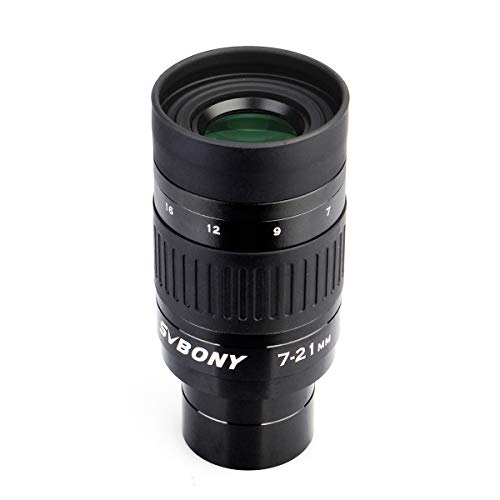
SVBONY SV135 7 to 21mm zoom telescope eyepiece

SVBONY SV135 7-21mm Zoom Eyepiece

One eyepiece covering the whole useful magnification range for a small telescope. On a budget, this replaces three eyepieces you would otherwise buy separately, and it shows you what your instrument can resolve.

Price: $47.49 · Sep 17, 2026

Amazon Basics 60 inch lightweight tripod

Amazon Basics 60-inch Lightweight Tripod

Essential if you buy the 15x70 binoculars — a tripod is what turns them from a handheld instrument into a deep-sky one. Also useful for steadying a phone over an eyepiece.

Price: $32.99 · Sep 17, 2026

GOSKY universal smartphone adapter for telescope and binoculars

GOSKY Universal Phone Adapter

The cheapest way to find out whether you enjoy photographing what you see. Good enough for the Moon and bright planets, which is all a budget telescope can realistically image anyway.

Price: $22.99 · Sep 17, 2026

Three Purchases to Refuse at Any Discount

A sale makes bad telescopes cheaper. That is not the same as making them good, and in this price band the bad ones outnumber the good ones. Three categories to walk away from regardless of the percentage on the badge:

1. Anything advertising extreme magnification

Boxes promising 400x, 525x, or 675x are describing a number with no physical meaning. Useful magnification is limited to roughly 50x per inch of aperture, and in practice the atmosphere caps it lower on most nights. A 70mm telescope is honest to about 140x. If magnification is the headline specification, the manufacturer is telling you they have nothing else to advertise. Our guide to magnification claims explains the arithmetic.

2. Any telescope on a plastic or undersized mount

A good optical tube on a mount that shakes is a bad telescope, and shake is the single most common defect in budget instruments. Every vibration from a hand, a breeze, or the focuser gets amplified at high magnification until nothing can be seen. When you compare two budget telescopes, compare the mounts first. A stable alt-az mount on a 70mm refractor beats a wobbly equatorial mount on anything.

3. Very short tabletop reflectors with spherical mirrors

Some inexpensive 76mm and 114mm reflectors use spherical rather than parabolic mirrors, which introduces blur that no eyepiece can fix. They look like more telescope for the money because the aperture number is larger, but the effective performance is worse than a good 70mm refractor. A parabolic mirror is the only acceptable specification in a reflector.

When to Stretch the Budget Instead

There is one circumstance where the honest advice is to spend more than your stated budget, and it is worth stating plainly: if you are confident the hobby will take hold, the mid-range is where telescopes become genuinely capable, and the money spent there is not wasted the way it is on a telescope you outgrow in a season.

Budget Band What You Get What Changes
Under 200 dollars 70mm–90mm refractors, astronomy binoculars Saturn’s rings, lunar detail, the brightest clusters. A real instrument with a real ceiling.
Mid-range 130mm reflector on a tabletop Dobsonian base Roughly triple the light grasp. The Cassini Division, resolved globular clusters, dozens of galaxies and nebulae.
Higher Larger Dobsonians, or GoTo mounts Aperture, plus the convenience of automatic object finding and tracking.

The jump from a 70mm refractor to a 130mm tabletop Dobsonian is the largest single improvement available anywhere in the hobby per pound spent — and because that model is a frequent discount target in Prime events, October is a reasonable moment to make it. If your budget is genuinely fixed, the 70mm refractor and binoculars above are good instruments and worth owning. If you are deciding between a budget telescope now and a mid-range one after a few more weeks of saving, waiting is the better long-term decision.

🛒 See the mid-range picks in the October deals guide What a 130mm tabletop Dobsonian costs in the sale, and why we recommend it.


Continue Exploring

Keep the session going with the next useful answer

Choose the next page based on whether you need a recommendation, a comparison, or a practical observing plan.

Use Finder Tool →

🎄 Holiday season: Telescope Christmas Gift Guide 2026 · Black Friday deal tracking

Related Guides

Frequently Asked Questions

What is the best telescope under 200 dollars?

For most beginners, a 70mm refractor on a stable alt-az mount from a brand that makes real astronomy equipment. It shows Saturn’s rings, the Moon in satisfying detail, and the brightest clusters. If you have no instrument at all, 15x70 astronomy binoculars are better value still, because they gather comparable light with no setup to learn.

Do telescopes go on sale in October?

Yes. Amazon Prime Big Deal Days runs October 6–7, 2026, and budget instruments typically see reductions in the region of 15–30% during Prime events. Accessories in this price band discount harder still, often 20–35%, so filling out a starter kit in the same order is worthwhile.

Is a 70mm telescope worth buying, or should I save more?

Both are defensible. A 70mm telescope is a real instrument that will show you Saturn’s rings and genuine lunar detail — that is not a toy. But if you are confident the hobby will last, saving for a 130mm reflector gives you roughly triple the light grasp and access to dozens of galaxies and nebulae, and that is the largest single improvement available per pound spent.

Are the telescopes promising 400x magnification any good?

No. Useful magnification is capped at roughly 50x per inch of aperture, so a 70mm telescope is honest to about 140x. A box advertising several hundred times magnification is describing a number you cannot use, and it usually indicates a manufacturer with no optical specification worth advertising.

What accessories should I buy with a budget telescope?

A Barlow lens first, because it doubles the magnification of every eyepiece you own. Then a variable moon filter, which makes high-power lunar viewing comfortable. A red-dot finder is worth adding if your telescope’s factory finder struggles to hold alignment, which is common in this price band.

Should I buy a telescope or binoculars as a first instrument?

Binoculars, if your priority is seeing a lot quickly and learning the sky, or a telescope if your priority is Saturn and the Moon at high magnification. Binoculars have no setup to learn and are more comfortable to use; a telescope shows planets as discs rather than points. Many observers eventually own both.

Can I take photographs with a budget telescope?

The Moon, and reasonably well, using an inexpensive phone adapter. Beyond that, budget telescopes are not imaging instruments — the mount is not stable enough for long exposures and the aperture is too small for faint targets. If photography is your goal, a smart telescope is the appropriate purchase rather than a budget refractor and a camera adapter.