Austin Stargazing: Best Dark Sky Spots in the Hill Country
Telescope Advisor Logo Telescope Advisor
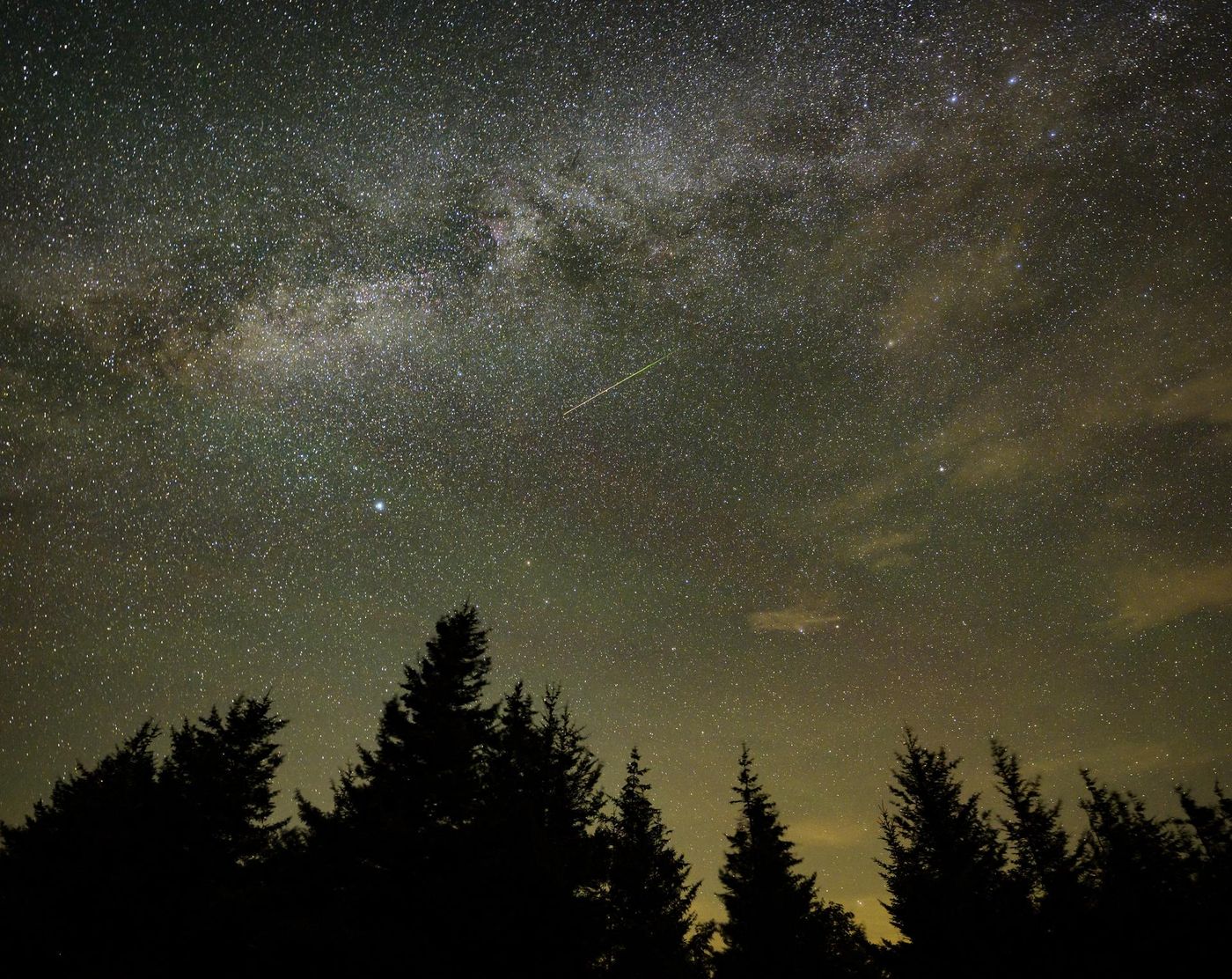
The Milky Way arching over a dark tree line with a Perseid meteor, the kind of sky the Hill Country west of Austin shows on a clear night

Stargazing Destination Guide · Greater Austin

Austin Stargazing: The Best Dark Sky Spots and Observatories Within 2 Hours (2026)

Austin's dark sky story is different from every other big city's. There is no national park and no mountain range to hide behind. Instead, the small towns of the Hill Country west of the city have spent a decade rewriting their lighting codes, and the result is the densest cluster of certified Dark Sky Communities in the United States, starting 30 minutes from downtown. Add a county-run public observatory, two state parks that host free star parties, and a certified Dark Sky Park at Enchanted Rock, and this guide to stargazing near Austin covers more public telescope nights per month than any Texas city.

Sky DowntownBortle 8
Darkest Within 2 HoursBortle 3 (Enchanted Rock)
Certified Dark Sky Towns8 within 90 minutes
Best SeasonOctober to April

Photo: a Perseid meteor and the Milky Way over Spruce Knob, August 2021. NASA/Bill Ingalls

By Telescope Advisor Editorial TeamPublished: Updated: Reviewed & approved by Juhi Sahni, Senior Editor Editorial Standards

Stargazing Near Austin at a Glance

Drive times start at the Texas Capitol in normal evening traffic, which on Highway 290 and Highway 71 westbound means adding 20 minutes between 4 and 7 pm. Round Rock, Georgetown and Cedar Park are 20 minutes closer to the Highland Lakes sites and 20 minutes further from the Highway 290 corridor; San Marcos, Kyle and Buda are closest to Wimberley and Blanco. Bortle classes come from light-pollution maps cross-checked against what Austin club members report seeing. The pattern to notice is that the sky darkens a full class roughly every 20 miles west, and barely at all going east, north or south along Interstate 35.

LocationBortleDrive from the CapitolNight AccessBest For
Dripping Springs530 min WTown; first Dark Sky Community in Texas (2014)Gateway to the dark Hill Country
Reimers Ranch Observatory4–545 min WReservation-only evening programmes; park otherwise closes at sunsetClosest public telescope to downtown
Pedernales Falls SP450 min WCampers after 10 pm; free public star partiesEasiest dark overnight
Wimberley Valley4–550 min SWTown; Dark Sky Community (2018)Weekend base with lodging
Blanco & Blanco SP41 hr WTown; Dark Sky Community (2022); state park campersRiver camping in a dark town
Horseshoe Bay41 hr 10 min NWTown; Dark Sky Community (2015)Lake LBJ horizon
Inks Lake SP41 hr 15 min NWCampers after 10 pm; free public star partiesLake horizon and star parties
Canyon of the Eagles & Eagle Eye Observatory3–41 hr 30 min NWResort guests; ticketed observatory eveningsAn observatory on a lake shore
Fredericksburg41 hr 30 min WTown; Dark Sky Community (2020)Wine-country weekend
Enchanted Rock SNA31 hr 40 min WReservation required; certified Dark Sky ParkDarkest sky within two hours
South Llano River SP2–32 hrs 15 min WCampers; certified Dark Sky ParkThe weekend upgrade

Why Austin's Dark Sky Story Is About Towns, Not Parks

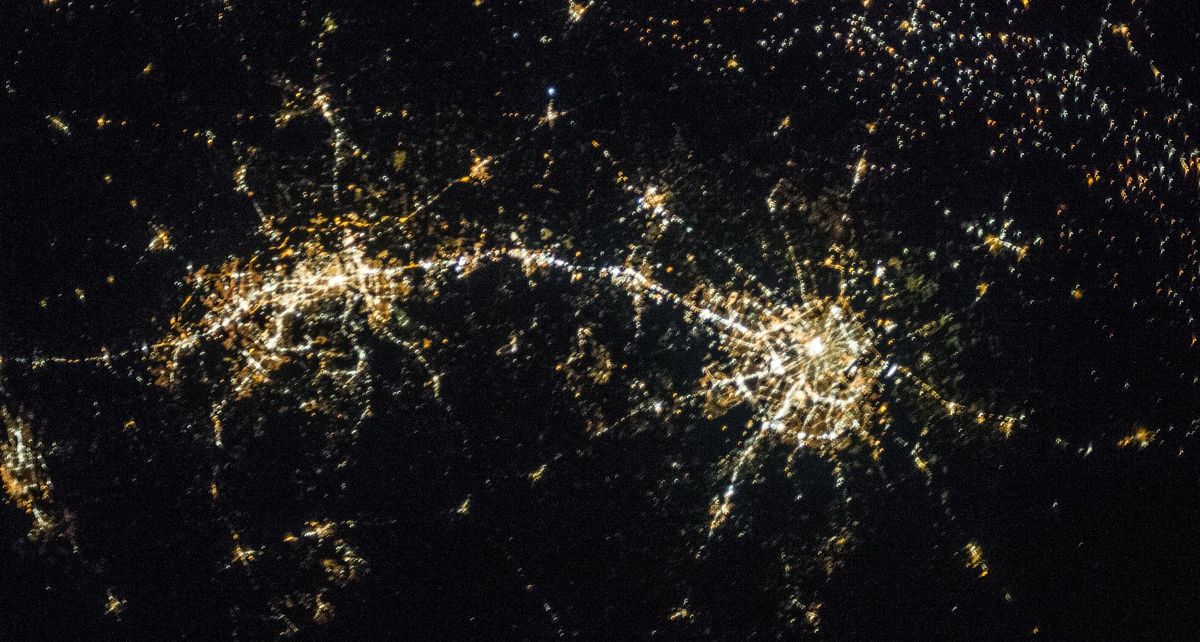
From orbit, Austin and San Antonio look like two bright knots on a 75-mile string of light, the Interstate 35 corridor that now holds five million people. East of that line the Blackland Prairie is farm country and small towns, flat and moderately lit. West of it the land breaks up into the limestone hills of the Edwards Plateau, and the lights thin out fast. That geography alone would make the Hill Country the place to go. What makes it unusual is what the towns out there have done with it.

In 2014 Dripping Springs became the first International Dark Sky Community in Texas, 30 minutes from the Capitol. Horseshoe Bay followed in 2015, Wimberley Valley in 2018, Fredericksburg in 2020, Blanco in 2022, Bee Cave and Jonestown in 2023, and Liberty Hill in 2025. Eight certified communities within about 90 minutes of one city is unmatched anywhere in the country, and it is the work of the Hill Country Alliance's night skies programme, which has spent fifteen years helping towns and counties adopt shielded, warm-coloured outdoor lighting. The practical effect for a stargazer is a sky that improves by roughly one Bortle class every 20 miles you drive west on Highway 290 or Highway 71, from Bortle 8 downtown to Bortle 3 at Enchanted Rock.

The other half of the story is public access. Austin has a county-run observatory, two state parks where the astronomy club runs free monthly star parties, a resort observatory on Lake Buchanan and a university telescope open two nights a week. The DarkSky Texas chapter keeps the statewide list of certified places. For how Texas compares with other states, see our USA dark sky map and light pollution guide.

San Antonio and Austin at night from the International Space Station, joined by the lit Interstate 35 corridor with dark Hill Country to the west

San Antonio (left) and Austin (right) at night, joined by the Interstate 35 corridor. The dark country above them in this view is the Hill Country. Photo: NASA, Expedition 37.

Top Pick: Closest Public Telescope

Reimers Ranch Observatory

Forty-five minutes west of downtown on Hamilton Pool Road, Milton Reimers Ranch Park is 2,400 acres of Travis County parkland on the Pedernales River, and on its high ground sits the Reimers Observatory, the only publicly owned observatory in the Austin area. Built by the county with the Austin Astronomical Society and opened in 2017, it houses a research-grade telescope under a roll-off roof, with concrete pads outside for visitors who bring their own instruments. The sky is Bortle 4 to 5: the Austin dome sits to the east, but the Hill Country to the west and south is dark enough for the Milky Way to show clearly in summer.

How it works. The park closes at sunset to ordinary visitors, so the way in after dark is a scheduled observatory programme. Evenings typically start around 9 pm and run about two hours, with a volunteer walking the group through the sky and the big telescope turned on the best targets of the season. Reservations are required and are made through the Travis County Parks reservation system, where the observatory has its own page; spaces are limited and the popular new-Moon dates go first. Programmes are cancelled for cloud, so check the park's alerts before you drive out.

Two things make Reimers the right first stop for an Austin beginner. It is close enough for a school-night visit, and the observing pads mean you can set up your own small telescope beside people who know the sky. Bring a red light, long sleeves for the mosquitoes that come off the river, and a chair; the pads are open to the wind.

The Milky Way arching over dark trees with a meteor, similar to the summer sky from the Reimers Ranch observing pads

Photo: NASA/Bill Ingalls

Pedernales Falls and Inks Lake: Free Star Parties in State Parks

The Austin Astronomical Society calls two state parks its home fields, and both host its free public star parties, which rotate between them roughly once a month around the new Moon. Pedernales Falls State Park, 50 minutes west near Johnson City, is the easier of the two: a Bortle 4 sky, a large campground, and a wide open field by the park's day-use area where members line up telescopes from 8-inch Dobsonians to 14-inch Schmidt-Cassegrains. Texas Parks and Wildlife lists the dates on the park's event calendar and asks visitors to register so they can be told about cloud cancellations. Day visitors have to be out by 10 pm, so staying past the end of the star party means booking a campsite.

Inks Lake State Park, 75 minutes north-west near Burnet, is the other field and the better of the two for a full night. The lake gives a flat open horizon, the pink granite country around it is lightly settled, and the sky is a solid Bortle 4 with the glow of Marble Falls and Burnet low in the south-east. The campground sits on the water, which means dew, and the park's star parties draw families from the whole Highland Lakes area. Both parks require advance reservations for camping and, on busy weekends, for day entry, so book the same week you see a star party date announced.

The Dark Sky Communities: A Weekend Circuit

The certified towns are what make the Hill Country different from any other dark sky region: you can sleep in a real town with restaurants and still see the Milky Way from the parking lot. Dripping Springs, 30 minutes out, is the gateway and the closest; its sky is only Bortle 5 because Austin keeps growing toward it, but its ordinance is why the sky west of it stays dark. Wimberley Valley, 50 minutes south-west along the Blanco River, is the prettiest base, with Blue Hole and Jacob's Well by day and a Bortle 4 to 5 sky from the hills above town. Blanco, an hour west, pairs its 2022 designation with a riverside state park where campers can stay after dark under a Bortle 4 sky.

Further out, Fredericksburg is the wine-country weekend that most visitors search for, and since 2020 it has been a certified community as well, with a Bortle 4 sky at the edge of town and Enchanted Rock 20 minutes north. Horseshoe Bay on Lake LBJ was the second Texas community certified, in 2015, and its lakeside horizon is the best of the group. Bee Cave, Jonestown and Liberty Hill are the newest members and the closest to the city's northern suburbs; their skies are still Bortle 5 to 6, but the certifications protect the darker country beyond them. Each town publishes its own star party dates, usually through its tourism office or the Hill Country Alliance calendar.

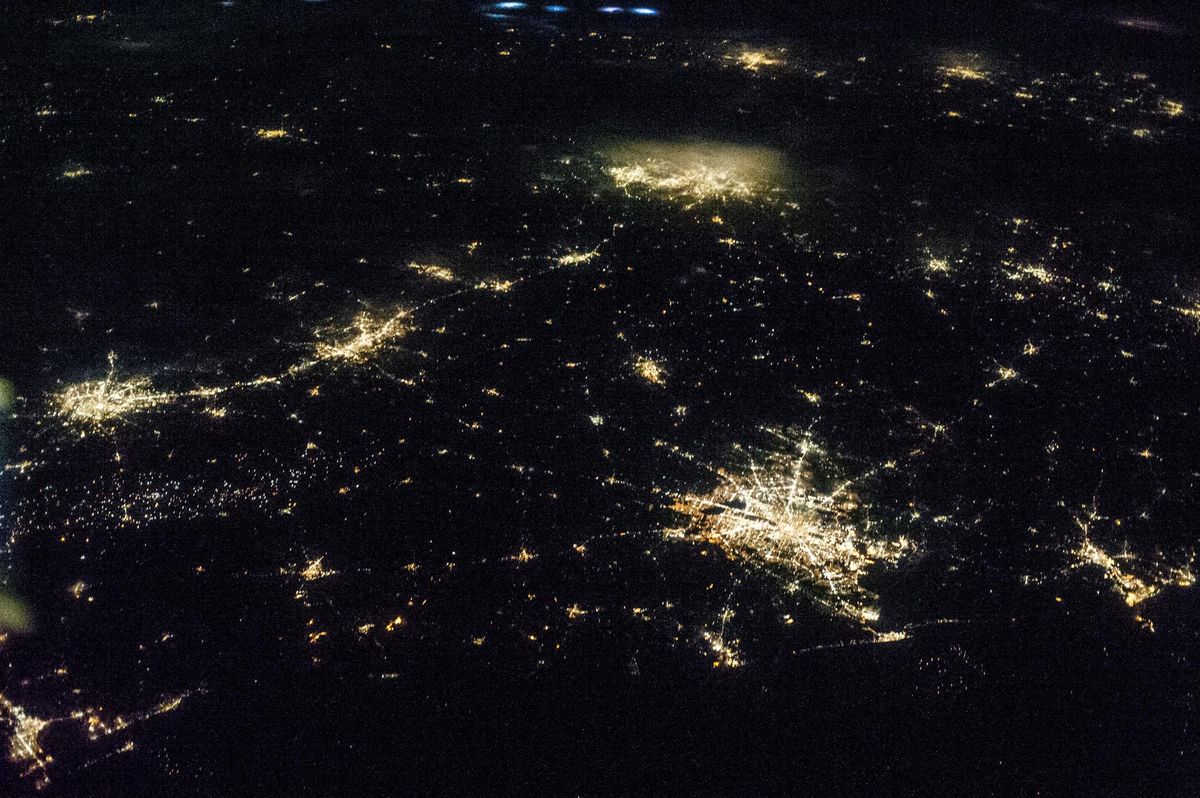
Oblique night view of Texas from the International Space Station showing the four largest metro areas as islands of light separated by dark country

Texas at night from the International Space Station: the big metros are islands of light, and the Hill Country between Austin and San Antonio and the west stays dark. Photo: NASA, Expedition 36.

Canyon of the Eagles and the Eagle Eye Observatory

Ninety minutes north-west, where Ranch Road 2341 dead-ends on the northern shore of Lake Buchanan, Canyon of the Eagles is a 940-acre nature park and resort run for the Lower Colorado River Authority, and it has its own observatory. The Eagle Eye Observatory sits on a hilltop above the lake with a Bortle 3 to 4 sky, the darkest of any site with a bed on this page, and runs ticketed evening programmes under the name The Stars at Night, led by a volunteer astronomer with large telescopes and imaging gear. Dates cluster in spring and summer and are sold through the resort; the programme is open to day visitors who buy a ticket, not only to overnight guests.

The resort has a lodge, cabins and tent and RV sites, and visitors who bring their own telescope can set up on the open ground outside the observatory on any clear night of their stay. The lake lies to the south and west, so the summer Milky Way core rises over open water, and the surrounding country is the Llano Uplift, granite ranchland with almost no lights. Of all the places on this page it is the one that most resembles the West Texas experience without the eight-hour drive.

Worth the Drive: Enchanted Rock, South Llano River and McDonald Observatory

An hour and forty minutes west, past Fredericksburg, Enchanted Rock State Natural Area is a certified International Dark Sky Park and the darkest sky within two hours of Austin, Bortle 3, with the pink granite dome itself as the observing platform. Day passes and campsites are reservation-only and the new-Moon weekends are typically gone a month in advance, which is also when the Austin Astronomical Society schedules its public star parties on the rock. Two hours and fifteen minutes out, South Llano River State Park near Junction is also a certified Dark Sky Park and darker still at Bortle 2 to 3, with a campground, a river, and almost no visitors on weeknights. Both parks, and the seven-hour pilgrimage to McDonald Observatory and Big Bend, get full treatment in our Texas stargazing guide; this page draws its western boundary at the Pedernales.

Inside the City: Painter Hall and Astronomy on Tap

The University of Texas opens the historic Painter Hall telescope to the public for free on Friday and Saturday nights while the university is in session, no reservation needed, with a recorded status line (512-232-4265) updated about half an hour before each session. The telescope is a 9-inch refractor from 1933 on the roof of a campus building a block north of the Tower, the sky is Bortle 8, and the targets are the Moon, planets and double stars, but it is the easiest telescope night in Texas and a good first step for children. There is no viewing on Saturdays when the football team plays a night home game, and the schedule pauses over the summer and winter breaks.

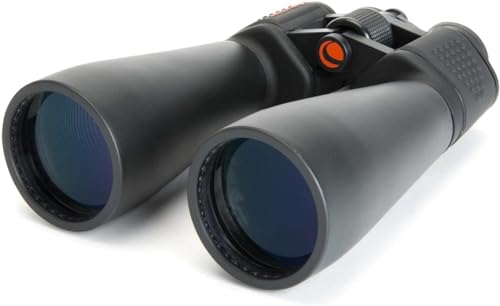
The same department's graduate students run Astronomy on Tap ATX, a monthly evening of short talks in a bar, which is the best way to find out what the local community is observing and where. The Austin Astronomical Society holds its general meetings in town and occasional in-city outreach nights in suburban parks such as Pflugerville's 1849 Park. A backyard anywhere inside Highway 183 or Mopac gives you the Moon, the bright planets and the winter constellations; hand-held 15x70 binoculars stretch that to the Galilean moons, the Pleiades and the glow of the Orion Nebula. The pair we recommend is the Celestron SkyMaster 15x70, and it is just as useful on a Pedernales Falls picnic table while you wait for a turn at the club's big Dobsonians.

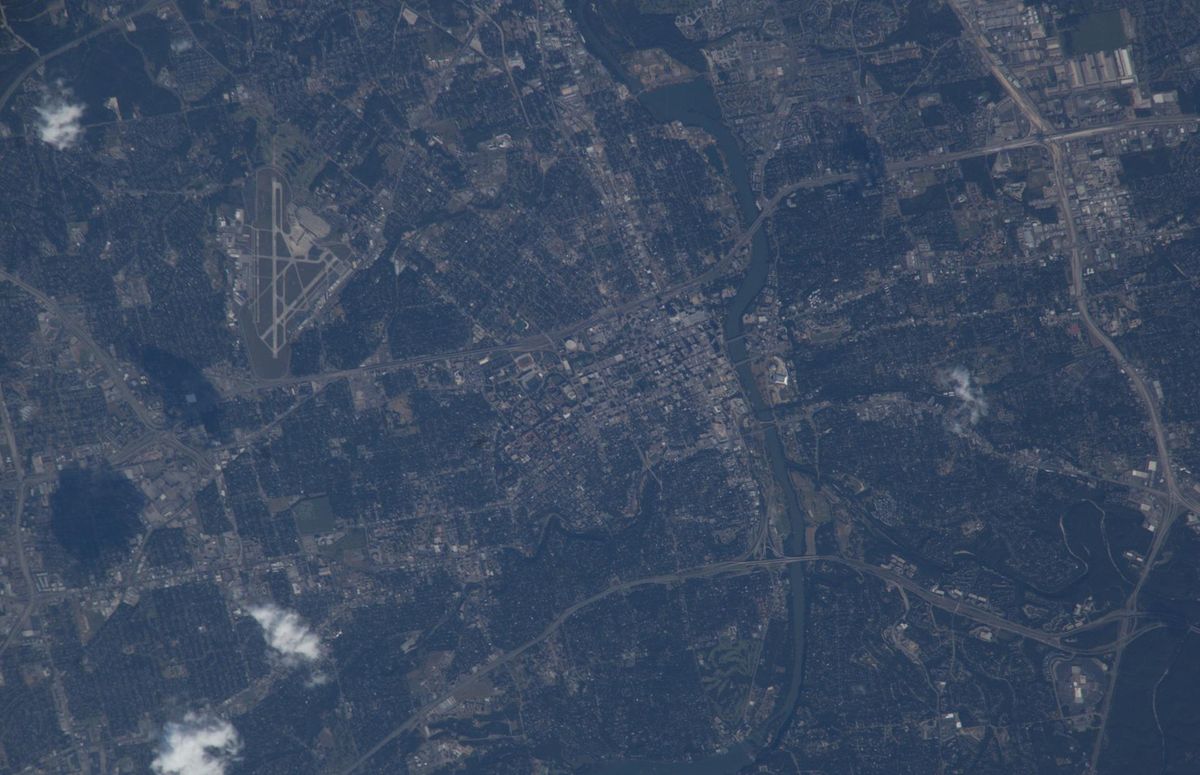
Austin and the Colorado River photographed from the International Space Station, with downtown and the university campus at centre

Austin from the International Space Station: downtown and the University of Texas campus at centre, the Colorado River running through. Photo: NASA, Expedition 7.

When to Go: Austin Stargazing Month by Month

Central Texas has a long clear season and a short miserable one. The rule is that October to April is for everything, summer is for the Highland Lakes and the higher Hill Country after midnight, and the first dry night behind a cold front is always worth the drive.

MonthsConditionsWhere to GoWhat to See
October – NovemberThe best window: first cold fronts, dry air, 50s at night, few mosquitoesEnchanted Rock, Pedernales Falls, Canyon of the EaglesMilky Way core at dusk, Andromeda overhead, Orionids
December – FebruaryClear and cold behind each front; cedar pollen peaks, which matters for the observer not the skyAny Hill Country site; Painter Hall on FridaysOrion Nebula, Pleiades, Geminids December 13–14
March – MayWildflowers, warm nights, but the stormiest months and flash-flood season on the riversInks Lake, Blanco, Wimberley between storm systemsGalaxy season in Leo and Virgo
June – August100-degree days, nights still near 80, haze and humidity; clear but soft skiesCanyon of the Eagles, Inks Lake, Reimers after 10 pmMilky Way core overhead, Perseids August 12–13
SeptemberStill hot early, improving fast by month's end; hurricane remnants occasionallyPedernales Falls, Enchanted Rock late in the monthCore in the south-west at dusk, Saturn and Jupiter rising

Match the trip to a new Moon with our 2026 astronomy events calendar, then check the park's event page for a star party on the same weekend. The Austin Astronomical Society schedules around the new Moon, so the two usually line up.

What to Bring to the Hill Country

  • Reservations. Texas state parks require them for camping and often for day entry; Reimers Observatory and Canyon of the Eagles programmes are reservation-only. Nothing on this page is a turn-up-and-see site after dark except the certified towns themselves.
  • Dew control from spring to autumn, especially at Inks Lake, Pedernales Falls and anywhere on the water. A dew shield at minimum; a heater strip if you own a Schmidt-Cassegrain.
  • Repellent and long trousers. Mosquitoes near the rivers, chiggers and fire ants in the grass. Shake out your chair before you sit down in the dark.
  • Flash-flood awareness. The Hill Country is called Flash Flood Alley for a reason. Never camp or park in a dry creek bed, and leave river sites if a storm is building upstream, even if your sky is clear.
  • Respect for private land. Most of the Hill Country is fenced ranchland. Observe from parks, towns and designated pullouts, not roadside gates.
  • A red headlamp, layers and water. A 95-degree afternoon at Enchanted Rock becomes a 60-degree night with wind on the summit.

Best Telescopes and Binoculars for Hill Country Skies

Austin's sites are mostly Bortle 4, which is the sweet spot where a modest telescope starts to show real deep-sky objects and a bigger one shows a lot more. Most of them are also drive-up, with a short carry to a pad or a campsite, so weight matters less than it does in the desert.

Celestron SkyMaster 15x70 binoculars

Celestron SkyMaster 15x70

For star parties and backyards

What to hold while you wait in line for the big Dobsonian at Pedernales Falls, and enough on its own for the Pleiades and Jupiter's moons from a Round Rock backyard.

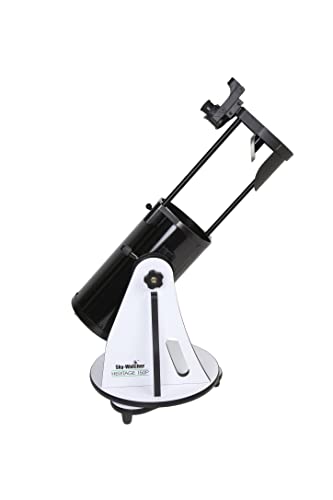
Sky-Watcher Heritage 130P tabletop Dobsonian

Sky-Watcher Heritage 130P

For the Reimers observing pads

A 5-inch collapsible Dobsonian that sets up on a concrete pad or a picnic table in two minutes and resolves globular clusters under a Bortle 4 sky.

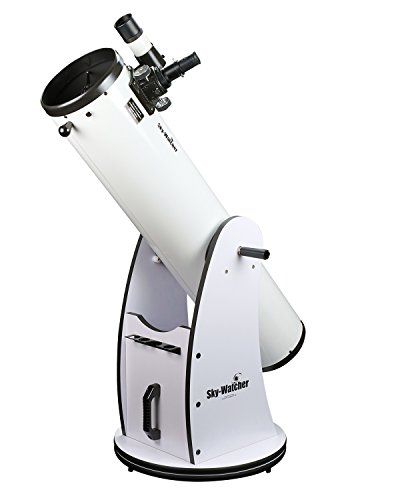
Sky-Watcher Classic 200P 8-inch Dobsonian

Sky-Watcher Classic 200P (8")

For Enchanted Rock and Inks Lake camping

The 8-inch that turns a Bortle 3 night at Enchanted Rock into galaxies with structure and the Veil Nebula with a filter, and the scope most Austin club members started with.

Observing mostly from a Cedar Park or South Austin backyard? Our round-up of the best telescopes for urban stargazing is built for exactly that sky, and when humidity fogs your optics at Inks Lake, dew heaters versus dew shields explains the fix.


🔭

Not sure which telescope suits a Hill Country star party?

Tell the Finder Tool your budget, whether you observe from an Austin backyard or drive out to Pedernales Falls, and what you want to see. It recommends a specific model in under two minutes.

Find My Telescope →

Astronomy Clubs and Public Programmes Around Austin

The Austin Astronomical Society runs the free public star parties at Pedernales Falls and Inks Lake, supports Enchanted Rock's astronomy programmes, keeps a members-only observing field near Lampasas, and meets monthly in town. Travis County Parks operates the Reimers Observatory programmes. Canyon of the Eagles runs the Eagle Eye Observatory evenings on Lake Buchanan. The University of Texas Department of Astronomy opens Painter Hall on Friday and Saturday nights in term and hosts Astronomy on Tap. The Hill Country Alliance coordinates the region's Dark Sky Communities and publishes a night-sky events calendar, and DarkSky Texas maintains the statewide list of certified places. For meeting details and the other Texas clubs, see our Texas astronomy clubs directory, and if your group is missing you can submit it here.


Continue Exploring

Keep the session going with the next useful answer

Choose the next page based on whether you need a recommendation, a comparison, or a practical observing plan.

Use Finder Tool →

🎄 Holiday season: Telescope Christmas Gift Guide 2026 · Black Friday deal tracking

Austin Stargazing FAQ

Can you see the Milky Way from Austin?

Not from inside the city, where the sky is Bortle 8. Drive 45 minutes west to Reimers Ranch or Pedernales Falls and the summer Milky Way is visible to the naked eye on a moonless night; from Enchanted Rock, an hour and forty minutes out, it is bright and detailed. The sky improves by roughly one Bortle class every 20 miles west on Highway 290.

What is the closest dark sky to Austin?

Pedernales Falls State Park, about 50 minutes west near Johnson City, is the closest genuinely dark overnight at Bortle 4, and the Austin Astronomical Society holds free star parties there. Reimers Ranch Observatory, 45 minutes out, is slightly brighter but has the closest public telescope. For the darkest sky within two hours, Enchanted Rock is Bortle 3.

Is Reimers Ranch Observatory open to the public?

Yes, through scheduled evening programmes that require a reservation made via the Travis County Parks website. Programmes typically start around 9 pm and last about two hours, with a volunteer guide and the observatory's main telescope. The park itself closes at sunset, so there is no drop-in access after dark outside a programme.

What is the best month for stargazing in Austin?

October and November. The first cold fronts dry the air, nights drop into the 50s, the mosquitoes fade and the Milky Way core is still visible at dusk. December through February is nearly as good on the clear nights between fronts. June through August is clear but hazy, humid and hot, and best handled at the Highland Lakes after 10 pm.

Which Hill Country towns are Dark Sky Communities?

Eight certified International Dark Sky Communities lie within about 90 minutes of Austin: Dripping Springs (2014), Horseshoe Bay (2015), Wimberley Valley (2018), Fredericksburg (2020), Blanco (2022), Bee Cave and Jonestown (2023) and Liberty Hill (2025). Enchanted Rock and South Llano River are certified Dark Sky Parks.

Where are the free telescope nights in Austin?

The University of Texas opens the Painter Hall telescope on campus for free on Friday and Saturday nights while the university is in session, no reservation needed, except on Saturdays with a night home football game. The Austin Astronomical Society's monthly star parties at Pedernales Falls and Inks Lake state parks are also free beyond the park entry fee.