Stargazing Near Boston: Dark Skies Within a Night's Drive
Telescope Advisor Logo Telescope Advisor
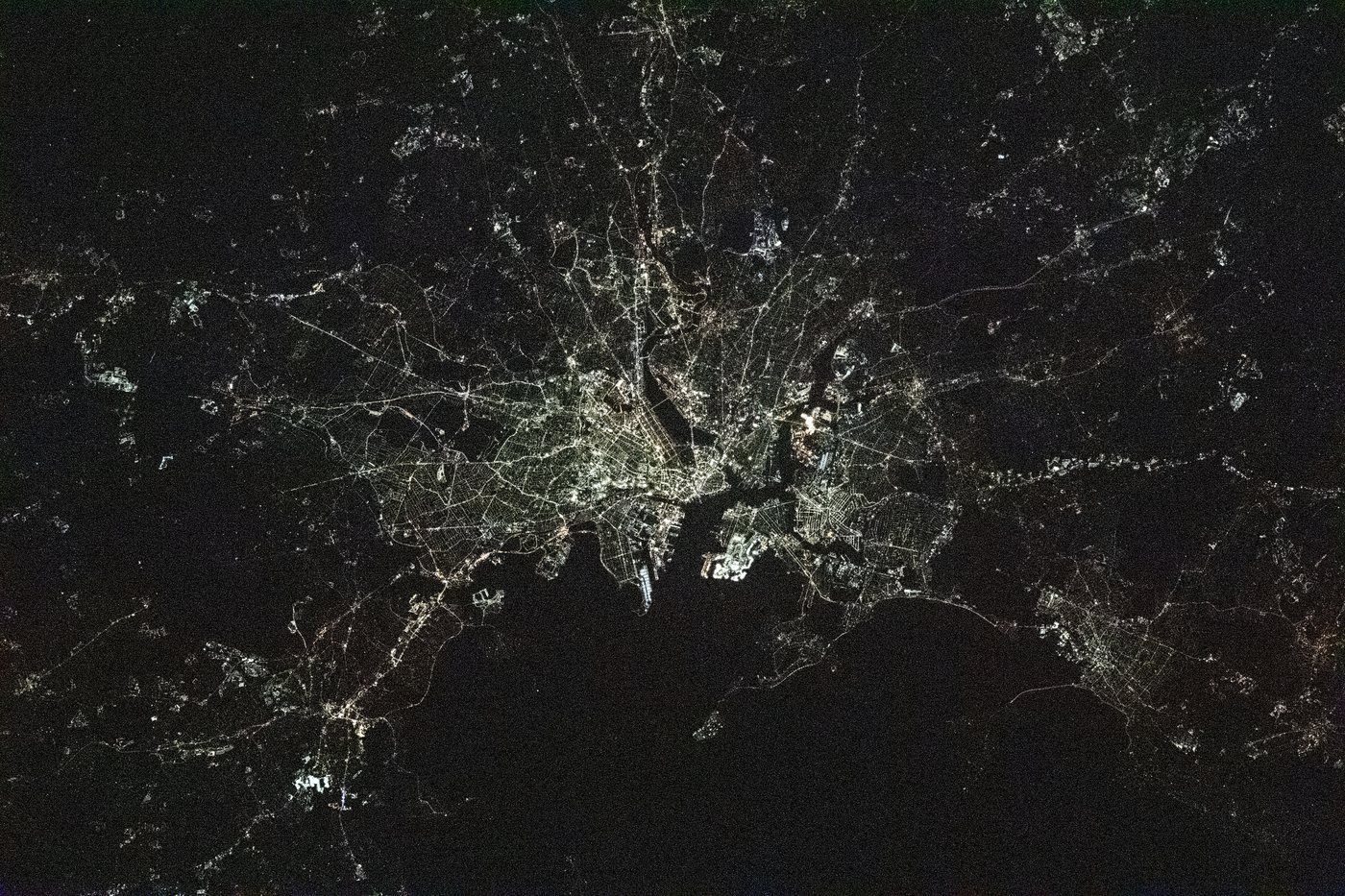
Boston at night from the International Space Station, the lit street grid wrapping around the dark water of Boston Harbor with suburbs spreading inland

Stargazing Destination Guide · Greater Boston, Providence and Southern New Hampshire

Stargazing Near Boston: Telescope Nights and Dark Skies From the Harbor to the Outer Cape (2026)

Boston sits at the northern end of the lit corridor that runs down the coast to Washington, and its own sky shows only a handful of stars. What makes up for it is a remarkable density of observatories that open their doors to the public, several of them every week, and an arm of sand that reaches some 65 miles into the Atlantic. This guide to stargazing near Boston, Cambridge, Worcester and Providence covers the free telescope nights in the city, the weekly observatory nights in Rhode Island, the Cape Cod beaches you can legally use after dark, and how far you have to go for a certified dark sky park.

Sky DowntownBortle 8–9
Public Observatory NightsFour a week, in season
Darkest Legal Spot NearbyOuter Cape beaches, to midnight
Best SeasonSeptember to October

Photo: Boston at night from the International Space Station, December 30, 2020. NASA, Expedition 64

By Telescope Advisor Editorial TeamPublished: Updated: Reviewed & approved by Juhi Sahni, Senior Editor Editorial Standards

Stargazing Near Boston at a Glance

Drive times assume light traffic from downtown Boston; from Worcester or Lowell, the Rhode Island observatories are roughly as close, and from Providence they are under an hour. The Bortle numbers are approximate and come from light-pollution maps, so treat them as a comparison between places rather than a promise. One rule shapes this whole list: many Massachusetts state parks close at sunset, so the sites below are ones where you are allowed to be after dark.

LocationBortleFrom DowntownNight AccessBest For
Judson B. Coit Observatory, Boston University910 min westMost Wednesdays, free ticketA first look through a telescope
Center for Astrophysics, Cambridge820 min westRoughly monthly, free ticketA research talk, then the roof
Ladd Observatory, Providence81 hr south-westTuesdays, free ticketAn 1891 observatory on College Hill
Seagrave Memorial Observatory, North Scituate RI51 hr 15 min south-westSaturdays, freeClub telescopes and a historic Clark refractor
Werner Schmidt Observatory, South Yarmouth51 hr 30 min south-eastScheduled star partiesMid-Cape observers
Frosty Drew Observatory, Charlestown RI41 hr 40 min south-westEvery Friday, $5The darkest public site in Rhode Island
Cape Cod National Seashore, outer Cape3–42 hr 15 min south-eastBeach lots open until midnightThe Milky Way over open ocean
Loines Observatory, Nantucket3–4Ferry from HyannisTicketed nights, May to NovemberA 24-inch telescope on an island

Why Boston's Sky Is So Bright, and Where It Isn't

Seen from orbit, eastern Massachusetts is a web of light from the North Shore to Plymouth, running inland along Route 128 and Interstate 495 and joining the glow of Providence to the south-west. Beyond Providence it continues through Connecticut towards New York, so on a clear night a large part of southern New England never gets properly dark. Inside Route 128 the sky is Bortle 8 or 9: the Moon, the bright planets and perhaps two dozen stars, and on a hazy summer evening even fewer.

The way out is east. Cape Cod bends away from the mainland like a flexed arm, and the outer Cape from Eastham to Provincetown has the Atlantic on one side and Cape Cod Bay on the other, with very little development between. Out there, the brightest glow is the one you have left behind, low over the bay to the west, and the eastern half of the sky sits over nothing but ocean. The other direction that works is north-west into the hills of central Massachusetts and southern New Hampshire, though the land there is a patchwork of towns and much of the public land is closed at night.

That closing time matters more here than in most places. Many Massachusetts state parks keep sunrise-to-sunset hours; at Wompatuck State Park in Hingham, only registered campers may stay after dark, and the large campground is the practical way to observe there in the camping season. At Quabbin Reservoir, the dark heart of the state, walkers may stay until an hour after sunset but vehicles must be out of the gates by a posted time that changes through the year, so it is a daytime place for most visitors. Plan around sites that are open at night, which is what the rest of this guide does.

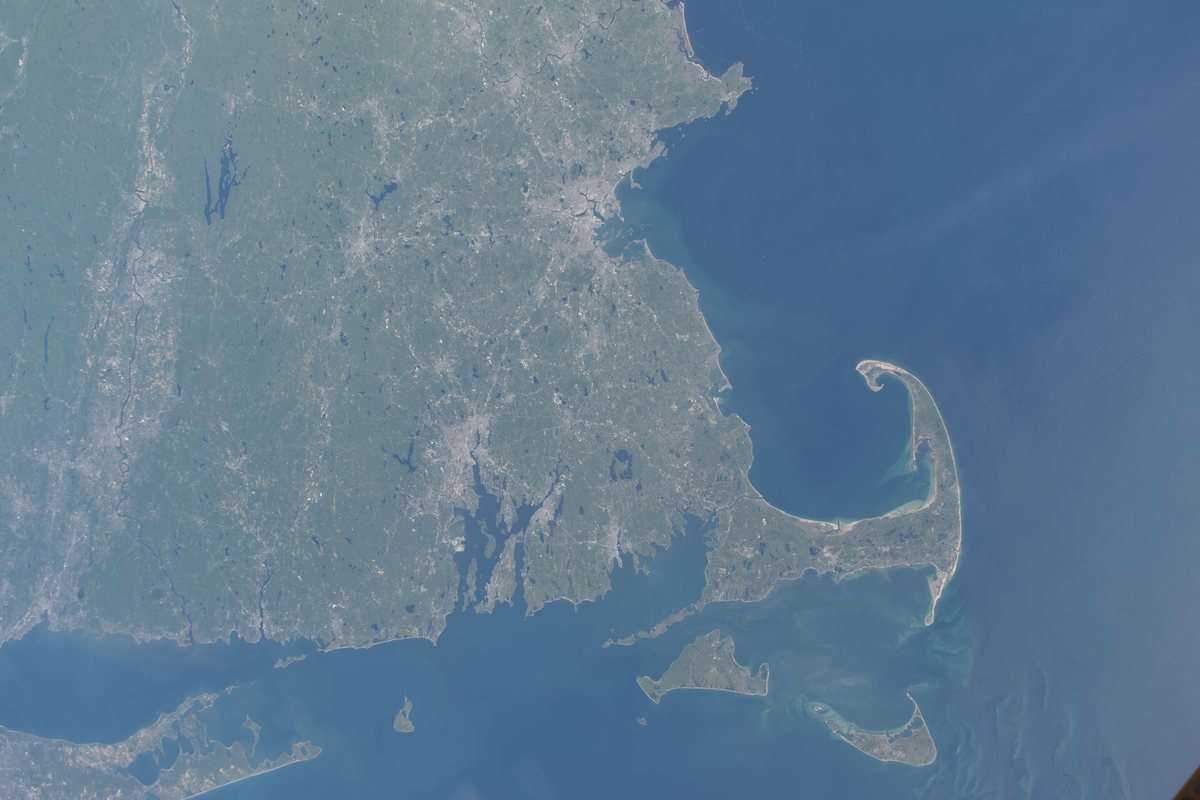
Cape Cod, the islands of Martha's Vineyard and Nantucket and the southern New England coast from Boston to Connecticut, photographed from the International Space Station in daylight

Cape Cod and southern New England from the International Space Station on June 4, 2026. Boston Harbor is at the top centre; the hooked peninsula on the right is the Cape, with Martha's Vineyard and Nantucket below it. Photo: NASA/Chris Williams.

Free Telescope Nights in Boston and Cambridge

Two universities run public observing in the middle of the metro. Both are free, both need a ticket, and both get booked up fast, so it pays to know the routine.

Boston University's Coit Observatory

BU's astronomy department has run its Public Open Night since 1967, on the roof of 725 Commonwealth Avenue, on most Wednesday evenings of the year when the sky is clear. The programme starts promptly at 7:30 pm from October to March and at 8:30 pm from April to September, and nobody is let in once it begins. Tickets are free, limited to five per person, and released on Eventbrite on Thursday mornings at about 11 am for the following Wednesday; they usually go within minutes. Visitors without tickets are admitted after the ticket holders if there is room. The stairwell to the dome starts on the fifth floor beside room 520, and the observatory can only be reached by stairs. Call 617-353-2630 within two hours of the start, or check the observatory's Mastodon account, to find out whether the night is on: it is cancelled for cloud, haze, rain, and severe cold or wind.

Harvard's Observatory Nights at the Center for Astrophysics

At 60 Garden Street in Cambridge, about a mile west of Harvard Square, the Harvard College Observatory hosts free public Observatory Nights at the Center for Astrophysics: a non-technical lecture in Phillips Auditorium, followed by telescope viewing from the observatory roof when the weather allows. They run roughly once a month in spring and autumn, recently on a Wednesday, with topics from black holes to supernovae, and the observatory's events page posts each date. Tickets are free but limited, and the spring 2026 nights sold out and moved to waitlists, so join the mailing list rather than waiting for a reminder. Parking in the observatory staff lots is free on event nights.

The Museum of Science

For a cloudy night, the Charles Hayden Planetarium at the Museum of Science runs dome shows, a research series that brings astronomers' data to the dome, and music shows on Friday and Saturday nights. It will not show you the real sky, but it is the best place in the city to learn what to look for before you drive out to find it.

Top Pick: Ocean on One Side, Bay on the Other

Cape Cod National Seashore, the Outer Cape

For a dark sky you can reach in an evening and stay under legally, nothing near Boston beats the outer Cape. The Seashore's rules close its beach and visitor-centre parking areas only between midnight and 6 am, so Coast Guard Beach and Nauset Light in Eastham, Marconi Beach in Wellfleet, Head of the Meadow in Truro and Race Point near Provincetown are all open for several hours after dark. Marconi is the favourite: the park and the Cape Cod Astronomical Society have used its parking lot for the evening star party at their annual Dark Sky Festival, with rangers handing out red cellophane for flashlights.

The appeal is the geometry. Face east from any of these beaches and the sky meets the Atlantic, with no town between you and the horizon; the glow of the mainland stays behind you over the bay. Late summer brings the Milky Way overhead, and during strong solar storms even the northern lights reach this far south: the park photographed an aurora over the Marconi Station Site in August 2024. Two cautions. The lots really do close at midnight, so time a drive back or book a campground off the Seashore. And the wind off the water can make a mild September evening feel like November, so pack a jacket even in August.

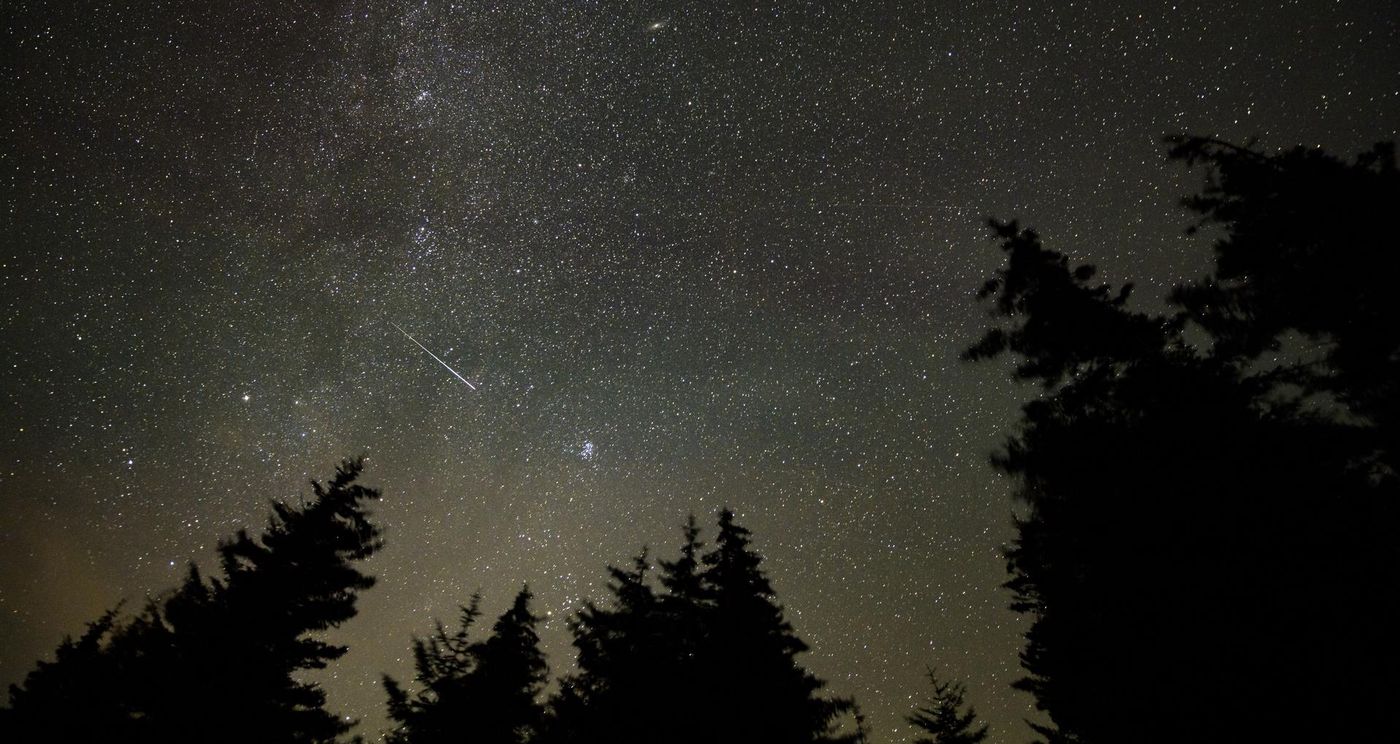
A meteor streaking past the Milky Way above a dark horizon, the kind of sky the outer Cape shows on a moonless late-summer night

Photo: NASA/Bill Ingalls

South-West: Three Rhode Island Observatories, Three Different Nights

Rhode Island is the surprise of the Boston area. Within about an hour and a half of the city, three observatories open to the public on a fixed night each week, so you can pick one to suit your diary. In Providence, Brown University's Ladd Observatory, dedicated in 1891 and listed on the National Register of Historic Places, holds public viewing nights on Tuesday evenings, weather permitting, with free tickets on its Eventbrite page. It stands at 210 Doyle Avenue on College Hill, so its sky is a city one, but the building and its instruments are a piece of astronomical history.

On Saturdays, the Skyscrapers amateur astronomy society opens Seagrave Memorial Observatory in North Scituate for free public observing, a tradition that dates back to 1937. The domes hold an 8-inch Alvan Clark refractor alongside larger modern telescopes, and the rural setting west of Providence is noticeably darker than the city. In winter, the observatory stays closed when its parking lot is snowed in, so check before driving out after a storm.

On Fridays, it is the turn of Frosty Drew Observatory in Ninigret Park, Charlestown, near the Rhode Island coast. Its Stargazing Nights run every Friday, weather permitting, and in autumn 2026 they ran from 7 to 9 pm, sometimes later on a good night. Tickets cost $5 for anyone five or older and usually go on sale up to a day ahead, because the weather decides whether the night happens; the observatory updates its event page before 3 pm. Frosty Drew bills itself as having the darkest sky in Rhode Island and asks everyone to use red light only, in the park and on its campus, from dusk until dawn.

South-East: The Mid-Cape and Nantucket

If the outer Cape is too far for a weeknight, the Cape Cod Astronomical Society holds public star parties at its Werner Schmidt Observatory behind Dennis-Yarmouth Regional High School, 210 Station Avenue in South Yarmouth. In October 2026 the public was asked to arrive at 7 pm for a short introductory talk and a tour of the dome, followed by observing outside; the club posts the next date on its home page. Drive in by the high school's north entrance and continue past the main building to the gate by the dome.

Thirty miles out to sea, Nantucket has a deep astronomical history: it was home to Maria Mitchell, whom the association named for her calls America's first female astronomer, and that association runs Open Nights at the Loines Observatory on Milk Street Extension. Its astronomers guide visitors through two telescopes, a historic 8-inch Alvan Clark refractor and a modern 24-inch research telescope. The 2026 programme ran from late May through October, several nights a week at the height of summer, with a special evening on November 25; adult tickets were $27 and children's $17, and pre-registration is strongly recommended. The sessions start after dark, so plan to stay the night on the island and check ferry times from Hyannis before you book.

How Far for a Certified Dark Sky Park?

The nearest DarkSky International places we could confirm are in northern Maine, five hours or more from Boston. Katahdin Woods and Waters National Monument became an International Dark Sky Sanctuary in 2020, the first certified dark sky place in Maine and New England. A year later, in May 2021, the Appalachian Mountain Club's Maine Woods, a 114,000-acre forest in the 100-Mile Wilderness near Greenville, was named New England's first International Dark Sky Park; its lodges and cabins let you stay right under that sky. Both are long-weekend trips rather than evening drives, best between late summer and early autumn, when the nights lengthen before the snow.

If you are willing to drive that far in another direction, Cherry Springs State Park in northern Pennsylvania is about six and a half hours from Boston; our New York City stargazing guide covers it in detail. For dark parks across the country, see the best national parks for stargazing.

When to Go: A New England Observing Year

New England weather changes fast and coastal haze is common in summer, so the best nights usually come just after a cold front has swept through and the air has turned dry and clear.

MonthsConditionsWhere to GoWhat to See
September – OctoberCrisp, dry air after cold fronts; mild evenings on the Cape; Nantucket's season winding downOuter Cape beaches, Frosty Drew, Loines ObservatoryThe Milky Way setting in the south-west, Andromeda, Saturn
November – FebruaryLong, cold, often very clear nights between storms; snow can close roads and lotsBU on clear Wednesdays, Seagrave and Frosty DrewOrion, the Pleiades, Jupiter, the Geminids December 13–14
March – MayChangeable and damp; Harvard's spring Observatory Nights; BU moves to its 8:30 pm start in AprilThe Cambridge and Providence observatoriesGalaxies in Leo and Virgo, the Moon
June – AugustWarm, humid and often hazy; late sunsets; mosquitoes at dusk near marshesOuter Cape, Nantucket, Werner Schmidt star partiesThe Milky Way core low in the south, the Perseids August 12–13

Choose a date near new Moon with the 2026 astronomy events calendar, and watch the afternoon forecast: the university and club nights are decided on the day, and a hazy Boston sky can still be clear on the Cape.

What to Bring Around Boston

  • A phone alarm for Thursday at 11 am, if you want a ticket for BU's Wednesday open night.
  • A windproof layer for the beaches. The sea breeze on the outer Cape cools the evening quickly, even in summer.
  • A red light only. Frosty Drew asks for red light from dusk to dawn, and the Seashore's star parties hand out red film for white flashlights.
  • A plan for midnight on the Cape, when the National Seashore parking lots close, or a campground reservation nearby.
  • Ferry and accommodation bookings for a Loines Observatory night on Nantucket.
  • Insect repellent for summer evenings near the Cape's marshes and ponds.

Best Telescopes and Binoculars for Boston Skies

Boston observers split their time between a bright home sky and occasional trips to the coast, so the right kit is something light enough to grab after work and compact enough to carry onto a ferry or down a beach path.

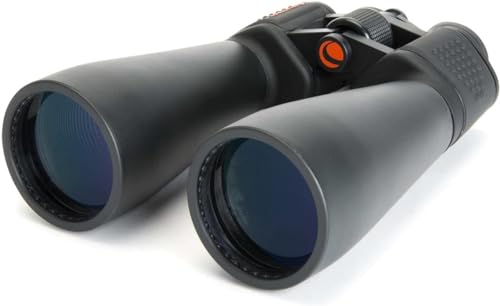
Celestron SkyMaster 15x70 binoculars

Celestron SkyMaster 15x70

For a night on the beach

Scan the star fields of the summer Milky Way from Marconi or Race Point; they are also handy at the university nights while you wait for the telescope queue.

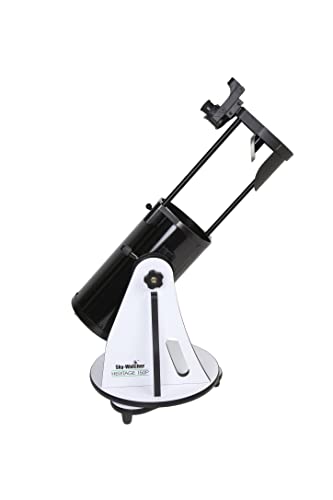
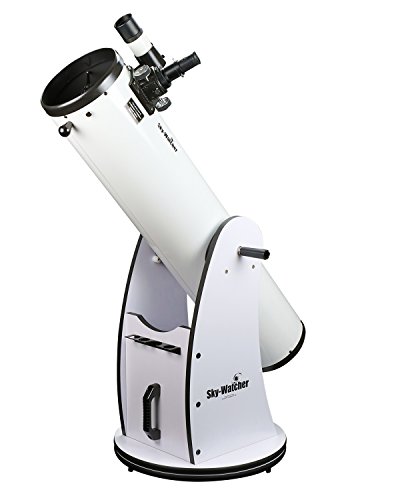
Sky-Watcher Heritage 130P tabletop Dobsonian

Sky-Watcher Heritage 130P

For a triple-decker porch

A collapsible 5-inch that sets up on a table in a minute, ideal for the Moon and planets from a Somerville porch and light enough to take to the Cape.

Sky-Watcher Classic 200P 8-inch Dobsonian

Sky-Watcher Classic 200P (8")

For the outer Cape and Maine

Eight inches of aperture turns a dark Wellfleet or Maine Woods sky into a tour of globular clusters and galaxies, and it fits across the back seat.

For a Back Bay balcony or a Cambridge rooftop, our urban stargazing telescope picks are chosen for a Bortle 8 to 9 sky.


🔭

Which telescope fits a city apartment and a weekend on the Cape?

Tell the Finder Tool your budget, how much space you have, and whether you will observe at home or carry the scope to the coast. It recommends a specific model in under two minutes.

Find My Telescope →

Astronomy Clubs and Societies Around Boston

The Amateur Telescope Makers of Boston is a general astronomy club despite its name; it meets on the second Thursday of every month except August in Phillips Auditorium at the Center for Astrophysics, and the meetings are open to the public. Members can use the club's clubhouse, observing field and telescopes in Westford, and the club runs outreach star parties. On the Cape, the Cape Cod Astronomical Society meets on the first Thursday of the month and runs the Werner Schmidt Observatory. In Rhode Island, Skyscrapers runs Seagrave Memorial Observatory and its Saturday nights, while the Frosty Drew Memorial Fund runs the Charlestown observatory. North of the border, the McAuliffe-Shepard Discovery Center in Concord, a short drive from Manchester, has a planetarium and an observatory. The astronomy club directory lists clubs across New England, and any that are missing can send in their details.


Continue Exploring

Keep the session going with the next useful answer

Choose the next page based on whether you need a recommendation, a comparison, or a practical observing plan.

Use Finder Tool →

🎄 Holiday season: Telescope Christmas Gift Guide 2026 · Black Friday deal tracking

Boston Stargazing FAQ

Where can you stargaze near Boston after dark?

The darkest legal option within an evening's drive is the outer Cape: Cape Cod National Seashore beach lots such as Marconi, Coast Guard Beach and Race Point stay open until midnight. Closer in, Boston University's Coit Observatory opens most clear Wednesdays, and three Rhode Island observatories hold public nights every week.

How do you get tickets for Boston University's open night?

Tickets are free and released on BU's Eventbrite page on Thursday mornings at about 11 am for the following Wednesday, up to five per person. They usually go within minutes. People without tickets are let in after ticket holders if there is space, and the night is cancelled when the sky is cloudy.

Are Massachusetts state parks open at night for stargazing?

Often not. Many state parks are open only from sunrise to sunset, and at parks such as Wompatuck only registered campers may stay after dark. At Quabbin Reservoir, vehicles must leave by a posted time. Cape Cod National Seashore, a federal park, is the main exception, with beach lots open until midnight.

Is Cape Cod good for stargazing?

Yes, especially the outer Cape from Eastham to Provincetown. The Atlantic gives a dark eastern horizon with no towns in the way, and the National Seashore and the Cape Cod Astronomical Society have hosted star parties at Marconi Beach. Mid-Cape, the society also runs public star parties at its observatory in South Yarmouth.

Does Harvard have public observatory nights?

Yes. The Harvard College Observatory hosts free Observatory Nights at the Center for Astrophysics, 60 Garden Street in Cambridge, roughly once a month in spring and autumn: a public lecture followed by rooftop telescope viewing if the weather allows. Tickets are limited and often sell out, so join the mailing list.

What is the closest dark sky park to Boston?

The nearest certified places we could confirm are in northern Maine, five hours or more away: the AMC Maine Woods International Dark Sky Park near Greenville, certified in 2021, and Katahdin Woods and Waters National Monument, an International Dark Sky Sanctuary since 2020.

Related Guides