San Francisco Bay Area Stargazing: Best Dark Sky Spots
Telescope Advisor Logo Telescope Advisor
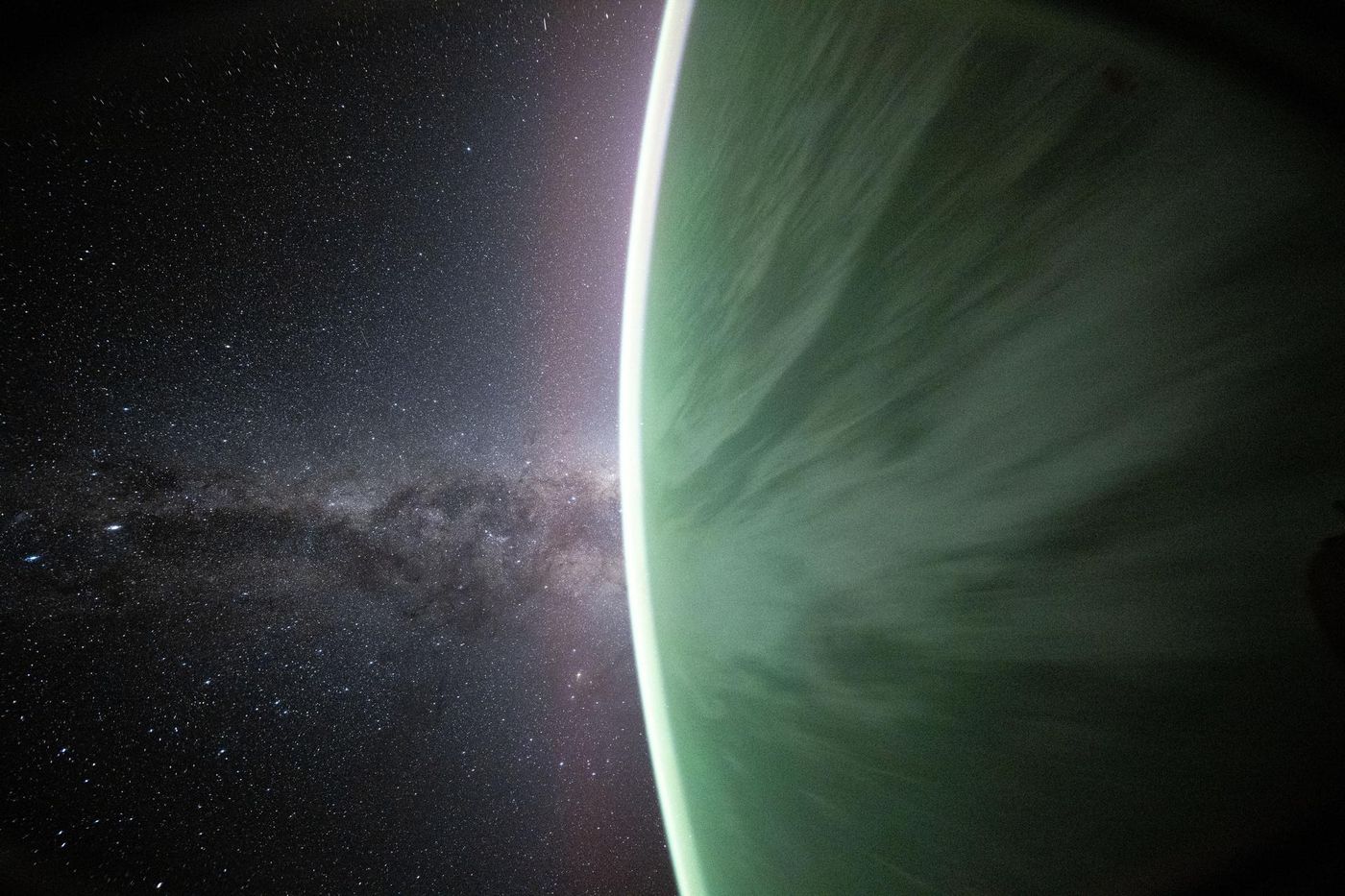
The Milky Way rising beyond the green aurora-lit limb of Earth, photographed from the International Space Station

Stargazing Destination Guide · San Francisco Bay Area

San Francisco Bay Area Stargazing: The Best Dark Sky Spots Within 2 Hours of the Bay (2026)

Eight million people ring San Francisco Bay, and the fog that defines the place would seem to finish off any hope of stargazing. The opposite is true. The Bay Area has more public telescopes open for free than any metro its size, two historic mountaintop observatories, and a ring of hills that stand above the fog while it blankets the city lights below. This guide to stargazing near San Francisco, Oakland and San Jose covers the free telescope nights, the mountains that rise out of the marine layer, and the dark country south and north that most residents have never driven to after sunset.

Sky in the CitiesBortle 8–9
Darkest Within 2 HoursBortle 3 (Pinnacles, Henry Coe backcountry)
Free Telescope NightsEvery Friday and Saturday at Chabot
Best SeasonSeptember to November

Photo: the Milky Way rising over the aurora-lit limb of Earth, from the International Space Station, January 2025. NASA/Don Pettit

By Telescope Advisor Editorial TeamPublished: Updated: Reviewed & approved by Juhi Sahni, Senior Editor Editorial Standards

Stargazing Near San Francisco at a Glance

The Bay Area has no single centre, so the drive times below are given from three: San Francisco's Civic Center, downtown Oakland and downtown San Jose. Pick your column. The Bortle figures combine light-pollution maps with what the region's many clubs report from their own sites, and they carry one Bay Area qualifier: fog. A hilltop site above about 2,000 feet is often clear and darker than its Bortle number when the marine layer is in, because the fog hides the city lights beneath it, while a coastal site under the same fog is useless. Check the fog forecast before the Bortle map.

LocationBortleFrom SF / Oakland / San JoseNight AccessBest For
Chabot Space & Science Center, Oakland735 / 20 / 60 minFree Friday and Saturday nights, 7:30 to 10:30 pmHistoric 20- and 36-inch telescopes, free
Foothill College Observatory, Los Altos Hills755 / 55 / 30 minFree every clear Friday, 9 to 11 pmPeninsula telescope night
Houge Park, San Jose865 / 55 / 15 minFree club star parties, select FridaysSouth Bay first look
Mount Tamalpais, Rock Spring5 (above fog)50 / 60 / 90 minFree monthly star party, April to OctoberAbove the fog, over the ocean
Mount Diablo State Park560 / 45 / 70 minSummit road closes at sunset; club star partiesEast Bay horizon
Lick Observatory, Mount Hamilton4–590 / 80 / 60 minFree visitor centre by day; summer evening ticketsThe 36-inch Great Refractor
Robert Ferguson Observatory, Kenwood4–575 / 70 / 110 minMonthly public star parties, ticketedWine-country observatory
Henry W. Coe State Park3–485 / 75 / 45 minCampers after sunsetDarkest camping close to San Jose
Fremont Peak Observatory4105 / 100 / 65 minSaturday public programmes, May to September30-inch telescope on a summit
Point Reyes National Seashore4 (when clear)75 / 80 / 120 minOpen; fog-proneOcean horizon on a clear night
Pinnacles National Park32 hr 15 / 2 hr / 90 minOpen 24 hrs; east-side campgroundDarkest sky within two hours

How the Fog Helps, and Where the Light Stops

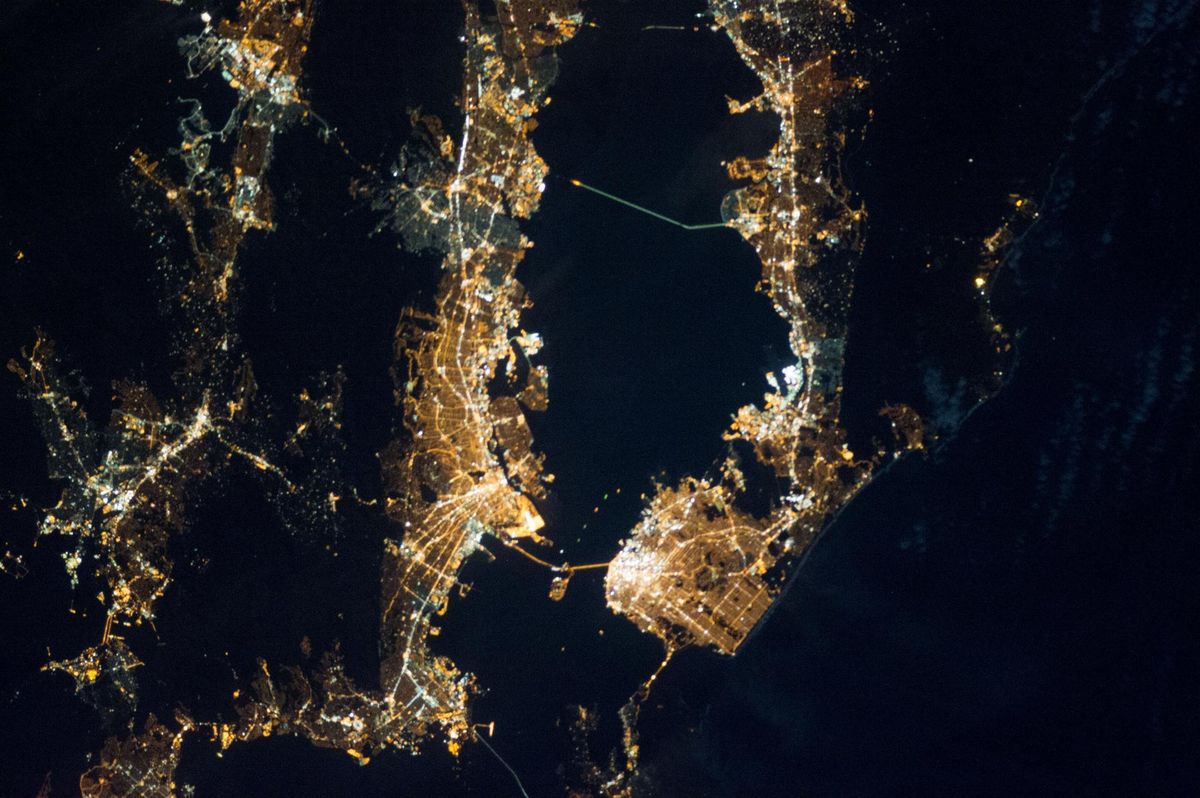
Seen from orbit at night, the Bay Area is a ring of light around a black hole of water, with San Jose the brightest knot at the southern end and the glow running north through Oakland and Richmond to Vallejo and east through the Livermore Valley toward the Central Valley. The shape matters because the darkest sky is not simply the farthest point from the ring. The Diablo Range east of San Jose and the Santa Cruz Mountains west of it both rise to 3,000 feet within 20 miles of downtown, and on their far slopes the glow drops a full Bortle class in a few miles. South of Gilroy the ring ends and the sky falls to Bortle 3 at Pinnacles and in the Henry Coe backcountry; north of Santa Rosa it does the same in the hills around Lake Sonoma.

Then there is the fog. From May to August the marine layer rolls through the Golden Gate most evenings and spreads across the bay and the flatlands, usually topping out between 1,500 and 2,500 feet. Below it, stargazing is finished. Above it, something remarkable happens: the fog blankets the city lights as well as the city, and a hilltop that is normally Bortle 5 can look like Bortle 4 with a sea of white cloud glowing faintly beneath it. Mount Tamalpais, Mount Hamilton, Mount Diablo and the Skyline Ridge all stand above the layer on a typical summer night, which is why the region's observatories were built on them and why the clubs run their summer star parties there. The forecast to check is the marine-layer depth, not the cloud cover percentage.

The clearest skies of the year come in autumn, when the fog season ends, the offshore winds clear the haze and the nights are still mild, and again in winter between Pacific storms, when the air is scrubbed clean and the Sierra snow sharpens the eastern horizon from the Diablo Range. For how Northern California compares with the rest of the state and the country, see our California stargazing guide and the USA dark sky map and light pollution guide.

The San Francisco Bay Area at night from the International Space Station, the cities forming a ring of light around the dark bay

The Bay Area at night from the International Space Station: San Francisco at lower right, Oakland and the East Bay at left, the Bay Bridge and Golden Gate as thin lines. The dark hills beyond the ring are where this page goes. Photo: NASA, Expedition 34.

Free Telescope Nights Inside the Metro

No American metro offers more free nights at the eyepiece of a serious telescope, and they are the right place to start before any dark-sky drive.

Chabot Space & Science Center, Oakland Hills

Every Friday and Saturday night from 7:30 to 10:30, weather permitting, Chabot opens its observatory deck 1,500 feet above the bay for free, no museum ticket needed, with volunteers from the East Bay Astronomical Society at three historic instruments: an 8-inch refractor from 1883 named Leah, the 20-inch refractor Rachel from 1916, and Nellie, a 36-inch reflector. The sky is Bortle 7, so the targets are the Moon, planets, double stars and the brighter clusters and nebulae, but 36 inches of aperture makes even those spectacular. Enter through the back gate by the lower car park. The refractors close when humidity passes 90 percent and the reflector sooner, so a dry autumn night beats a damp summer one.

Foothill College and Houge Park, South Bay

On the Peninsula, the Peninsula Astronomical Society runs the Foothill College Observatory in Los Altos Hills, open free every clear Friday from 9 to 11 pm, with Saturday morning solar viewing as a bonus. In San Jose, the San Jose Astronomical Association holds free In Town Star Parties on selected Friday evenings in the car park of its Houge Park headquarters, two hours of volunteers' telescopes aimed at whatever is up; leave your own scope at home and bring binoculars. The Mount Diablo Astronomical Society runs monthly public star parties from March to October in the East Bay, and the San Francisco Amateur Astronomers set up in the city itself several times a year. Between them, there is a free telescope pointed at the sky somewhere around the bay almost every clear weekend.

Top Pick: The Mountain Observatory

Lick Observatory on Mount Hamilton

Nineteen miles and 365 curves up Highway 130 from east San Jose, Lick Observatory has crowned the 4,200-foot summit of Mount Hamilton since 1888, the first permanently occupied mountaintop observatory in the world. The University of California still does research here nightly, and the public gets two ways in. By day, the visitor centre and gift shop are free and open at weekends, and the Shane Visitor Gallery, looking in on the 120-inch Shane reflector, is open daily; the 36-inch Great Refractor, the second-largest refractor ever built, is the centrepiece of the historic main building. By night, the Summer Series runs on Friday and Saturday evenings from June to August: a lecture, a concert, and a turn at the eyepiece of the Great Refractor and the 40-inch Nickel reflector. Tickets go on sale in spring through Eventbrite and sell out; general admission was about $30 in 2025.

The sky from the summit is Bortle 4 to 5. San Jose's glow fills the western horizon, which is why Lick's research has moved to spectroscopy and transients rather than faint imaging, but to the east the Diablo Range is dark for 40 miles and on a summer night the fog often buries the valley lights entirely. Visitors may not set up telescopes on the observatory grounds, but the pullouts on Highway 130 just below the summit are used by local observers on non-event nights; the road is narrow, the drops are real, and it closes in snow. Allow 90 minutes from San Francisco, an hour from San Jose, and drive it in daylight the first time.

The Milky Way beyond the curve of Earth, photographed from the International Space Station

Photo: NASA/Don Pettit

Above the Fog: Mount Tamalpais and Mount Diablo

Mount Tamalpais is the Bay Area's classic star-party mountain. From April to October the San Francisco Amateur Astronomers and Mount Tamalpais State Park host a free monthly Saturday evening: a talk in the stone Mountain Theater as the Sun sets, then telescopes in the Rock Spring car park below the summit. The programme is sponsored by Friends of Mt. Tam and has run for decades. At 2,000 feet the lot is usually above the summer fog, with the Pacific to the west and the layer glowing softly over the city to the south-east; the sky is Bortle 5, better when the fog is in, and the Milky Way is visible on good nights. Capacity is limited and recent seasons have asked visitors without telescopes to reserve a place, so check the club's calendar. Outside event nights the park closes at sunset.

Across the bay, Mount Diablo stands alone at 3,849 feet and, on the clearest winter nights, offers the widest horizon in Northern California, from the Farallon Islands to the Sierra crest. The summit road closes at sunset to ordinary visitors, so the way up after dark is a Mount Diablo Astronomical Society star party, held monthly from March to October, or a campsite at Juniper or Live Oak campground. The sky is Bortle 5 with the East Bay glowing to the west; the view east over the Central Valley is darker and is where the summer Milky Way rises.

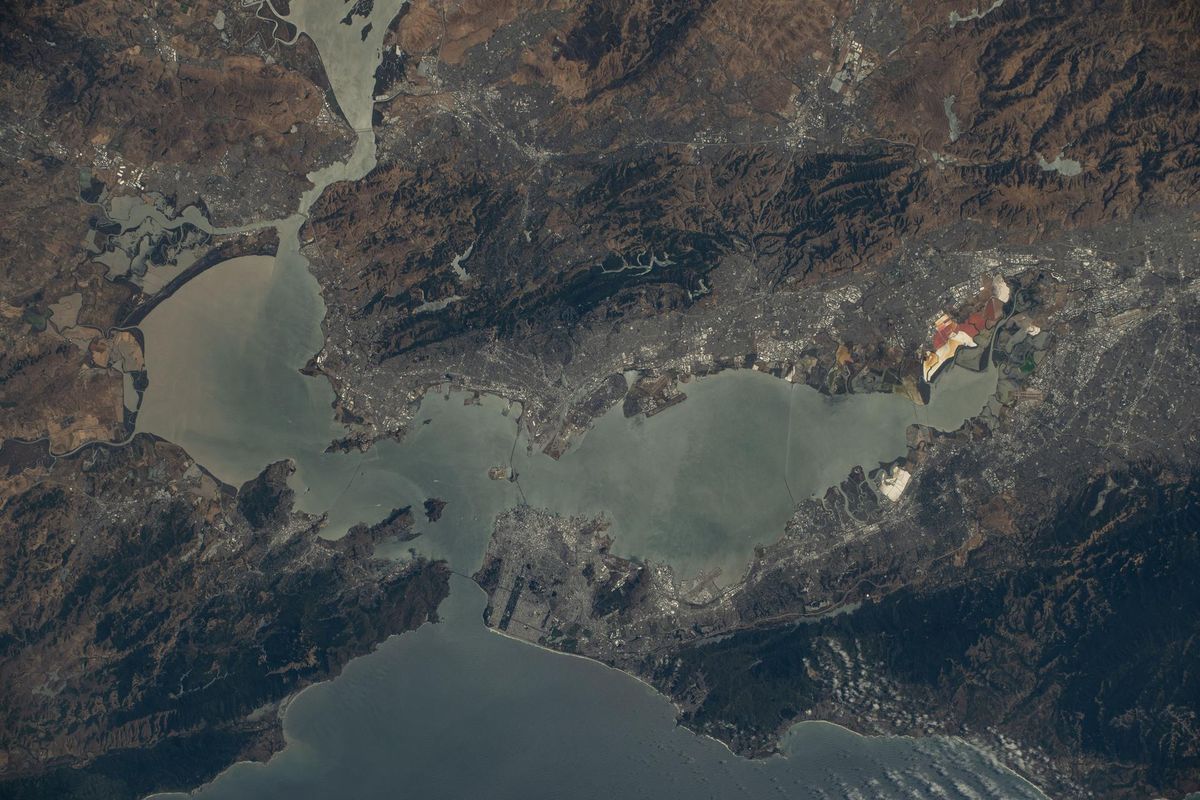
The San Francisco Bay Area by day from the International Space Station, showing the bay, the Golden Gate, the Marin Headlands and the East Bay hills

The Bay Area from the International Space Station, August 2025. Mount Tamalpais is in the Marin hills at upper left, the Oakland hills and Mount Diablo's range to the right. Photo: NASA, Expedition 73.

South: Henry Coe, Fremont Peak and Pinnacles

The dark country closest to most of the Bay Area's population is south-east of San Jose. Henry W. Coe State Park, 45 minutes from downtown San Jose above Morgan Hill, is 87,000 acres of oak ridges and the largest state park in Northern California. The headquarters campground at 2,600 feet is Bortle 4, the San Jose dome sits in the north-west, and the backcountry ridges a few miles in reach Bortle 3. The park empties day visitors at sunset, which makes a campsite or a backpacking permit the only way to be there when the sky gets dark. The Pine Ridge Association, the park's volunteer group, has hosted star parties here for years.

An hour further south, Fremont Peak Observatory sits on a 3,169-foot summit in Fremont Peak State Park above San Juan Bautista. The Fremont Peak Observatory Association opens its 30-inch Challenger telescope to the public on scheduled Saturday evenings from May to September, from 8:30 pm until midnight or later: a presentation in the classroom, then observing through the big reflector and members' instruments. The 2026 dates ran from May 16 to September 19. The sky is Bortle 4, with Salinas and Hollister glowing below and a dark southern horizon over the Gabilan Range, and the park's small campground lets you stay on the summit.

Ninety minutes from San Jose and a little over two hours from the city, Pinnacles National Park is the darkest sky within reach of a Bay Area evening: Bortle 3, with the spires of an ancient volcano as a foreground and nothing but ranchland for 30 miles. The east entrance near Hollister is open around the clock and has the park's only campground, which is where observers set up; the west side near Soledad closes at night. Summer is hot, condors roost on the high peaks, and the park's ranger programme includes occasional night-sky events listed on its calendar.

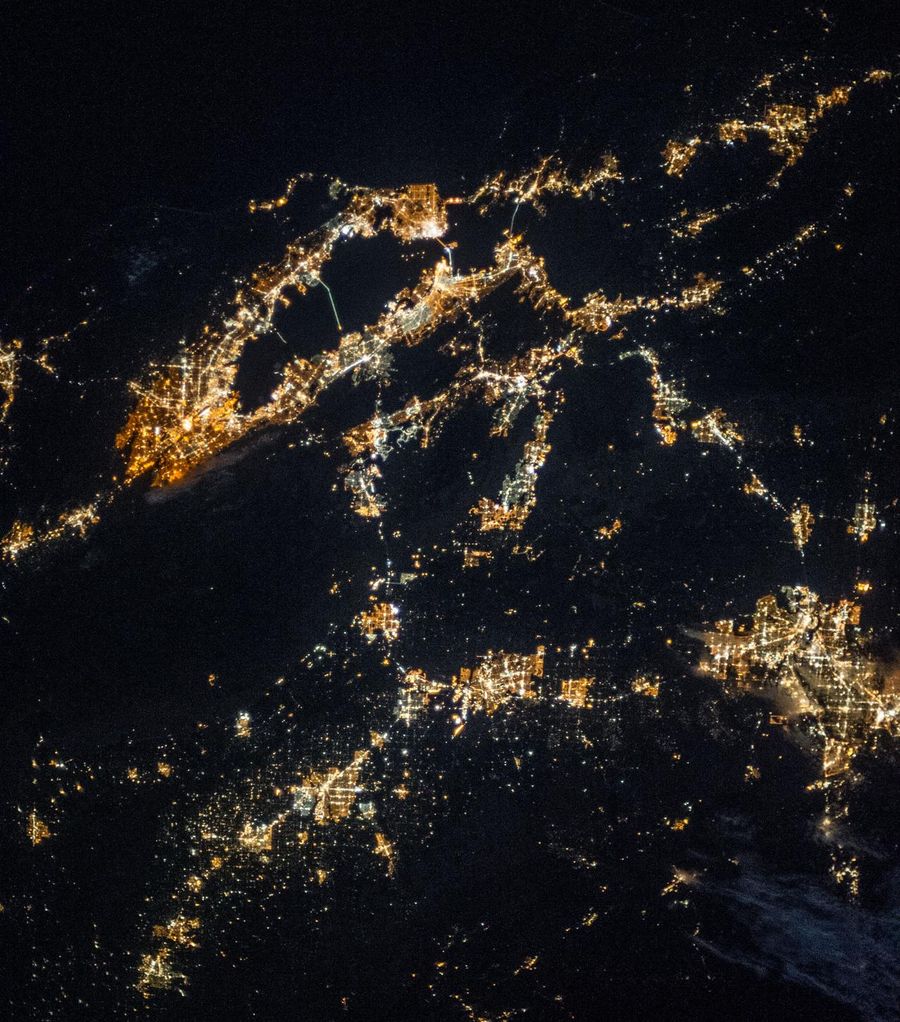
Northern California at night from the International Space Station, the Bay Area ring of light at upper left and the Central Valley cities trailing toward the dark Sierra

Northern California at night from the International Space Station: the Bay Area at upper left, San Jose brightest, the Central Valley towns beyond, and dark country between. Photo: NASA, Expedition 37.

North and West: Sonoma's Observatory and the Point Reyes Coast

In the hills above Kenwood, 75 minutes north of the city, the Robert Ferguson Observatory in Sugarloaf Ridge State Park is the largest observatory in the United States run entirely by volunteers, with a 40-inch reflector, a 24-inch, and a refractor built for the public. It holds ticketed public star parties roughly monthly, typically 7 to 10 pm, that begin with tours and talks while the sky darkens, plus solar days and members' nights; adult tickets have been around $15 with park parking extra. The sky is Bortle 4 to 5, with Santa Rosa to the west and dark hills to the east, and the park's campground is a short walk from the domes.

West of Marin, Point Reyes National Seashore is the Bay Area's ocean horizon. On the rare clear night at the outer point, the sky over the Pacific is Bortle 4 and the summer Milky Way sets into the sea, but the peninsula is one of the foggiest places on the coast, so it is a site for autumn and winter rather than summer, and for nights when the forecast says the fog is offshore. Limantour Beach and the Drakes Beach lot are the usual spots. Further north, the hills around Lake Sonoma and the Mendocino coast beyond Jenner reach Bortle 3 and are where Sonoma County's astrophotographers go when they want real darkness within two hours.

Worth the Drive: Yosemite, Lassen and Big Sur

Four hours east, Glacier Point in Yosemite is the Bay Area's traditional dark-sky pilgrimage, Bortle 2 at 7,200 feet with Half Dome as the foreground, and the Yosemite Conservancy runs summer astronomy programmes there. Four hours north-east, Lassen Volcanic National Park holds an annual Dark Sky Festival each August under a Bortle 2 sky. Our California stargazing guide gives both parks the full treatment; this page draws its eastern boundary at the Diablo Range. Closer, the Big Sur coast south of Carmel, two and a half hours from San Jose, gives a Bortle 3 ocean sky from the turnouts on Highway 1 when the coast is clear, and the campgrounds at Pfeiffer Big Sur and Kirk Creek are the places to stay for it.

When to Go: Bay Area Stargazing Month by Month

The Bay Area's stargazing year is governed by the marine layer. The simple rule: autumn for everything, winter between storms, and in fog season go up, not out.

MonthsConditionsWhere to GoWhat to See
September – NovemberThe best months: fog season over, offshore winds, warm clear nights, Fremont Peak and Mt Tam seasons still runningPinnacles, Henry Coe, Point Reyes, Fremont PeakSummer Milky Way setting over the Pacific, Andromeda overhead, Orionids
December – FebruaryCrystal-clear between Pacific storms; cold and often windy on the summits; Mount Hamilton road closes in snowMount Diablo, Henry Coe, Chabot on dry nightsOrion Nebula, Pleiades, Geminids December 13–14
March – AprilGreen hills, showers alternating with clear spells; club seasons beginMount Tam from April, Mount Diablo star parties, Lick by dayGalaxy season in Leo and Virgo
May – AugustFog most evenings below 2,000 feet; clear and often superb above it; hot inlandMount Tam, Lick Summer Series, Fremont Peak, Chabot on clear nightsMilky Way core rising over the Diablo Range, Perseids August 12–13

Match a trip to a new Moon using our 2026 astronomy events calendar, then read the marine-layer forecast for the depth of the fog rather than the chance of cloud. A 2,000-foot layer and a 3,000-foot mountain is a good night.

What to Bring Around the Bay

  • Dew control, always. Marine air fogs optics within an hour even on the summits. A dew shield at minimum; a heater strip for any refractor or Schmidt-Cassegrain.
  • A warm jacket in August. Mount Tam and Mount Hamilton are 20 degrees colder than San Jose at night and the wind on the summits is constant.
  • Reservations and gate times. Mount Tam, Mount Diablo, Henry Coe and Fremont Peak close at sunset to day visitors; a star-party night, a campsite or a permit is the way to be there after dark.
  • Daylight for the mountain roads. Highway 130 to Lick and the road up Fremont Peak are narrow and unlit. Go up before sunset.
  • A red headlamp and binoculars for the club nights, where white light is unwelcome and your own telescope is usually not needed.
  • Fire-season awareness. No campfires during restrictions, and red-flag warnings close the state parks and the national forest without notice.

Best Telescopes and Binoculars for Bay Area Skies

Bay Area observers live in small spaces and drive to the sky, which argues for compact instruments that resist dew and set up fast on a summit car park. Aperture still matters: the mountain sites are Bortle 4 to 5, and the southern sites reward an 8-inch.

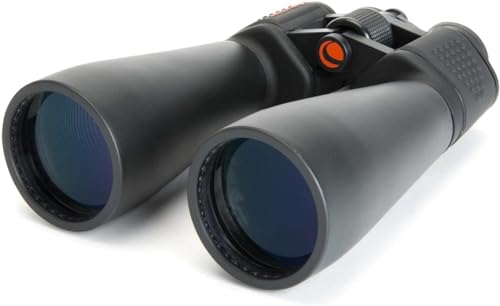
Celestron SkyMaster 15x70 binoculars

Celestron SkyMaster 15x70

For club nights and the coast

What to bring to Chabot, Mount Tam and Houge Park, where the big telescopes are provided, and enough on its own for the Milky Way over Point Reyes.

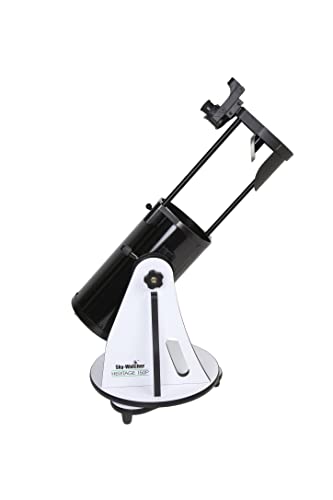
Sky-Watcher Heritage 130P tabletop Dobsonian

Sky-Watcher Heritage 130P

For apartments and summit car parks

A 5-inch collapsible Dobsonian that lives in a closet, sets up on a tailgate at Rock Spring in two minutes and, with an open tube, dews up slower than a refractor.

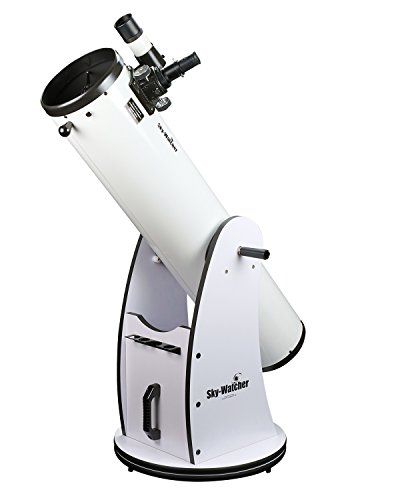
Sky-Watcher Classic 200P 8-inch Dobsonian

Sky-Watcher Classic 200P (8")

For Henry Coe and Pinnacles camping

The 8-inch that a Bortle 3 night at Pinnacles deserves: galaxies with structure, the Veil Nebula through a filter, and a solid tube for the ridge winds.

Observing from a Sunset District balcony or a Fremont backyard most nights? The best telescopes for urban stargazing guide is written for that sky, and is dew bad for a telescope answers the question every Bay Area beginner asks after the first foggy summit night.


🔭

Not sure which telescope suits a foggy bay and a clear summit?

Tell the Finder Tool your budget, whether you observe from an apartment balcony or drive up Mount Hamilton, and what you want to see. It recommends a specific model in under two minutes.

Find My Telescope →

Astronomy Clubs and Public Programmes Around the Bay

The Bay Area has more active astronomy clubs than any region of its size, and almost all run public nights. The San Francisco Amateur Astronomers host the Mount Tam star parties and city events. The East Bay Astronomical Society staffs Chabot's free Friday and Saturday viewings. The Mount Diablo Astronomical Society runs monthly star parties on the mountain. The San Jose Astronomical Association holds In Town Star Parties at Houge Park and dark-sky nights further out. The Peninsula Astronomical Society opens Foothill College Observatory every clear Friday. The Fremont Peak Observatory Association runs the summer Saturday programmes on the peak, the Valley of the Moon Observatory Association runs the Robert Ferguson Observatory in Sonoma, and the University of California opens Lick by day and for the Summer Series. For meeting details and every other California club, see our California astronomy clubs directory, and if your group is missing you can submit it here.


Continue Exploring

Keep the session going with the next useful answer

Choose the next page based on whether you need a recommendation, a comparison, or a practical observing plan.

Use Finder Tool →

🎄 Holiday season: Telescope Christmas Gift Guide 2026 · Black Friday deal tracking

Bay Area Stargazing FAQ

Can you see the Milky Way from the Bay Area?

Not from the cities, which sit under a Bortle 8 to 9 sky. From Mount Tamalpais or Mount Hamilton on a night when the fog covers the lowlands it is faintly visible; from Henry Coe's campground or Fremont Peak it is clear; and from Pinnacles National Park, about two hours south, the Bortle 3 sky shows it with structure from horizon to horizon.

Where is the closest dark sky to San Francisco?

Mount Tamalpais, 50 minutes north, is the closest meaningful improvement at Bortle 5, especially above the summer fog. For a genuinely dark sky, Henry W. Coe State Park, 85 minutes south-east, reaches Bortle 3 to 4 for campers, and Pinnacles National Park, just over two hours south, is Bortle 3. From San Jose, Henry Coe is only 45 minutes away.

Where can I look through a telescope for free in the Bay Area?

Chabot Space and Science Center in the Oakland hills opens its observatory deck free every Friday and Saturday night from 7:30 to 10:30, weather permitting, with 20-inch and 36-inch telescopes. Foothill College Observatory in Los Altos Hills is free every clear Friday from 9 to 11 pm, and the San Jose, Mount Diablo and San Francisco clubs all hold free public star parties.

Can you visit Lick Observatory?

Yes. The visitor centre on Mount Hamilton is free and open at weekends, the Shane Visitor Gallery is open daily, and the historic 36-inch Great Refractor is on view in the main building. To look through the telescopes, book the Summer Series, held on Friday and Saturday evenings from June to August; tickets go on sale in spring through Eventbrite and sell out.

Does the fog ruin stargazing in San Francisco?

Below about 2,000 feet, yes, from May to August most evenings. Above it, the fog helps: it hides the city lights as well as the city, so the summits of Mount Tamalpais, Mount Hamilton and Mount Diablo are often clear and darker than usual on a foggy night. Check the marine-layer depth in the forecast and go up rather than out.

What is the best time of year for stargazing near San Francisco?

September through November. The fog season ends, offshore winds clear the haze, the nights are warm and clear, and the Mount Tam and Fremont Peak seasons are still running. Winter nights between storms are the clearest of all but cold and windy on the summits. In summer, stick to the mountains above the fog.

Related Guides